
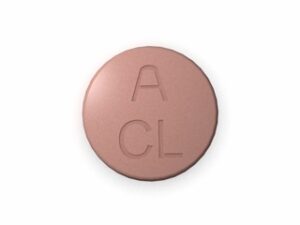

Avapro (Irbesartan) – Patient Guide (Australia)
Avapro is a medicine containing irbesartan, a type of medicine known as an angiotensin II receptor blocker (ARB). It is used to treat certain cardiovascular conditions, most commonly high blood pressure. This guide explains how Avapro works, how it is used, important safety information, and practical tips for taking it.
Always read the consumer medicine information (CMI) supplied with your product and follow your healthcare professional’s instructions.
1) Basic product information
- Brand name: Avapro
- Active ingredient: Irbesartan
- Medicine class: ARB (angiotensin II receptor blocker)
- Common strengths (varies by product): e.g., 75 mg, 150 mg, 300 mg tablets
- Typical form: Oral tablets
What it is used for: Managing high blood pressure and helping protect the kidneys in certain people, particularly those with type 2 diabetes and kidney disease.
2) How Avapro works (mechanism of action)
Irbesartan blocks the action of angiotensin II, a natural chemical in the body that normally causes blood vessels to tighten (narrow) and helps regulate blood pressure.
- Blood vessel relaxation: By blocking angiotensin II at its receptors, irbesartan helps blood vessels relax and widen.
- Lowering blood pressure: This leads to reduced resistance in the bloodstream and a lowering of blood pressure.
- Kidney protection (in suitable patients): In some patients with diabetes and kidney disease, ARBs can help slow harmful changes by reducing pressure and strain within kidney filtering units.
Key point: Avapro helps the body’s blood pressure control system work more effectively, without directly acting like many older “water tablets” (diuretics) or older blood pressure medications.
3) Pharmacokinetics (how the body handles it)
Understanding pharmacokinetics can help you appreciate why dosing is usually once daily and what to expect.
| Topic | What typically happens with irbesartan |
|---|---|
| Absorption | Irbesartan is absorbed after oral dosing. Peak blood levels generally occur within several hours. |
| Food effect | Food may slightly affect absorption, but overall effectiveness is usually maintained. Avapro can generally be taken with or without food. |
| Distribution | Irbesartan distributes throughout the body, with protein binding contributing to its action. |
| Metabolism | Metabolised mainly in the liver (including via enzyme pathways). |
| Elimination | Eliminated primarily via bile and faeces, with a smaller portion in urine. |
| Duration | Its effects last long enough for many patients to take it once daily. |
Practical takeaway: Because irbesartan remains active throughout the day, once-daily dosing is commonly recommended for blood pressure control.
4) Typical use in Australia
In Australia, Avapro (irbesartan) is commonly used for:
- High blood pressure (hypertension): To help lower blood pressure and reduce the risk of complications.
- Kidney protection in type 2 diabetes (select patients): For people with type 2 diabetes and evidence of kidney disease, where a suitable ARB may help slow progression.
Your exact indication and dose depend on your personal health profile, blood pressure readings, kidney function, and other medicines you may take.
5) Timing and how to take Avapro
How often: Usually once daily.
When: Take it at the same time each day to help you remember. Many people prefer morning or evening—choose a time that fits your routine.
With or without food: Avapro can generally be taken with or without food.
If you miss a dose:
- Take it when you remember on the same day.
- If it’s close to your next dose, skip the missed dose.
- Do not double up to make up for a missed dose.
What to expect: Blood pressure may start improving within days, with fuller effects often developing over several weeks.
6) Food interactions
For irbesartan, food interactions are usually minimal. Most people can take Avapro consistently either with meals or on an empty stomach, without major differences in control.
- General advice: Take it the same way each day (with or without food) for routine stability.
- Grapefruit: Unlike some other medicines, grapefruit is not a commonly flagged concern for irbesartan; however, always confirm with your pharmacist if you have other medications that may interact.
If you experience stomach upset or are unsure, speak with your pharmacist about the best way to fit it into your routine.
7) Alcohol and medicine interactions
Alcohol can lower blood pressure and may increase the chance of side effects such as dizziness, faintness, or light-headedness—especially when you start treatment or increase the dose.
- Practical approach: If you drink alcohol, do so in moderation and be cautious with standing up quickly.
- Avoid dehydration: Alcohol can contribute to dehydration in some situations, which may affect kidney function and blood pressure control.
Other medicine interactions can be more important than alcohol for ARBs.
- Potassium supplements or potassium-containing salt substitutes: May increase the risk of high potassium (hyperkalaemia).
- Diuretics (especially “potassium-sparing” types): May also raise potassium in some patients.
- Non-steroidal anti-inflammatory drugs (NSAIDs) such as ibuprofen, naproxen, or diclofenac (including frequent use): May reduce kidney protection and raise risk of kidney strain, particularly in older adults or those with existing kidney issues.
- Other blood pressure medicines: Often used together, but the combined effect can increase risk of low blood pressure.
- Medicines that affect kidney function or hormones (e.g., some immunosuppressants): May require additional monitoring.
- Dual blockade of the renin-angiotensin system: Combining an ARB with an ACE inhibitor (like perindopril or ramipril) or another ARB is generally not preferred due to increased risk of side effects and reduced benefit for many patients, unless specifically directed by a clinician.
Always tell your pharmacist about all medicines, supplements, and herbal products you use.
8) Indications (why Avapro is used)
Avapro is indicated for:
- Hypertension (high blood pressure): to reduce blood pressure and associated risks.
- Renal (kidney) protection in type 2 diabetes with signs of kidney disease: to help slow progression in selected patients.
Your healthcare professional will consider your blood pressure goals, kidney function tests, and any diabetes-related complications when deciding whether irbesartan is appropriate.
9) Dosing (typical approach)
Dosing is individual. The information below provides a general overview of how ARBs are commonly titrated; your prescription label and clinician instructions are the final authority.
- Common starting dose: often 150 mg once daily for hypertension in many adults, though starting dose can vary.
- Possible adjustment: dose may be increased based on blood pressure response and tolerability.
- Typical maintenance dose: up to 300 mg once daily in some patients.
Kidney-related or diabetes-related indications: dosing may follow similar ranges, with careful monitoring of kidney function and potassium.
Special situations where dosing may differ:
- Dehydration or low salt intake (e.g., vomiting/diarrhoea): you may need closer monitoring early on.
- Kidney impairment: your clinician may use a cautious approach and check labs more frequently.
- Liver impairment: may require extra caution.
- Older adults: may be more sensitive to dizziness and kidney changes; monitoring is important.
Monitoring: Kidney function (creatinine/eGFR) and potassium levels are commonly checked before starting and periodically after dose changes, particularly in those with kidney disease, diabetes, or those using medicines that affect potassium.
10) Safety profile (what to watch for)
Most people tolerate irbesartan well, but like all medicines it can cause side effects. Many are mild and improve over time.
Common side effects
- Dizziness or light-headedness (especially after starting or increasing dose)
- Tiredness
- Headache
- Gastrointestinal symptoms (less commonly)
Important but less common risks
- High potassium (hyperkalaemia): may occur, particularly in kidney impairment or with other potassium-raising medicines. Symptoms can include muscle weakness or abnormal heart rhythms (usually detected by blood tests).
- Kidney function changes: can happen when kidney blood flow is affected. This risk may be higher if you are dehydrated, have underlying kidney disease, or take NSAIDs.
- Low blood pressure (hypotension): may occur in people who are volume depleted.
- Allergic reactions: rare, but seek urgent help for swelling of the face/lips, breathing difficulty, or widespread rash.
When to seek medical help urgently
- Fainting or severe dizziness
- Swelling of face, lips, tongue, or difficulty breathing
- Chest pain, severe palpitations, or signs of serious illness
- Severe weakness or symptoms suggesting a high potassium problem
Pregnancy warning
Avapro must not be used in pregnancy. ARBs can cause injury to an unborn baby. If pregnancy occurs or is planned, discuss safe alternatives urgently with a healthcare professional.
11) Practical use tips
- Measure blood pressure: If you have a home monitor, track readings at consistent times. Bring results to appointments.
- Stand up slowly: If dizziness occurs, rise slowly from sitting or lying positions.
- Stay hydrated: Especially in hot weather or if you’re unwell. Dehydration increases the risk of dizziness and kidney strain.
- Know “sick day” guidance: During vomiting, diarrhoea, or severe dehydration, your clinician may advise temporarily pausing certain medicines that affect kidney blood flow. Follow your personalised plan.
- Keep lab appointments: Kidney function and potassium checks are essential, especially after starting or changing the dose.
- Be careful with over-the-counter NSAIDs: Frequent ibuprofen/naproxen use may increase kidney risk. Ask your pharmacist for safer options for pain or fever.
12) Alternative options
If Avapro is not suitable due to side effects, an interaction, or lack of effect, clinicians may consider other blood pressure and kidney-protective options. Alternatives depend on your diagnosis and health history.
Other classes used for blood pressure
- ACE inhibitors (e.g., ramipril, perindopril)
- Calcium channel blockers (e.g., amlodipine)
- Thiazide-like diuretics (e.g., indapamide, hydrochlorothiazide)
- Beta blockers (selected patients)
- Other ARBs (e.g., losartan, valsartan, telmisartan)
Important: Don’t switch between brands or classes without clinical advice. Doses and monitoring can differ.
13) Market and legal context in Australia
In Australia, medicines such as Avapro (irbesartan) are regulated under national medicines and pharmacy standards. ARBs are widely prescribed for cardiovascular and kidney-related conditions and are typically supplied with consumer medicine information.
Availability: Availability may depend on stock, product strength, and whether the medicine is dispensed as a brand or generic equivalent.
Quality and safety: In Australia, approved products must meet manufacturing and quality requirements, and medicines are supplied with appropriate labelling and information for safe use.
14) Recent guidance and monitoring considerations
Ongoing clinical guidance for ARBs in Australia commonly emphasises:
- Regular monitoring of kidney function and potassium, particularly in people with kidney disease, diabetes, older age, or those using interacting medicines.
- Avoiding unnecessary “double RAAS blockade” (e.g., combining an ARB with an ACE inhibitor) in many situations due to higher risk of kidney impairment and elevated potassium.
- Using “sick day rules” where appropriate: temporary adjustment of certain medicines may be recommended by clinicians during dehydration or severe illness to reduce kidney risk.
- Pregnancy avoidance and timely review of treatment if pregnancy is possible.
Guidance can be updated as new evidence emerges. Your prescribing clinician and pharmacist can explain current recommendations for your specific situation.
15) Delivery and availability (online pharmacy)
Online pharmacies in Australia typically support:
- Delivery Australia-wide (subject to location and courier service)
- Tracking information for parcel delivery
- Storage considerations: Most tablets can be stored at controlled room temperature away from moisture and heat. Keep in the original packaging.
Stock and lead times: Availability can vary. If a strength or brand is temporarily unavailable, pharmacies may discuss alternatives such as different strengths or generic options (where permitted and clinically appropriate).
Cold chain: Tablets like Avapro do not generally require refrigeration unless specified on the product pack.
16) FAQ
How quickly does Avapro start working?
Blood pressure may begin to improve within days. Full benefit for sustained control is often seen over several weeks. Kidney-related outcomes in suitable patients are monitored over longer periods.
Can I take Avapro at night instead of in the morning?
Yes, many people can take it at a time that suits them. Consistency matters—try to take it at the same time each day. If you notice dizziness when taking it, consider discussing timing with your pharmacist or clinician.
Should I avoid salt or follow a special diet?
Reducing excessive salt intake can support blood pressure control. Your clinician may recommend dietary adjustments based on your overall health, kidney function, and other conditions.
Can Avapro be taken with other blood pressure medicines?
Often, yes. Many people require more than one medicine to reach blood pressure goals. Your pharmacist can check interactions with your current medicines.
What is the most important lab monitoring?
Typically, blood tests for kidney function and potassium are important—especially after starting and after dose changes.
Is it safe to take ibuprofen or naproxen with Avapro?
Occasional use may be acceptable for some people, but frequent or high-dose NSAID use can raise kidney risk when combined with medicines like ARBs—especially if you are older, dehydrated, or have existing kidney problems. Ask your pharmacist about safer pain relief options.
Can I drink alcohol while taking Avapro?
Moderation is advisable. Alcohol may increase dizziness or lower blood pressure further. Avoid binge drinking and be cautious if you’re prone to light-headedness.
What if I feel dizzy after taking my dose?
Try standing up slowly and sit or lie down if you feel unwell. If dizziness is persistent or severe, contact your healthcare professional. Dose adjustments or additional checks may be needed.
What should I do if I miss a dose?
Take it when you remember unless it’s close to the next dose. Do not double the dose.
Is there a generic version?
Irbesartan is available as different products depending on supply and preferences. Your pharmacist can advise on brand versus generic options that suit your situation.
Summary
Avapro (irbesartan) is an ARB used for high blood pressure and, for selected patients, kidney protection in type 2 diabetes with kidney disease. It works by blocking angiotensin II to relax blood vessels and help control blood pressure. Most people take it once daily, with or without food, and benefit from monitoring of kidney function and potassium—especially after starting or changing the dose.
If you have questions about interactions, suitable alternatives, or how to take Avapro safely, speak with your pharmacist or healthcare professional.