Altace (Ramipril) — Patient-Friendly Information (Australia)
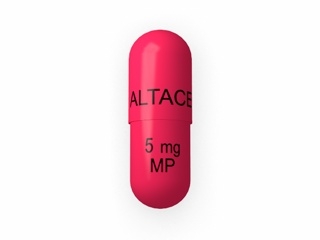
Altace is a brand of ramipril, a medicine commonly used to treat cardiovascular conditions. It belongs to a group of medicines called ACE inhibitors (angiotensin-converting enzyme inhibitors). Altace helps relax blood vessels, improve blood flow, and reduce strain on the heart.
This guide is designed to be clear and practical. It explains what Altace does, how it works, how it is typically taken, key food and medicine interactions, safety considerations, and where to find current Australian guidance.
Basic product information
- Medicine name: Altace (ramipril)
- Drug class: ACE inhibitor
- Available strengths: Commonly 1.25 mg, 2.5 mg, 5 mg, and 10 mg tablets (strength varies by product and schedule)
- How it’s taken: Usually by mouth, once or twice daily depending on the condition and clinician direction
- What it’s used for: Heart failure, post–heart attack management in selected patients, kidney protection in certain cases, and treatment of high blood pressure
How Altace works (mechanism of action)
Ramipril is an ACE inhibitor. In the body, it reduces the activity of the enzyme that helps produce angiotensin II, a substance that narrows blood vessels and increases blood pressure.
By lowering angiotensin II and related hormone effects, Altace typically:
- Relaxes blood vessels, helping reduce blood pressure
- Reduces the workload on the heart, which can be beneficial in heart failure
- May slow progression of kidney damage in appropriate patient groups (particularly when kidney disease relates to blood pressure or diabetes)
- Promotes a more favourable fluid and hormone balance in cardiovascular and kidney disease states
Pharmacokinetics (how the body handles ramipril)
While exact values can vary between individuals, the key practical points are:
- Absorption: Ramipril is absorbed after oral dosing, typically reaching peak concentration within a few hours.
- Conversion (activation): Ramipril is converted in the body to its active metabolite (ramiprilat), which is responsible for much of the ACE-inhibiting effect.
- Distribution: It circulates in the bloodstream and acts systemically (throughout the body).
- Elimination: Active drug and metabolites are removed mainly via the kidneys.
- Half-life: The drug and active effects persist long enough to support once- or twice-daily dosing depending on indication and patient factors.
- Kidney impairment considerations: Because elimination relies heavily on kidney function, dose adjustments or closer monitoring may be needed in people with reduced kidney function.
Typical uses in Australia
Altace is used for several cardiovascular and kidney-related indications. Common uses include:
- High blood pressure (hypertension): To help lower blood pressure and reduce cardiovascular risk.
- Heart failure: To improve outcomes and reduce symptoms in selected patients.
- After certain heart attacks: In patients who meet criteria where therapy may help reduce subsequent cardiovascular events.
- Chronic kidney disease: Especially where kidney disease is related to diabetes or other risk factors, and where ACE inhibition is appropriate.
- High cardiovascular risk without heart failure (selected patients): For risk reduction when clinically indicated.
Eligibility and suitability depend on your medical history, other medicines, blood pressure, kidney function, and potassium levels.
How to take Altace: timing and routine
Many people take ramipril at a consistent time each day. The exact schedule can vary based on your condition and how your prescriber plans to titrate the dose. The practical goal is to maintain steady control and reduce side effects.
Common timing tips
- Take it at the same time each day to help you remember and maintain steady effect.
- With or without food: Food may affect how quickly ramipril is absorbed, but it usually does not eliminate effectiveness.
- Watch for early-dose dizziness: If you feel lightheaded, consider taking your dose in the evening and rise slowly from sitting or lying positions.
- Do not double up if you miss a dose—follow your usual instructions from your healthcare professional.
Starting and dose adjustments
ACE inhibitors are often started at a lower dose and increased gradually (titration). This is done to balance effectiveness with safety—especially regarding blood pressure, kidney function, and potassium.
Food interactions and diet considerations
Food generally does not cause a dangerous interaction with ramipril. However, for comfort and consistency:
- Take with food if it upsets your stomach (some people find tolerability better with meals).
- Consistency matters: If you decide to take it with food, try to keep that routine.
Salt and hydration (important practical points)
Lifestyle can influence how you respond to ACE inhibitors:
- Moderate salt intake may help blood pressure control.
- Maintain hydration unless your clinician has restricted fluids.
- Be cautious with dehydration (e.g., vomiting/diarrhoea, excessive sweating), as it may increase the risk of kidney-related side effects and low blood pressure.
Alcohol interactions
Alcohol can enhance the blood-pressure-lowering effect of ramipril and may worsen dizziness or lightheadedness, particularly when starting or increasing dose.
General advice
- Limit alcohol and avoid “first-time” alcohol soon after dose changes.
- Stand up slowly to reduce the risk of falls.
- If you feel faint, stop drinking and speak to a healthcare professional promptly.
Medicine interactions (very important)
Several medicines can interact with Altace. Some interactions may increase the risk of low blood pressure, kidney impairment, or high potassium levels. Always review your medicines list with a healthcare professional or pharmacist.
High-alert interaction groups
| Medicines/Category | Why it matters | Typical practical outcome |
|---|---|---|
| Potassium supplements and salt substitutes containing potassium | ACE inhibitors can raise potassium | May lead to high potassium (hyperkalaemia); monitoring may be required |
| Potassium-sparing diuretics (e.g., spironolactone, eplerenone, amiloride, triamterene) | Can increase potassium further | Higher risk of hyperkalaemia; close blood tests may be needed |
| NSAIDs (e.g., ibuprofen, naproxen, diclofenac) and high-dose aspirin | May reduce kidney blood flow and affect kidney function | Risk of kidney impairment and reduced antihypertensive effect, especially in dehydration or older age |
| Other blood pressure medicines (e.g., beta-blockers, calcium channel blockers, ARBs) | May further lower blood pressure | Can be beneficial, but may cause excessive low blood pressure or dizziness |
| Diuretics (“water tablets”) especially when started or dose changed | Can contribute to volume depletion | Higher risk of dizziness/low blood pressure; clinicians may adjust timing or dose |
| Lithium | ACE inhibitors can raise lithium levels | Potential lithium toxicity; requires monitoring or avoidance |
| Immunosuppressants or other medicines affecting potassium/kidneys | May add to risk of electrolyte/kidney issues | Closer monitoring needed |
| Diabetes medicines (e.g., insulin, sulfonylureas) | ACE inhibitors may affect glucose regulation in some people | Watch for changes in blood sugar; may require adjustment |
If you take multiple medicines, keep a written or digital list and show it to your pharmacist. This is especially helpful when starting, stopping, or changing doses.
Indications: who Altace is intended for
In clinical practice, ramipril is used to treat:
- Hypertension: to reduce blood pressure and lower risk of cardiovascular events.
- Heart failure: to support better long-term outcomes.
- Post-myocardial infarction (selected situations): for patients with specific clinical profiles after a heart attack.
- Chronic kidney disease (selected situations): particularly when related to diabetes or certain patterns of kidney involvement.
- Reducing cardiovascular risk: in individuals with increased cardiovascular risk due to established disease or risk factors.
Your healthcare team will determine whether Altace is appropriate based on your individual diagnosis and overall health.
Dosing: general information and titration concepts
Dosing of ramipril varies widely based on the indication, blood pressure response, kidney function, and potassium levels. Because of safety concerns, doses are usually increased gradually rather than abruptly.
Important general points
- Start low, go slow: Many patients begin at a lower dose to reduce dizziness and monitor kidney function and electrolytes.
- Blood tests matter: Regular monitoring of kidney function (creatinine/eGFR) and potassium is commonly required.
- Lower doses may be needed in kidney impairment or if you’re at higher risk of low blood pressure.
- Combination therapy: Some people take ramipril alongside other medicines (e.g., diuretics or other antihypertensives) to achieve target control.
For exact dosing schedules by condition and strength, always follow the instructions provided with your medication and your healthcare professional’s advice.
Safety profile: what to know before and during treatment
Like all medicines, Altace can cause side effects. Many are mild and manageable, but some require urgent medical attention. The following sections provide patient-friendly guidance to help you recognise important symptoms early.
Common or expected side effects
- Dry cough (a classic ACE inhibitor side effect)
- Dizziness or lightheadedness, especially when standing up
- Headache
- Fatigue
- Nausea or mild stomach discomfort
Important risks (seek medical advice promptly)
- Low blood pressure (hypotension): symptoms include fainting, severe dizziness, blurred vision, weakness.
- High potassium (hyperkalaemia): may cause muscle weakness, palpitations, or symptoms can be subtle; blood tests are the main way to detect it.
- Kidney function changes: may show up in blood tests; possible symptoms include reduced urine output or feeling unwell.
- Angioedema (rare but serious): swelling of face, lips, tongue, or throat, breathing difficulty, or severe trouble swallowing requires urgent emergency care.
Who should take extra care
- Older adults or anyone with a history of falls or frequent dizziness
- People with kidney impairment
- People with diabetes (higher monitoring needs for kidney function and potassium)
- Those with low blood pressure or volume depletion (e.g., dehydration)
- People taking medicines that affect potassium or kidney function (see interactions)
Monitoring during treatment
Clinicians commonly monitor:
- Blood pressure (at home if appropriate)
- Blood tests: kidney function and potassium, especially after starting and after dose increases
- Symptoms: dizziness, cough, swelling, unusual fatigue or weakness
Practical use tips (patient-friendly)
- Track your blood pressure: If you have a home monitor, measure at consistent times and note readings (bring them to appointments).
- Be cautious when rising: Move slowly from lying or sitting positions to reduce dizziness.
- Recognise dehydration early: If you have vomiting or diarrhoea, your clinician may advise temporary measures. Seek medical advice early rather than waiting.
- Don’t use potassium salt substitutes unless your healthcare professional has specifically approved them.
- Managing cough: A persistent dry cough can occur with ACE inhibitors. If it bothers you, discuss alternatives with your pharmacist or doctor.
- Keep appointments for blood tests after dose changes—this is a key safety step.
Missed dose and what to do
If you miss a dose, take it when you remember unless it is close to the time of your next dose. Avoid doubling up. If you are unsure, contact a pharmacist for advice.
Alternative options (if ramipril isn’t suitable)
Depending on the reason for treatment and your health profile, other medication classes may be considered. Options your healthcare team may discuss include:
- ARBs (angiotensin receptor blockers): similar benefits to ACE inhibitors for blood pressure and kidney protection, but typically less likely to cause cough.
- Other antihypertensives: such as calcium channel blockers, thiazide-like diuretics, beta-blockers, depending on your diagnosis.
- Heart failure-specific regimens: may include additional therapies tailored to your condition and tolerance.
Switching medicines should be done under medical guidance because dose conversion and monitoring requirements can differ.
Market and legal context for Australia
In Australia, medicines are regulated under the TGA (Therapeutic Goods Administration) and must meet quality and safety requirements. Pharmacy medicines are dispensed under Australia’s medicines classification system, which can require a prescriber assessment depending on the product category.
Pharmacy suppliers and online retailers typically follow Australian rules for:
- Verified identity and eligibility for the medication supplied
- Compliance with dispensing and supply requirements
- Labelling and consumer medicine information to support safe use
- Storage and transport conditions where applicable
Recent guidance and clinical updates (what to expect)
Clinical guidance for ACE inhibitors often emphasises:
- Regular monitoring of kidney function and potassium after initiation and dose changes
- Blood pressure targets tailored to individual risk and tolerability
- Caution with dehydration and kidney risk during intercurrent illness
- Recognising ACE inhibitor adverse effects early (e.g., cough, angioedema)
- Medication reconciliation to avoid high-risk combinations, including NSAIDs and potassium-increasing products
For the latest national recommendations and safety updates, consult sources such as the Australian Prescriber, Therapeutic Guidelines, or information provided by your healthcare professional.
Delivery and availability
Altace (ramipril) may be available through pharmacies and authorised online dispensaries in Australia depending on stock, strength, and supply processes. Delivery practices vary by provider, but reputable services typically include:
- Secure packaging to protect tablets
- Tracking and order status updates
- Compliance checks to ensure safe dispensing
- Clear labelling including dose and usage instructions
Availability can differ by tablet strength (e.g., 1.25 mg vs 10 mg). If your requested strength is temporarily out of stock, some suppliers may offer alternatives (where clinically appropriate) or estimated restocking timelines.
FAQ — Common questions about Altace (ramipril)
1) Is Altace the same as ramipril?
Yes. Altace is a brand name that contains ramipril. Other brands may contain the same active ingredient.
2) How quickly will it start working?
Blood pressure effects may begin soon after dosing, but the full benefit—especially for heart and kidney protection—develops over time. Your clinician may monitor your response during the first weeks and adjust the dose gradually if needed.
3) Can I take Altace with food?
In general, you can take ramipril with or without food. If you notice stomach discomfort, taking it with meals may help. Try to keep your routine consistent.
4) Does Altace cause a cough?
A dry, persistent cough is a known ACE inhibitor side effect. If the cough is troublesome, discuss it with a pharmacist or doctor. Sometimes a different medicine class may be considered.
5) What should I avoid while taking Altace?
Avoid or be cautious with medicines that can raise potassium or affect kidney function unless your healthcare professional has advised it. Examples include potassium supplements/salt substitutes, potassium-sparing diuretics, and some NSAIDs (like ibuprofen) taken regularly. Also, limit alcohol because it may worsen dizziness.
6) Are there foods that interact with Altace?
No specific foods are typically “forbidden,” but very high potassium intake from supplements or salt substitutes containing potassium should be avoided unless approved. Maintaining a balanced diet and hydration is important.
7) What happens if I miss a dose?
Take it when you remember unless it is close to your next scheduled dose. Do not double up. If you’re uncertain, seek advice from a pharmacist.
8) When should I seek urgent help?
Seek urgent medical care if you develop signs of angioedema (swelling of face, lips, tongue, or throat), trouble breathing, or severe allergic-type symptoms. Also seek urgent advice for severe dizziness, fainting, or symptoms suggesting serious complications.
9) Can I drink alcohol?
Light to moderate alcohol may be possible for some people, but alcohol can increase dizziness and lower blood pressure. Be careful, especially at the start of treatment or after dose changes.
10) What are my options if ramipril isn’t tolerated?
Options may include changing the dose, adjusting other medicines, or switching to another medicine class such as an ARB if appropriate. Your clinician can guide the safest approach.
Quick summary
Altace (ramipril) is an ACE inhibitor used to treat high blood pressure, heart failure, and selected cases of post-heart attack care and kidney protection. It works by relaxing blood vessels and improving cardiovascular and kidney outcomes. Safety depends on monitoring blood pressure, kidney function, and potassium, and avoiding high-risk medicine combinations.
If you have questions about whether Altace is suitable for you or how it interacts with other medicines you take, speak with a pharmacist or healthcare professional. Always use the product exactly as directed on the packaging and accompanying consumer information.