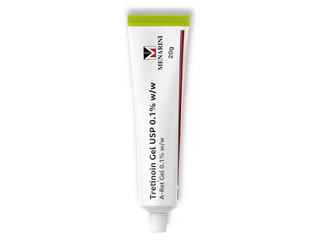
A-Ret (Tretinoin) – Patient Information
A-Ret contains tretinoin, a form of vitamin A used in dermatology for acne and certain skin conditions. This page explains how A-Ret works, how to use it safely, what to expect during treatment, and important precautions—written for people in Australia.
Always follow the product instructions provided by your healthcare professional and the label on your medicine. If you are unsure about suitability for your skin type or condition, speak with a pharmacist or doctor.
Key product information
- Active ingredient: Tretinoin
- Brand example: A-Ret
- What it’s used for: Acne (including comedonal acne) and related skin conditions
- How it works: Helps normalise skin cell turnover and reduce clogging of pores
- Common forms: Topical cream or gel (strengths vary—check your pack)
Tretinoin is also known as all-trans-retinoic acid. The strength and vehicle (cream/gel) affect how it feels on the skin and how quickly you may see results.
Mechanism of action (how A-Ret works)
Tretinoin is a topical retinoid. It works mainly by influencing how skin cells behave:
- Normalises keratinisation: It helps prevent the build-up of dead skin cells inside pores.
- Reduces comedones: By promoting more regular shedding of the upper skin layer, it can help open blocked follicles.
- Anti-inflammatory effects: Tretinoin can reduce certain inflammatory processes involved in acne.
- Improves skin texture over time: With consistent use, many people notice smoother skin.
Importantly, tretinoin is not an immediate “pimple eraser.” It reshapes what happens inside the pore over weeks.
Pharmacokinetics (what happens in the body)
Tretinoin is used on the skin. After topical application:
- Absorption: Only a small amount is typically absorbed through intact skin.
- Distribution and metabolism: Any absorbed tretinoin is metabolised by the body’s normal processes.
- Elimination: Metabolites are eliminated mainly through normal body pathways.
Because systemic absorption from topical use is generally low, tretinoin is usually associated with local skin effects rather than whole-body effects. However, avoid applying to large areas or using more than recommended, as irritation can increase and absorption may rise.
Typical use and timing
What it’s commonly used for
Tretinoin is used for acne, particularly:
- Comedonal acne (blackheads and whiteheads)
- Acne with mild to moderate inflammatory lesions (red pimples)
Your healthcare professional may also use topical tretinoin for other dermatological indications. Always use it only as directed for your condition.
When to apply it
- Once daily at first is common (e.g., in the evening).
- Many people apply it at night because tretinoin can increase skin sensitivity to sunlight.
- With better tolerance, the frequency may be increased (as advised).
If you’re starting tretinoin and your skin is easily irritated, a “slow start” helps. See the Practical use tips section below for a patient-friendly routine.
How quickly will it work?
Results typically develop gradually:
- First 1–4 weeks: You may notice dryness, redness, or mild irritation. Some people also experience a temporary flare-up (“retinisation” or acne purging) as clogged pores begin to clear.
- 4–8 weeks: Reduced clogged pores and fewer new spots may begin to appear.
- 8–12 weeks (sometimes longer): More noticeable improvement in acne and skin texture.
Consistency matters. Missing doses or stopping early can reduce effectiveness. If irritation becomes severe, pause and seek advice rather than simply pushing through discomfort.
Indications (when it may be appropriate)
A-Ret (tretinoin) is indicated for:
- Acne vulgaris—especially comedonal acne
- Other retinoid-responsive skin conditions as determined by a clinician
Suitability depends on your skin condition, history of sensitivity, and what other skincare or medicines you use.
Dosing and application (patient-friendly guidance)
Dosing can vary by strength, skin sensitivity, and the specific formulation (cream vs gel). Use the approach below unless your healthcare professional has told you otherwise.
General dosing principles
- Amount: Use a pea-sized amount for the whole face (unless your clinician advised otherwise).
- Coverage: Apply a thin layer to the entire affected area, not only individual spots, to reduce future clogging.
- Frequency: Often started once daily, then adjusted based on tolerance.
- Hairline/eyes/lips: Avoid the corners of the nose, eyes, eyelids, and mouth.
Step-by-step application routine
- Cleanse: Wash gently with a mild cleanser. Pat dry—skin should be dry before applying tretinoin.
- Wait briefly: Many people wait 10–20 minutes after washing to reduce stinging.
- Apply: Spread thinly over clean, dry skin. Use less than you think—more is not better.
- Moisturise: If needed, apply a moisturiser after (or consider “sandwiching” as described below).
- Hands: Wash your hands after application.
“Sandwich” method (to improve tolerability)
If you experience dryness or irritation, a common strategy is:
- Apply a moisturiser to clean, dry skin
- Then apply a thin layer of A-Ret
- Follow with moisturiser again
This can help reduce irritation while you build tolerance.
Food interactions
Because A-Ret is applied to the skin, food interactions are generally not expected. However, you should:
- Avoid taking other vitamin A–containing supplements at high doses unless advised.
- Follow your overall medical advice for diet and supplements.
If you use oral acne medications or high-dose vitamin products, discuss this with your pharmacist or doctor.
Alcohol and medicine interactions
Alcohol
Topical tretinoin does not typically have a direct interaction with alcohol. However:
- Skin irritation: Alcohol-based skincare products (e.g., certain toners) may worsen dryness or burning.
- Oral retinoids: If you are on systemic retinoid therapy, extra caution is needed—seek professional advice.
Medicine interactions (including topical products)
Interactions are more likely with other skin-irritating topical medicines than with swallowed medicines. Using multiple active products together can significantly increase dryness and redness.
- Other topical irritants: Avoid combining with strong peeling agents unless directed (e.g., some exfoliating acids).
- Topical keratolytics: Products containing benzoyl peroxide, salicylic acid, or resorcinol may be used by some people, but timing and frequency adjustments can reduce irritation.
- Oral acne treatments: If using other acne therapies, consult your clinician/pharmacist about compatibility.
- Photo-sensitising products: Some products increase light sensitivity. Keep an eye on irritation and sun exposure.
If you’re uncertain, ask your pharmacist whether your other acne or anti-ageing products are likely to irritate when used with tretinoin.
Safety profile and side effects
Common side effects (usually local)
The most frequent effects are skin-related, especially during the first few weeks:
- Dryness (flaking, tightness)
- Redness (erythema)
- Burning or stinging sensation
- Peeling
- Itching
- Skin sensitivity
Less common but important reactions
- Severe irritation or worsening rash
- Swelling or blistering
- Allergic-type reactions (uncommon)
When to seek urgent help
Contact a healthcare professional urgently if you develop signs of a serious reaction such as:
- Severe facial swelling
- Breathing difficulty
- Widespread blistering or intense skin pain
Pregnancy and breastfeeding considerations
Retinoids are widely discussed in relation to pregnancy. If you are pregnant, planning pregnancy, or breastfeeding, discuss tretinoin suitability with a healthcare professional before use.
Practical use tips (to reduce irritation and improve results)
- Start slowly: Try once every second night for 1–2 weeks if you’re sensitive, then move to nightly if tolerated.
- Use the right cleanser: Choose gentle, fragrance-free cleansers. Avoid harsh scrubbing.
- Moisturise: Use a non-comedogenic moisturiser. Consider sandwiching.
- Sun protection is essential: Use broad-spectrum sunscreen (SPF 30+). Wear hats and limit midday sun.
- Avoid weather extremes: Wind and cold can worsen dryness.
- Don’t overuse: More frequent or thicker applications can increase irritation without improving results.
- Avoid “stacking” actives at first: Delay other strong acne treatments (exfoliants, retinoids, strong acids) until your skin adapts.
- Be patient: Improvement often takes 8–12 weeks.
What about “acne purging”?
Some people experience temporary worsening early in treatment as pores start to clear. This can occur during the first few weeks. If irritation is mild, continuing with a reduced frequency and moisturising often helps. If the reaction is intense or persistent, seek advice.
Food and lifestyle considerations
No specific dietary changes are required with topical tretinoin. However:
- If you take vitamin A supplements or multivitamins containing high doses, discuss this with your pharmacist/doctor.
- Hydration and gentle skin care can support tolerance.
- A consistent routine (cleansing, moisturising, sunscreen) improves comfort and adherence.
Alternative options
Depending on your acne type and sensitivity, your clinician may suggest alternatives such as:
- Other topical retinoids: e.g., adapalene or tazarotene (availability and suitability vary).
- Benzoyl peroxide: Useful for inflammatory acne and can complement retinoids with proper timing.
- Topical antibiotics: Usually short-term, combined with other agents to reduce resistance.
- Salicylic acid (beta-hydroxy acid): Helps exfoliate and unclog pores.
- Azelaic acid: Can help with acne and redness in sensitive skin.
- Oral treatments: For moderate to severe acne, options may include oral antibiotics or hormonal therapies.
The “best” option depends on acne severity, skin sensitivity, and your ability to maintain a gentle routine.
Australia: market and legal context (patient overview)
In Australia, topical tretinoin products such as A-Ret are regulated medicines. Availability and supply may depend on the specific formulation, strength, and the current regulatory scheduling.
- Medicines regulations: Australian medicines are regulated by the Therapeutic Goods Administration (TGA).
- Pharmacy supply: Many retinoid products are supplied through pharmacies and may require advice to ensure safe use.
- Online pharmacy delivery: Reputable Australian online pharmacies typically verify suitability and provide product information with delivery Australia-wide where permitted.
For the most accurate information about whether A-Ret is restricted, ask your online pharmacy about supply requirements for your exact product strength and form.
Recent guidance and practical updates (general)
Over recent years, dermatology guidance has consistently emphasised:
- Gradual introduction of retinoids to reduce irritation.
- Consistent sunscreen use because retinoids can increase sensitivity to sunlight.
- Combination strategies (when appropriate) to treat both clogged pores and inflamed lesions.
- Minimising unnecessary irritation by avoiding excessive exfoliation and harsh cleansers.
If you experience significant side effects, clinicians often recommend adjusting frequency, using moisturisers, or temporarily pausing treatment while your skin settles.
Delivery and availability (Australia)
Online pharmacies in Australia may offer A-Ret delivery to metropolitan and regional locations. Availability can vary by:
- Strength and formulation (cream vs gel)
- Current stock levels
- Seasonal demand
When ordering, check:
- That the product matches the exact strength you intend to use.
- Delivery estimates and any restrictions in your region.
- Whether the pharmacy offers after-order support (e.g., advice on usage and compatibility with your routine).
Store the medicine as directed on the pack—usually at controlled room temperature and away from heat or direct sunlight. Keep it out of reach of children.
FAQ – Frequently asked questions
1) Is A-Ret the same as retinol?
No. Retinol is a milder cosmetic ingredient found in many skincare products and converts to active forms in the skin. Tretinoin is a stronger prescription-strength retinoid (active form) with a different effect profile. Using tretinoin requires careful tolerance building.
2) Can I use A-Ret on my entire face?
Often, yes—when treating acne. Many dermatology regimens apply a thin layer to the affected areas rather than only individual spots. This helps prevent new comedones. Avoid eyes, eyelids, corners of the nose, and lips.
3) Why does my skin burn or sting?
Burning/stinging is commonly due to irritation, especially when the skin is dry, over-applied, or applied immediately after washing. Try:
- Wait for skin to dry after cleansing
- Reduce frequency
- Use moisturisers and the “sandwich” method
- Avoid other irritants temporarily
4) How long will purging last?
If it occurs, early worsening usually improves as treatment continues over several weeks. Most people see clearer improvement by 8–12 weeks. If redness is severe or worsening continues beyond the early period, seek advice.
5) Can I combine A-Ret with moisturiser?
Yes. In fact, moisturiser helps reduce dryness and improves comfort. If your skin is sensitive, consider applying moisturiser before and/or after tretinoin.
6) Can I use sunscreen with A-Ret?
Yes, and it’s strongly recommended. Use a broad-spectrum sunscreen SPF 30+ daily, especially during the day. Sun exposure can worsen irritation and post-acne marks.
7) Should I avoid swimming or workouts?
Exercise is generally fine. However, sweat and friction can irritate compromised skin. If you notice increased irritation, adjust the routine—e.g., ensure the skin is well moisturised and avoid applying tretinoin right before intense heat/saunas.
8) What if I miss a dose?
Apply it at your next scheduled time. Do not double up to catch up.
9) Can I use A-Ret with benzoyl peroxide?
Some people use them together as part of acne treatment, but it can increase irritation. If you’re combining products, consult a pharmacist/doctor and consider alternating nights or using a moisturiser strategy.
10) Who should be extra cautious?
Extra caution is recommended if you:
- Have eczema or very sensitive skin
- Have a history of strong irritation with topical actives
- Are pregnant, planning pregnancy, or breastfeeding
- Use other potentially irritating skin products
Summary
A-Ret (tretinoin) helps treat acne by normalising skin cell turnover and reducing pore clogging. With consistent use and a gentle skincare routine, many people improve within 8–12 weeks. Because tretinoin can cause dryness and irritation—especially at the start—begin gradually, moisturise regularly, and protect your skin from the sun.
If you have questions about how to use A-Ret with your existing skincare routine or other medicines, a pharmacist can help you choose a safe, tolerable plan.