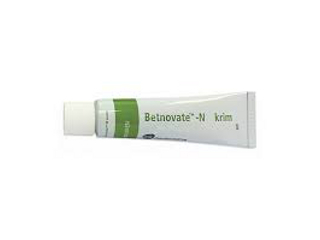
Betamethasone Valerate (Cream / Ointment) — Patient Information (Australia)
Betamethasone valerate is a corticosteroid medicine used to relieve inflammation and itching in a range of skin conditions. It is available in topical forms such as creams and ointments, and it works by reducing swelling, redness, and irritation in the treated area.
This information is designed to help you understand how betamethasone valerate works, how to use it safely, what to expect, and when to seek further advice from a healthcare professional.
Basic product information
| Category | Details |
|---|---|
| Medicine name | Betamethasone valerate |
| Type | Topical corticosteroid (anti-inflammatory) |
| Common forms | Cream and ointment (strengths vary by brand; often 0.05%) |
| Main benefit | Reduces inflammation, redness, itch, and irritation |
| Who it’s for | Adults and children (age and suitability depend on strength, site of use, and product directions) |
| Where used | Skin only (external use) |
Note: Brand strengths and formulations can differ. Always follow the instructions on your specific product label or the directions provided by a pharmacist or prescriber.
How betamethasone valerate works (mechanism of action)
Betamethasone valerate belongs to the group of medicines called topical corticosteroids. When applied to the skin, it penetrates the outer layers and helps suppress parts of the immune response involved in skin inflammation.
- Reduces inflammation by decreasing inflammatory chemical signals in the skin.
- Relieves redness and swelling associated with flare-ups.
- Helieves itching and discomfort linked to inflammatory skin conditions.
- Slows abnormal skin reactions that cause thickening, irritation, and scaling in some conditions.
Because it acts locally, the goal is to treat symptoms at the site of inflammation while using the lowest effective amount for the shortest possible time.
Pharmacokinetics (how the body handles it)
Topical corticosteroids are absorbed through the skin to varying degrees depending on multiple factors.
- Skin absorption varies: absorption is generally higher when applied to thin or damaged skin, areas with folds, or large surface areas.
- Ointments may absorb differently than creams due to base differences.
- Systemic absorption (entry into the bloodstream) is usually limited when used as directed, but can increase with:
- Long-term use
- Use on large areas
- Use under occlusion (e.g., tight dressings or plastic coverings)
- Application to broken skin or severe inflammation
- Metabolism and elimination: if absorbed, corticosteroids are metabolised mainly in the liver and excreted via the kidneys.
Clinically, this means that most people experience local skin benefit, but overuse or incorrect use can increase the risk of steroid-related side effects.
Typical uses (indications)
Betamethasone valerate is used for inflammatory skin conditions that respond to corticosteroids. Common indications include:
- Eczema (dermatitis) including inflammatory flare-ups
- Allergic or contact dermatitis where a steroid is appropriate
- Psoriasis in certain forms and locations (as advised by a healthcare professional)
- Inflammatory skin reactions causing itch, redness, and scaling
Important: Steroid creams are not suitable for all rashes. Some skin infections and conditions may worsen when steroids are used alone. If you have a rash that looks infected (e.g., oozing, honey-coloured crusts, severe pain, or widespread rapidly spreading redness), seek advice promptly.
When to start seeing results and timing
Many people notice symptom relief within a few days, such as reduced redness and itching. However, healing can take longer depending on the condition, severity, and how consistently the medicine is used.
- First improvements: often within 2–3 days
- More settled skin: typically within 1–2 weeks
- If no improvement: seek medical advice if symptoms do not improve after a reasonable trial or if they worsen.
Do not use it longer than the course described on your product label unless a healthcare professional advises otherwise.
Dosing guidance (how much and how often)
Exact dosing depends on the product strength, formulation (cream vs ointment), the body area, age, and severity. Use the directions on your package or as advised by a healthcare professional.
Practical dosing principles commonly used for topical steroids include:
- Apply a thin layer to the affected skin.
- Use frequency consistent with the product label (often once or twice daily).
- Stop when symptoms are controlled and avoid continuous long-term use.
- Avoid large area application unless directed.
- Wash hands after use, unless hands are the treated area.
Finger-tip unit (FTU) method (common in Australia): A typical way to estimate topical quantities is the “finger-tip unit,” which is about the amount of cream/ointment squeezed from a standard tube along an adult’s index finger to the tip. This FTU can cover approximately an area of skin about the size of two adult palms. Your pharmacist may guide you on appropriate amounts.
Children: Topical steroids in children should be used with extra caution and usually with specialist guidance, especially for face, groin, and under occlusion.
How to use betamethasone valerate correctly (practical use tips)
- Clean and dry the skin before applying.
- Apply to only the affected areas.
- Gently rub in until the layer is thin and even.
- Moisturise smartly: use emollients regularly (often on non-steroid times) to support skin barrier healing.
- Avoid occlusion unless specifically advised. Tight bandages, plastic coverings, or occlusive dressings can increase absorption and risk.
- Do not apply to eyes, eyelids, or inside the mouth.
- If treatment causes burning, worsening irritation, or rash that doesn’t settle, stop and seek advice.
Hygiene: Replace caps securely, store at recommended temperatures, and check expiry dates.
Food interactions
Betamethasone valerate is applied to the skin and is not generally expected to interact with food. However, if systemic absorption occurs (for example, with overuse or under occlusion), steroid-related effects could theoretically influence how the body responds to certain conditions.
Practical takeaway: There are typically no specific food restrictions with topical betamethasone valerate.
Alcohol and medicine interactions
Topical betamethasone valerate is unlikely to have direct interactions with alcohol because systemic levels are usually low when used as directed.
- Alcohol: Generally no direct interaction is expected. However, avoid excessive alcohol if you are unwell, and consider that alcohol can worsen dehydration and skin irritation in some people.
- Other medicines: Tell your pharmacist or healthcare provider about other topical products you use (e.g., other steroid creams, antifungals, salicylic acid products). Using multiple products on the same area can alter skin irritation and absorption.
- Infection risk: If an area may be fungal or bacterial, the wrong combination can delay healing. Steroids may reduce visible symptoms of infection.
Key advice: Do not combine with other strong topical agents on the same area unless advised.
Safety profile and side effects
Like all medicines, betamethasone valerate can cause side effects. Many people tolerate it well when used correctly.
Common local side effects
- Skin irritation, burning, or stinging
- Redness or worsening of the rash
- Dryness or skin tightness
- Folliculitis (inflammation of hair follicles)
Less common but important risks
- Skin thinning (atrophy), especially with prolonged use
- Stretch marks (striae)
- Visible blood vessels near the skin surface
- Changes in skin colour (lightening or darkening)
- Perioral dermatitis or acne-like eruptions (more likely on the face)
- Systemic effects are uncommon when used short-term on limited areas, but risk increases with overuse, large-area application, prolonged therapy, and occlusion.
When to seek urgent advice
Stop using the product and seek medical advice promptly if you experience:
- Signs of a serious skin reaction (swelling, hives, blistering)
- Severe worsening of redness, pain, or rapid spread
- Signs of infection (pus, spreading warmth, fever, honey-coloured crusts)
- Ocular symptoms if accidentally applied near the eye (pain, blurred vision)
Who should use extra caution
- Children, particularly for facial or groin application
- Pregnancy and breastfeeding: topical steroids may be used when needed, but generally should be used cautiously and for limited duration and area—discuss with a healthcare professional.
- People with known allergy to corticosteroids or product ingredients
- Anyone with skin infections unless an appropriate infection treatment is also in place
Indications and suitability: choosing the right situation
Betamethasone valerate can be appropriate for inflammatory, steroid-responsive skin conditions. It may not be suitable when the rash is due to:
- Fungal infections (e.g., ringworm/tinea), which can worsen with steroid-only treatment
- Viral skin infections (e.g., herpes simplex)
- Untreated bacterial infections
- Acne and rosacea (steroids can aggravate these)
If you’re unsure what condition you’re treating, consider speaking with a pharmacist or doctor for guidance—using the wrong product can delay recovery.
Recent guidance and safe-use reminders (Australia-focused)
Across Australia, topical corticosteroids are widely used, and local clinical practice emphasises:
- Use the lowest effective potency and shortest effective duration
- Avoid occlusion unless medically advised
- Be cautious on sensitive areas (face, eyelids, groin, underarms) where absorption is higher
- Regular emollient use to reduce flare frequency and steroid requirements
- Review if not improving to ensure diagnosis is correct and no infection is present
If you’re using betamethasone valerate repeatedly for recurring flares, you may benefit from a long-term skin management plan (often involving moisturisers, trigger reduction, and a structured approach to steroid “step-down” or intermittent use).
Delivery and availability in Australia
Betamethasone valerate topical preparations may be available through pharmacies and other regulated channels depending on brand and strength. Online pharmacy availability can vary by formulation and whether the product is listed for supply to eligible customers.
Delivery: When ordering online, delivery timing depends on your location and the shipping method offered by the pharmacy. Many reputable Australian online pharmacies provide options such as standard and express delivery.
What to check before ordering:
- Correct product strength (e.g., 0.05%) and formulation (cream vs ointment)
- Expiry date
- Packaging and patient information leaflet
- Storage instructions
Availability: If a specific strength or pack size is out of stock, a pharmacy may offer an alternative equivalent corticosteroid preparation or advise when it will return.
Alternative options
The “best” alternative depends on the skin condition, location, severity, and previous response to treatment. Possible alternatives may include:
- Different potency topical corticosteroids (lower potency for sensitive areas or milder disease)
- Non-steroid anti-inflammatory treatments such as topical calcineurin inhibitors (often used for eczema, particularly on face/groin in some cases—availability and appropriateness vary)
- Emollients and skin barrier repairs as foundation therapy for eczema/dermatitis
- Antifungal creams if a fungal infection is present (often required when rash appears fungal)
- For specific conditions: treatments may differ for psoriasis compared with eczema
If your rash keeps returning, ask a pharmacist or clinician about a personalised plan to reduce flare-ups and minimise steroid exposure.
Alcohol and lifestyle considerations for skin conditions
While betamethasone valerate does not typically interact with alcohol, skin conditions such as eczema and dermatitis can be affected by lifestyle factors.
- Hydration: keep skin moisturised; drink adequate water.
- Triggers: identify triggers such as stress, irritant soaps, fragrances, heat, sweating, and harsh detergents.
- Bathing habits: short, lukewarm showers and fragrance-free cleansers can reduce irritation.
- Clothing: breathable fabrics (e.g., cotton) can reduce friction and sweating.
Frequently Asked Questions (FAQ)
1) Is betamethasone valerate safe to use?
When used as directed (correct amount, short duration, limited area, and not on sensitive sites unless advised), topical betamethasone valerate is generally well tolerated. Risks increase with overuse or prolonged use, occlusion, or application to large areas—especially in children.
2) Where should I apply it?
Apply to the affected skin only. Avoid eyes, mouth, and broken/infected-looking areas unless you have received specific advice. For sensitive areas (face, eyelids, groin), use extra caution and follow medical/pharmacist instructions.
3) How long should I use it?
Use for the shortest time that controls symptoms, as described on the product label or by a pharmacist/health professional. If symptoms do not improve after a reasonable period, you should seek reassessment to confirm the diagnosis and rule out infection.
4) Can I cover the treated area with a bandage?
Generally, avoid occlusion such as tight bandaging or plastic coverings unless specifically instructed. Occlusion can increase absorption and side effects.
5) What if my rash gets worse after starting?
Stop using the cream and seek advice promptly. Worsening can indicate incorrect diagnosis (for example, an infection) or sensitivity to ingredients.
6) Can I use moisturisers with betamethasone valerate?
Yes. Emollients are often recommended to support the skin barrier. Many people apply moisturiser on non-steroid times, or as advised by a pharmacist. Apply steroid first if used at the same time, and allow time for it to absorb before applying moisturiser.
7) Does it interact with other medicines I take?
Because absorption is usually limited, major systemic interactions are uncommon. However, tell your healthcare professional about all medicines you use—especially if you use other topical steroids or products on the same area.
8) Can I drink alcohol while using it?
There is typically no direct interaction between topical betamethasone valerate and alcohol. If you notice your skin condition flares after alcohol, consider reducing intake and discussing it with a pharmacist.
9) What should I do if I accidentally get it in my eye?
Rinse the eye thoroughly with water and seek medical advice if irritation persists.
10) Are there safer options for long-term eczema control?
Long-term control often involves moisturisers, avoiding triggers, and using anti-inflammatory treatment strategies that minimise steroid exposure. Depending on your condition and site, a clinician may recommend non-steroid alternatives or a step-down plan.
Summary
Betamethasone valerate is a topical corticosteroid used to reduce inflammation, redness, and itching in steroid-responsive skin conditions. It works by dampening inflammatory immune activity in the skin. Most people benefit when used correctly—thin layer, affected areas only, short duration, and careful avoidance of occlusion—while risks increase with overuse, prolonged treatment, and application to sensitive or large body areas.
If you are unsure whether your rash is appropriate for steroid treatment, if symptoms persist, or if you suspect infection, seek advice from a pharmacist or healthcare professional.