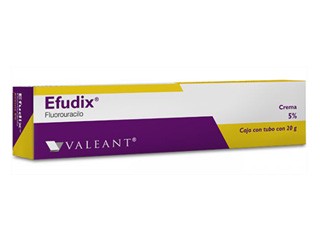


Fluorouracil (5‑FU) — Patient Information (Australia)
Fluorouracil (commonly called 5‑FU) is a chemotherapy medicine used to treat certain cancers. It works by interfering with how rapidly dividing cancer cells grow and reproduce. This page explains what Fluorouracil is, how it works, how the body processes it, typical uses and timing, important food and medicine interactions, safety considerations, and practical tips to help you understand treatment.
Brand names, strengths and presentation can vary by manufacturer and prescriber requirements. This information is general and may not cover every situation.
Basic product information
| Category | Details |
|---|---|
| Generic name | Fluorouracil (5‑FU) |
| What it is | Chemotherapy medicine |
| Common routes | Intravenous (IV) infusion/injection; sometimes topical forms exist depending on product |
| How it’s used | Often combined with other cancer medicines and given in treatment cycles |
| Storage | Depends on the specific product—follow package instructions and pharmacy directions |
If you are unsure which form you have (for example, IV versus topical), check the packaging or ask your pharmacist.
Mechanism of action (how Fluorouracil works)
Fluorouracil is an anti-metabolite chemotherapy drug. It is converted inside cells into active substances that disrupt DNA and RNA formation. In simple terms, it:
- Blocks synthesis of DNA needed for cell division.
- Interferes with RNA, affecting how proteins are made.
- Targets tissues where cells divide quickly—this is why cancer cells are affected, but why healthy rapidly dividing cells (like those in the gut and skin) may also be affected.
Different tumour types respond in different ways, and outcomes depend on the treatment regimen, dose, schedule, and overall health.
Pharmacokinetics (how the body processes it)
Pharmacokinetics describes what the body does to a medicine. With Fluorouracil, important points include:
- Absorption and distribution: For IV formulations, the medicine enters the bloodstream directly. For topical preparations (where applicable), absorption is generally lower and more local, but it still requires caution for side effects.
- Metabolism: Fluorouracil is metabolised mainly in the liver (and other tissues) by enzymes that break it down.
- Elimination: The drug and its metabolites are cleared from the body primarily through the kidneys.
- Influence of enzyme activity: Variations in metabolic enzymes can affect effectiveness and side effect risk. Some medications can also change how Fluorouracil is broken down.
Clinical implication: Dosing schedules are designed to balance treatment effectiveness with safety. If kidney or liver function changes, your oncology team may adjust treatment timing or dose.
Typical uses and indications
Fluorouracil is used for a range of cancers, often as part of combination therapy. Common indications include:
- Colorectal cancer (including as part of regimens such as FOLFOX, FOLFIRI or other combinations depending on stage and situation)
- Gastrointestinal cancers, including cancers of the stomach and pancreas in certain combinations
- Head and neck cancers in some regimens
- Skin conditions (for topical fluorouracil products used for certain actinic keratoses; availability depends on formulation and local practice)
Your clinician will select Fluorouracil based on cancer type, stage, previous treatment, genetic factors, other medicines you may be taking, and your overall fitness.
How timing works: treatment cycles and practical scheduling
Cancer chemotherapy is commonly given in cycles. A cycle typically includes a period where Fluorouracil is administered, followed by time for recovery. The exact schedule depends on the regimen and the form of Fluorouracil.
Common timing concepts:
- Day-to-day routine: Some protocols involve infusions on specific days (for example, every week or every two weeks), while others involve multiple-day administration within one cycle.
- Monitoring days: Blood tests may be done before each cycle and sometimes during the cycle to monitor blood counts and liver function.
- Recovery window: Many side effects relate to the speed at which your normal cells recover. Clinicians schedule rest periods to reduce risk.
Tip: Keep a calendar of treatment dates, blood test days, and any supportive medicine schedules. If you miss an appointment or infusion time, contact your treatment team promptly for instructions.
Dosing overview (general information)
Dose is individualised. It may be based on:
- Body surface area (BSA) (for many IV cancer regimens)
- Blood test results (neutrophils, platelets, liver function markers)
- Age, performance status, and previous treatment tolerance
- Interaction with other medicines
Because dosing differs substantially by diagnosis and regimen, dosing instructions should come from your oncology team. Do not adjust the dose or change infusion schedule without medical guidance.
Safety note: Fluorouracil has a narrow margin between effective and harmful effects. Close monitoring is essential.
Food interactions
Fluorouracil is not generally described as having strong direct food restrictions for IV chemotherapy. However, nutrition and side effects such as nausea, vomiting, diarrhoea, mouth sores, and appetite changes can make food timing and choices important.
Practical eating guidance during treatment:
- Small, frequent meals may be easier if appetite is reduced.
- Hydration matters—especially if you have diarrhoea or vomiting.
- If you have mouth sores, choose soft, bland foods and avoid spicy or acidic foods that may sting.
- If you have diarrhoea, your clinician may recommend specific dietary adjustments and anti-diarrhoeal medicines.
Topical products (where applicable): Food interactions are usually less of an issue because systemic absorption is typically lower. Still, overall side effects can occur, and you should follow your product instructions and clinician advice.
Alcohol interactions and precautions
Alcohol is not universally prohibited with Fluorouracil, but it can worsen side effects and affect hydration, nutrition, and liver function. During chemotherapy:
- Avoid or limit alcohol if you experience nausea, vomiting, mouth irritation, diarrhoea, or significant fatigue.
- Be cautious with liver strain: since metabolism occurs in the body, heavy alcohol use may increase stress on the liver.
- Check your supportive medicines: some anti-nausea or pain medicines can interact with alcohol and increase drowsiness or other risks.
If you want to drink alcohol, discuss the safest amount and timing with your treating team, especially if you have liver disease or ongoing gastrointestinal side effects.
Medicine interactions (important)
Fluorouracil can interact with other medicines. Some interactions may increase toxicity, alter effectiveness, or require extra monitoring.
Discuss all medicines and supplements with your doctor and pharmacist, including:
- Other cancer therapies (combination regimens are common)
- Warfarin or other blood thinners (blood clotting risk may change)
- Allopurinol (in some contexts may affect toxicity risk)
- Phenytoin (used for seizures)
- Leucovorin (folinic acid; often used with 5‑FU to enhance effect)
- Medicines that affect liver enzymes involved in drug metabolism
- Herbal products (e.g., St John’s wort) and high-dose vitamins
Supportive medicine interactions: Anti-nausea medicines, anti-diarrhoeal medicines, corticosteroids, and other symptom treatments are commonly used alongside chemotherapy. Many are safe, but your regimen may require specific scheduling or dose adjustments.
Always check: If you start any new medication (including over-the-counter pain relief), ask your pharmacist whether it’s compatible with your treatment plan.
Safety profile and side effects
Like all medicines, Fluorouracil can cause side effects. The severity and likelihood vary based on dose, schedule, combination regimen, and individual health factors.
Common side effects
- Mouth sores (mucositis) or inflammation in the mouth
- Diarrhoea or changes in bowel habits
- Nausea and sometimes vomiting
- Fatigue
- Low blood counts:
- neutropenia (higher infection risk)
- anaemia (tiredness)
- thrombocytopenia (bleeding/bruising risk)
- Skin reactions (more relevant to topical use; IV may cause rash in some cases)
Less common but serious side effects
- Severe infections due to low white blood cells
- Severe dehydration from persistent vomiting or diarrhoea
- Bleeding (particularly if platelets are low)
- Heart-related symptoms (rare, but reported with fluoropyrimidines):
- chest pain
- shortness of breath
- irregular heartbeat
- Severe allergic-type reactions (rare)
When to seek urgent medical help
Contact emergency services or seek urgent care immediately if you experience:
- Fever (for example, 38°C or higher) or chills, especially during periods when your blood counts may be low
- Severe or persistent diarrhoea, inability to keep fluids down, or signs of dehydration (dizziness, very low urine output)
- Chest pain, severe shortness of breath, or fainting
- Black/tarry stools, blood in vomit, or unusual bleeding/bruising
- Severe weakness or sudden worsening symptoms
Practical use tips (what you can do day-to-day)
These suggestions are general and should complement instructions from your treatment team.
1) Help protect against infection
- Follow hygiene advice from your oncology team.
- Ask whether you need to avoid crowds or certain contacts during low blood count periods.
- Report fever promptly—don’t wait.
2) Mouth care
- Use a gentle toothbrush and non-alcohol mouthwash if recommended.
- Maintain good oral hygiene, and report sores early so treatments can start quickly.
- Choose foods that are soft, cool, and bland if your mouth is sore.
3) Manage diarrhoea and hydration
- Stay hydrated with water or oral rehydration solutions, especially if stools are loose.
- Report diarrhoea early; you may be given anti-diarrhoeal medicines.
- Avoid alcohol and very spicy or high-fat foods during episodes.
4) Skin and temperature comfort
- If you have rash or irritation (more common with topical products), avoid harsh soaps and follow product directions carefully.
- Protect treated skin from sun exposure if advised.
5) Keep a symptom diary
- Track nausea, bowel changes, mouth symptoms, fatigue, and any new symptoms.
- Bring the diary to appointments—this helps your team adjust supportive care quickly.
Alternative options
There are alternative chemotherapy agents and treatment strategies depending on cancer type, stage, and molecular features. Alternatives may include:
- Other fluoropyrimidines (for example, capecitabine in some regimens—an oral prodrug that converts to 5‑FU in the body)
- Different chemotherapy combinations such as oxaliplatin-, irinotecan-, or taxane-based regimens (based on diagnosis)
- Targeted therapies (for cancers where specific targets exist)
- Immunotherapies in selected cancers
- Radiation therapy or surgery as appropriate
- For skin conditions treated with topical fluorouracil: other topical options may exist depending on local practice and lesion characteristics
Your clinician will choose the most suitable approach for your particular cancer and treatment goals.
Market and legal context in Australia (what to expect)
In Australia, Fluorouracil is regulated under the Therapeutic Goods framework and is used under oncology care pathways. Availability depends on formulation (IV versus topical), supply chain status, and hospital or dispensing practices.
Online pharmacy availability: Some cancer medicines are distributed through hospital pharmacies, specialty suppliers, or require administration in healthcare settings. If you are ordering for home use of a topical preparation, product-specific instructions and safe handling requirements still apply.
Quality and safety: Reliable dispensing involves confirming your product, strength, and batch information, and following cold-chain or storage instructions where relevant.
Access and support: Australia has established cancer support services through public and private healthcare systems. If you’re experiencing barriers to treatment, your treating team and local pharmacy can often help coordinate logistics.
Recent guidance and monitoring (general)
Chemotherapy guidance continues to evolve as new evidence emerges. Common monitoring expectations for patients receiving fluoropyrimidines such as Fluorouracil include:
- Regular blood tests to monitor neutrophils, platelets, and liver function
- Symptom monitoring for diarrhoea, mucositis, infection, and dehydration
- Cardiovascular vigilance if you have history of heart disease or develop chest symptoms
- Medication review to reduce harmful interactions
Your oncology team will follow national and specialty society recommendations for the specific cancer type and regimen you’re receiving.
Delivery and availability (online pharmacy information)
Delivery options vary by product form:
- IV chemotherapy: often administered in a hospital or clinic; medicines may be supplied to the treating facility rather than shipped to a home address.
- Topical formulations (where applicable): may be dispensed for home use and can be delivered to eligible addresses, subject to product storage requirements.
To ensure safe delivery:
- Use the address recommended by your healthcare pathway (home or clinic).
- Confirm any storage needs (for example, refrigeration) before dispatch.
- Check packaging on arrival and contact the pharmacy if there is damage or missing items.
If you’d like, you can ask the pharmacy team to confirm expected dispatch timelines and whether delivery is available for your specific product type.
FAQ
1) What is Fluorouracil used for?
Fluorouracil is used to treat certain cancers, commonly colorectal and other gastrointestinal cancers, often as part of combination chemotherapy. Some topical fluorouracil products are also used for specific skin conditions such as actinic keratoses, depending on availability and local practice.
2) How is Fluorouracil given?
Commonly it is administered by a healthcare professional through an intravenous infusion or injection as part of a chemotherapy regimen. Some fluorouracil products are available as topical medicines for specific skin conditions.
3) How long does treatment take?
Treatment occurs in cycles. The length of each cycle and the number of days Fluorouracil is given depend on the regimen and cancer type. Your oncology team will provide the schedule.
4) What side effects should I watch for first?
Common early issues include fatigue, nausea, mouth sores, and diarrhoea. Also be alert for signs of infection (such as fever) and dehydration.
5) Can I eat normally while on Fluorouracil?
Many people can eat normally with supportive care, but side effects may require changes. Small frequent meals, hydration, and avoiding foods that worsen symptoms can help. Your team can provide tailored nutrition advice.
6) Are there food restrictions?
There are generally no universal strict food bans specifically due to Fluorouracil IV chemotherapy. However, your tolerance may vary—especially if you have diarrhoea or mouth irritation. If you receive specific dietary advice, follow that closely.
7) Can I drink alcohol?
It’s best to avoid or limit alcohol during chemotherapy because it may worsen nausea, dehydration, fatigue, and potentially stress the liver. Ask your treating team what amount (if any) is safe for you.
8) What medicines and supplements should I avoid?
Don’t start new medicines or supplements without checking first. Fluorouracil can interact with certain drugs (including some used for seizures, blood clotting, and other cancer therapies). Tell your pharmacist about everything you take.
9) What should I do if I miss an appointment?
Contact your treatment team immediately for instructions. Don’t try to reschedule by yourself or change dosing without guidance.
10) Is Fluorouracil safe for everyone?
Not always. Safety depends on your blood counts, liver and kidney function, overall health, and the presence of certain risk factors. Close monitoring helps manage risk.
11) Are there alternatives if I can’t tolerate it?
There may be alternative chemotherapy agents, oral options, targeted therapies, or supportive adjustments to reduce side effects. Your oncology team can discuss options based on your diagnosis and prior response.
Important reminder
This information is designed to help you understand Fluorouracil in general terms. Your individual treatment plan, including timing, dose adjustments, supportive medications, and monitoring, is determined by your healthcare professionals based on your medical condition and test results.
If you have questions about side effects, interactions, or how to manage symptoms at home, speak with your pharmacist or treatment team promptly.