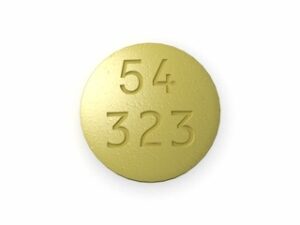

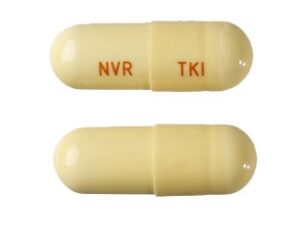
Tamoxifen (Australia) – Patient-Friendly Product Information
Tamoxifen is a well-known medicine used in the treatment and long-term management of certain hormone-dependent breast conditions. It belongs to a group of medicines called selective oestrogen receptor modulators (SERMs). Tamoxifen works by affecting how oestrogen interacts with breast tissue and other parts of the body.
This page is designed to help you understand how tamoxifen works, how it’s typically used, and what to consider for safe use. It also includes practical tips and commonly asked questions.
Basic Product Information
- Medicine name: Tamoxifen
- Medicine type: SERM (selective oestrogen receptor modulator)
- Common strengths: Tablets are available in varying strengths depending on the brand and formulation.
- How it’s taken: Usually by mouth, once or more daily depending on the prescribed regimen.
- Uses: Hormone receptor–positive breast cancer treatment and prevention strategies; other hormone-related breast conditions under specialist guidance.
- Brand names: Brand availability varies across Australia.
Note: Always check the specific product strength and instructions on your pack. Your prescriber/pharmacist can confirm the most appropriate regimen for your situation.
How Tamoxifen Works (Mechanism of Action)
Tamoxifen works mainly by modulating oestrogen receptors (ER). In simple terms:
- In breast tissue: Tamoxifen acts like an “anti-oestrogen,” reducing the effect of oestrogen that can encourage growth of certain breast cancers.
- In some other tissues: Tamoxifen can behave more like a partial oestrogen (for example, it may help protect bone density in some people).
Tamoxifen itself is also converted in the body into active metabolites that help deliver its anti-oestrogen effect. A key metabolite is endoxifen, which contributes significantly to the medicine’s effectiveness.
Pharmacokinetics (How the Body Handles Tamoxifen)
Understanding pharmacokinetics can help explain why timing and medicine interactions matter.
Absorption and distribution
- After oral administration, tamoxifen is absorbed through the gastrointestinal tract.
- It is widely distributed throughout the body, including reaching relevant tissues such as the breast.
Metabolism
- Tamoxifen is mainly metabolised in the liver.
- Metabolism involves enzymes including CYP2D6, which converts tamoxifen to metabolites like endoxifen.
Elimination
- Tamoxifen and its metabolites are eliminated slowly.
- The medicine has a long-lasting effect, which is why consistent daily use is important when it is part of your treatment plan.
Typical Use and Indications
Tamoxifen is used for oestrogen receptor (ER)–positive breast conditions. Its exact role depends on the stage of disease and your individual risk factors.
Common indications include:
- Early breast cancer (ER-positive): helping reduce the risk of recurrence after primary treatment.
- Metastatic or advanced breast cancer (ER-positive): helping control tumour growth in hormone-dependent disease.
- Ductal carcinoma in situ (DCIS): in some cases, to help reduce the risk of recurrence in ER-positive disease (as determined by the treating clinician).
- Prevention in high-risk settings: for selected individuals where the benefits outweigh the risks (decisions are individualised).
Important: Tamoxifen works best in hormone receptor–positive disease. Your tumour pathology (such as ER/PR status) guides whether tamoxifen is appropriate.
Dosing: What You Can Expect
Dosing varies depending on the condition being treated, your medical history, and other therapies you may be receiving. Your pharmacy can confirm the exact prescribed directions for your specific product.
General dosing patterns (may vary):
- Breast cancer treatment or prevention: often taken as one daily or divided dosing schedules, depending on the regimen.
- Duration: treatment may extend for years in certain settings.
How to take:
- Take tamoxifen at the same time each day to keep blood levels stable.
- Swallow tablets whole with water.
- If you miss a dose, follow the advice on your product instructions or ask your pharmacist for guidance on what to do next.
Do not change your dose unless your treating team instructs you.
Timing: When to Take Tamoxifen
Many people take tamoxifen at a consistent time daily. Choose a time that fits your routine and helps you avoid missed doses.
- If you feel side effects like nausea or tiredness at certain times of day, you may find it helps to adjust timing with pharmacist guidance.
- Some people prefer taking it with food to reduce stomach upset.
Consistency matters: taking tamoxifen daily as directed supports steady drug exposure over time.
Food Interactions (Can You Take It With Meals?)
Tamoxifen can generally be taken with or without food.
- With food: may reduce nausea or stomach discomfort for some people.
- Without food: may still be acceptable, but if you experience indigestion or nausea, consider taking it with a meal.
Grapefruit and similar foods: There is no universally required avoidance, but because interactions can be complex, it’s wise to check with your pharmacist if you regularly use grapefruit juice or herbal products.
Alcohol and Medicine Interactions
Alcohol
There is no single universal “absolute” rule for alcohol with tamoxifen, but alcohol can increase the risk of side effects such as:
- nausea or stomach irritation
- fatigue or dizziness
- liver stress in heavy or frequent drinking
Practical approach: If you drink alcohol, keep it moderate and discuss your pattern of use with your pharmacist or doctor—especially if you have liver problems or take other medicines.
Important medicine interactions
Because tamoxifen is metabolised in the liver, certain medicines can reduce the formation of active metabolites (especially endoxifen) and may affect effectiveness.
Medicines to be cautious with include:
- Some antidepressants that strongly inhibit CYP2D6 (for example, certain SSRIs/SNRIs).
- Some antipsychotics and other CYP2D6-influencing medicines.
- Other hormone therapies (your clinician will choose compatible regimens).
Examples of interaction concepts (not a complete list):
- Strong CYP2D6 inhibitors may lower endoxifen levels.
- Some medicines can increase tamoxifen or metabolite levels.
Action step: Before starting or stopping any medicine (including over-the-counter products and herbal supplements), ask your pharmacist to check for interactions.
Safety Profile: Side Effects and Warnings
Like all medicines, tamoxifen can cause side effects. Many people experience mild effects, while others may have more serious risks that require urgent attention.
Common side effects
- Hot flushes
- Vaginal dryness or changes in vaginal discharge
- Irregular periods (more relevant if you have not reached menopause)
- Changes in mood (some people notice mood swings)
- Nausea or mild stomach upset
- Headache
- Fatigue
- Skin changes or mild rash in some people
Less common but important risks
Some risks require extra awareness and prompt medical review if symptoms occur.
- Blood clots (thromboembolism): Tamoxifen may increase the risk of deep vein thrombosis (DVT) and pulmonary embolism (PE).
- Stroke (rare): risk may be increased in some circumstances.
- Endometrial changes: In postmenopausal people, tamoxifen can increase the risk of endometrial hyperplasia and, rarely, endometrial cancer. Any abnormal uterine bleeding should be investigated.
- Eye changes: Vision disturbances should be assessed promptly.
Seek urgent medical help if you notice:
- Sudden shortness of breath, chest pain, coughing blood
- One-sided leg swelling, pain, redness, or warmth (possible DVT)
- Sudden severe headache, weakness, or trouble speaking (possible stroke)
- Unusual vaginal bleeding, especially if you are postmenopausal
- Significant visual changes
Pregnancy and breastfeeding: Tamoxifen is not used in pregnancy and is generally avoided during breastfeeding. If pregnancy is possible or if you are planning pregnancy, discuss contraception and family planning with your treating clinician.
Fertility considerations: Tamoxifen may affect reproductive function; individual advice is important.
Practical Use Tips (How to Take Tamoxifen More Comfortably)
These tips can help you manage daily use and side effects:
- Use a daily routine: Link the dose to a regular activity (e.g., after breakfast) or set a medication reminder.
- Manage hot flushes: Dressing in layers, keeping the room cool, avoiding triggers (such as spicy food or hot drinks), and discussing options with your doctor/pharmacist can help.
- Support vaginal comfort: Use recommended vaginal moisturisers/lubricants if dryness occurs. Avoid “trial-and-error” products—ask your pharmacist what’s compatible.
- Stay active: Gentle regular exercise can help fatigue and mood for many people.
- Hydration and nausea: Taking with food may help if you feel nauseated.
- Keep track of symptoms: Record any abnormal bleeding, leg swelling, breathing issues, or new vision changes and report them promptly.
When to talk to your pharmacist: If you start a new medicine, consider supplements, or notice side effects that worry you, pharmacy support can help you make changes safely.
What to Do if You Miss a Dose
If you miss a dose, follow the instructions provided with your medicine or contact your pharmacist for advice.
General guidance commonly used:
- If you remember soon after, take the dose when you remember.
- If it’s close to the next dose, skip the missed dose and take your next scheduled dose.
Avoid double dosing unless specifically advised by a healthcare professional.
Alternative Options (Depending on Your Condition)
Alternative treatments may include other endocrine therapies or supportive strategies. The best option depends on the type of breast disease, hormone receptor status, menopause status, and your medical history.
Examples of alternative endocrine medicines
- Aromatase inhibitors (commonly used in postmenopausal ER-positive breast cancer; exact suitability depends on menopausal status and clinical scenario).
- Oestrogen receptor downregulators or other SERMs in select situations.
- Combination endocrine regimens may be used in some circumstances based on specialist assessment.
Supportive measures
- Management of hot flushes and bone health may involve lifestyle changes and additional medicines as appropriate.
- Monitoring for side effects (such as blood clots and uterine bleeding) forms part of safe care.
Important: Do not switch between tamoxifen and alternatives without specialist guidance. If you have concerns, discuss them with your treating clinician or pharmacist.
Market and Legal Context for Australia (General Overview)
In Australia, tamoxifen is regulated under the country’s medicines framework. Access is typically through legal medicine supply pathways, and it is dispensed in accordance with Australian regulatory and professional requirements. Online pharmacies must comply with Australian laws, including customer identity verification where required and safe dispensing practices.
Pharmacy responsibility: A reputable Australian pharmacy supports safe use by checking:
- your medicine history and potential interactions
- dose and administration instructions
- any relevant safety monitoring recommendations
- appropriate counselling for side effects and warning signs
Always use tamoxifen as advised by your healthcare professional and do not share your medicine.
Recent Guidance and Monitoring (What People Often Need to Know)
Clinical guidance evolves as evidence improves. In practice, ongoing review may include:
- Interaction screening: Regular review of medicines that could affect metabolism (especially CYP2D6-related interactions) is a common emphasis.
- Bleeding awareness: Postmenopausal people on tamoxifen are typically counselled to report any abnormal vaginal bleeding promptly.
- Clot risk awareness: People are advised to seek urgent help for symptoms consistent with DVT/PE.
- Side effect management: Hot flushes and vaginal symptoms are often addressed with supportive options to improve quality of life.
Your healthcare team may also schedule periodic checks based on your risk factors and overall treatment plan.
Delivery and Availability in Australia
Availability of tamoxifen may vary depending on:
- the specific brand or manufacturer
- tablet strength
- stock levels at the time of order
When ordering through an online pharmacy in Australia, you can typically expect:
- Secure ordering with confirmation of the correct product strength and directions
- Packaging designed for safe shipping
- Tracking and estimated delivery times where available
Tip: If you have urgent need for continuity of supply, check the pharmacy’s estimated dispatch and delivery timeframes before placing an order.
FAQ: Tamoxifen (Common Questions)
1) What is tamoxifen used for?
Tamoxifen is used for certain hormone receptor–positive breast conditions. Depending on the situation, it may be used to treat breast cancer or help reduce the risk of recurrence or new events in selected individuals.
2) How long does it take to work?
Some effects can begin after doses start, but the full benefit (especially for long-term recurrence reduction) often develops over months to years. Your clinician will outline expected timelines for your specific condition.
3) Can I take tamoxifen with food?
Yes. Tamoxifen can generally be taken with or without food. If you get nausea or indigestion, taking it with food may help.
4) Are there foods I must avoid?
There are no universal food bans for tamoxifen, but if you take supplements or special dietary products, ask your pharmacist to check for interactions. Keep herbal and “natural” products transparent when discussing your medicines.
5) Can I drink alcohol while taking tamoxifen?
Moderate alcohol may be acceptable for some people, but alcohol can worsen certain side effects and may increase strain on the liver in heavy drinking. If you drink regularly or heavily, discuss it with your pharmacist or doctor.
6) What medicines should I be careful with?
Certain medicines—particularly some antidepressants and other drugs that influence CYP2D6—can potentially reduce tamoxifen activation. Always have your pharmacist check all medicines, including over-the-counter and herbal products.
7) What are the most important warning signs?
Seek urgent care if you develop symptoms of blood clots (such as one-sided leg swelling or shortness of breath), signs of stroke (sudden weakness or speech trouble), abnormal vaginal bleeding (especially postmenopausal), or significant vision changes.
8) What side effects are common?
Common side effects include hot flushes, vaginal dryness, mild nausea, fatigue, and changes in mood. Many are manageable with supportive strategies.
9) What should I do if I miss a dose?
Follow the instructions provided for your medicine. If you’re unsure, contact your pharmacist for personalised advice. In general, do not double up unless instructed.
10) Are there alternatives to tamoxifen?
Yes, depending on your condition and menopause status. Your clinician may consider other endocrine therapies such as aromatase inhibitors or other options. Switching should be guided by your treatment plan.
Quick Reference: Key Points at a Glance
| Topic | What to remember |
|---|---|
| How it works | Modulates oestrogen receptors; reduces oestrogen effects in breast tissue. |
| Typical timing | Taken once daily or as directed; choose a consistent time. |
| Food | Generally can be taken with or without food; with food may help nausea. |
| Alcohol | Moderation is best; heavy drinking may increase risks and side effects. |
| Medicine interactions | Some antidepressants and other drugs may affect tamoxifen metabolism. |
| Common side effects | Hot flushes, vaginal dryness, fatigue, nausea, mood changes. |
| Seek urgent help | Possible clot/stroke symptoms, abnormal bleeding, or vision changes. |
Disclaimer: This information is provided to support general education and does not replace advice from your healthcare professional. If you have questions about whether tamoxifen is suitable for you, or if you notice any concerning symptoms, contact your clinician or pharmacist promptly.