

Hydroxyurea (Hydroxyurea Capsules/Tablets) — Patient Information (Australia)
Hydroxyurea is a medicine used for specific blood and cancer-related conditions. It works by affecting how cells grow and divide, particularly in tissues that reproduce rapidly, such as blood-forming cells and certain cancer cells. This guide is written to help you understand what hydroxyurea is, how it works, how it is usually taken, and what to watch for while using it.
Important: This information is general and cannot replace advice from your treating healthcare professional. Always follow the dosing plan provided to you.
Quick overview
| Topic | What you should know |
|---|---|
| Generic name | Hydroxyurea |
| Common uses | Blood disorders (e.g., certain myeloproliferative neoplasms) and some cancer treatments |
| How it works | Helps slow cell replication by interfering with DNA/RNA production in rapidly dividing cells |
| How it’s taken | Usually once daily or as directed; dose may change based on blood tests |
| Monitoring | Regular full blood counts and clinical checks are essential |
| Key safety notes | Can lower blood cell counts; may affect skin, nails, and increase infection risk |
Basic product information
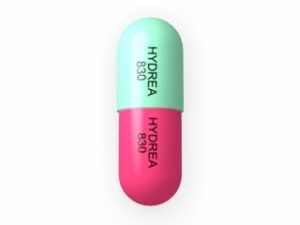
Hydroxyurea belongs to a class of medicines that affect cell growth. It is available in different formulations (commonly oral capsules or tablets, depending on the product brand). Your specific brand, strength, and directions may differ.
Who it is for: Hydroxyurea is used in select adults and children under specialist care for particular conditions. It is not a “one size fits all” medicine; the reason you take it determines the dose and monitoring schedule.
How hydroxyurea works (mechanism of action)
Hydroxyurea helps control disease by slowing down the replication of rapidly dividing cells. It does this primarily by:
- Inhibiting ribonucleotide reductase (an enzyme needed for DNA synthesis). This can reduce the availability of building blocks required for DNA production.
- Supporting the body’s control of abnormal cell growth in diseases where certain blood cells multiply too quickly.
- In some cancer settings, contributing to tumour control by reducing proliferation of cancer cells.
Because it targets cell replication, hydroxyurea can affect normal rapidly dividing cells as well—particularly those in the bone marrow—so monitoring is crucial.
Pharmacokinetics (how the body handles hydroxyurea)
Pharmacokinetics describes what happens after you swallow hydroxyurea—absorption, distribution, metabolism, and elimination.
- Absorption: Hydroxyurea is absorbed after oral administration, with levels reaching peak concentration within a few hours (timing may vary between individuals and formulations).
- Distribution: The medicine distributes throughout the body, including into tissues where it can influence cell division.
- Metabolism: It is metabolised in the liver to smaller compounds.
- Elimination: Hydroxyurea and its metabolites are cleared primarily through the kidneys (urine).
- Half-life: Hydroxyurea has a relatively short to moderate duration in the body, which supports typical once-daily or schedule-based dosing—but your clinician will tailor your plan.
Why this matters: Kidney or liver problems may change how quickly hydroxyurea is cleared. Dose adjustments and closer monitoring may be needed.
Typical uses in Australia (indications)
Hydroxyurea is used for several established medical indications. The exact indication determines whether the goal is to reduce blood counts, prevent complications, or treat cancer.
Common indications include:
- Myeloproliferative neoplasms (MPNs) such as:
- Polycythaemia vera (PV)
- Essential thrombocythaemia (ET)
- Myelofibrosis (in certain cases, depending on clinical context)
- Some cancers where hydroxyurea is used as part of treatment regimens (including certain solid tumours and cancers of blood-forming tissues, depending on local practice and specialist choice).
- Symptom control and complication prevention in specific blood disorders, often aimed at reducing risks such as clotting or disease-related symptoms.
Note: Not every patient with an MPN or cancer will use hydroxyurea. Decisions depend on disease risk profile, age, blood counts, prior treatments, and overall health.
How and when to take hydroxyurea (timing and regimen)
Hydroxyurea is usually taken by mouth as a once-daily dose or as directed by your clinician. The dose is often adjusted over time based on blood test results.
Typical timing
- Take it at the same time each day to keep medication levels steadier.
- Follow your schedule exactly, especially if the dose changes (for example, “days on” or varying strength).
- If you miss a dose: Take it when you remember unless it is close to the next dose. If it is close, skip the missed dose—do not double up. Contact your healthcare team for specific advice if you are unsure.
Practical dosing considerations
- Use careful measurement only if your product or instructions require it. Do not alter the dose unless instructed.
- Do not crush or open capsules unless your specific product guidance allows it. Many formulations should be handled carefully to reduce exposure to the medicine.
- Wear or use precautions if handling is required: follow any product instructions. If tablets/capsules are broken or damaged, ask a pharmacist how to handle them safely.
Food interactions (can you take hydroxyurea with meals?)
For most patients, hydroxyurea can be taken with or without food. However, individual tolerability varies.
- If hydroxyurea causes nausea or stomach upset, taking it with food may help.
- If it causes heartburn, try taking it with a meal earlier in the day or discuss alternatives with your healthcare provider.
- Maintain consistency: try to take it the same way each day.
Food caution: Avoid significant dietary changes or supplements without discussing with your healthcare team, especially if you have kidney disease or are taking other medicines that affect blood counts.
Alcohol and medicine interactions
Because hydroxyurea affects rapidly dividing cells and may impact liver processing and blood counts, caution is sensible when using alcohol and other medicines.
Alcohol
- Moderation is usually recommended. Heavy or regular alcohol intake may increase risk of side effects, worsen liver strain, and affect your overall health.
- If you have liver disease, frequent alcohol use, or low blood counts, ask your clinician for personalised guidance.
- Do not drink alcohol on the days you feel unwell or have signs of infection or mouth ulcers.
Medicine interactions
Hydroxyurea can interact with other medicines, mainly by increasing risk of bone marrow suppression (lower blood counts) or affecting kidney/liver clearance.
Tell your pharmacist/doctor about all medicines and supplements you use, including:
- Other medicines that can affect blood counts (including some chemotherapy or immunosuppressants).
- Antiretroviral medicines (for HIV) and some other specialist medicines—some may require closer monitoring.
- Allopurinol (used for gout) may increase certain risks in some patients—discuss carefully.
- Radiation therapy or other cancer treatments (timing and monitoring may need special planning).
- Medicines that may stress kidneys or liver—dose and monitoring may change.
- Vaccines: if your immune system is affected, live vaccines may be unsuitable. Discuss immunisation timing with your healthcare team.
Always check with a healthcare professional before starting new medicines, including over-the-counter products.
Dose guidance (how dosing is typically determined)
Hydroxyurea dosing is individual. Your clinician will choose a starting dose and then adjust based on:
- Your diagnosis (e.g., PV/ET vs cancer indication)
- Your age and overall health
- Your full blood count results (white cells, neutrophils, platelets, haemoglobin)
- Your kidney and liver function
- Response and side effects
Typical approach to dosing
- Start at a planned dose and schedule regular blood tests.
- Adjust gradually (increase or reduce) to reach a target range while avoiding excessive suppression of blood cells.
- If counts fall too low, your clinician may hold or reduce the dose until they recover.
Do not change your dose based on how you feel. Hydroxyurea’s effectiveness and safety are guided primarily by blood test monitoring.
Special note for children: Pediatric dosing depends strongly on body surface area/weight and indication, and must be managed by specialists with structured monitoring.
Safety profile and side effects
Hydroxyurea can cause side effects, some of which are important to recognise early. Many side effects are manageable, particularly with close monitoring.
Common side effects
- Low blood counts (can lead to fatigue, anaemia-related symptoms, or increased infection risk)
- Nausea or stomach discomfort
- Constipation or diarrhoea (less common)
- Mouth sores or ulcers
- Skin changes, including dryness or darkening of skin in some areas
- Nail changes such as darkening or brittleness
- Hair thinning in some patients
- Headache or general tiredness
Serious risks—seek medical advice urgently if you experience
- Fever or signs of infection (chills, sore throat, unusual cough). Low white blood cells can mask typical symptoms.
- Unusual bleeding or bruising (possible low platelets).
- Severe mouth ulcers or difficulty eating/drinking.
- Severe shortness of breath, chest pain, or fainting (could relate to anaemia or other causes).
- Rash with blistering or swelling of the face/lips (possible allergy—call emergency services if severe).
Longer-term considerations
With prolonged use, some patients may develop cumulative skin/nail changes. Your clinician may recommend:
- Routine skin checks, especially if you notice new lesions or non-healing spots.
- Sun protection (cover up and use sunscreen), as ultraviolet exposure can worsen some skin effects.
Monitoring schedule (what tests you may need)
- Full blood count (FBC) regularly to ensure white cells, neutrophils, haemoglobin, and platelets remain within a safe range.
- Often periodic kidney function (creatinine/eGFR) and sometimes liver function.
Practical use tips (day-to-day guidance)
- Keep a routine: take hydroxyurea at the same time daily.
- Attend blood tests: even if you feel well, counts can drop before symptoms appear.
- Hydrate well unless you’ve been told to restrict fluids due to heart/kidney conditions.
- Oral care: use a soft toothbrush; discuss mouth ulcer treatments early.
- Infection precautions: avoid close contact with people who are sick; practice good hand hygiene. Report fever promptly.
- Skin care: use moisturiser and protect from sun exposure.
- Handling safely: follow instructions for handling capsules/tablets to avoid exposure, especially if others are assisting you.
When hydroxyurea may be used with other treatments
Hydroxyurea may be combined with supportive therapies depending on your diagnosis. For example:
- Low-dose aspirin is sometimes used in MPNs to reduce clotting risk (your clinician will advise whether it is appropriate for you).
- Other disease-specific medications may be used instead of, or in addition to, hydroxyurea based on response and tolerance.
Combination therapy increases the importance of monitoring and careful attention to side effects.
Alternative options (if hydroxyurea is not suitable)
There are different treatment options depending on your condition, disease risk, and how you respond to hydroxyurea. Alternatives may include:
For myeloproliferative neoplasms (MPNs)
- Interferon-based therapies (in some settings)
- Other targeted therapies depending on molecular profile and risk category
- Adjusting supportive care (for example, iron management or treatment of symptoms)
For cancer indications
- Different chemotherapy agents
- Radiation therapy (depending on tumour type and stage)
- Targeted or immunotherapies for selected cancers
Switching medicines: Do not stop hydroxyurea suddenly without medical advice. Your specialist will plan any changes to minimise risk of disease progression or complications.
Market and legal context in Australia
In Australia, medicines are regulated under national systems to support safe access and appropriate use. Hydroxyurea is a medicine that requires careful supervision due to its potential to affect blood counts and its specialist use in certain conditions.
Online pharmacy availability: Availability can depend on supply, formulation, and your local healthcare requirements. Reputable pharmacy services follow Australian medicine regulations and standard safety processes to confirm identity, suitability, and any required dispensing requirements.
Clinical governance: Patients typically receive monitoring and follow-up through their treating clinician (e.g., haematologist/oncologist). Ongoing blood tests guide dose adjustments and long-term safety.
Recent guidance (what clinicians commonly emphasise)
Across recent years, clinical practice has continued to emphasise:
- Regular FBC monitoring to manage myelosuppression (reduced bone marrow activity).
- Individualised dosing with stepwise adjustment to balance effectiveness and tolerability.
- Infection vigilance, including prompt assessment for fever.
- Sun protection and skin awareness due to possible chronic skin effects.
- Careful medication review for drug–drug interactions and kidney function considerations.
Because recommendations can vary by condition and patient history, your specialist’s plan is the most reliable source of guidance.
Delivery and availability (online pharmacy information for Australia)
Delivery options vary by pharmacy and location. When ordering hydroxyurea online, you may encounter factors such as:
- Stock availability: Some strengths or specific brands may be subject to supply variations.
- Packaging and handling: Your medicine may arrive in protective packaging suitable for transport.
- Delivery timeframe: Rural/remote areas may have longer delivery times.
Tip: If you are starting hydroxyurea or expect a dose adjustment, allow extra time for delivery so you do not miss scheduled doses.
Frequently asked questions (FAQ)
1) What is hydroxyurea used for?
Hydroxyurea is used for specific conditions, most commonly certain myeloproliferative neoplasms (like polycythaemia vera and essential thrombocythaemia) and some cancer-related uses. The exact reason you take it depends on your diagnosis.
2) How long does it take to work?
Many patients notice blood-count improvements over weeks. However, the timeline varies. Your clinician will monitor results with blood tests and may adjust the dose to reach target ranges.
3) Can I take hydroxyurea with food?
Usually yes—hydroxyurea can be taken with or without food. If it upsets your stomach, taking it with food may help. Keep your method consistent day to day.
4) What happens if my blood counts go too low?
If blood counts drop, your clinician may hold a dose, reduce it, or adjust the schedule. This is why frequent FBC monitoring is so important.
5) What side effects should I watch for?
Watch for signs of infection (especially fever), bleeding or bruising, worsening mouth ulcers, and significant skin reactions. Contact your healthcare team promptly if symptoms appear.
6) Is hydroxyurea safe for long-term use?
Many patients use hydroxyurea for extended periods under specialist care. Long-term safety depends on your response and regular monitoring. Your clinician will weigh benefits against risks and adjust accordingly.
7) Can I drink alcohol while taking hydroxyurea?
Alcohol should be kept to moderation, and heavy or frequent intake may increase risk of side effects and health complications. If you have liver issues, kidney disease, or frequent low blood counts, ask your clinician for personalised advice.
8) Are there medicines I should avoid?
Because interactions are possible, you should tell your healthcare professional about all medicines and supplements you take—especially other cancer medicines, immunosuppressants, medicines affecting bone marrow, and products like allopurinol. Avoid starting new medicines without checking.
9) What should I do if I miss a dose?
Take it when you remember unless it is nearly time for your next dose. If it is close to the next dose, skip the missed dose. Do not double up. If you miss more than one dose, contact your healthcare team for guidance.
10) How should I handle hydroxyurea capsules/tablets safely?
Follow packaging instructions. Avoid crushing/opening if not directed. If a capsule or tablet is damaged or spilled, ask a pharmacist for safe handling advice. Keep medicines out of reach of children.
When to contact your healthcare team
Contact your treating clinician or seek urgent medical help if you experience:
- Fever or symptoms of infection
- Unusual bruising or bleeding
- Severe mouth ulcers or inability to eat/drink
- Severe allergic symptoms (swelling, trouble breathing)
- Rapidly worsening fatigue or shortness of breath
Disclaimer: This page is intended to provide general patient information about hydroxyurea for audiences in Australia. It does not replace medical advice. Your treatment plan should always be guided by your clinician, based on your individual condition and test results.