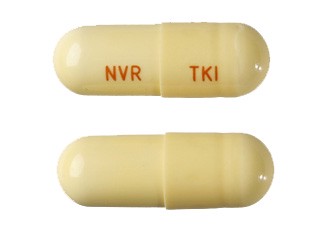

Tasigna (Nilotinib) – Patient-Friendly Guide (Australia)
Tasigna is a brand of the cancer medicine nilotinib. It is used to treat certain blood cancers, most commonly chronic myeloid leukaemia (CML) and, in some cases, related conditions involving specific genetic changes. This guide explains how Tasigna works, how it is taken, food and medicine interactions to consider, and important safety information to help you use your treatment confidently.
Note: Your prescribing team will tailor treatment to your specific diagnosis, blood results, and tolerability. Always follow their instructions, including dose changes and monitoring schedules.
Basic product information
- Medicine name: Tasigna
- Active ingredient: Nilotinib
- Medicine type: Targeted cancer therapy (tyrosine kinase inhibitor)
- Common form: Oral capsules
- Typical use: Long-term treatment under specialist care
- Therapeutic focus: BCR-ABL–related CML
What Tasigna is used for (indications)
Tasigna is used for patients with certain types of chronic myeloid leukaemia (CML) and related conditions, where the cancer cells carry the BCR-ABL gene fusion (often described as the Philadelphia chromosome).
Depending on local clinical protocols, Tasigna may be used in different stages, such as:
- Chronic phase CML, typically after a period of treatment or as a first-line option in selected patients.
- Accelerated phase CML and blast phase CML (in selected situations, including when other therapies are not suitable).
Your treating haematologist/oncologist will confirm the exact indication for your case.
How Tasigna works (mechanism of action)
Tasigna belongs to a class of medicines called tyrosine kinase inhibitors (TKIs). Cancer cells in CML often rely on an abnormal protein called BCR-ABL, which signals the cells to grow and survive.
Nilotinib blocks BCR-ABL by binding to the protein’s active site. This helps to:
- Stop cancer cell growth
- Encourage reduction of leukaemia cells in the blood and bone marrow
- Improve blood counts and disease control over time
Because Tasigna targets the underlying abnormal signalling pathway, it is considered a targeted therapy rather than a broad chemotherapy approach.
Pharmacokinetics (how the body handles Tasigna)
Pharmacokinetics describes how the body absorbs, distributes, metabolises, and eliminates a medicine.
- Absorption: Tasigna is taken by mouth. Food strongly affects absorption; therefore, dosing instructions about meals and stomach emptying are critical.
- Distribution: After absorption, nilotinib distributes into the body tissues and can cross into systemic circulation.
- Metabolism: Nilotinib is metabolised mainly by CYP enzymes (commonly discussed: CYP3A4). This is why some medicines can interfere with its levels.
- Elimination: The medicine is cleared from the body primarily through metabolic pathways and via excretion routes.
- Half-life (approximate): The drug has a measurable duration of action allowing the prescribed dosing schedule (commonly twice daily in CML regimens) to maintain effective exposure.
Your healthcare team may schedule blood tests that indirectly reflect exposure and safety (e.g., liver function tests and blood counts).
Typical use and treatment timing
Tasigna is usually taken long-term. Many people take it consistently over months or years, with ongoing monitoring for response and safety.
Common dosing schedules:
- Twice daily dosing is often used for CML regimens.
- Capsules should be taken at the same times each day to maintain steady drug levels.
Meal timing is essential: Tasigna must be taken away from food because meals can substantially increase drug absorption and raise the risk of side effects.
How to take Tasigna (practical guidance)
General dosing approach
Your specialist will determine your exact capsule strength and dose. Doses may be adjusted based on:
- Your blood test results (including disease response)
- Tolerability (side effects such as blood count changes, liver enzyme changes)
- Electrocardiogram (ECG) findings and related heart safety monitoring
How to swallow
- Swallow capsules whole with water.
- Avoid opening or crushing capsules unless your specialist or pharmacist specifically instructs otherwise.
Consistency matters
Try to keep to the same schedule each day. If you miss a dose, contact your pharmacist or treating team for specific advice rather than doubling up automatically.
Food interactions (very important)
Food interactions are central to safe Tasigna use. Taking Tasigna with meals can significantly increase blood levels and potentially raise the risk of serious side effects.
Practical meal rules commonly used with Tasigna:
- Take Tasigna at least 2 hours after finishing a meal.
- Then wait at least 1 hour before your next meal.
Many patients find it easiest to establish a routine such as:
- Breakfast: Eat, then wait at least 2 hours before taking the morning dose
- After morning dose: Wait at least 1 hour before eating again
- Evening meals: Similar spacing rules apply to the second dose
Ask your pharmacist if you are unsure how your local product label advises meal timing, because instructions can vary slightly with formulation and local guidance.
Alcohol interactions
Alcohol can affect how your body handles medicines and may worsen certain side effects (for example, tiredness, nausea, or liver stress). Tasigna is metabolised through pathways involving liver enzymes, and some patients may already have liver test changes due to treatment.
General safety advice:
- Limit alcohol and avoid heavy drinking while on Tasigna.
- If you have liver-related side effects, discuss alcohol use with your treating team.
- Report any symptoms such as worsening fatigue, jaundice (yellow skin/eyes), dark urine, or severe nausea promptly.
Your specialist can provide a personalised approach based on your health history and test results.
Medicine interactions (including over-the-counter medicines)
Tasigna levels can change when taken with medicines that affect liver enzymes (especially CYP3A4) or medicines that affect heart rhythm. Interactions can lead to:
- Higher Tasigna levels (increased risk of side effects)
- Lower Tasigna levels (reduced effectiveness)
- Heart rhythm changes
Examples of medicines that may interact
Always provide your pharmacist with a complete list of medications and supplements. Examples that may be discussed include:
- Strong enzyme inhibitors (can increase nilotinib exposure)
- Strong enzyme inducers (can reduce nilotinib exposure)
- Medicines that can affect heart rhythm (e.g., prolong QT interval)
- Some medicines affecting magnesium or potassium levels (important for heart safety)
Herbal and supplement interactions
- Herbal products (including “natural” remedies) can also affect liver enzymes.
- Examples often highlighted by pharmacists include St John’s wort (commonly known as an enzyme inducer), but other supplements may also interact.
Over-the-counter pain and cold/flu products
Some OTC medicines may contain ingredients that interact indirectly (for example, affecting heart rate, liver metabolism, or electrolyte balance). Check labels and ask your pharmacist if you’re unsure.
Always confirm new medicines, including antibiotics, antifungals, anti-nausea medicines, and any supplements.
Safety profile: important risks to know
All medicines can cause side effects, but Tasigna has some specific risks that require monitoring. Not everyone experiences these, and many are manageable with dose adjustments and supportive care.
Common or notable side effects
- Fatigue
- Headache
- Nausea
- Skin rash
- Muscle cramps or pain
- Abdominal discomfort
Blood count and lab monitoring
Tasigna can influence blood cells and organ function. Your clinician may monitor:
- Full blood counts (haemoglobin, neutrophils, platelets)
- Liver function (ALT/AST and other markers)
- Electrolytes (especially potassium and magnesium, important for heart rhythm safety)
- Blood sugar and lipids (cholesterol and triglycerides), depending on individual risk factors and local protocols
Heart rhythm and ECG considerations
Tasigna may affect the electrical activity of the heart, which is assessed using an ECG. This risk is one reason why:
- Regular ECGs may be ordered
- Electrolytes may be checked and corrected
- Some interacting medicines are avoided
When to seek urgent medical help
Contact your healthcare provider urgently or seek emergency care if you experience:
- Fainting, severe dizziness, or sudden palpitations
- Chest pain or shortness of breath that is severe or worsening
- Severe weakness or signs of stroke (face drooping, arm weakness, speech difficulties)
- Severe allergic reactions (swelling of face/lips, difficulty breathing, widespread hives)
- Signs of serious liver injury (yellowing of skin/eyes, severe right-sided abdominal pain, dark urine)
These events are not common, but prompt attention is important.
How dosing is typically set (dose and adjustments)
Nilotinib dosing is individualised. While there are standard regimens used in clinical practice, your exact dose depends on:
- Your CML phase and prior treatments
- Laboratory results and overall health
- ECG findings and cardiovascular risk factors
- Side effects experienced
General dosing considerations:
- Do not change your dose without specialist advice.
- If you develop significant side effects, your clinician may temporarily pause, reduce, or adjust dosing.
- Ongoing monitoring supports safe long-term treatment.
If you would like, you can consult your pharmacist for a clear summary of your personal capsule strengths and daily schedule.
Practical use tips for success
- Set reminders: Twice-daily dosing is easier with alarms or medication apps.
- Meal routine: Plan around the “2 hours after food / 1 hour before next meal” approach.
- Hydration: Drink water with your doses unless you have fluid restrictions.
- Keep a medication list: Include OTC products and supplements for every pharmacy visit.
- Track side effects: Note new symptoms such as fatigue, muscle cramps, palpitations, rash, or nausea.
- Attend monitoring appointments: Blood tests and ECGs are part of treatment, not extra steps.
- Avoid grapefruit and similar products: These may affect drug metabolism. Ask your pharmacist for guidance on other food products that may influence enzymes.
Alternative treatment options
Depending on your specific CML situation, prior therapies, and tolerability, your specialist may consider other targeted agents or different strategies.
Possible alternatives may include:
- Other tyrosine kinase inhibitors used in CML (choice depends on response goals, side effects, and interactions)
- Different CML management approaches based on disease phase
- In some cases, additional therapies if CML does not respond adequately
Your treating team will weigh benefits and risks, including heart and metabolic safety considerations, to choose the most appropriate option for you.
Market and legal context for Australia
In Australia, prescription medicines like Tasigna are regulated under national frameworks to ensure quality, safety, and appropriate use. Medicines are typically dispensed through licensed pharmacy channels, and product supply may involve specialist prescribing and ongoing monitoring.
Because Tasigna is a targeted cancer therapy with important interactions and safety monitoring requirements, access is generally managed through healthcare pathways that support:
- Correct indication and dosing
- Safe dispensing and counselling
- Adherence to monitoring (blood tests and ECGs)
- Drug–drug interaction checking
Pharmacy availability: Availability can vary by stock levels and packaging. If a capsule strength is temporarily unavailable, pharmacies may source from approved supply routes where possible.
Recent guidance and monitoring expectations
Cancer treatment guidance evolves over time as new evidence becomes available. In practice, clinicians commonly follow structured monitoring plans that may include:
- Regular BCR-ABL response testing (according to local protocols and your treatment response)
- Periodic blood tests to monitor blood counts and organ function
- ECG monitoring and electrolyte checks where indicated
- Cardiovascular and metabolic risk assessment (for example, lipid and glucose monitoring), especially in patients with risk factors
Your healthcare provider will determine the exact schedule based on your treatment phase and individual risk profile.
Delivery and availability (Australia)
Online pharmacy services in Australia may offer delivery where permitted by relevant laws and pharmacy regulations. Availability depends on:
- Stock levels of the required capsule strength
- Packaging size and formulation
- Approved supply chain processes
Delivery tips:
- Ensure your delivery details are correct to avoid delays.
- If you need repeat supplies, plan ahead to avoid running out.
- Store capsules in a cool, dry place as directed on the packaging.
If you require urgent supply planning (for example, around travel or planned appointments), contact the pharmacy team for guidance.
Product comparison at a glance
| Feature | Tasigna (Nilotinib) |
|---|---|
| Type | Oral targeted cancer therapy (tyrosine kinase inhibitor) |
| Main purpose | Treat CML with BCR-ABL–related disease |
| Key instruction | Take away from food; meal timing is critical |
| Monitoring often includes | Blood tests, liver function, electrolytes, ECG (as indicated) |
| Common schedule | Often twice daily, depending on regimen |
| Interaction risk | Significant interactions with other medicines and foods |
| Safety focus | Heart rhythm risk, lab changes, and metabolic effects in some patients |
FAQ
1) How should I take Tasigna with meals?
To reduce the risk of increased drug absorption, Tasigna is typically taken at least 2 hours after finishing a meal and at least 1 hour before your next meal. Follow your specific instructions from your healthcare team or the medicine label.
2) What happens if I miss a dose?
If you miss a dose, don’t take an extra dose without advice. Contact your pharmacist or treating team for guidance based on how close you are to the next scheduled dose.
3) Can I drink alcohol while taking Tasigna?
It’s best to limit alcohol. Alcohol may worsen fatigue or nausea and could add strain to the liver. Discuss your alcohol intake with your treating team, especially if you have abnormal liver tests or other side effects.
4) Are there foods I should avoid?
Because food affects Tasigna absorption, meal timing is crucial. Some food products (notably certain grapefruit-type products) may interact with drug metabolism. Ask your pharmacist for personalised food advice.
5) What medicines commonly interact with Tasigna?
Medicines that strongly affect liver enzymes (such as those that inhibit or induce CYP3A4) and medicines that may influence heart rhythm can interact. Always provide a complete list of all medicines (including OTC products and supplements) to your pharmacist.
6) Why do I need ECGs and blood tests?
Tasigna can affect lab results and may influence heart electrical activity. Monitoring helps detect changes early so your clinician can adjust treatment if needed.
7) What side effects are most important to watch for?
Seek urgent care for symptoms like fainting, severe dizziness, chest pain, significant palpitations, signs of serious allergic reaction, or symptoms suggesting serious liver injury. Report ongoing issues like fatigue, nausea, rash, or muscle cramps to your clinician promptly.
8) How long will I need to take Tasigna?
Tasigna is typically taken long-term while controlling disease. Duration depends on your response, monitoring results, and whether dose adjustments are required.
9) Can Tasigna be substituted with another product?
Nilotinib is available in different brands depending on jurisdiction. Switching products or capsule strengths should only be done based on your specialist’s advice and pharmacist guidance to ensure correct dosing and counselling.
10) How do I store Tasigna at home?
Store capsules in a cool, dry place as directed on the packaging. Keep medicines out of reach of children and avoid use past the expiry date.
Need help? Talk to your pharmacist
If you have questions about how to take Tasigna, meal timing, side effects, or interactions with other medicines, your local pharmacy team can help you confirm a safe and practical routine. Keeping your medication list up to date and attending monitoring appointments are key steps for safe long-term treatment.