
Nolvadex (Tamoxifen) – Patient Information (Australia)
Nolvadex is a brand of tamoxifen, a medicine used in the treatment and prevention of certain hormone receptor–positive breast cancers. It belongs to a group of medicines called Selective Estrogen Receptor Modulators (SERMs). Depending on your condition, tamoxifen may be used as part of cancer therapy or to reduce the risk of developing breast cancer in selected people.
This page provides general, patient-friendly information about how Nolvadex works, how it is used, what to expect, and important safety considerations. Always follow the instructions provided by your treating healthcare professional and the product label.
Basic product information
- Medicine: Nolvadex
- Active ingredient: Tamoxifen
- Medicine type: SERM (Selective Estrogen Receptor Modulator)
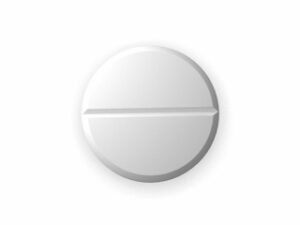
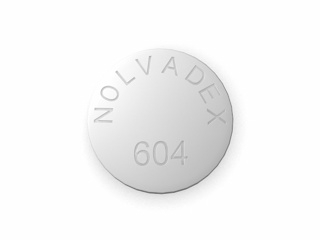
- Common strengths (varies by product/pack): Typically 10 mg or 20 mg tablets
- How it is taken: By mouth (tablets)
- Who it is used for: Hormone receptor–positive breast cancer, and risk reduction in selected cases
- Brand names: Nolvadex (tamoxifen)
How Nolvadex works (mechanism of action)
Tamoxifen affects the body’s oestrogen signalling. In different tissues, it acts either to block oestrogen’s effects or to mimic them to a limited extent. Its key role in breast tissue is to block oestrogen receptors on cancer cells. This reduces growth signals driven by oestrogen.
In practical terms:
- In breast tissue: tamoxifen generally acts as an oestrogen-blocking agent.
- In some other tissues, effects may be different, which is part of why side effects can include both protective and adverse outcomes (for example, effects on bone, cholesterol, and the uterus).
Pharmacokinetics (how the body processes tamoxifen)
Understanding pharmacokinetics can help explain why timing matters and why interactions can occur.
- Absorption: Tamoxifen is absorbed after oral dosing. Food does not usually prevent absorption, but meal timing may affect how fast concentrations rise.
- Metabolism: Tamoxifen is extensively metabolised by the liver, primarily through CYP2D6. One of its important active metabolites is endoxifen, which contributes to much of its therapeutic effect.
- Half-life: Tamoxifen and its metabolites persist in the body for a long time. Steady effects build gradually.
- Excretion: Metabolites are eliminated mainly via bile and stool, with some elimination via urine.
Why this matters: Drugs that strongly affect CYP2D6 can change tamoxifen metabolism, potentially reducing its effectiveness or increasing side effects.
Typical use and timing
Tamoxifen is used for a variety of clinical situations, including:
- Treatment of certain hormone receptor–positive breast cancers.
- Adjuvant therapy after surgery/other treatments to reduce the chance of cancer returning.
- Risk reduction in people at increased risk of developing breast cancer, depending on clinical assessment.
- Metastatic or advanced disease (in appropriate cases), often as part of a longer-term treatment plan.
When to take it: Many people take tamoxifen once daily, usually at the same time each day. Your healthcare professional will specify the exact schedule.
If you miss a dose:
- Take it when you remember unless it is close to your next scheduled dose.
- Do not double the dose to make up for a missed tablet.
Food interactions (can you take it with meals?)
Tamoxifen can generally be taken with or without food. However, practical tips can help maintain consistency:
- Choose a routine that you can maintain daily (for example, with breakfast or with dinner).
- If you notice nausea or stomach discomfort, consider taking it with food.
- Keep meals and dosing consistent to avoid day-to-day changes in absorption.
Special note: While specific foods are not usually a major issue, avoid major changes in diet supplements (especially those that may interact with liver enzymes) without medical advice.
Alcohol interactions
Most people can still have alcohol in moderation while taking tamoxifen, but there are cautions:
- Moderation is important. Alcohol can worsen tiredness, mood changes, hot flushes, or nausea in some people.
- Liver considerations: Tamoxifen is metabolised by the liver. Heavy or frequent alcohol intake can affect liver health, which may increase the risk of side effects.
- If you have liver disease or abnormal liver function tests, ask your clinician for guidance on alcohol.
Practical tip: If you plan to drink alcohol, consider doing so only occasionally and in small amounts, and monitor how you feel.
Medicine interactions (important)
Drug interactions are a key consideration with tamoxifen due to its dependence on liver enzymes—especially CYP2D6. Some medicines can reduce tamoxifen activation or increase side effects.
Please tell your pharmacist/doctor about all medicines you use, including:
- Prescription medicines
- Over-the-counter medicines
- Herbal products and supplements
Common interaction areas
- CYP2D6 inhibitors (may reduce effectiveness): Certain antidepressants and other medicines can inhibit CYP2D6. If you are taking one, your healthcare professional may consider alternatives or additional monitoring.
- Other hormonal therapies: Combining endocrine treatments may be appropriate in some settings, but it must be planned carefully.
- Blood thinners: If you take medicines such as warfarin or other anticoagulants, your clinician may check clotting parameters and bleeding risk.
- Medicines affecting liver enzymes: Some treatments can alter tamoxifen levels. This includes certain antiseizure medicines and tuberculosis treatments.
Herbal caution: Supplements like St John’s wort (Hypericum perforatum) may affect metabolism and are generally best avoided unless your clinician says otherwise.
If you’re unsure: Ask your pharmacist before starting, stopping, or changing any medicine.
Indications (what Nolvadex is used to treat/prevent)
In Australia, tamoxifen is used for clinically appropriate indications, most commonly involving hormone receptor–positive breast cancer. Indications may include:
- Early breast cancer (adjuvant treatment) to reduce recurrence risk after primary treatment.
- Ductal carcinoma in situ (DCIS) in selected cases as a risk-reducing strategy (as determined by your treating team).
- Metastatic (advanced) breast cancer where hormone receptor positivity is present.
- Risk reduction for individuals at increased risk, depending on eligibility criteria and clinical assessment.
Important: The exact indication depends on pathology results such as hormone receptor status and the overall treatment plan.
Dosing (general guidance)
Dosing schedules vary based on the condition, cancer stage, treatment goals, and individual factors (such as age and co-medications). Your healthcare professional will determine the correct dose and how long you’ll take it.
Common dosing forms: Tamoxifen is typically taken as tablets, commonly 10 mg or 20 mg.
General approach:
- Often taken once daily.
- Some treatment protocols use specific dose schedules in particular clinical situations.
How to take:
- Swallow the tablet whole with a glass of water.
- Try to take it at the same time each day.
- If you have trouble swallowing, ask your pharmacist about practical options (do not crush tablets unless specifically advised).
Do not change the dose without medical advice. If you experience troublesome side effects, contact your healthcare professional rather than stopping suddenly.
Safety profile (side effects and when to seek help)
Like all medicines, Nolvadex can cause side effects. Not everyone gets them. Many are manageable, but some require urgent attention.
Common side effects
- Hot flushes and sweating
- Vaginal dryness or discharge
- Irregular menstrual bleeding in premenopausal people
- Changes in mood (including mood swings)
- Nausea or stomach discomfort
- Fatigue
- Headache
- Skin rash or itching (less common)
Serious risks (seek prompt medical advice)
Tamoxifen can increase the risk of certain serious complications. Contact a clinician urgently or seek emergency care if you experience any of the following:
- Signs of blood clots: sudden shortness of breath, chest pain, coughing blood, swelling/redness/pain in one leg.
- Possible stroke symptoms: face drooping, arm weakness, speech difficulty, sudden severe headache.
- Abnormal uterine bleeding: new or worsening vaginal bleeding, especially after menopause; or bleeding that persists.
- Symptoms of endometrial changes: pelvic pain, unusual discharge, or persistent bleeding.
- Vision changes: sudden changes in vision or severe eye pain.
- Severe allergic reactions: swelling of face/lips, difficulty breathing, widespread rash.
Monitoring and follow-up
- Your clinician may arrange regular follow-up visits.
- In people who still have a uterus, periodic assessment of symptoms is important (especially abnormal bleeding).
- Liver function tests may be performed in some circumstances.
Pregnancy and contraception: Tamoxifen can harm an unborn baby. People who could become pregnant should use reliable contraception and discuss family planning with a healthcare professional before and during treatment.
Practical use tips (making treatment easier)
- Create a daily routine: Pick a time of day that fits your schedule and set a reminder.
- Manage hot flushes:
- Wear layered clothing
- Use a fan at night if needed
- Limit caffeine and spicy foods if they trigger symptoms
- Vaginal comfort: Consider discussing non-hormonal moisturisers or lubricants with your pharmacist/doctor.
- Keep track of symptoms: Note new or worsening bleeding, leg swelling, breathlessness, or vision changes and report them promptly.
- Medication list: Maintain an up-to-date list of all medicines and supplements to reduce the risk of interactions.
- Don’t skip follow-ups: Side effects and response to treatment may require adjustments.
Alternative options
Depending on your condition (including hormone receptor status, menopausal status, and past treatments), your healthcare team may consider alternatives. Common endocrine therapy options for hormone receptor–positive breast cancer include:
- Aromatase inhibitors (commonly used in postmenopausal people; specific choice depends on clinical factors)
- Other SERMs (used in specific circumstances)
- Targeted therapies that may be combined with endocrine therapy for certain tumour characteristics
- Ovarian suppression in selected premenopausal cases
Important: Alternatives may have different side effect profiles and interaction risks. Any changes should be discussed with your clinician.
Market and legal context for Australia
In Australia, tamoxifen is an established medicine supplied through regulated channels. Medicines are dispensed under Australia’s medicines framework, including requirements around pharmaceutical quality, labelling, and safe supply. Availability and brand options can vary by supplier and stock levels.
Quality and authenticity: When buying online, choose a reputable Australian pharmacy service that provides clear information about the product, labelling, storage conditions, and delivery timeframes.
Medicines governance: Tamoxifen products are subject to regulatory standards and are typically listed and managed through Australian medicines oversight processes.
Recent guidance and evidence (general awareness)
Clinical recommendations for hormone receptor–positive breast cancer therapy evolve over time as new evidence emerges. In Australia, treating teams generally consider:
- Individual tumour characteristics (including hormone receptor status and other biomarkers)
- Menopausal status
- Risk–benefit balance for recurrence reduction
- Potential drug interactions (especially CYP2D6-related)
- Safety monitoring for clotting and uterine effects
Guidance also emphasises careful review of concurrent medicines (notably antidepressants) that may affect tamoxifen metabolism. If you have questions about your other medicines, your pharmacist can help you check interaction risks.
Delivery and availability (Australia)
Online pharmacy availability varies by brand and strength (for example, 10 mg versus 20 mg tablets). Delivery options often depend on location and whether stock is held locally or dispatched from a partner facility.
Typical delivery considerations:
- Dispatch time: Often listed at checkout or on the product page.
- Shipping timeframes: Vary by state/territory and carrier.
- Cold chain: Tamoxifen tablets generally do not require refrigeration.
- Packaging: Supplied in tamper-evident packaging when applicable.
Availability note: If a strength or brand is temporarily out of stock, reputable online pharmacies may offer an alternative generic option where appropriate.
FAQ – Nolvadex (tamoxifen)
1) What is Nolvadex used for?
Nolvadex (tamoxifen) is used for hormone receptor–positive breast cancer and may be used as part of treatment, after primary therapy to reduce recurrence, or in selected cases to reduce future risk. Your indication depends on your diagnosis and tumour characteristics.
2) How should I take it?
Take Nolvadex by mouth exactly as directed. Many people take it once daily at the same time each day. Swallow tablets whole with water. If you miss a dose, do not double—take the next dose at the usual time.
3) Can I take Nolvadex with food?
Yes. Nolvadex can generally be taken with or without food. If it upsets your stomach, taking it with food may help. Aim for consistent daily timing.
4) Are there food or vitamin interactions?
Specific foods are not usually a major concern, but be cautious with supplements or herbal products. Some supplements can affect liver enzymes and drug levels. Ask your pharmacist before starting new supplements.
5) Can I drink alcohol while taking tamoxifen?
Moderation is recommended. Heavy or frequent alcohol intake may affect liver health and could increase the likelihood of side effects. If you have liver issues, ask for tailored guidance.
6) What medicines should I avoid?
Drug interactions are important, particularly with medicines that inhibit CYP2D6, which may reduce tamoxifen activation. Tell your pharmacist about all medicines and supplements, including antidepressants, blood thinners, seizure medicines, and herbal products.
7) What are the most important warning signs?
Seek urgent medical help if you notice signs of blood clots (such as sudden breathlessness or one-sided leg swelling), stroke symptoms, unusual or persistent vaginal bleeding (especially after menopause), severe vision changes, or signs of a severe allergic reaction.
8) Does tamoxifen affect fertility or pregnancy?
Tamoxifen can harm an unborn baby. If pregnancy is possible, effective contraception is important. Discuss reproductive plans with your healthcare professional before starting or continuing treatment.
9) How long will I need to take Nolvadex?
Treatment duration varies by indication and individual risk factors. Some regimens may continue for years for risk reduction in certain circumstances. Follow your clinician’s plan.
10) What if I’m concerned about side effects?
Many side effects are treatable or manageable. Contact your healthcare professional or pharmacist if side effects are persistent or severe. Do not stop or change the dose without advice.
Disclaimer
This information is intended as general educational guidance for patients in Australia. It does not replace personalised medical advice. If you have questions about whether Nolvadex is suitable for you, or if you have symptoms that worry you, speak with a qualified healthcare professional.