
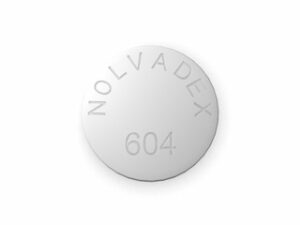

Ondansetron (e.g., ondansetron hydrochloride) — Patient Information for Australia
Ondansetron is a medicine used to help prevent nausea and vomiting. It works by blocking certain chemical signals in the brain and gut that trigger these symptoms. This page explains what ondansetron is, how it works, how it’s used, and important safety information to help you use it more confidently.
Note: Brand names, strengths, and dosing may vary between products in Australia. Always follow the instructions on the pack and any advice from your healthcare professional.
Basic product information
| Category | Details |
|---|---|
| Medicine | Ondansetron (often as ondansetron hydrochloride) |
| What it’s for | Nausea and vomiting prevention/treatment in specific situations |
| Typical forms | Tablets, orally disintegrating tablets (wafers), oral solution, injections (used in hospitals/clinics) |
| Common strengths (may vary) | For example 4 mg and 8 mg tablets (check your product pack) |
| How it’s taken | By mouth for tablets/oral forms; injection is administered by healthcare professionals |
How ondansetron works (mechanism of action)
Nausea and vomiting can be triggered by several pathways in the body. One key pathway involves a chemical messenger called serotonin (5-HT3).
- Ondansetron is a selective 5-HT3 receptor antagonist.
- By blocking 5-HT3 receptors, it helps reduce the signals that lead to nausea and vomiting.
- It can act both in the gastrointestinal tract and in the central nervous system.
In practice, this means ondansetron is often used around situations that commonly cause nausea and vomiting (for example, chemotherapy or surgery), or when nausea is expected to be significant.
Pharmacokinetics (how the body handles it)
“Pharmacokinetics” describes how a medicine is absorbed, distributed, metabolised, and eliminated. While exact numbers can vary between individuals and product types, the general pattern for ondansetron is:
- Absorption: When taken by mouth, ondansetron is absorbed from the gastrointestinal tract. Onset is often within about 30 minutes to 1–2 hours depending on formulation and the person.
- Distribution: It distributes through the body, including to areas involved in vomiting control.
- Metabolism: Ondansetron is primarily metabolised by the liver (involving enzyme systems such as CYP pathways).
- Elimination: It is cleared from the body mainly via kidneys (urine), with some metabolites excreted.
- Half-life: Many adults experience a dosing interval effect for several hours; dosing schedules are set to maintain symptom control.
If you have liver impairment or certain medical conditions, your doctor may adjust the dose and frequency. People with significant kidney or liver problems may also need closer monitoring.
What ondansetron is typically used for (indications)
Ondansetron is used in a variety of clinical settings where nausea and vomiting are expected or have occurred. The most common indications include:
- Chemotherapy-related nausea and vomiting (CINV), including prevention around chemotherapy sessions.
- Radiotherapy-related nausea and vomiting (RINV) in selected situations.
- Post-operative nausea and vomiting (PONV), where it helps reduce vomiting after surgery.
- Acute nausea and vomiting in certain clinical contexts, depending on local practice and patient factors.
Whether ondansetron is appropriate depends on your specific cause of nausea, your history, and your other medicines.
Typical timing and how to take it
Timing can be important for prevention. Ondansetron is often most effective when taken before nausea triggers occur (for example, before chemotherapy or as recommended around surgery).
General guidance
- Follow the instructions on your product packaging or those given by your healthcare professional.
- Take it at the scheduled times to maintain control.
-
If you are using an orally disintegrating tablet (wafer):
- Place it on the tongue and allow it to dissolve.
- Do not chew it.
- Use dry hands to handle the tablet.
How long it takes to work
Many people begin to feel improvement within 30 minutes to a few hours after taking ondansetron by mouth. If vomiting occurs, it may delay absorption—your clinician may recommend an alternative strategy in some cases.
Food interactions and what you can eat
Ondansetron can usually be taken with or without food. However, nausea may be worse if your stomach is full after vomiting has started.
- With food: Taking it with a light meal may be more comfortable for some people.
- Without food: Some people prefer to take it on an empty stomach for convenience.
- Practical tip: If you feel very nauseated, try small sips of water or oral rehydration first.
If you’re taking ondansetron for chemotherapy or post-operative prevention, your treatment team will give you specific instructions.
Alcohol and medicine interactions
Alcohol
Ondansetron does not have a “classic” direct alcohol interaction for most people, but alcohol can worsen nausea, dehydration, and dizziness. For safest use, it’s generally best to avoid or limit alcohol while you’re experiencing vomiting or when you are recovering from surgery or treatment.
Medicine interactions (important)
Some medicines can affect the way ondansetron is metabolised or can increase the risk of side effects—particularly heart rhythm changes in people at higher risk.
Please check with a healthcare professional or pharmacist if you are taking any of the following types of medicines:
- Medicines that affect heart rhythm (QT prolongation): Combining with other QT-prolonging medicines may increase risk. Examples (not exhaustive) can include certain antiarrhythmics and some antipsychotics or antibiotics.
- Drugs that influence serotonin signalling: While ondansetron is not usually a “serotonin-boosting” drug, combining with multiple serotonergic medicines may still warrant professional advice.
- Liver enzyme inhibitors/inducers: Some medicines can increase or decrease ondansetron levels. Changes in blood concentration may affect how well it works or the risk of side effects.
- Other anti-nausea medicines: Sometimes several are used together in clinical settings, but the combination should be planned by clinicians.
If you’re not sure whether your medicines might interact, bring a list of all your current medicines (including herbal products and supplements) to your pharmacist.
Dosing: common adult and paediatric considerations
Dosing depends on the reason for use (for example, chemotherapy vs post-operative nausea), age, weight, kidney and liver function, and the form of ondansetron you are taking.
Because dosing schedules differ between conditions and patient groups, use only the dose instructions provided with your specific product or by your healthcare professional.
Important dosing principles
- Use the lowest effective dose for the shortest necessary duration.
- Do not exceed the maximum daily dose listed on your packaging or prescribed instructions.
- Liver impairment: If you have reduced liver function, your dose may need adjustment.
- Kidney impairment: Dosing adjustments may be considered depending on severity.
Paediatric dosing
Ondansetron is used in children in certain circumstances. However, children’s dosing is weight/age dependent and must be carefully calculated. If you’re giving ondansetron to a child, ensure you use the correct formulation and strength and follow the dosing instructions carefully.
Safety profile: common side effects and when to seek help
Most people tolerate ondansetron well, but like all medicines it can cause side effects. Many are mild and temporary.
Common side effects
- Headache
- Dizziness
- Constipation
- Feeling warm/flushed
- Tiredness
Less common but important risks
- Heart rhythm changes (QT prolongation): Ondansetron may affect electrical signalling in the heart. Risk is higher in people with certain heart conditions, electrolyte imbalances (low potassium or magnesium), or when combined with other QT-prolonging medicines.
- Allergic reactions: Rarely, people can develop rash, itching, swelling, or breathing difficulty.
- Severe constipation or bowel issues: If you experience significant abdominal pain or inability to pass stool/gas, seek medical advice.
- Serotonin-related symptoms: Unusual agitation, confusion, fever, or muscle stiffness is uncommon but requires urgent medical attention—especially if multiple serotonergic medicines are involved.
Seek urgent medical help if you have
- Fainting, severe dizziness, or palpitations
- Chest pain or shortness of breath
- Swelling of the face/lips, wheezing, or difficulty breathing
- Severe or persistent vomiting that prevents hydration
If symptoms are mild but persistent, speak to a pharmacist or doctor for advice.
Practical use tips (to get the best results)
- Start early when prevention is planned: For chemotherapy- or surgery-related nausea, take ondansetron at the recommended times before triggers.
- Stay hydrated: If you’re vomiting, take small sips frequently. Oral rehydration solution may help replace lost salts and fluids.
- Choose gentle foods: When you feel able to eat, try bland options (for example toast, rice, bananas).
- Watch constipation: Ondansetron can cause constipation. Increase fluids and consider fibre if appropriate. If constipation becomes severe, ask a pharmacist for options.
- Avoid unnecessary additional medicines: Only add other anti-nausea drugs if advised.
- Follow label directions exactly: Using extra doses does not usually improve safety and may increase risk.
Alternative options for nausea and vomiting
Nausea and vomiting can have many causes. Alternatives depend on the cause, severity, age, and medical history. Some alternatives commonly discussed with healthcare professionals in Australia include:
- Metoclopramide: Another anti-nausea medicine sometimes used for specific types of nausea. It has its own side effect profile (including movement-related effects in some people).
- Prochlorperazine: Used in certain settings; may cause drowsiness and other side effects.
- Dimenhydrinate or other antihistamines: Often used for motion-related nausea in some adults.
- Non-medicine measures: Oral rehydration, small frequent meals, ginger, and breathing/relaxation techniques may help mild symptoms.
For ongoing or severe symptoms, it’s important to identify the cause rather than only treating nausea. Seek advice if you cannot keep fluids down or if symptoms persist.
Market and legal context for Australia (what to expect)
Medicines available in Australia are supplied under regulatory frameworks that classify medicines into categories (such as pharmacist-only or prescription-only). Availability and the need for professional guidance can vary depending on the product, strength, formulation, and intended use.
At an online pharmacy, you may see ondansetron offered under the relevant supply category for that specific product. Some forms and strengths may require additional steps for safe supply. Where professional assessment is needed, the pharmacy may ask screening questions about your symptoms and current medicines.
In all cases, safe use involves:
- Confirming the medicine is suitable for your situation.
- Checking for interactions and risk factors.
- Providing clear dosing instructions and side effect information.
If you’re unsure whether ondansetron is appropriate for your type of nausea (for example, gastroenteritis, migraine-related nausea, or pregnancy-related nausea), speak to a pharmacist.
Recent guidance and clinical practice considerations
Clinical guidance for anti-nausea medicines continues to evolve, particularly in specialist areas such as oncology and peri-operative care. Key themes in practice include:
- Individualised risk assessment: Choice of antiemetic(s) depends on the cause and expected nausea severity.
- Heart rhythm awareness: QT prolongation risk is considered, especially for higher doses or people with risk factors.
- Prevention over “chasing symptoms”: For chemotherapy and surgery, prevention strategies often provide better control.
- Supportive care: Hydration and electrolyte balance are important alongside antiemetics.
If you are receiving cancer treatment or undergoing surgery, your treatment team may use combination antiemetic regimens tailored to your risk level.
Delivery, availability, and what to check when it arrives
Online pharmacies in Australia typically deliver medicines to residential addresses or designated pickup points (depending on service). Delivery options, dispatch times, and tracking may vary by provider.
When your order arrives
- Check that the correct product name, strength, and form are included (tablet, wafer, solution).
- Verify the expiry date.
- Store according to the instructions on the carton (often at controlled room temperature, away from moisture and heat).
- Keep medicines out of reach of children.
Availability
Stock can vary. If a particular strength or formulation is unavailable, the pharmacy may offer an alternative product that meets the same intended use, where allowed.
FAQ — Frequently asked questions about ondansetron
1) Can I take ondansetron for a stomach bug?
Ondansetron may be used in some cases of vomiting, but the best approach depends on the cause (for example gastroenteritis vs medication side effects). If you have fever, blood in vomit/stool, severe abdominal pain, or dehydration, seek medical advice rather than relying only on an anti-nausea medicine.
2) How soon will ondansetron work?
For many people, improvement begins within 30 minutes to a few hours. If you’re vomiting repeatedly, absorption may be delayed. If you can’t keep fluids down, contact a healthcare professional.
3) Is it safe to take ondansetron with food?
Usually yes. Ondansetron can typically be taken with or without food. If nausea is high, a light snack or small sips may help you tolerate it.
4) Can I drive or operate machinery after taking ondansetron?
Some people experience dizziness or tiredness. If you feel affected, avoid driving and dangerous activities until you know how ondansetron affects you.
5) What if I miss a dose?
If you miss a scheduled dose, take it when you remember unless it’s close to the next dose. Do not double up. Follow the pack instructions or seek pharmacy advice.
6) What are the signs of a serious side effect?
Seek urgent help if you have fainting, severe dizziness, chest pain, difficulty breathing, or signs of an allergic reaction (swelling of face/lips, wheezing, rash with breathing difficulty). Severe constipation with significant abdominal pain may also need prompt medical advice.
7) Does ondansetron cause constipation?
Yes, constipation is a known side effect. Increasing fluid intake and using appropriate dietary fibre may help. If constipation is severe or you cannot pass stool/gas, seek advice.
8) Can I take ondansetron together with other anti-nausea medicines?
Sometimes combination antiemetic regimens are used in clinical settings, but combining medicines should be planned to avoid duplication and reduce the risk of side effects and interactions. Check with a pharmacist for a safe plan.
9) Are there people who should be extra careful with ondansetron?
Yes. Extra caution is often advised for people with heart rhythm issues, low potassium or magnesium, significant liver impairment, or those taking other medicines that affect the heart rhythm. Always disclose your medical history and current medicines to your pharmacist.
10) What should I do if my vomiting doesn’t improve?
If you cannot keep fluids down, vomit repeatedly, or develop dehydration signs (very dry mouth, dizziness, reduced urination), seek medical advice promptly. Persistent vomiting may have a cause that needs assessment.
Remember: Ondansetron can help control nausea and vomiting, but it doesn’t treat the underlying cause. If symptoms are severe, persistent, or accompanied by warning signs, consult a healthcare professional.