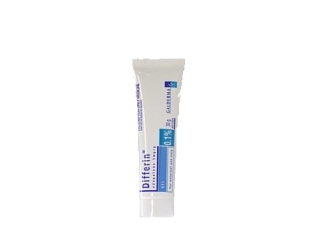
Differin (Adapalene) – Patient-Friendly Guide (Australia)
Differin is a well-known skin medicine containing adapalene, a topical retinoid used for the treatment of acne. It helps improve clogged pores, reduce inflammation, and support clearer skin over time. This guide explains how Differin works, how to use it safely and effectively, what to expect, and important safety and interaction considerations for people in Australia.
At a Glance
- Active ingredient: Adapalene
- Type of medicine: Topical retinoid (for acne)
- Common uses: Acne (including comedones and inflammatory spots)
- How it’s applied: Thin layer to clean, dry skin
- Typical timeline: Results often begin after a few weeks; noticeable improvement may take 8–12 weeks
- Common side effects: Dryness, redness, peeling, mild irritation (especially at the start)
Basic Product Information
Differin (adapalene) is formulated as a topical medication, commonly available in gel form. Strengths may vary by product presentation. In Australia, availability may depend on the specific brand/strength and whether it is supplied as an over-the-counter or pharmacy item.
What it treats: Acne vulgaris, including blackheads, whiteheads, and inflamed pimples.
Who it’s for: People who want a topical acne treatment that targets clogged pores and helps normalise skin turnover.
Note: Always confirm the exact strength and directions on the package you receive.
Mechanism of Action (How Differin Works)
Adapalene is a retinoid. It works mainly by acting on skin cells in the follicle (where acne forms). Its key actions include:
- Normalising keratinisation: Helps prevent the buildup of dead skin cells inside pores.
- Reducing comedone formation: Decreases clogged pores (blackheads and whiteheads).
- Anti-inflammatory effects: Can reduce inflammatory processes associated with acne lesions.
- Supporting clearer pore flow: Helps improve the way pores shed and clear material.
Importantly, adapalene does not work instantly. Acne improvements generally occur as clogged pores gradually clear and skin turnover stabilises.
Pharmacokinetics (Absorption, Metabolism, and Elimination)
When applied to the skin as directed, adapalene is designed for local action on the skin surface and within the pores.
- Absorption: Systemic absorption is typically low after topical use.
- Distribution: Most of the effect is local to the skin; only small amounts reach the bloodstream.
- Metabolism: Any absorbed drug is metabolised in the body.
- Elimination: Metabolites are eliminated mainly through normal body excretory pathways.
Practical meaning: Because systemic absorption is generally low, the risk of whole-body side effects is usually limited when used correctly on intact skin. However, skin irritation is common, especially when starting or using too much.
Typical Use and Indications
Indications
Differin (adapalene) is indicated for the topical treatment of acne vulgaris, including:
- Comedonal acne: blackheads and whiteheads
- Inflammatory acne: papules and pustules
What it may be used for in practice
- Monotherapy for mild to moderate acne
- Combination with other acne treatments (such as benzoyl peroxide or topical antibiotics), depending on your skin needs and product tolerability
Combination guidance: If combining with other acne actives, introduce one product at a time to reduce irritation and determine what suits your skin.
How to Use Differin (Dosing and Timing)
Typical dosing: Apply a thin layer to the affected areas.
Common application pattern:
- Start with once daily (often at night)
- If irritation occurs, reduce frequency (e.g., every second night) and gradually build up as tolerated
Step-by-step practical dosing instructions
- Cleanse: Wash with a gentle cleanser.
- Dry completely: Wait until skin is dry before applying.
- Apply sparingly: Use a pea-sized amount for the whole face (or a small amount for smaller areas, such as the chin).
- Even coverage: Spread thinly; avoid heavy coating.
- Avoid sensitive areas: Keep away from eyes, lips, corners of the nose, and any broken or irritated skin.
- Moisturise if needed: A moisturiser can reduce irritation; use as tolerated.
Timing
- Night use is common because it’s easier to avoid sunlight exposure immediately after application.
- If you apply in the morning, use sunscreen (see sun guidance below).
How long to use for best results
- Early changes: Some improvement may be noticed after 4–6 weeks.
- Typical full effect: Assess around 8–12 weeks.
- Initial flare possibility: Some people experience increased breakouts early on (often settles with continued use).
What to Expect: Common Side Effects and Safety Profile
Most common side effects
Because adapalene affects skin turnover, local irritation is common, especially at the start:
- Dryness
- Redness (erythema)
- Peeling or flaking
- Burning or stinging
- Skin discomfort
Serious side effects (seek advice promptly)
Stop use and seek medical advice if you develop severe reactions such as:
- Severe swelling, blistering, or widespread rash
- Signs of allergic reaction (e.g., intense itching, hives)
- Severe irritation that does not improve with dose reduction and moisturising
Who should be extra cautious
- Very sensitive skin or history of eczema flare-ups
- People using other strong skincare actives (see “food and medicine interactions” and “practical tips” sections)
- Those with sunburn or skin damage
Sun Protection and Skin Barrier Care (Important)
Topical retinoids can increase sensitivity to the skin. For acne treatment, good sun protection matters.
- Use sunscreen daily (broad spectrum SPF 30+ is commonly recommended).
- Avoid sun exposure during peak times where possible.
- Use a gentle moisturiser to support the skin barrier.
- If irritation is significant, consider reducing application frequency.
Food Interactions
Food interactions: There are no known direct food interactions that affect topical adapalene in the way that some oral medicines do.
Practical note: Acne can be influenced by diet for some people, but this is separate from any direct interaction with adapalene. If you have concerns about diet and acne triggers, consider discussing options with a healthcare professional.
Alcohol and Medicine Interactions
Alcohol
There is no established direct interaction between topical adapalene and alcohol. However:
- Skin sensitivity: Alcohol-containing skincare products (such as some toners) may worsen irritation.
- Increased irritation risk: Avoid using harsh, drying products alongside Differin—particularly at the start.
Interactions with other acne medicines and skincare actives
Adapalene is often used alongside other acne therapies, but some combinations may increase irritation. Use caution with:
- Other retinoids (topical or systemic) – avoid unless specifically advised.
- Strong exfoliants (e.g., scrubs, high-strength acids like glycolic or salicylic peels) – may increase dryness and peeling.
- Topical benzoyl peroxide – can be used by some people; however, introduce carefully and monitor irritation.
- Topical antibiotics – commonly combined in acne regimens; follow the overall routine carefully.
When to separate products in your routine
- If using another active, consider alternating days initially (e.g., adapalene at night on one day, different active the next).
- Use a moisturiser between actives if your skin is reactive.
General principle: Start slowly and build a routine your skin can tolerate.
Practical Use Tips for Better Results and Less Irritation
- Apply to dry skin: Let your face dry completely after washing.
- Use a “pea-sized” amount: More medicine does not mean faster results; it often means more irritation.
- Moisturise: A gentle moisturiser can reduce dryness. Many people use moisturiser before and/or after applying Differin.
- Be consistent: Acne treatment works with regular daily use over weeks.
- Don’t pick or scrub: Gentle cleansing only—avoid abrasive exfoliation.
- Protect hairline and sides of nose: These areas can dry out easily—apply lightly and carefully.
If irritation becomes troublesome
- Reduce to every second night or fewer applications until skin calms.
- Use moisturiser more often.
- Pause and seek professional advice if you develop severe rash or burning.
Alternative Options for Acne (What You Can Consider)
If Differin isn’t suitable, doesn’t suit your skin, or you need a different approach, several alternative acne treatments exist:
Other topical acne treatments
- Benzoyl peroxide: Helps reduce bacteria and inflammation; may be used for inflammatory acne.
- Salicylic acid: Aids exfoliation and helps unclog pores.
- Topical antibiotics: Sometimes used for inflammatory acne as part of combination regimens.
- Azelaic acid: Can help with redness and mild acne; often better tolerated by sensitive skin.
Oral options (only if clinically indicated)
For moderate to severe acne, healthcare professionals may consider oral treatments. Examples can include oral antibiotics or hormonal options for suitable patients. Availability and appropriateness depend on your individual situation.
Tip: Choosing an alternative depends on acne type (comedones vs inflammatory), skin sensitivity, and how quickly you need results.
Market and Legal Context for Australia (General Information)
In Australia, medicines are regulated by the TGA (Therapeutic Goods Administration). Acne products may be supplied in different categories depending on strength and formulation. Differin (adapalene) is typically available via pharmacy channels in many cases, with specific listings depending on the product and concentration.
Important: Always follow the directions provided with your specific product and purchase only from reputable sources to ensure correct formulation and quality.
Recent Guidance and Practical Updates (What to Watch For)
While acne treatment guidance can evolve, the following principles remain widely consistent in modern dermatology practice:
- Start low and go slow for retinoids to reduce irritation.
- Expect delayed improvement (8–12 weeks is common for meaningful results).
- Prioritise skin barrier care (gentle cleanser, moisturiser, sunscreen).
- Avoid combining too many strong actives at once to minimise dermatitis.
For the most current advice on acne treatment and product category in Australia, consult a qualified healthcare professional or the latest consumer medicine information (CMI) that comes with your product.
Delivery and Availability in Australia (What to Expect)
Online pharmacies commonly offer delivery within Australia. Availability of Differin may depend on:
- Stock levels and the particular strength/formulation
- Packaging size available
- Regulated supply arrangements for that product listing
Delivery considerations: Delivery times vary by provider and location. At checkout, you should see estimated dispatch times and delivery windows. Please ensure your delivery address is correct to avoid delays.
How to Store Differin
- Store at room temperature (follow the package directions).
- Keep the tube tightly closed.
- Protect from excess heat and direct sunlight.
- Keep out of reach of children.
Frequently Asked Questions (FAQ)
1) When will my acne improve?
Many people notice some improvement after 4–6 weeks, with clearer skin often becoming more apparent after 8–12 weeks. If you experience an early flare, it typically settles with continued use and good moisturising.
2) How much Differin should I apply?
Use a thin layer. For most faces, a pea-sized amount is usually enough. Applying more can increase irritation without speeding results.
3) Can I use Differin with moisturiser?
Yes—many people benefit from moisturising. You may apply moisturiser before and/or after Differin. If your skin is very dry, moisturiser can be especially helpful.
4) Is it okay to use Differin on sensitive areas?
Apply carefully and avoid the eyes, eyelids, lips, corners of the nose, and any broken skin. If you accidentally get some in these areas, rinse with water promptly.
5) What if my skin gets very dry or red?
Reduce application frequency (for example, every second night) and moisturise more often. If irritation is severe or persistent, stop and seek advice from a healthcare professional.
6) Can I use Differin every day?
Many people start once daily at night and continue if tolerated. If you develop significant irritation, it’s often better to start with less frequent use and gradually increase.
7) Can I use Differin with sunscreen?
Yes. Sunscreen is strongly recommended during retinoid treatment. Choose a gentle, non-comedogenic moisturiser or sunscreen if you’re acne-prone.
8) Can I combine Differin with other acne products like benzoyl peroxide?
Some acne routines combine actives, but irritation is possible. If you combine, consider introducing one product at a time and monitor skin tolerance. If in doubt, consult a pharmacist or healthcare professional.
9) Does Differin bleach clothes or towels?
Topical adapalene is not known for bleaching like some other products (e.g., benzoyl peroxide). Still, allow the product to dry fully before dressing or sleeping on fabric to minimise staining risk.
10) Can I drink alcohol while using Differin?
Topical adapalene has no known direct interaction with alcohol. However, avoid alcohol-containing skincare that may increase dryness, and maintain general skin comfort.
Summary
Differin (adapalene) is an effective topical acne treatment that helps prevent clogged pores and reduces inflammation. The key to success is consistent, thin, correct application and supporting your skin barrier with gentle cleansing, moisturising, and daily sun protection. Results typically develop over 8–12 weeks. If you experience significant irritation or an unexpected reaction, reduce frequency or seek advice from a qualified healthcare professional.
Always read the consumer medicine information included with your Differin product and follow the specific instructions for your formulation and strength.
How Differin Compares to Common Acne Ingredients
| Ingredient | Main action | Common suited acne type | Typical considerations |
|---|---|---|---|
| Adapalene (Differin) | Normalises pore cell turnover; anti-inflammatory | Blackheads/whiteheads and inflammatory acne | Dryness/peeling possible—start slowly and moisturise |
| Benzoyl peroxide | Reduces acne-causing bacteria; helps inflammation | Inflamed pimples and pustules | Can be drying; may irritate sensitive skin; may bleach fabrics |
| Salicylic acid | Exfoliates; helps unclog pores | Comedonal acne | May cause dryness; choose low to moderate strengths if sensitive |
| Azelaic acid | Helps with acne and redness | Mild to moderate acne; acne-related redness | Often well tolerated; may cause mild dryness or tingling |