Adapalen (Topical) — Patient-Friendly Guide (Australia)
Adapalen is a topical medicine used to treat acne and help keep skin clearer over time. It belongs to a group of medicines called retinoids (specifically, a topical retinoid). When used consistently, adapalene can reduce the formation of comedones (clogged pores), improve skin texture, and support long-term acne control.
This page is designed to help you understand how adapalene works, how to use it safely, what to expect during the first weeks, and what to consider regarding food, alcohol, other medicines, and delivery availability in Australia.
Basic product information
| Category | Details |
|---|---|
| Active ingredient | Adapalene |
| Type | Topical retinoid (applied to the skin) |
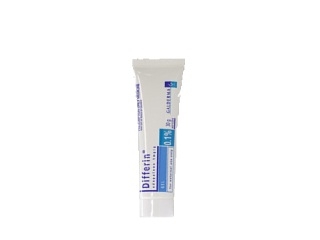
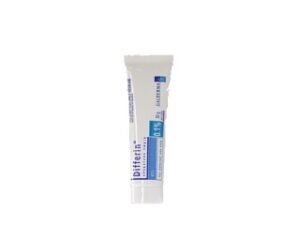
| Common strengths (varies by brand/form) | Often available as 0.1% cream/gel |
| Formulations | Creams and gels (choose the one that suits your skin and tolerance) |
| Typical use | Acne vulgaris (comedonal, inflammatory, or mixed acne) |
| Where applied | Usually the acne-prone areas (e.g., face; sometimes chest/back depending on the product and clinician advice) |
Note: Product brands, strengths, and packaging can differ. Always check the specific instructions on the product label and the consumer medicine information (CMI) that comes with your item.
How adapalene works (mechanism of action)
Adapalene works on acne at the source by influencing how skin cells behave inside pores. It acts as a selective retinoid receptor modulator, helping to:
- Prevent clogged pores: Normalise “desquamation” (the shedding process of skin cells) to reduce the build-up of keratin that forms comedones.
- Reduce inflammation: Acne is not only clogged pores; inflammation plays a major role. Adapalene has anti-inflammatory effects within the skin.
- Improve skin texture: Over time, it can help reduce the look of roughness and bumps associated with acne.
Because it targets the underlying process of acne, adapalene is often more effective with consistent, long-term use than with sporadic application.
Pharmacokinetics (what the body does with it)
Topical adapalene is applied to the skin, and only a small amount is absorbed through the skin surface under typical use conditions. Key practical points:
- Local action: The main effects occur in the skin where it’s applied.
- Low systemic absorption: Most of the medicine remains on the skin surface and within the outer layers.
- Metabolism and elimination: Any absorbed portion is processed by the body and cleared over time; however, clinically relevant systemic effects are uncommon when used correctly as directed.
- Accumulation: With proper use, steady effects come from repeated topical exposure rather than from major systemic accumulation.
Why this matters for you: Because systemic absorption is low, adapalene is generally considered suitable for many people when used as directed. Still, skin irritation can occur, so tolerability is important.
Typical use and indications
Adapalene is used to manage acne. Depending on product strength and formulation, it may be used for:
- Comedonal acne (blackheads and whiteheads)
- Inflammatory acne (papules and pustules)
- Mixed acne (a combination of both)
Common areas: Face is the most common. Some products are also used on the chest or back when acne involves those areas—follow the product directions and/or clinician advice for your specific situation.
When to use it: timing and how long it takes
Adapalene is commonly applied once daily in the evening. Evening use is often preferred because it may be less likely to interfere with daytime skin care steps and because sunscreen can be part of the daytime routine.
Typical timeline (what to expect)
- Weeks 1–2: Some people experience mild dryness, redness, or a “purge” of early breakouts as the skin adjusts. This doesn’t happen to everyone.
- Weeks 3–6: Gradual improvement may begin. Skin irritation can still occur, especially if applied too frequently or too much.
- 8–12 weeks: Many people see clearer, more even results with consistent use.
- Beyond 12 weeks: Continued improvement and maintenance may occur.
Tip: If you’re unsure whether the results are “working,” it’s usually best to allow at least 8–12 weeks of correct use before judging—unless irritation is severe.
How to dose and apply adapalene (patient-friendly dosing)
Always follow the dosing instructions on your specific product label/CMI. Typical directions for topical adapalene include:
Standard dosing approach (for adults and adolescents, as directed by product information)
- Frequency: Usually once daily.
- Amount: Use a thin layer over the affected area.
- Coverage: Apply to acne-prone areas (not just individual spots), unless your product instructions differ.
- Contact time: It is generally left on the skin (do not wash it off after application).
Practical step-by-step application
- Wash: Gently cleanse your skin with a mild cleanser and pat dry.
- Wait (if skin is sensitive): Allow skin to dry completely before applying.
- Apply a thin layer: Use a small amount—often described as a “pea-sized” amount for the whole face, depending on your area of coverage.
- Avoid sensitive areas: Do not apply to eyes, lips, corners of the nose, or broken skin.
- Moisturise if needed: A moisturiser can reduce irritation. Some people apply moisturiser before and after adapalene (“sandwich” method).
Starting if you have sensitive or reactive skin
If you’re new to retinoids or you have dry or sensitive skin, a gradual approach can help:
- Start with every second night for 1–2 weeks.
- Then move to once nightly if tolerated.
- If irritation returns, step back to a less frequent schedule and build gradually.
Do not increase the dose or apply more frequently to “speed up” results—this increases irritation and can worsen the overall course.
Food interactions
Food interactions are generally not expected with topical adapalene because absorption into the bloodstream is low. There’s typically no need to adjust your diet while using adapalene.
However, acne can be influenced by overall diet and health habits. If you notice that certain foods seem to trigger breakouts, discuss this with a healthcare professional and consider an evidence-based approach rather than sudden extreme dietary changes.
Alcohol and medicine interactions
Alcohol interactions: Because adapalene is applied to the skin and systemic exposure is low, direct alcohol interactions are unlikely. That said, acne management can be affected by overall skin health and dehydration, and alcohol can sometimes worsen inflammation or interfere with sleep.
Other medicines: Interactions are more likely to involve other topical skin products than alcohol. Be cautious when using combinations that may increase irritation.
Be careful with “drying” or irritant combinations
- Other topical retinoids (avoid combining unless directed)
- Strong exfoliants (e.g., scrubs, aggressive chemical peels)
- Products containing alcohol that dry the skin (some toners)
- Topical benzoyl peroxide: often compatible for acne, but it can increase irritation in some people—check product guidance and consider spacing or moisturising.
- Topical salicylic acid: may be irritating if overused
If you’re using other acne products, consider introducing them one at a time and allow your skin to adapt.
Safety profile and side effects
Most side effects are skin-related and reflect irritation from adapalene’s action on skin cell turnover and anti-acne pathways.
Common side effects
- Dryness
- Redness
- Peeling or flaking
- Stinging or burning
- Itching
- Mild worsening of acne early on (not always)
Less common or severe reactions (seek advice urgently)
- Severe swelling or blistering
- Severe rash or widespread irritation
- Signs of allergy (e.g., hives)
What to do if irritation is significant: Reduce frequency (e.g., every second night), use moisturiser, ensure you’re applying a thin layer, and avoid other potentially irritating products. If symptoms persist or worsen, speak with a healthcare professional.
When to be extra cautious
- Very sensitive skin or eczema history
- Sunburned skin (avoid applying until skin recovers)
- Broken skin (do not apply)
Practical use tips for better results and comfort
- Use sunscreen daily: Retinoids can make skin more sensitive. Choose a broad-spectrum sunscreen (SPF 30+ or as advised) and reapply if outdoors.
- Moisturise strategically: If skin is dry, use a gentle moisturiser. “Sandwich” technique may help: moisturiser → adapalene → moisturiser.
- Cleanser choice matters: Avoid harsh cleansers. Use mild, fragrance-free options if you’re prone to irritation.
- Apply to dry skin: Let your face dry fully after washing.
- Don’t over-apply: More isn’t better—too much increases irritation.
- Be patient: Acne improvements often take weeks.
- Avoid picking: Picking can worsen inflammation and scarring.
What about pregnancy and breastfeeding?
Retinoids can be associated with concerns during pregnancy. Because topical medicines may still have some systemic absorption, it’s important to discuss use with a healthcare professional if you:
- Are pregnant
- Are trying to conceive
- Are breastfeeding
Follow product guidance and seek medical advice for the safest acne treatment options during these times.
Alternative acne options (if adapalene isn’t suitable)
Many acne treatments work through different mechanisms. Alternatives may include:
Topical options
- Benzoyl peroxide (helps reduce acne bacteria and inflammation)
- Salicylic acid (helps with clogged pores)
- Azelaic acid (gentler anti-inflammatory option for some people)
- Topical antibiotics (often used in combination strategies to reduce resistance, as advised)
Non-topical options
- Oral antibiotics for moderate-to-severe inflammatory acne (depending on clinician assessment)
- Hormonal therapies for some individuals (e.g., acne linked to hormones)
- Isotretinoin for severe, persistent acne under strict specialist oversight
Your best choice depends on acne type, severity, skin sensitivity, and how you respond to treatment. A staged approach—starting with a gentle routine and increasing gradually—can often help.
Market and legal context for Australia (overview)
In Australia, acne treatments are regulated through the Australian Register of Therapeutic Goods (ARTG) and are made available according to their classification and intended use. Availability can vary by:
- Brand and formulation (cream vs gel; different strengths)
- Whether the product is listed as an OTC supply or under specific pharmacy conditions
- Age and consumer medicine information requirements
Online pharmacy supply in Australia typically requires that products be dispensed or sold in line with applicable Australian therapeutic goods rules, retailer policies, and product labelling/consumer information.
Always check: that the product you order is appropriate for your age group and acne condition, and that the packaging matches the active ingredient and strength you intend to use.
Recent guidance and practical advice trends
While specific “recent guidance” can vary by local medical bodies and guideline updates, the general consensus in acne management includes:
- Start low and go slow with topical retinoids to reduce irritation.
- Use moisturiser and sunscreen as part of retinoid routines.
- Avoid unnecessary combinations that increase irritation.
- Allow enough time (often 8–12 weeks) to assess effectiveness.
- Adherence matters: Consistent application is key to meaningful improvement.
If you experience persistent side effects or your acne worsens significantly, consider seeking advice for an adjusted regimen.
Delivery and availability in Australia
Adapalene products may be available through Australian pharmacies and online pharmacy services depending on stock and product listings. Availability can be influenced by:
- Brand selection and formulation (cream/gel)
- Strength and pack size
- Seasonal demand and supply chain timing
Delivery expectations: Shipping times vary by location (metropolitan vs regional) and carrier service. At checkout, you typically receive estimated delivery dates and tracking information.
Tip: Before ordering, confirm the product strength and whether it is cream or gel, then match it to your skin tolerance preferences.
How to store adapalene
- Store at room temperature unless the label says otherwise.
- Keep the container tightly closed.
- Avoid exposure to direct sunlight and heat.
- Keep out of reach of children.
FAQ
1) How should I start adapalene if I’ve never used a retinoid before?
Many people begin with every second night for 1–2 weeks, then move to once nightly if tolerated. Apply a thin layer to clean, fully dry skin and use a moisturiser to reduce dryness.
2) Will adapalene make my acne purge or get worse at the start?
Some people notice temporary worsening or new spots early in treatment as the skin adjusts. This is not guaranteed, but it can happen. If irritation is severe or the skin becomes very inflamed, adjust frequency and speak with a healthcare professional.
3) Can I use adapalene with sunscreen and moisturiser?
Yes—sunscreen and moisturiser are strongly recommended. Daily sunscreen helps protect your skin. A gentle moisturiser can significantly improve comfort and reduce peeling.
4) Can I use adapalene with benzoyl peroxide?
Many acne routines use both, but they can increase dryness in some people. If your skin is sensitive, you may need to separate applications (e.g., different times of day) or introduce one product at a time. Follow product instructions and seek advice if unsure.
5) How long does it take to see results?
Improvements may begin after several weeks, but it often takes 8–12 weeks of consistent use to judge effectiveness. Early skin irritation can also occur, which may settle as your routine improves.
6) What should I do if I miss an application?
Apply it when you remember if it’s close to the usual time. If it’s almost time for the next dose, skip the missed dose—do not apply extra to “catch up.”
7) Can I drink alcohol while using adapalene?
There are typically no direct alcohol interactions with topical adapalene because systemic absorption is low. However, alcohol can affect sleep and general inflammation, so moderation and good skin-care habits are still beneficial.
8) Are food interactions expected?
Topical adapalene generally has no meaningful food interactions. Diet may still influence acne patterns for some individuals, but you usually don’t need to change eating habits because of adapalene itself.
9) What if I get excessive redness, burning, or swelling?
Reduce application frequency or stop temporarily and allow the skin to settle. If symptoms are severe, persistent, or suggest a reaction (such as swelling or widespread rash), seek advice promptly.
10) Is adapalene suitable for teenagers?
Many topical acne treatments are used in adolescents, but suitability depends on the product’s labelled directions and age guidance. Follow the product instructions and consider professional advice for the best approach.
Summary
Adapalene is a topical retinoid used to treat acne by helping prevent clogged pores and reducing inflammation. Most people apply it once daily in the evening in a thin layer to acne-prone areas. The key to success is consistent use, a gentle skincare routine, and patience—often 8–12 weeks are needed to see the best results.
If you have sensitive skin, build up gradually, moisturise regularly, and protect your skin with daily sunscreen. If you’re unsure how to combine adapalene with other acne treatments or you experience significant irritation, consider speaking with a healthcare professional or pharmacist.