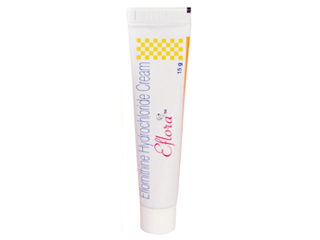
Eflornithine (Eflornithine Hydrochloride) — Patient-Friendly Product Information (Australia)
Eflornithine is a medicine used to treat certain parasitic infections and, in some settings, to reduce unwanted facial hair. This page explains how eflornithine works, how it is used, what to expect, and important safety information.
If you have questions about suitability for you or your circumstances, speak with a qualified healthcare professional.
1) Basic product information
- Generic name: Eflornithine (often as eflornithine hydrochloride)
- Common uses: Treatment of African trypanosomiasis (“sleeping sickness”) and topical use for excessive facial hair in selected patients
- Typical forms: Oral or intravenous forms may be used for systemic treatment; topical form is available in some markets for facial hair reduction
- Manufacturer/brand: Availability varies by product type and supply
Product availability can vary between brands and formulations in Australia. Your pharmacist can confirm the exact product you are purchasing and how it should be used.
2) Mechanism of action (how it works)
Eflornithine works by interfering with the production of key substances the parasite needs to survive and multiply. The medicine blocks ornithine decarboxylase, an enzyme involved in the synthesis of polyamines.
- For parasitic disease: By reducing polyamine production, eflornithine slows or stops the parasite’s growth.
- For facial hair reduction (topical use): Targeting the same pathway in hair follicles helps reduce the ability of hair follicles to produce and maintain facial hair.
Overall, eflornithine has a targeted effect on metabolic pathways that matter to the condition being treated.
3) Pharmacokinetics (what the body does to the medicine)
“Pharmacokinetics” describes how the body absorbs, distributes, metabolizes, and eliminates a medicine. Exact values can differ by formulation, route (topical vs systemic), and patient factors.
- Absorption: Systemic formulations are absorbed and distributed throughout the body. Topical absorption is typically lower and mainly affects the local area.
- Distribution: For systemic use, the medicine distributes into tissues and may reach the central nervous system in some clinical contexts (depending on the infection stage and treatment regimen).
- Metabolism: Eflornithine is not extensively dependent on complex hepatic metabolism in many clinical descriptions.
- Elimination: The medicine is generally cleared by the kidneys. Kidney function can therefore affect exposure.
Your prescriber or pharmacist may request kidney-related information for safe dosing when systemic therapy is used.
4) Typical indications (what it’s used for)
Eflornithine use depends on the formulation and local clinical guidelines. Common indications include:
- African trypanosomiasis (“sleeping sickness”): Used as part of treatment for infection caused by certain subspecies of Trypanosoma brucei.
- Hirsutism (selected cases): Topical eflornithine may be used to reduce unwanted facial hair in some patients (commonly women with certain patterns of hair growth), based on local product availability and clinical criteria.
If you’re using eflornithine for facial hair reduction, understand that it works gradually and is intended for ongoing management of the condition, not a one-time cure.
5) Dosing and timing (general guidance)
Dosing depends strongly on the condition being treated and the formulation supplied. The information below provides general orientation, but always follow the specific instructions provided with your product and the guidance of your healthcare professional.
5.1 Systemic use (for infection)
For systemic treatment (oral or intravenous), regimens are typically structured over days to weeks, with careful monitoring for safety and response. The exact schedule, dose, and duration depend on:
- Which infection stage is present (for example, whether there is involvement of the central nervous system)
- Your body weight and kidney function
- Any combination medicines used alongside eflornithine
Important: Systemic therapy should only be taken under medical supervision and according to a structured regimen because response and safety need monitoring.
5.2 Topical use (for facial hair reduction)
Topical eflornithine is usually applied in a repeating schedule. Patients commonly need:
- Consistent application: Results rely on steady use
- Time: Noticeable changes often take weeks, not days
- Sun protection: Skin may be more sensitive while using topical treatments
The label for your specific product will outline exactly how much to apply and how often. If you tell us your product form (cream/gel, strength, and brand), we can help interpret the label instructions accurately.
6) When to start and what to expect
6.1 Starting treatment
For systemic infections, starting promptly is crucial. For topical facial hair reduction, starting at a time when you can maintain routine application is important.
6.2 How quickly it works
- Systemic infection treatment: Clinical improvement can take days to weeks depending on severity and treatment combination.
- Topical facial hair reduction: You may notice initial slowing or changes within several weeks; fuller results may take longer.
If symptoms worsen, do not improve, or you experience significant adverse effects, contact a healthcare professional promptly.
7) Food interactions
Food interactions depend on the route and formulation:
- Systemic (oral) forms: Some medicines are taken with or without food. Unless your product instructions specify otherwise, follow the label guidance. If you experience stomach upset, taking with a meal (if permitted) may improve tolerance.
- Topical forms: Food does not directly interact with topical application.
If you are unsure how your specific form should be taken, ask your pharmacist to confirm the best approach.
8) Alcohol and medicine interactions
8.1 Alcohol
Guidance on alcohol varies by the condition being treated and any co-medications. As a general precaution:
- Avoid or limit alcohol during treatment, especially with systemic therapy, because alcohol can worsen dehydration, sleep disruption, and overall health while you’re trying to recover.
- If you are taking other medicines as part of your regimen, check their alcohol advice too.
8.2 Interactions with other medicines
Eflornithine may interact with other medicines depending on route and regimen. Key practical points:
- Kidney-related medicines: Because clearance can involve the kidneys, inform your healthcare professional about medicines that may affect kidney function.
- Other prescribed treatments: If used for infection, it is commonly given in specific protocols; other medicines in the regimen may influence safety and monitoring.
- Vaccines and supplements: Always review all supplements and over-the-counter products you take, including herbal products.
For the safest use, provide a complete list of your current medicines (including vitamins and “natural” products) when discussing therapy.
9) Safety profile (common side effects, serious risks, and precautions)
Like all medicines, eflornithine can cause side effects. Many are mild and temporary, but some require urgent medical attention. Your risk depends on dose, route, duration, and your overall health.
9.1 Common side effects
- Topical: Skin dryness, irritation, redness, burning/tingling, or itching at the application site.
- Systemic: Nausea, vomiting, loss of appetite, headache, diarrhoea, fatigue. Injection-related reactions may occur with intravenous treatment.
9.2 Serious side effects (seek urgent advice)
Seek urgent medical attention if you experience symptoms such as:
- Severe allergic reaction: Swelling of face/lips/tongue, difficulty breathing, severe rash
- Severe skin reactions: Widespread blistering, peeling, or painful rash
- Neurological symptoms: Significant confusion, severe dizziness, or worsening weakness (especially with systemic therapy)
- Signs of infection or complications: Persistent fever or unexpected worsening during treatment
This is not a complete list. If you’re concerned about any symptom, contact a healthcare professional.
9.3 Precautions
- Kidney function: People with impaired kidney function may need different dosing or closer monitoring for systemic use.
- Skin integrity (topical): Avoid applying to broken, inflamed, or infected skin unless a clinician advises otherwise.
- Pregnancy/breastfeeding: Safety depends on the condition being treated and the route of administration. Discuss risks and benefits with a healthcare professional.
- Children: Use in paediatric patients should follow specialist guidance and product-specific recommendations.
10) Practical use tips
10.1 For topical eflornithine
- Apply to clean, dry skin and use the amount specified for the area.
- Wash hands before and after application.
- Avoid eyes, lips, and mucous membranes.
- Be gentle when shaving or grooming; treat the area carefully to reduce irritation.
- Use sunscreen on treated areas, particularly if skin becomes more sensitive.
- Don’t stop early if results are slower than expected—use consistently and reassess with your clinician or pharmacist after a suitable trial period.
10.2 For systemic eflornithine
- Follow the schedule precisely. For infection, timing matters for effectiveness.
- Stay hydrated and report vomiting/diarrhoea promptly, as dehydration can affect tolerability and kidney function.
- Keep follow-up appointments for monitoring and to assess response to therapy.
- Tell your healthcare team about any new symptoms during treatment.
11) Alternative options
Alternatives depend on the indication (infection vs facial hair reduction) and may include different medicines or approaches. Your clinician can recommend the most appropriate option based on the cause of your condition and your medical history.
11.1 If using for African trypanosomiasis
Treatment options can include other antitrypanosomal medicines and supportive care. Choice depends on the organism, stage of disease, and local guidelines.
11.2 If using for facial hair reduction
Alternatives for unwanted facial hair may include:
- Other topical treatments for hair growth reduction (where available)
- Cosmetic approaches such as laser hair reduction or electrolysis
- Hormonal approaches when hair growth is driven by underlying endocrine causes (only under medical guidance)
A pharmacist can help you understand what options are available in Australia and whether they suit your goals and skin type.
12) Market, legal, and guidance context for Australia
In Australia, medicines are regulated under the Therapeutic Goods Administration (TGA) framework. What is available and how it can be supplied depends on:
- TGA listing and classification (for example, whether a medicine is scheduled or restricted)
- Whether a formulation is approved for a specific indication
- Supply chain availability and whether the product is stocked locally
Clinical guidance for specific conditions (such as African trypanosomiasis) is typically issued by health authorities and medical societies, and may evolve as new evidence becomes available.
12.1 Recent guidance (high-level)
While local protocols may vary, recent global trends in infectious disease treatment and dermatologic care generally emphasize:
- Early, accurate diagnosis and appropriate staging for infections
- Use of guideline-based regimens and careful monitoring for adverse effects
- Patient-centred counselling for topical facial hair treatments (realistic expectations and consistent application)
Your healthcare professional can provide the most current approach relevant to your situation.
13) Delivery and availability in Australia
Availability of eflornithine may differ depending on formulation (topical vs systemic) and current supplier stock. Online pharmacies typically manage ordering through:
- Local warehouse stock (if available)
- Pharmacy supply chain sourcing (when not held locally)
- Importation processes when allowed and necessary, subject to regulatory requirements
Delivery timeframes depend on your location, product availability, and the chosen delivery option. For the most accurate estimate, check the estimated dispatch/delivery details on the product page or contact support.
To protect privacy and ensure safe handling, products should be stored and transported appropriately. Topical products should be kept as directed on the label (commonly at controlled room temperature and away from direct sunlight).
14) Storage and handling
Always follow the storage instructions provided with your specific product. In general:
- Keep out of reach of children
- Store at the recommended temperature on the label
- Do not use after the expiry date
- Keep the container closed to protect against contamination and drying (for topical products)
15) FAQ
How long does it take to see results with topical eflornithine?
Many patients notice changes gradually. Visible reduction in facial hair typically takes several weeks of consistent use. For best outcomes, apply exactly as directed and allow sufficient time before judging effectiveness.
Can I shave or pluck while using topical eflornithine?
You can often continue grooming, but it’s best to be gentle to reduce irritation. Avoid applying to freshly irritated skin. If you notice burning, redness, or worsening irritation, pause aggressive grooming and seek advice from a pharmacist or clinician.
What should I do if I miss an application?
Apply the missed dose as soon as you remember if it is within the same dosing window. If it is close to the next scheduled application, skip the missed dose and continue your routine. Do not apply extra product to make up for a missed dose.
Is eflornithine safe for people with kidney problems?
Kidney function can affect clearance for systemic therapy. If you have kidney impairment, discuss safety and dosing requirements with your healthcare professional before using systemic eflornithine.
Can I drink alcohol while using eflornithine?
It’s usually safest to avoid or limit alcohol, particularly with systemic therapy, because alcohol can worsen dehydration and overall tolerance. If you’re taking other medicines alongside eflornithine, check their alcohol advice too.
What are signs of an allergic reaction?
Seek urgent medical attention if you experience swelling of the face/lips/tongue, difficulty breathing, or a severe widespread rash.
Where can I find the exact dose for my product?
The dosing schedule is determined by your specific product strength and formulation. Refer to the instructions included with your purchase and ask your pharmacist to confirm the correct dosing for your situation.
Are there alternatives to eflornithine?
Yes. Alternatives depend on the condition being treated. For facial hair reduction, options can include other topical approaches, cosmetic hair removal methods, or treatments targeting underlying hormonal causes. For infections, alternative antitrypanosomal regimens may be used according to guidelines.
16) Quick reference summary
| Topic | Key points |
|---|---|
| What it is | Eflornithine is a medicine that blocks ornithine decarboxylase, reducing polyamine production. |
| Common uses | Systemic treatment for certain parasitic infections; topical use for selected patients to reduce unwanted facial hair. |
| How to take/apply | Systemic regimens and topical application schedules differ—follow your product instructions. |
| Food interactions | For topical use, food is not relevant. For oral forms, follow label instructions; taking with food may help stomach upset if permitted. |
| Alcohol | Generally avoid or limit during treatment, especially systemic therapy. Check interactions with any co-medicines. |
| Safety | May cause irritation (topical) or gastrointestinal/systemic side effects (systemic). Seek urgent help for severe allergy or serious reactions. |
| When to expect results | Topical hair reduction often takes weeks. Systemic infection response varies by disease severity and regimen. |
Disclaimer: This information is general and intended to support patient understanding. It does not replace advice from a healthcare professional or instructions included with your specific medicine.