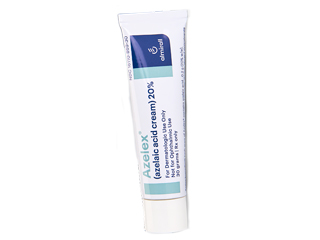
Azelex (Azelaic Acid) — Patient-Friendly Guide for Australia
Azelex is a topical medicine containing azelaic acid. It is used to help improve the look of acne and certain skin conditions. This guide explains what Azelex does, how it works, how to use it effectively, common safety considerations, and practical tips—tailored for people in Australia.
Key Product Information
- Active ingredient: Azelaic acid
- Form: Topical cream/gel (formulation may vary by brand and strength)
- Common uses: Acne (including inflammatory acne) and some pigment-related skin concerns such as melasma and post-inflammatory hyperpigmentation
- How it’s used: Applied to affected areas once or twice daily depending on the condition and tolerability
Note: Strengths and exact product presentation can differ between markets and suppliers. Always check the label or product packaging for the concentration and directions specific to your product.
How Azelaic Acid Works (Mechanism of Action)
Azelaic acid has multiple actions in the skin, which is why it can be helpful for more than one type of skin issue:
- Helps reduce acne formation: It can inhibit the growth of bacteria involved in acne and reduce inflammation.
- Normalises skin cell turnover: It helps prevent clogged pores by supporting healthier regulation of keratinisation.
- Anti-inflammatory effects: It can calm redness and swelling associated with inflammatory acne.
- Targets pigment: Azelaic acid can reduce excess pigment production and help lighten dark marks from acne and certain pigmentation disorders.
- Antioxidant activity: It may help protect against oxidative stress that contributes to inflammation and uneven pigmentation.
Because it works in several ways, improvements can be gradual—especially for acne and pigmentation.
Pharmacokinetics: What Happens After Applying Azelex?
Azelaic acid is applied to the skin. Its absorption is generally limited compared with medicines taken by mouth. In simplified terms:
- Topical absorption: A portion of azelaic acid can be absorbed through the skin, particularly if applied to larger areas or if the skin barrier is compromised.
- Distribution: After absorption, azelaic acid is distributed throughout the body in small amounts.
- Metabolism & excretion: Absorbed azelaic acid is largely broken down and eliminated, mainly through normal body clearance pathways.
Practical takeaway: For most people, systemic (whole-body) exposure is low, which contributes to the good safety profile of topical azelaic acid.
Typical Uses and Indications in Australia
Azelaic acid may be recommended for the following skin concerns:
- Acne vulgaris: Especially for mild to moderate inflammatory acne and acne-related redness.
- Post-inflammatory hyperpigmentation (PIH): Dark marks that can remain after pimples heal.
- Melasma: Patchy facial pigmentation (commonly on cheeks/forehead), often worsened by sun exposure.
- Rosacea-related redness (in some cases): Azelaic acid may be used where appropriate as part of a skincare plan for rosacea symptoms.
Important: Exact indications depend on the specific product, country listing, and your healthcare professional’s assessment. Packaging may also include specific approved uses.
Who Can Use Azelex?
Azelex is generally suitable for many adults, including those looking for an acne/pigmentation option that is not an oral medicine. Some people—such as those who are pregnant or breastfeeding—may still be able to use topical azelaic acid, but it’s important to follow professional advice and patch test first.
- Pregnancy and breastfeeding: Topical azelaic acid is widely used in dermatology and is often considered a relatively safe topical option. Still, ask a doctor or pharmacist if you are pregnant, trying to conceive, or breastfeeding.
- Children: Use in children should follow the product label and healthcare guidance.
- Sensitive skin: Start slowly and moisturise to reduce irritation.
How to Use Azelex: Dosing and Timing
Always follow the dosing instructions on your product label. Typical regimens are:
Common dosing patterns
- Once daily: Often used at the start to reduce irritation, especially for sensitive skin.
- Twice daily: Common for ongoing management if tolerated (e.g., morning and evening).
When to apply (timing)
- Wash the skin: Use a gentle cleanser and pat dry.
- Apply a thin layer: Cover affected areas and any acne-prone zones as directed.
- Wait before moisturiser: Many people apply moisturiser after azelaic acid has been absorbed (usually within a few minutes), but follow your comfort and product guidance.
- Sunscreen matters: For pigmentation, always apply broad-spectrum sunscreen (SPF 30+) during the day. This is one of the most important steps to see results and prevent worsening.
How long until you see results?
- Acne: Some improvement may be noticed after 4–6 weeks, with fuller results often after 8–12 weeks.
- Dark marks and melasma: Pigmentation changes are slower; results may take 2–4 months (or longer) and depend heavily on sun protection.
Tip: Don’t stop early if you see mild dryness or initial skin sensitivity—adjust the frequency instead (see “Practical Use Tips” below).
Food Interactions
Because Azelex is used on the skin, food interactions are not expected in the same way as oral medicines. You generally do not need to change your diet when using topical azelaic acid.
Alcohol and Medicine Interactions
Alcohol
No direct interaction with alcohol is typically expected for topical azelaic acid. However, if alcohol worsens your skin irritation or flushing (common in some people with rosacea), you may notice symptoms. If you observe this, consider reducing alcohol triggers and prioritise gentle skin care.
Other medicines and skincare interactions
Azelaic acid may be irritating if combined with other strong topical products. To reduce the risk of irritation:
- Avoid applying the same time as other potentially irritating actives (examples include strong exfoliants, high-strength retinoids, benzoyl peroxide, and very strong salicylic acid products) unless your skin tolerates the combination.
- Use a “spaced” routine: For example, apply azelaic acid at night and use other actives on alternate days.
- Moisturise: A bland moisturiser can help your skin adjust.
Tell your pharmacist or doctor about all skin products you use, including prescription and over-the-counter treatments, to check compatibility for your routine.
Safety Profile and Side Effects
Most people tolerate azelaic acid well, but topical irritation can occur—especially in the first few weeks.
Common side effects
- Skin dryness
- Redness
- Stinging or burning sensation (often mild and temporary)
- Itching
- Peeling or flaking
Less common effects
- Contact dermatitis (a sensitivity reaction)
- Worsening irritation if used too frequently or on broken skin
When to stop and seek advice
Seek medical advice promptly if you experience:
- Severe swelling, blistering, or rash spreading beyond the application area
- Intense burning that does not settle after reducing frequency
- Signs of allergy such as hives or facial swelling
Patch testing (highly recommended for sensitive skin)
Before full-face or full-area use, apply a small amount to a less noticeable area and wait 24–48 hours to see if irritation occurs.
Practical Use Tips for Best Results
- Start low and slow: If you’re new to azelaic acid, begin once daily (or every second night) for the first 1–2 weeks.
- Use a gentle cleanser: Avoid harsh scrubs, fragranced cleansers, and toners containing alcohol.
- Moisturise regularly: Choose a moisturiser labelled non-comedogenic or suitable for sensitive skin.
- Apply to clean, dry skin: Moist skin can increase stinging. Pat dry after cleansing.
- Use sunscreen daily: Particularly important for melasma and dark marks.
- Avoid the eye area and corners of the nose/lips: Use carefully; rinse with water if it gets into eyes.
- Don’t “over-apply”: A thin layer is usually enough. More product does not always mean faster results, and it increases irritation.
- Be consistent: Irregular use can slow improvement and prolong irritation.
Alternative Options for Acne and Pigmentation
If you’re considering alternatives, the best choice depends on the specific concern (acne vs pigment), skin sensitivity, and your routine. Common options include:
For acne
- Topical retinoids (e.g., adapalene, tretinoin—availability and form depend on local regulations)
- Benzoyl peroxide for acne bacteria and inflammation (may be drying)
- Salicylic acid (BHA) for clogged pores
- Azelaic acid alternatives: Some people switch within the same azelaic acid class or adjust vehicle type (cream vs gel) for comfort
For pigmentation (melasma/PIH)
- Other brightening agents (e.g., vitamin C, niacinamide)
- Topical retinoids (under professional guidance)
- Strict sun protection is essential regardless of the active ingredient
Important: Combining multiple strong actives can increase irritation. A stepwise routine often gives better long-term tolerance.
Australia Market and Legal Context (What to Expect)
In Australia, topical medicines like Azelex are supplied through legitimate channels and must meet local regulatory requirements. Availability can vary by supplier and formulation type.
- Quality and compliance: Products sold in Australia are expected to comply with the relevant standards for manufacturing and labelling.
- Label directions: Follow the directions on the packaging you receive. If you’re unsure, ask a pharmacist.
- Pharmacy support: Pharmacists can help you understand how to introduce azelaic acid into your routine and manage side effects.
Recent guidance (practical summary): Dermatology and consumer medicine practices increasingly emphasise gradual introduction to reduce irritation, consistent sunscreen use for pigment conditions, and appropriate spacing of actives to improve tolerability.
Delivery and Availability (Online Pharmacy in Australia)
Online pharmacies typically offer convenient delivery across Australia. Availability may depend on stock levels, formulation type (cream vs gel), and strength.
- Processing and dispatch: Orders are usually processed within standard business hours.
- Delivery estimates: Delivery times depend on location (metro vs regional) and courier service.
- Packaging: Medicines are generally packed to protect them during transit.
Tip: Check product listings for the exact formulation and concentration, and confirm postage options at checkout.
Storage Instructions
Follow the storage instructions on the product label. In general:
- Store at room temperature as directed
- Keep out of reach of children
- Keep the container tightly closed
- Check expiry date and discard if expired or damaged
Frequently Asked Questions (FAQ)
1) Is Azelex suitable for oily or sensitive skin?
Many people with oily skin tolerate azelaic acid well. If you have sensitive skin, start slowly (e.g., once daily or every second night), use moisturiser, and consider patch testing.
2) Will it bleach my skin?
Azelaic acid is used to help reduce excess pigmentation. It is not intended to “whiten” normal skin. Using sunscreen is essential to prevent uneven pigmentation and to support even-toning results.
3) Can I use Azelex with sunscreen and moisturiser?
Yes. Most people apply azelaic acid first, then moisturiser if needed, and use sunscreen each morning. If sunscreen stings, consider switching to a gentle, fragrance-free formula.
4) What if it stings when I apply it?
Mild stinging can happen, especially during the first weeks. Try:
- Apply to completely dry skin
- Use a smaller amount
- Reduce frequency (e.g., alternate nights)
- Use a moisturiser before or after application depending on what feels best
5) Can I use Azelex on the whole face?
It depends on your skin concern. For melasma and some pigmentation patterns, whole-face or area-focused application may be recommended. For acne, you may apply to affected zones. Avoid areas around the eyes and mouth unless specifically advised.
6) How should I fit Azelex into my routine with other acne treatments?
To reduce irritation, consider alternating products (e.g., azelaic acid on one night, another active on a different night). If you use benzoyl peroxide or strong exfoliating acids, spacing is often helpful. If unsure, ask a pharmacist for a routine plan.
7) How soon should I expect improvement?
Acne may improve in 4–6 weeks, with greater improvement by 8–12 weeks. Pigmentation may take 2–4 months (or longer), especially if sun exposure continues.
8) Can I use it every day?
Many people use it once or twice daily depending on tolerance. If irritation occurs, reduce frequency and increase gradually as skin adapts.
9) Are there any food interactions?
No meaningful food interactions are expected with a topical product like Azelex.
10) Does alcohol interact with Azelex?
No direct interaction is expected. However, alcohol may trigger flushing or irritation in some people, particularly those with rosacea.
Summary
Azelex (azelaic acid) is a topical option that can support clearer skin by reducing acne-related inflammation and helping improve pigment concerns such as dark marks and melasma. With consistent use—paired with gentle skincare and daily sunscreen—many people see gradual improvement over weeks to months. If irritation happens, adjust frequency and moisturise; and seek advice if you experience severe reactions.