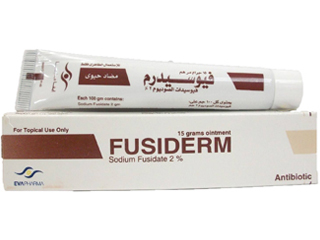
Fusiderm B (Betamethasone + Fusidic Acid) – Patient Information
Fusiderm B is a combination medicine used on the skin for conditions where there is both bacterial skin infection and inflammation. It contains:
- Fusidic acid – an antibiotic that targets bacteria
- Betamethasone – a corticosteroid that reduces redness, swelling and itching
This page explains how Fusiderm B works, when it may be used, how to apply it safely, and what to watch for. Always follow the instructions provided with your product and your healthcare professional’s advice.
Quick facts
- Active ingredients: Betamethasone + Fusidic acid
- Type: Topical (skin) combination antibiotic + steroid
- Use: Localised bacterial skin infections with significant inflammation
- Available as: Topical cream/ointment depending on product brand and pack
- Common application frequency: Often twice daily (check your specific label)
How Fusiderm B works (mechanism of action)
Fusidic acid (antibiotic component)
Fusidic acid is an antibiotic used against certain susceptible bacteria that can cause skin infections. It helps stop bacterial protein production, leading to reduced growth and clearance of the infection.
Betamethasone (corticosteroid component)
Betamethasone is a potent corticosteroid. It works by dampening the inflammatory response in the skin. This can reduce:
- Redness (erythema)
- Swelling (oedema)
- Itching and irritation
- Discomfort associated with inflammation
Why the combination matters: In some skin conditions, bacteria and inflammation occur together. Treating both can improve symptoms faster than using an antibiotic or steroid alone. However, it also means the steroid may reduce visible signs of infection, so it’s important to use the product only for appropriate conditions and for the advised duration.
Pharmacokinetics (how the body handles it)
Because Fusiderm B is applied to the skin, only a portion may be absorbed through the skin surface. The extent of absorption varies based on:
- The size of the area treated
- Whether the skin is broken or inflamed
- How long it is used
- Whether it is covered with occlusive dressings (covering that traps heat/moisture)
- Skin thickness (e.g., thinner skin in some areas)
General expectation: Topical corticosteroids can be absorbed more when used on large areas, for longer periods, or under occlusion. When absorption is higher, systemic effects are more likely.
Fusidic acid: As with many topical antibiotics, systemic absorption is generally limited when used correctly. Still, if applied to widespread areas or on damaged skin, more absorption may occur.
Metabolism and elimination: Specific pharmacokinetic details can vary by product formulation and patient factors. In general, corticosteroids absorbed through skin are metabolised in the body and eliminated mainly via the kidneys.
Typical uses and indications
Fusiderm B is used for skin infections where bacterial infection and inflammation are present together. It may be considered for certain conditions such as:
- Impetigo (particularly when inflamed and crusted lesions are present)
- Infected eczema or dermatitis with suspected bacterial involvement
- Infected skin lesions where the treating clinician judges that bacteria and inflammation coexist
Important: Fusiderm B is not appropriate for all rash-like skin problems. It should not be used for fungal infections (e.g., ringworm), viral infections (e.g., cold sores, chickenpox), or acne unless specifically directed. If you’re unsure whether your condition is bacterial, it’s safer to have it assessed.
When to apply it (timing)
Application schedules depend on the exact product label and your prescriber’s instructions. A common regimen for topical combination creams is:
- Typically 2 times daily (morning and evening)
- Apply a thin layer to the affected area
- Use for the shortest effective duration
Practical tip: Apply at consistent times each day, and maintain good hygiene of the affected area as advised (e.g., gently clean and pat dry before applying).
Dosing and how to use
General dosing guidance
Follow the instructions on your product packaging. In general:
- Apply a thin layer to the affected skin and gently rub in
- Wash your hands before and after application (unless the hands are the treated area)
- Use the medication for the duration advised even if symptoms improve sooner
How much to apply (amount)
A common approach is to apply enough to cover the affected area, typically as a thin coating. If you’re treating a large surface area, seek advice—topical steroids absorbed over large areas may increase risk of side effects.
Missed dose
- If you miss a dose, apply it when you remember.
- If it is close to the next dose, skip the missed one.
- Do not apply extra amounts to make up for a missed dose.
Food interactions
Food interactions are not expected with a topical medicine like Fusiderm B because it is applied to the skin. However, it’s still important to consider overall medication safety.
If you experience unexpected symptoms after using Fusiderm B, contact a healthcare professional. Do not stop other treatments without advice.
Alcohol and medicine interactions
Alcohol
There are no known direct alcohol interactions specific to Fusiderm B topical use. However, if you are taking other medicines (especially systemic treatments) or have a condition affecting liver function, discuss with a healthcare professional for personalised advice.
Other medicines
Systemic drug interactions are unlikely because Fusiderm B is used topically. Still, interactions may be more relevant due to:
- Overlapping topical therapies (e.g., using multiple creams on the same area)
- Other corticosteroids used by mouth or injection (increasing overall steroid exposure)
- Other antibiotics where resistance may be a concern if antibiotics are used unnecessarily
What to do:
- Tell your pharmacist if you are using other skin medications.
- Avoid using additional topical products on the same area unless advised.
- If you need to cover the area with dressings, do so only if instructed—occlusion can increase absorption of the steroid.
Safety profile and side effects
Common side effects
Like all medicines, Fusiderm B can cause side effects. Common or possible effects include:
- Local skin irritation or burning sensation
- Redness
- Dryness or peeling
- Itching
Less common but important risks
Because Fusiderm B contains a potent corticosteroid, potential risks—especially with prolonged use, large areas, thin skin areas, or occlusion—include:
- Skin thinning (atrophy)
- Stretch marks (striae)
- Worsening of skin infections (steroid can mask symptoms)
- Perioral dermatitis or acne-like rash (particularly around the mouth)
- Changes in skin colour at the application site
With any antibiotic, there is also a risk of:
- Skin sensitivity or allergic reaction
- Reduced effectiveness if used when not needed or for too long
Seek urgent medical help if
- You develop severe swelling, widespread hives, or difficulty breathing
- You notice a rapidly spreading infection, increasing pain, fever, or pus that worsens
- You experience significant blistering or severe rash
Practical use tips (getting the best results)
- Use only on the affected area: Apply a thin layer to lesions as directed.
- Do not apply to eyes: Avoid contact with eyes and inside the mouth.
- Avoid occlusion unless told: Covering the area with airtight dressings can increase steroid absorption and side-effect risk.
- Stop and get advice if it’s not improving: If there’s no improvement within the expected timeframe on the label or within a few days, seek medical advice.
- Don’t use longer than needed: Short course use helps reduce steroid-related skin changes and antibiotic resistance.
- Hygiene helps: For conditions like impetigo, gentle cleansing and avoiding sharing towels can help prevent spread.
- Wash hands: This reduces transfer to other body areas.
Special considerations
Children
Children’s skin can absorb topical medicines more readily than adult skin. Use in children should be guided by a healthcare professional and the product label instructions. Pay special attention to avoiding occlusion and treating only the intended area.
Pregnancy and breastfeeding
If you are pregnant or breastfeeding, discuss with a healthcare professional before using Fusiderm B. In general, topical corticosteroids should be used on limited areas and for short durations. If applying to areas near the breast, take care to avoid accidental ingestion by the baby.
Skin folds, face and genital areas
The skin in these areas is more sensitive and may experience side effects more easily. Potent steroids may carry higher risk of thinning and irritation in sensitive areas.
How long to use it / expected improvement
Fusiderm B is meant for short-term use for bacterial-inflammatory skin problems. Symptom improvement should be seen within a few days. Continue for the full advised course.
Contact a healthcare professional if:
- Your condition is not improving after a short trial (as indicated on your label or by advice you’ve been given)
- It worsens
- You develop new lesions beyond the treated area
Alternative options
Depending on the cause of your skin problem, alternatives may include:
Antibiotic-only topical treatments
- Topical antibiotics may be appropriate when inflammation is mild and infection is the primary issue.
Corticosteroid-only treatments
- For purely inflammatory (non-infectious) dermatitis, a steroid-only product may be considered.
Antifungal treatments
- If the rash is fungal, antifungal therapy is needed; using a steroid/antibiotic mix could worsen the condition.
Other combination therapies
- Some skin infections may respond better to different combinations depending on organism and local guidance.
The best option depends on the diagnosis. If you’re uncertain whether your rash is bacterial, ask a pharmacist or clinician for guidance.
Market and legal context for Australia
In Australia, medicines are regulated under the TGA (Therapeutic Goods Administration) and classification requirements (including whether products are listed as OTC or prescription-only). Product availability may vary by brand, formulation, and strength.
For topical antibiotic–steroid combinations, Australian pharmacy supply typically follows local product classification and prescribing/dispensing rules. Online pharmacy listings may also depend on the need for consultation or pharmacist review according to current regulations and the specific product category.
Important: Always ensure you purchase from a reputable Australian pharmacy or supplier to receive genuine product and correct formulation.
Recent guidance and responsible use (antibiotic stewardship)
Globally and in Australia, antimicrobial stewardship emphasises:
- Using antibiotics only when needed and for the shortest effective duration
- Avoiding unnecessary antibiotic use for non-bacterial rashes
- Seeking assessment when infections do not respond as expected
Because Fusiderm B includes an antibiotic, it’s important not to use it for conditions that are likely fungal or viral. If symptoms persist, consider review rather than repeating courses.
Delivery and availability
Online pharmacy availability in Australia can depend on stock levels and product classification. When ordered through a compliant Australian online pharmacy:
- Packaging: Medicines are typically shipped in sealed containers to maintain integrity.
- Delivery time: Varies by location and shipping option selected.
- Storage: Store according to label instructions (commonly at room temperature, away from direct heat and sunlight).
For the most accurate ETA and shipping options, check the checkout information on the retailer’s site.
FAQ
1) What is Fusiderm B used for?
Fusiderm B is used on the skin for certain bacterial skin infections that are also inflamed (e.g., some cases of impetigo or infected dermatitis where a clinician judges both infection and inflammation are present).
2) How do I apply it?
Wash your hands, apply a thin layer to the affected skin as directed (commonly twice daily), and then wash your hands again. Avoid eyes and do not apply to areas not affected.
3) When should I see improvement?
Many skin infections improve within a few days, but exact timing depends on the diagnosis and severity. If there is no improvement within the period advised on the label or by your healthcare professional, seek advice.
4) Can I use it on my face or around my eyes?
Use on sensitive areas should be limited and guided by a healthcare professional due to the steroid component. Avoid contact with the eyes.
5) Is Fusiderm B safe for children?
Children may be more susceptible to steroid absorption and side effects. Use only as directed by the product label and with professional guidance when needed.
6) What if I accidentally miss a dose?
Apply when you remember if it’s not too close to the next dose. Do not apply extra amounts to catch up.
7) Can I put a bandage over it?
Do not use occlusive dressings unless instructed. Occlusion can increase absorption of the steroid and raise the risk of side effects.
8) Can I use it with other creams?
Avoid applying multiple products to the same area unless advised. Tell your pharmacist about all topical and oral medicines you use.
9) Does it interact with food?
Food interactions are not expected with topical use. Still, overall medication safety matters—ask if you have concerns.
10) What should I do if the rash gets worse?
If the infection appears to spread, becomes more painful, or you develop fever, seek medical advice promptly. Steroids can mask symptoms, so worsening should not be ignored.
Summary table
| Feature | What it means for you |
|---|---|
| What it contains | Betamethasone (corticosteroid) + Fusidic acid (antibiotic) |
| What it treats | Bacterial skin infections with inflammation |
| How it works | Antibiotic reduces bacterial growth; steroid reduces redness, swelling and itch |
| How to use | Apply a thin layer to affected skin; wash hands before/after |
| Typical frequency | Often twice daily (follow your label/instructions) |
| Time to expect improvement | Often within a few days; seek advice if not improving |
| Key safety considerations | Avoid prolonged use/large areas/occlusion due to steroid-related skin risks |
| Food interactions | Not expected with topical use |
| Alcohol interactions | No direct topical alcohol interaction known |
Disclaimer: This information is intended to help you understand Fusiderm B. It does not replace personalised medical advice. If you’re unsure about your skin condition or the correct treatment, consult a pharmacist or healthcare professional.