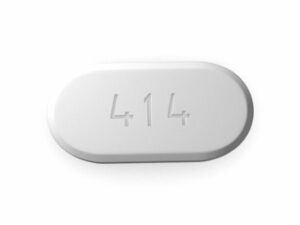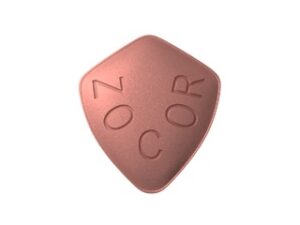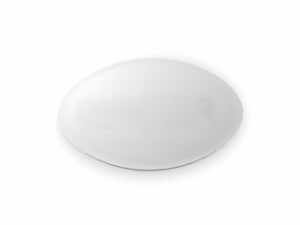
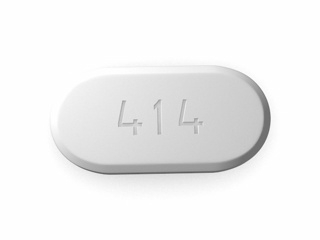
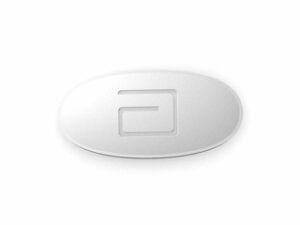
Zetia (Ezetimibe) — Patient-Friendly Guide (Australia)
Zetia is a cholesterol-lowering medicine containing ezetimibe. It is commonly used to help reduce LDL (“bad”) cholesterol and, in many people, to improve overall lipid levels. Zetia may be used on its own or in combination with other cholesterol medicines, including statins, depending on your personal risk factors and treatment goals.
This guide explains how Zetia works, how it is taken, what to expect, safety considerations, and practical tips for everyday use. It also includes information relevant to the Australian setting, including regulatory and current-care context.
At a Glance
- Active ingredient: Ezetimibe
- Common purpose: Lowers LDL cholesterol and supports cardiovascular risk reduction
- How it works: Reduces cholesterol absorption in the intestine
- Typical dosing: Often 10 mg once daily (as directed by a clinician)
- When to take: Any time of day; be consistent
- Food: Can be taken with or without food
- Key safety notes: Report symptoms of liver problems; discuss drug interactions
Basic Product Information
| Category | Details |
|---|---|
| Medicine | Zetia (Ezetimibe) |
| Active ingredient | Ezetimibe |
| How it works | Cholesterol absorption inhibitor (intestinal) |
| Typical strength | Common tablet strength is 10 mg ezetimibe |
| How it’s taken | Usually once daily |
| Where it acts | Small intestine (reduces uptake of dietary and biliary cholesterol) |
Brand and product presentations can vary by availability. Your pharmacist can confirm the exact strength and pack details you are receiving.
How Zetia Works (Mechanism of Action)
Zetia contains ezetimibe, which works by blocking the absorption of cholesterol in the small intestine. Specifically, it inhibits the NPC1L1 transporter involved in moving cholesterol from the gut lumen into the body.
By reducing cholesterol uptake, ezetimibe lowers the amount of cholesterol delivered to the liver, prompting the liver to remove more LDL cholesterol from the bloodstream. This leads to a decrease in LDL cholesterol levels over time.
Zetia is different from statins (which primarily reduce cholesterol production in the liver). Because of this difference, combination therapy may achieve better lipid control than either approach alone.
Pharmacokinetics (How the Body Handles Ezetimibe)
Understanding pharmacokinetics helps explain why timing is straightforward and why effects build with regular use.
- Absorption: Ezetimibe is absorbed through the gastrointestinal tract. The medicine is metabolised in the body, producing a related active metabolite.
- Peak effect: Levels in the blood rise after a dose and then decline over the dosing interval.
- Half-life (approximate): The active components are cleared from the body over several hours to about a day, supporting once-daily dosing.
- Excretion: Much of the drug and metabolites are eliminated via the bile and the digestive tract.
- Food: Food does not significantly change whether the medicine is effective, so it can be taken with or without meals.
Your cholesterol results are monitored through blood tests rather than by home measurements. Many people notice improvement in lipid numbers after a few weeks of consistent treatment.
Typical Uses in Australia
Zetia is used to improve lipid profiles, particularly to lower LDL cholesterol. It may be considered in people who:
- Need additional LDL lowering beyond what diet and lifestyle changes provide
- Cannot tolerate a statin or have insufficient response to statin therapy
- Require combination lipid therapy based on cardiovascular risk
- Have certain inherited or high-cholesterol conditions where cholesterol control is important
Your healthcare team will consider your overall cardiovascular risk, blood test results, and personal tolerance of medicines.
Indications (What Zetia Treats)
While exact prescribing practices depend on your clinical situation, Zetia is broadly indicated for:
- Primary (familial or non-familial) hypercholesterolaemia — as an adjunct to diet
- Mixed hyperlipidaemia — as an adjunct to diet when both LDL and other fats are elevated
- Homozygous familial hypercholesterolaemia — used as an adjunct when other lipid-lowering approaches are needed
- Homogenous or particular genetic cholesterol disorders may require specialist-led planning and combination therapy; Zetia may be part of the regimen.
If you have specific cholesterol conditions (including familial forms), ask your clinician to explain how Zetia fits into your long-term plan.
Dosing and Timing
Typical dose
A common regimen is 10 mg once daily. However, dosing may vary based on your situation, kidney/liver health, and whether you are taking it with other lipid medicines.
How to take it
- Take at the same time each day to build a routine.
- With or without food: You can take Zetia with meals or on an empty stomach.
- Swallow tablets whole with water (unless otherwise advised).
Missed dose
If you miss a dose, take it when you remember, unless it is close to the next scheduled dose. In that case, skip the missed dose and resume your usual schedule. Do not take two doses at once.
How long until it works?
Cholesterol changes can begin within a few weeks of starting. Your clinician will usually arrange blood tests to confirm response and guide any adjustments to therapy.
Food Interactions
Zetia has no major food restrictions for effectiveness. Taking it with food does not generally reduce its cholesterol-lowering action. This makes it easier to fit into daily routines.
That said, overall lifestyle remains important:
- Continue recommended heart-healthy eating patterns (for example, reducing saturated and trans fats)
- Maintain fibre intake and overall calorie balance if weight management is part of your plan
- Limit sugary drinks and highly processed foods where appropriate
Alcohol and Medicine Interactions
Alcohol
Zetia is not known for a direct “stop-start” interaction with alcohol. However, alcohol can affect overall cardiovascular health and, importantly, may influence liver health in some people.
If you drink alcohol regularly or have a history of liver disease, it is wise to discuss an appropriate intake level with your clinician. Always seek advice if you have symptoms such as unusual fatigue, nausea, dark urine, or yellowing of the skin/eyes.
Interactions with other medicines
Zetia can interact with certain medicines, particularly those used to manage cholesterol. The most relevant interaction commonly involves:
- Bile acid sequestrants (cholestyramine, colesevelam, colestipol): these can reduce absorption of ezetimibe. If you take a bile acid sequestrant, your pharmacist may advise spacing the doses apart to reduce interaction.
- Other lipid medicines (such as statins): combination therapy is common and can be effective, but may increase monitoring needs for liver enzymes and muscle symptoms.
- Medicines that affect the liver: because lipid-lowering therapy is sometimes linked with liver enzyme changes, clinicians may monitor more closely if you take other drugs known to affect the liver.
For safety, always provide your pharmacist or clinician with a full list of medicines, including over-the-counter products, vitamins, herbal supplements (for example, red yeast rice), and any recent antibiotic or antifungal treatment.
Safety Profile (What to Know Before and While Taking Zetia)
General safety
Zetia is generally well tolerated by many people. Like all medicines, it can cause side effects in some individuals. Many side effects are mild and resolve with time, but you should be alert to symptoms that require medical review.
Common side effects
- Headache
- Gastrointestinal symptoms such as diarrhoea or abdominal discomfort
- Fatigue
Side effects can vary, particularly when Zetia is combined with other medicines such as statins. If you experience bothersome or persistent symptoms, speak to your pharmacist or clinician.
Serious (seek prompt medical advice)
Get urgent medical advice if you develop symptoms that may indicate a serious reaction or liver problem, such as:
- Yellowing of the skin or eyes (jaundice)
- Dark urine
- Severe or persistent upper abdominal pain
- Unexplained severe muscle pain or weakness, especially if accompanied by fever or dark urine
- Signs of allergy (swelling of face/lips, breathing difficulties, widespread rash)
Special populations
- Liver impairment: People with liver disease or abnormal liver tests require careful assessment and monitoring.
- Pregnancy and breastfeeding: Safety data may be limited. Discuss risks and benefits with a clinician.
- Children and adolescents: Use may depend on the specific condition and treatment plan.
Never adjust dose or stop treatment without advice—particularly if you are using Zetia to reduce cardiovascular risk.
Practical Use Tips for Everyday Success
- Make it a habit: Choose a consistent time (morning or evening) and link it to a daily routine such as brushing teeth or breakfast.
- Use a pill organiser: This can help avoid missed doses.
- Track your results: Ask when your next lipid blood test is scheduled and keep a note of target LDL levels.
- Keep lifestyle changes going: Zetia supports, but does not replace, dietary patterns, exercise, smoking cessation, and blood pressure/diabetes management.
- Report new symptoms early: Especially muscle pain, unusual tiredness, or signs of liver issues.
- Check your other medications: If you start a new medicine (including over-the-counter and herbal supplements), confirm there are no interaction concerns.
Alternative Options to Zetia
If Zetia is not suitable or your lipid goals are not achieved, clinicians may consider other lipid-lowering approaches. Alternatives include:
Other cholesterol medicines
- Statins (e.g., atorvastatin, rosuvastatin): lower cholesterol production in the liver
- PCSK9 inhibitors (injectable): can significantly reduce LDL cholesterol in appropriate patients
- Fibrates (e.g., fenofibrate): mainly target triglycerides
- Omega-3 fatty acids (in certain formulations): may help reduce triglycerides
- Bile acid sequestrants: bind bile acids and can lower LDL cholesterol
Non-medicine options
- Dietary changes (e.g., increased soluble fibre, reduced saturated fat)
- Regular physical activity
- Weight management where relevant
- Smoking cessation and limiting alcohol (as advised)
- Managing diabetes and blood pressure
Your clinician can explain which option fits best based on your lipid pattern, cardiovascular risk, and medicine tolerance.
Market and Legal Context in Australia
In Australia, access to medicines is regulated through the Therapeutic Goods Administration (TGA) framework, which includes requirements for approval, quality, and safe supply. Cholesterol-lowering medicines like Zetia are used widely and are subject to Australian prescribing and dispensing arrangements.
For online pharmacy supply, reputable suppliers follow Australian compliance requirements regarding identity checks, medication suitability, and safe delivery.
Important: Treatment decisions should align with Australian clinical practice and any specialist guidance relevant to your condition. If you’re unsure whether Zetia is appropriate for you, speak with a healthcare professional.
Recent Guidance and Clinical Considerations
Clinical guidance on cholesterol management in Australia emphasises a combined approach: individualised cardiovascular risk assessment, lifestyle changes, and evidence-based medication use. Ezetimibe (Zetia) is often considered when:
- LDL cholesterol targets are not met with lifestyle and/or statin therapy
- Statins are not tolerated or not fully effective
- Combination therapy is needed to reach LDL lowering goals
Recommendations can vary based on patient age, existing cardiovascular disease, diabetes status, kidney function, and other risk factors. Clinicians may also monitor liver enzymes and assess for muscle-related symptoms when lipid medicines are used together.
Keep in mind that “recent guidance” may evolve; your clinician can advise what applies to your specific health circumstances.
Delivery and Availability (Online Pharmacy)
Zetia may be available through online pharmacies in Australia depending on stock levels and the current supply chain. Delivery options can vary by provider, including standard and express services.
When placing an online order, you may be asked to confirm:
- Your delivery address
- Your contact details for updates
- Medication details as required for safe dispensing
If you need help choosing the correct pack or strength, your pharmacist support team can assist before dispatch where possible.
FAQ — Zetia (Ezetimibe)
1) What is Zetia used for?
Zetia (ezetimibe) is used to lower LDL cholesterol and improve lipid levels as an adjunct to diet. It may be used on its own or combined with other lipid-lowering medicines to achieve target cholesterol levels.
2) How does Zetia differ from statins?
Statins mainly reduce cholesterol production in the liver. Zetia mainly reduces cholesterol absorption from the intestine. Because they work differently, combination therapy may provide added LDL reduction.
3) Can I take Zetia with food?
Yes. Zetia can generally be taken with or without food. Try to take it at the same time each day for consistency.
4) How quickly will my cholesterol improve?
Cholesterol improvements typically develop over a few weeks. Your clinician will schedule blood tests to check your response and guide further treatment decisions.
5) What should I do if I miss a dose?
Take it when you remember if it’s not close to the next dose. If it is nearly time for the next dose, skip the missed dose and resume your usual schedule. Do not take double doses.
6) Are there alcohol interactions?
Zetia does not have a well-known direct alcohol interaction, but alcohol can affect overall health and liver function. If you drink alcohol regularly or have liver disease, discuss appropriate intake and monitoring with your clinician.
7) Can Zetia be taken with other cholesterol medicines?
Yes. Zetia is commonly used with statins or other lipid-lowering treatments. Combination therapy can be effective, but you should be aware of the need for monitoring—especially if you develop muscle pain or symptoms suggestive of liver issues.
8) What medicines might interact with Zetia?
Bile acid sequestrants may reduce ezetimibe absorption if taken too close together. Other medicines that affect liver function may require extra monitoring. Always provide a full list of your medicines and supplements to your pharmacist.
9) What side effects are most common?
Common side effects can include headache, gastrointestinal symptoms (such as diarrhoea or abdominal discomfort), and tiredness.
10) When should I seek medical help?
Seek prompt medical advice for symptoms that could indicate allergy or liver/muscle problems, such as yellowing of the skin/eyes, dark urine, severe abdominal pain, or unexplained severe muscle pain/weakness.
Summary
Zetia (ezetimibe) helps lower LDL cholesterol by reducing cholesterol absorption in the small intestine. It can be used as part of a personalised lipid-lowering plan—either alone or alongside other therapies—to support cardiovascular risk reduction. With consistent daily dosing and ongoing monitoring of lipid levels, many people achieve improved cholesterol results.
If you have questions about suitability, interactions, or what to expect from treatment, speak with your pharmacist or clinician.