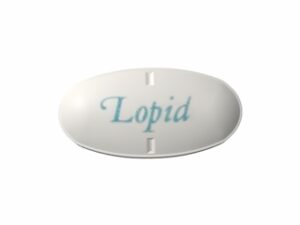
Gemfibrozil (Generic Medicine) – Patient Guide (Australia)
Gemfibrozil is a cholesterol- and triglyceride-lowering medicine used in certain people with abnormal blood fats. It belongs to a group of medicines known as fibrates. This guide explains how gemfibrozil works, how it’s used, key safety information, common interactions, and practical tips to help you use it correctly.
Note: Information in this page is for general education. Your prescriber and pharmacist will tailor advice to your situation. Always follow the instructions on your medicine label and the advice provided to you.
Basic product information
- Medicine name: Gemfibrozil
- Class: Fibrate (lipid-modifying agent)
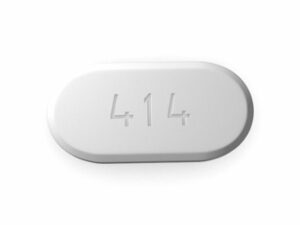
- Common strengths: Often supplied as tablets (strengths vary by brand/generic product)
- What it treats: High triglycerides; sometimes used to address a broader pattern of blood fat abnormalities
- How it’s taken: By mouth, usually one to two times daily depending on the regimen
In Australia, availability and brand presentation may vary. Your pharmacist can confirm the exact product details you’re purchasing.
How gemfibrozil works (mechanism of action)
Gemfibrozil lowers blood fats primarily by changing how your liver handles triglycerides and related particles. The medicine works through effects on peroxisome proliferator-activated receptors (PPARs), which help regulate genes involved in lipid metabolism.
- Reduces triglyceride production and release: Helps lower the amount of triglyceride-rich particles the liver makes.
- Increases triglyceride clearance: Enhances the breakdown and removal of triglycerides from the bloodstream.
- May raise HDL (“good” cholesterol): Some people see an increase in HDL cholesterol.
- May lower LDL (“bad” cholesterol) to a lesser extent: Compared with its effect on triglycerides, LDL reduction is usually more modest.
By improving triglyceride levels, gemfibrozil can reduce the risk of complications that may occur when triglycerides are very high.
Pharmacokinetics (how the body handles gemfibrozil)
Pharmacokinetics describes absorption, distribution, metabolism, and elimination—how the body processes a medicine. While individual results vary, these general features are important for safe use.
- Absorption: Gemfibrozil is absorbed after oral dosing. Food can influence absorption, which is why timing with meals may matter for best results (see “Timing and food interactions”).
- Distribution: It distributes into body tissues and circulates in the bloodstream bound to plasma proteins.
- Metabolism: Gemfibrozil is metabolised mainly by the liver.
- Excretion: It and its metabolites are eliminated through both bile and urine.
- Half-life: The medicine has a functional duration that supports once- or twice-daily regimens, depending on the prescribed schedule.
Because it is processed by the liver and can affect drug-handling pathways, gemfibrozil can interact with other medicines—especially certain lipid medicines (see interactions).
Typical use in clinical practice
Gemfibrozil is used to treat certain lipid disorders, most commonly:
- High triglycerides (hypertriglyceridaemia), particularly when triglyceride levels are very elevated
- Mixed dyslipidaemia in some cases, where triglycerides and other lipid parameters are abnormal and fibrate therapy is appropriate
It is usually used alongside lifestyle measures such as diet changes, physical activity, weight management, and reducing alcohol intake if relevant. Lifestyle changes can significantly influence lipid levels and overall cardiovascular risk.
Indications (what it’s used for)
In practice, gemfibrozil may be considered when there is a need to lower triglycerides and improve lipid profile, particularly in people with:
- Severe hypertriglyceridaemia to reduce the risk of pancreatitis associated with very high triglyceride levels
- Persistent dyslipidaemia despite diet and other measures, based on clinical assessment
The exact indication and suitability depend on your health history, current medications, liver/kidney function, and your lipid test results.
Dosing: how gemfibrozil is usually taken
Dosing schedules may vary by product and patient circumstances. Follow your medicine label or the directions provided by your healthcare professional. Common regimens include:
- Twice daily dosing: Often taken in the morning and evening
- Total daily dose: Varies by prescribed strength and plan
Example timing pattern (common approach):
- Take doses 30 minutes before meals (commonly recommended for gemfibrozil to optimise effect)
- Separate morning and evening doses by about 10–12 hours if taken twice daily
If you miss a dose, take it when you remember unless it’s close to the time for your next dose. Do not double up to make up for a missed dose. If you’re unsure, ask your pharmacist.
Timing, food interactions, and absorption
Food can affect how some medicines are absorbed. For gemfibrozil, many regimens emphasise taking the medicine before meals.
- Take before food: Often recommended 30 minutes before meals (especially for twice-daily dosing).
- Be consistent: Try to take it at similar times each day for steady effect.
- Swallowing: Swallow tablets whole with water unless your pharmacist advises otherwise.
If your product information or your prescriber’s instructions differ from the above, follow the directions provided for your specific medicine.
Alcohol interactions and practical considerations
Alcohol can worsen triglyceride levels and may increase the risk of liver-related side effects in some people. If you have hypertriglyceridaemia, alcohol may be a contributing factor.
- Avoid or limit alcohol: Discuss an appropriate approach with your pharmacist or doctor.
- Watch for symptoms: If you develop unusual abdominal pain, dark urine, or yellowing of the skin/eyes, seek medical advice promptly.
Even if gemfibrozil is helping your lipids, continued heavy alcohol intake can undermine treatment goals.
Medicine interactions (including important lipid interactions)
Gemfibrozil can interact with other medicines by affecting how they are metabolised and cleared by the body. Some interactions can significantly increase side effects.
One of the most important interactions:
- Statins (cholesterol-lowering medicines): Combining gemfibrozil with certain statins can markedly raise the risk of muscle toxicity (including severe muscle injury) and related complications. Your healthcare professional will usually consider alternative strategies if a statin is needed.
Other potential interaction groups to discuss:
- Blood thinners (anticoagulants), e.g., warfarin: Fibrate therapy can increase bleeding risk by changing anticoagulant effects.
- Diabetes medicines: Lipid changes and liver effects may alter glucose control in some people; monitor closely for symptoms of low or high blood sugar.
- Immunosuppressants or certain transplant-related medicines: Some combinations can increase exposure to these medicines.
- Other lipid medicines: Discuss with your clinician before combining with bile acid sequestrants or other agents.
- Some pain or infection medicines (via liver enzyme pathways): Interactions vary depending on the exact product.
Practical advice: Keep an up-to-date list of all medicines, including over-the-counter products and supplements (especially those affecting the liver or muscle), and share it with your pharmacist. If you are newly starting gemfibrozil, review every current medicine with them.
Safety profile: what to know before and during treatment
Most people tolerate gemfibrozil well, but like all medicines it can cause side effects. Some are mild; others require prompt medical attention.
Common or mild side effects
- Stomach discomfort, nausea, or indigestion
- Headache or dizziness
- Mild changes in liver function tests
- Diarrhoea or constipation (less commonly)
Serious or urgent side effects (seek medical advice promptly)
- Muscle pain, tenderness, weakness—especially with dark urine, fever, or feeling very unwell
- Signs of liver problems: yellowing of the skin/eyes (jaundice), dark urine, persistent upper abdominal pain
- Severe abdominal pain (could indicate gallbladder or pancreatic issues)
- Unusual bleeding or bruising (especially if you take blood thinners)
Who needs extra caution
- Liver disease or previously abnormal liver tests
- Kidney impairment
- History of gallstones
- High risk of drug interactions (many medicines, older age, or complex regimens)
- People with uncontrolled diabetes or other metabolic conditions
Practical use tips (how to get the best results safely)
- Take it consistently: Build a routine around meals as directed (often 30 minutes before food).
- Don’t “skip” lifestyle changes: Diet and lifestyle strongly influence triglycerides and cardiovascular risk.
- Know your target: Ask your pharmacist or doctor what your current and target lipid numbers are (especially triglycerides and HDL).
- Get recommended monitoring: Many patients have periodic blood tests for lipids and liver function.
- Review symptoms: Report new muscle pain, weakness, or abdominal pain promptly.
- Stay hydrated: While not a cure, good hydration helps overall health and may reduce the discomfort of some side effects.
If your triglycerides are very high, your clinician may also advise additional dietary steps (such as reducing refined carbohydrates and avoiding alcohol) to lower risk.
Alternative options (what else may be used)
Depending on your lipid pattern and overall cardiovascular risk, your healthcare professional may consider alternatives to gemfibrozil. Options may include:
- Other fibrates: Such as fenofibrate (chosen based on safety, lipid profile, and interaction risk)
- Statins: Commonly used for LDL lowering; selection depends on your triglycerides and interaction risk
- Omega-3 fatty acids: Prescription or high-quality supplements may be used to help lower triglycerides in selected patients
- Niacin (where appropriate): Less commonly used due to side effects and current guideline preferences in many settings
- Lifestyle-led strategies: Dietary adjustments, weight management, physical activity, and alcohol reduction
Your pharmacist can help compare options and explain why one choice may be preferred for your specific lipid levels and other medicines.
Market and legal context in Australia (consumer information)
In Australia, the availability and classification of medicines are regulated by the TGA (Therapeutic Goods Administration). Whether a product is supplied for over-the-counter purchase or requires professional review depends on:
- the medicine’s scheduling and classification
- the strength and formulation
- the clinical situation and local requirements for safe supply
Online pharmacies operate within Australia’s medicines framework, using appropriate safeguards to ensure safe access. If you are buying gemfibrozil online, the pharmacy should provide clear product details, dosage form, and instructions for safe use.
Recent guidance and clinical considerations (high-level overview)
Lipid management guidance in Australia generally emphasises:
- Risk-based care: Matching treatment to cardiovascular risk and triglyceride level severity
- Triglyceride-focused safety: For very high triglycerides, clinicians focus on reducing pancreatitis risk
- Interaction awareness: Avoiding combinations that increase the risk of muscle and liver complications
- Shared decision-making: Considering patient preferences, comorbidities, and treatment goals
Because clinical recommendations evolve and may differ for individual cases, always check what applies to you by discussing with a healthcare professional.
Delivery and availability (online pharmacy notes for Australia)
Availability of gemfibrozil can vary depending on stock levels and supplier arrangements. When purchasing from an online pharmacy in Australia, you can typically expect:
- Clear product details: Strength, dosage form, pack size, and expiry information
- Shipping timeframes: Dependent on location and dispatch schedules
- Packaging standards: Medicines are shipped in appropriate packaging to maintain product quality
If you’re planning travel or have a short supply, consider ordering early so you don’t run out between refills. Your pharmacy may offer delivery updates by email or SMS.
Important monitoring: what your clinician may check
Monitoring helps ensure the medicine is working and that side effects are caught early. Your clinician may request:
- Lipid tests: Triglycerides, HDL, LDL, and total cholesterol
- Liver function tests: To detect changes in liver enzymes
- Renal function: Especially in people with kidney impairment
- Additional checks if on interacting medicines: For example, closer monitoring of clotting tests if taking anticoagulants
Gemfibrozil – quick reference table
| Topic | What to know |
|---|---|
| Purpose | Lowers triglycerides and improves certain lipid patterns |
| How it works | Modifies liver lipid metabolism via PPAR-related pathways |
| Typical timing | Often taken about 30 minutes before meals (follow your label) |
| Common side effects | GI upset, headache, mild lab changes |
| Serious warning signs | Muscle pain/weakness, dark urine, liver symptoms, severe abdominal pain |
| Alcohol | May worsen triglycerides; limit or avoid—discuss your intake |
| Key interactions | Especially with statins and some blood thinners—review all medicines |
FAQ (Frequently asked questions)
1) What is gemfibrozil used for?
Gemfibrozil is used to treat abnormal blood fats, most commonly high triglycerides. In some cases it’s used for mixed lipid disorders where lowering triglycerides is a priority.
2) When should I take gemfibrozil?
Many regimens advise taking gemfibrozil 30 minutes before meals. Your specific dosing schedule may differ, so follow your pharmacy label or clinician’s instructions.
3) Can I take gemfibrozil with food?
You can generally take it as directed by your product instructions. However, because timing can affect effectiveness, gemfibrozil is commonly taken before meals. If your label says otherwise, follow the label.
4) Is it safe to drink alcohol while taking gemfibrozil?
Alcohol can increase triglycerides and may worsen liver-related risks. It’s often recommended to limit or avoid alcohol, especially if your triglycerides are high. Ask your pharmacist for advice based on your results.
5) What medicines should not be taken with gemfibrozil?
Interaction risk depends on the exact medicine and dose. In general, combinations with statins can significantly increase muscle toxicity risk. Blood thinners like warfarin also require careful monitoring. Always review your full medicine list with a pharmacist.
6) How soon will my triglycerides improve?
Lipid improvements may be seen over weeks, but the timing depends on your baseline levels, dose, and whether lifestyle changes are in place. Your clinician will usually recheck lipid results after a suitable interval.
7) What happens if I miss a dose?
Take it as soon as you remember if it’s not close to the next dose. If it’s almost time for the next dose, skip the missed dose. Do not double doses without advice.
8) Are there any dietary changes I should make?
Yes. For high triglycerides, diet and lifestyle changes are an essential part of treatment. Common strategies include reducing refined carbohydrates and sugars, improving overall dietary balance, maintaining healthy weight, and limiting alcohol if relevant.
9) When should I seek urgent help?
Seek medical advice urgently if you experience muscle pain/weakness (especially with dark urine), symptoms of liver problems (yellow skin/eyes, dark urine), or severe abdominal pain.
10) Can I stop gemfibrozil once my blood fats look better?
Lipid levels can rise again if treatment is stopped. Decisions about continuing or stopping should be made with your healthcare professional based on your lipid results and overall risk.
If you have questions about your specific product, dosing schedule, or interactions, contact your pharmacist.