
Clotrimazole – Antifungal Medicine (Australia)
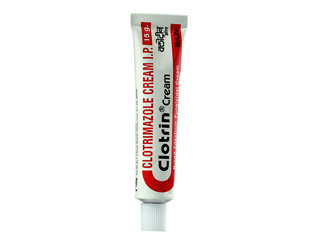
Clotrimazole is a widely used antifungal medicine used to treat a range of fungal infections of the skin and external genital area. It works by targeting the fungus directly and is available in several forms (including creams, pessaries, and solutions depending on the product). This guide explains what clotrimazole is, how it works, how to use it effectively, and important safety information for adults and children (where appropriate).
Always follow the directions on the product label and the instructions provided with your specific clotrimazole product. If you are unsure which clotrimazole strength or form is right for your condition, speak to a pharmacist.
Basic Product Information
- Active ingredient: Clotrimazole
- Medicine type: Antifungal (imidazole)
- Common dosage forms: Cream (skin), pessary or vaginal treatment (vaginal thrush—product dependent), solution (skin—product dependent)
- Typical strength examples: Varies by product (commonly 1% cream or similar—check your specific item)
- Uses: Conditions caused by susceptible fungi (especially yeasts such as Candida)
How Clotrimazole Works (Mechanism of Action)
Clotrimazole works by interfering with the fungus’s ability to maintain its cell membrane. Fungal cell membranes contain a substance called ergosterol (not present in human cells). Clotrimazole disrupts the production of ergosterol, leading to changes in the cell membrane.
As a result, the fungus cannot grow properly and becomes more likely to die off. Depending on the concentration and the specific organism, clotrimazole may have fungistatic (stops growth) and fungicidal (kills) effects.
Pharmacokinetics (How the Body Handles It)
Clotrimazole is applied locally (to the skin or mucous membranes). With topical vaginal products, the drug is absorbed to a limited extent into the body. Overall, only small amounts are typically absorbed compared with medicines taken by mouth.
After absorption (where it occurs), clotrimazole is metabolised in the liver. Any absorbed drug is then eliminated mainly via metabolism products. Because absorption is generally limited when used as directed, clotrimazole is usually well tolerated.
What this means for you
- Local side effects may occur at the application site (skin irritation, burning, redness).
- Systemic (whole-body) effects are less common when used appropriately.
- Following the course is important even if symptoms improve early.
Typical Use and Indications
Clotrimazole is used to treat fungal infections. The exact use depends on the form and strength you have. Common indications include:
- Skin fungal infections such as athlete’s foot (tinea pedis), ringworm (tinea corporis), and jock itch (tinea cruris)
- Cutaneous candidiasis (fungal infection due to Candida) in skin folds or areas prone to moisture
- Vulvovaginal candidiasis (thrush) when used as a vaginal treatment (pessary/inner application depending on product)
- Intertrigo due to yeast (where fungal involvement is suspected, product dependent)
- Sometimes used for other superficial fungal infections as indicated by the specific product label
If symptoms suggest a different cause (for example, bacterial infection, eczema, or sexually transmitted infections), clotrimazole may not be the right treatment. Consider medical advice if you are unsure.
Timing and How Long to Use It
Treatment duration depends on the infection site and product instructions. In many clotrimazole regimens, improvement is often seen within a few days, but you must continue for the full course even if you feel better.
General practical timing guidance
- Use regularly: Apply at the same times each day.
- Finish the course: Typical courses may range from several days to a few weeks depending on product and site.
- If no improvement: If symptoms do not improve after the recommended period, consult a pharmacist or doctor.
- Recurrent symptoms: If infections keep returning, you may need an underlying cause addressed (for example, moisture control, footwear, diabetes, or partner considerations for certain conditions).
Food Interactions
Clotrimazole is usually applied topically (or used intravaginally), so food interactions are generally not relevant. There is typically no requirement to take it with or without food.
If you have an oral clotrimazole product (less common in Australia), different advice may apply—always follow your specific product label.
Alcohol and Medicine Interactions
Alcohol
For most topical/vaginal clotrimazole uses, alcohol is not expected to interact directly. However, alcohol may worsen irritation in some people if they already have inflamed skin or mucous membranes. If you experience increased discomfort, consider reducing alcohol intake during treatment.
Interactions with other medicines
Because systemic absorption is usually limited, significant drug interactions are uncommon for topical clotrimazole. Still, it’s wise to consider the following:
- Other topical products: Avoid using multiple creams or ointments on the same area unless your clinician/pharmacist advises it.
- Vaginal products: Do not combine clotrimazole with other intravaginal treatments unless directed, as it may affect effectiveness or increase irritation.
- Latex condoms and diaphragms: Some vaginal preparations may affect latex. Check your product label for advice. If condoms are needed for contraception or STI prevention, use an alternative method as recommended.
If you are taking other medicines (including prescriptions or over-the-counter products), ask a pharmacist to check for any relevant interaction based on your exact product form.
Dosing: How to Use Clotrimazole Correctly
Dosing depends on the form (cream, pessary/vaginal, solution) and the infection being treated. Below is practical dosing guidance commonly seen with clotrimazole products. Always follow the directions on your specific package.
Skin cream (common approach)
- Adults and children (where indicated by product): Apply a thin layer to the affected area and surrounding skin.
- Frequency: Often applied 2–3 times daily (varies by strength/product).
- Duration: Continue for the recommended period, typically at least 2–4 weeks for some tinea infections depending on label.
Vaginal clotrimazole treatments (thrush)
- Adults: Use as directed on the package (for example, once daily for several days or a single application depending on product).
- Insert correctly: Use the applicator or applicator-free method described in the leaflet.
- Finish the full course: Do not stop early when symptoms improve.
Solution (where provided)
- Use as directed: Apply to affected skin areas and allow to dry.
- Avoid irritation: Keep away from eyes and broken skin unless the label permits it.
Suggested dosing table (check your label for exact regimen)
| Product form | Typical frequency | Typical duration | Notes |
|---|---|---|---|
| Clotrimazole cream (skin) | Often 2–3 times daily | Often 2–4 weeks (varies) | Apply to affected area and a small margin around it. |
| Clotrimazole vaginal treatment (thrush) | Varies by pack (commonly once daily) | Several days to a longer course (varies) | Follow pessary/applicator directions precisely. |
| Clotrimazole solution (skin—product dependent) | Varies by formulation | Varies | Let it dry; wash hands after applying unless it’s your hands being treated. |
Important: If you are treating symptoms in a sensitive area (genitals, between toes, skin folds), the “how” matters. Thicker products may smear; thin layers are usually more effective and help reduce irritation.
Practical Use Tips (What to Do Before, During, After)
Before you apply
- Clean and dry: Wash gently with mild soap and water, then dry thoroughly.
- Don’t over-scrub: Aggressive cleaning can worsen irritation.
- Use on affected area plus margin: Fungi often extend beyond visible redness.
During treatment
- Apply consistently: Set a reminder if needed.
- Wash hands: Especially after treating the groin or genital area.
- Avoid occlusion unless advised: Tight coverings can increase moisture. If dressings are needed, follow product guidance.
- Keep the area dry: Change underwear daily, use breathable fabrics, and manage sweat.
After treatment
- Continue for the full course: Symptoms can improve early, but fungus may persist.
- Prevent recurrence: For athlete’s foot, change socks, keep shoes ventilated, and avoid sharing towels.
- Consider hygiene measures: Wash clothing/towels regularly; ensure good drying after washing.
Safety Profile and Side Effects
Clotrimazole is generally well tolerated when used as directed. Most side effects are mild and limited to the application area. Serious reactions are rare.
Common side effects
- Skin irritation (mild burning, stinging, itching)
- Redness or mild rash at the application site
- Dryness or peeling in some areas
Less common but important
- Allergic reaction (for example, swelling, hives, worsening rash)
- Severe or persistent irritation
When to stop and seek help
Stop using the product and seek urgent advice if you experience signs of severe allergy (such as swelling of the face/lips, difficulty breathing) or if symptoms rapidly worsen.
Special populations
- Pregnancy and breastfeeding: Many clotrimazole products have been used by pregnant/breastfeeding people, but follow product leaflet guidance and talk to a pharmacist if you’re unsure.
- Children: Use only if the product label allows. Dosing and safety can vary by age.
- People with sensitive skin: Use cautiously and monitor for irritation.
Alcohol and Medicine-Related Considerations
As noted earlier, topical clotrimazole usually does not require alcohol restrictions from an interaction standpoint. However, alcohol can indirectly contribute to irritation or dehydration, which may make symptoms feel worse—especially in inflamed skin or during vulvovaginal discomfort.
If you are using clotrimazole alongside other treatments for the same condition, confirm compatibility with a pharmacist. For example, if you’re treating thrush, avoid using other intravaginal products unless your label or healthcare professional says it’s fine.
Safety Tips Specific to Vaginal Treatments
- Condoms/latex: Some vaginal products can reduce the reliability of latex condoms and diaphragms. Check the label for instructions.
- Infection symptoms: If you have fever, pelvic pain, unusual bleeding, or symptoms that don’t improve, seek medical assessment.
- Do not self-treat indefinitely: Ongoing symptoms may indicate non-yeast causes.
Alternative Options
Depending on the fungal infection type, there are other antifungal options. Your pharmacist can help you choose the most suitable product. Alternatives may include:
- Terbinafine (often used for athlete’s foot and some tinea infections; may offer shorter courses for certain conditions)
- Miconazole (similar antifungal class used for skin and/or thrush—product dependent)
- Ketoconazole (used for certain fungal infections—availability and form vary)
- Nystatin (commonly used for specific yeast infections; used in some product forms)
- Oral antifungals for more extensive or resistant infections (choice depends on diagnosis and severity)
The best option depends on your site of infection, the likely organism, previous treatments, and how severe the symptoms are. If you have recurring infections, a tailored plan may be needed.
Market and Legal Context for Australia
In Australia, clotrimazole products are generally available via pharmacies and some can be provided as over-the-counter medicines depending on the product type and form. Availability can vary by:
- Formulation (cream vs vaginal pessaries/solutions)
- Strength
- Indication and pack size
- Regulatory listing and scheduling
Pharmacy-based supply supports appropriate product selection, particularly for conditions that can mimic fungal infections. This helps ensure you use the right product for the right symptoms.
Recent Guidance (General Advice)
Guidance for antifungal use often emphasises:
- Confirming likely fungal cause when symptoms are atypical or recurrent
- Adhering to the full course and application technique to reduce recurrence
- Managing risk factors such as moisture, hygiene, footwear, and underlying health conditions
- Seeking review if there is no improvement after the recommended time or if symptoms worsen
If you have diabetes, a weakened immune system, or experience frequent recurrences, consider professional advice for a longer-term prevention strategy.
Delivery and Availability (Online Pharmacy)
Clotrimazole is commonly stocked by Australian online pharmacies because it’s a commonly requested antifungal. Delivery time depends on your location and the dispatch schedule of the provider.
- Availability: Typically available in multiple pack types (cream, solution, vaginal products depending on the range)
- Dispatch: Most orders are dispatched within business days (subject to stock availability)
- Delivery areas: Delivery is usually available across Australia
- Packaging: Medicines are typically packed securely to protect contents during transit
If you need a specific form or strength, choose the exact product listed on the site to ensure it matches your treatment needs.
How to Know If You’re Treating the Right Condition
Clotrimazole is effective for many fungal infections, but similar-looking conditions exist. Seek advice if you notice:
- Severe pain, swelling, or spreading redness
- Fever or feeling unwell
- Blisters, sores, or ulcers that don’t improve
- No improvement after the recommended treatment time
- Recurrent infections (frequent return after finishing treatment)
- Unusual discharge, bleeding, or pelvic pain (especially for vaginal symptoms)
FAQ (Frequently Asked Questions)
1) Can I use clotrimazole if my symptoms are mild?
Yes, clotrimazole is often used for mild to moderate fungal infections. However, if symptoms are unclear (for example, possible bacterial or non-fungal causes), it’s best to seek pharmacist guidance to confirm the likely cause and correct product choice.
2) How quickly should I feel better?
Many people notice symptom improvement within a few days. If you see no improvement within the timeframe described on your product label, or symptoms worsen, consult a pharmacist or clinician.
3) Should I stop when symptoms go away?
No. Stop early can increase the chance of recurrence. Continue for the full course specified by your clotrimazole product.
4) Can clotrimazole be used during menstruation (for vaginal treatments)?
Some vaginal products can be used during menstruation, but others may be less effective. Check the product leaflet for guidance. If unsure, ask a pharmacist.
5) Is clotrimazole safe to use with condoms?
For vaginal clotrimazole treatments, latex condoms and diaphragms may be affected depending on the product formulation. Check your product label. If needed, use alternative contraception or barrier protection as advised.
6) Can I use clotrimazole on broken skin?
Avoid applying to deep or heavily broken skin unless your product label specifically allows it. For infected areas with open wounds, ask a pharmacist for advice to reduce burning and irritation.
7) What should I do if I keep getting the infection again?
Recurrence can be due to ongoing exposure, incomplete treatment, moisture, footwear factors (for athlete’s foot), or underlying health conditions. Focus on prevention steps (drying thoroughly, changing socks/underwear, breathable clothing) and consider discussing your situation with a pharmacist.
8) Can my partner need treatment for thrush?
Partner treatment depends on symptoms and assessment. Many cases do not require routine partner treatment, but if your partner has symptoms (for example, redness or soreness), ask a pharmacist for guidance. For recurrent cases, professional advice may be helpful.
9) Is clotrimazole suitable for children?
Some clotrimazole products can be used in children, but eligibility depends on the age and the specific product. Use only if the label permits, and consult a pharmacist if you’re unsure.
10) Where should I store clotrimazole?
Store according to the product label, typically at room temperature and away from direct sunlight. Keep out of reach of children.
Summary
Clotrimazole is a trusted antifungal medicine used to treat fungal infections of the skin and, depending on the form, vulvovaginal thrush. It works locally by disrupting fungal cell membrane formation, with limited absorption when used as directed. For best results, apply the product correctly, use it consistently, and complete the full course even if symptoms improve early. If symptoms don’t improve, worsen, or are recurrent, seek advice from a pharmacist or clinician to ensure you’re treating the correct cause.