Pimecrolimus (for Skin Conditions) — Patient Guide (Australia)
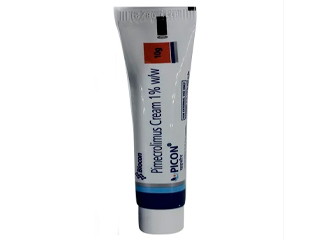
Pimecrolimus is a topical medicine used to treat certain inflammatory skin conditions. It works by calming overactive immune responses in the skin, helping to reduce redness, itch, and flare-ups. This guide explains how pimecrolimus works, how it’s typically used, what to expect, and important safety considerations for people in Australia.
Note: Product strength, formulation (cream/ointment), and directions can vary between brands. Always follow the instructions provided with your specific product and any clinician advice.
Quick product information
| Category | Details |
|---|---|
| Medicine | Pimecrolimus (topical) |
| Common uses | Inflammatory skin conditions such as eczema/atopic dermatitis |
| How it’s used | Applied thinly to affected skin areas |
| Typical onset | May improve symptoms within days; full benefit may take longer |
| Available formats | Skin creams (brand-dependent) |
| Where it’s applied | Only on skin areas affected by the condition |
What is pimecrolimus?
Pimecrolimus is a topical calcineurin inhibitor. It is designed to be applied directly to the skin to reduce inflammation associated with certain immune-driven conditions—most commonly eczema (also called atopic dermatitis).
Unlike many topical steroids, pimecrolimus is not a corticosteroid. Some people use it to help manage flare-ups, especially when trying to avoid steroid exposure or for maintenance approaches as advised.
How it works (mechanism of action)
Pimecrolimus works by affecting immune signalling inside skin cells. After application, it binds to a protein called immunophilin (inside cells), forming a complex that inhibits calcineurin.
Calcineurin normally helps activate inflammatory pathways in immune cells (T-lymphocytes). By blocking calcineurin, pimecrolimus helps to:
- Reduce release of inflammatory mediators
- Calm immune-driven redness and swelling
- Decrease itch and discomfort associated with flare-ups
In practice, this means pimecrolimus helps skin inflammation settle so symptoms improve over time.
Pharmacokinetics (how the body handles it)
Because pimecrolimus is applied to the skin, absorption into the bloodstream is generally low. The level absorbed can depend on factors such as:
- The size of the treated area
- Whether skin is broken, inflamed, or infected
- How often it’s used
- Whether occlusion (covering with airtight dressings) is used
After topical application, most of the medicine remains in the skin layers where it exerts its effect. Small amounts that do absorb may be metabolised in the body (primarily via liver pathways) and then eliminated.
Practical takeaway: Systemic (whole-body) exposure is typically minimal when used correctly on intact skin as directed.
What pimecrolimus is used for (indications)
Pimecrolimus is mainly used for the treatment of mild to moderate eczema (atopic dermatitis), particularly when inflammation requires ongoing control or flare management.
- To reduce signs and symptoms of eczema (e.g., redness and itch)
- To help prevent or lessen frequency of flare-ups when used as advised
Availability and age indications can depend on the specific product and local regulatory status. Check the product label for age suitability and approved use in Australia.
Typical timing and how to apply
When to use
Many treatment plans for eczema aim to use pimecrolimus during flare-ups or early in the course of symptoms. Your product label or clinician may specify when to start and when to stop.
How often to apply
A common approach is applying a thin layer to affected areas, usually twice daily at the start of a flare, and then reassessing as symptoms improve. Some regimens move to “as needed” maintenance depending on your plan.
Always follow the instructions on your specific pimecrolimus product for the correct dosing schedule.
How to apply correctly
- Wash and dry the skin gently.
- Apply a thin layer to the affected areas only.
- Rub in gently until the medicine disappears.
- Wash your hands after application (unless your hands are the treated area).
- Use moisturisers as advised—often moisturiser can be applied after, or on alternate times, to reduce dryness.
How long until it helps?
Some improvement may occur within several days, but eczema treatment often requires consistent use. If there is little or no improvement, reassess with a pharmacist or clinician.
Dosing (adults and children)
The exact dose depends on the strength of the product and the area being treated. In general:
- Use the smallest amount that covers the affected skin (thin layer).
- Do not apply to areas with suspected skin infection (seek advice first).
- Avoid continuous long-term use unless your clinician has directed a maintenance plan.
Children: Some pimecrolimus products are indicated for specific age groups. Always confirm suitability based on the product label in Australia.
If a dose is missed: Apply it as soon as you remember, unless it’s close to the next dose. If you’re unsure, skip the missed dose and continue your schedule.
Food interactions
There are no known direct food interactions for pimecrolimus because it is used on the skin and systemic absorption is typically low. However, if pimecrolimus is being used alongside other eczema medicines (oral treatments or antihistamines), those other medicines may have their own food-related instructions.
If you take other medications, always check their individual interaction advice.
Alcohol and medicine interactions
Topical pimecrolimus has limited systemic effects, so direct alcohol interactions are unlikely. That said, alcohol can worsen eczema in some people by affecting hydration or triggering flares.
- If you notice flare-ups after alcohol, consider reducing intake and track results.
- Ask a pharmacist if you take other treatments (especially immune-modifying medicines) or have a complex medication routine.
Interaction with other skin products: Avoid applying pimecrolimus at the same time as other topical medicines unless your clinician/pharmacist has advised. When multiple products are needed, spacing applications (e.g., moisturiser at one time and pimecrolimus at another) may help reduce irritation.
Safety profile and precautions
Like all medicines, pimecrolimus can cause side effects. Many people tolerate it well when used correctly.
Common side effects
- Temporary burning, stinging or warmth at the application site
- Itching or irritation where applied
- Redness or dryness of the treated skin
Less common or important warnings
- Skin infection: If the treated area becomes infected (e.g., increasing pain, oozing, crusting, spreading redness), stop and seek medical advice.
- Swelling or allergy: Seek advice if you develop signs of an allergic reaction (wheezing, facial swelling, widespread rash).
- Flare worsening: If symptoms worsen significantly, reassess the diagnosis and treatment plan.
When to seek prompt advice
- Rapidly worsening eczema despite correct use
- Signs of infection (hot, tender skin; pus; fever)
- Severe or persistent application-site reactions
- Eye involvement: do not apply near the eyes unless directed—seek advice if eyelid/eye area is affected
Important usage precautions
- Avoid occlusive bandaging (airtight coverings) unless specifically directed.
- Minimise sun exposure on treated areas. If needed, use appropriate clothing or protective measures.
- Do not apply to large areas or to broken skin more than advised.
- Use a thin layer; more is not necessarily better and may increase irritation.
If you are concerned about long-term safety, discuss a maintenance strategy with a pharmacist or clinician. Your plan may involve intermittent use rather than continuous daily application.
Practical tips for best results
- Moisturise consistently: Regular moisturisers help reduce triggers and improve barrier function. Use moisturiser even when eczema seems controlled.
- Start early in flare-ups: Applying pimecrolimus at the first sign of a flare may improve outcomes.
- Keep application gentle: Rub in lightly; avoid vigorous massage that may irritate skin.
- Use mild, fragrance-free products: Harsh soaps and fragranced lotions can aggravate eczema.
- Consider triggers: Common triggers include heat/sweating, wool/rough fabrics, stress, and certain detergents.
- Don’t share creams: Personal skin products help prevent cross-contamination.
Alternative treatment options (discuss with a pharmacist/clinician)
Eczema is multifactorial, and treatment plans may include several approaches. Alternatives to pimecrolimus depend on severity, age, and location of patches.
Other topical options
- Topical corticosteroids: Often used for flare control. Choice depends on potency and body site.
- Other topical calcineurin inhibitors: Another option in the same medicine class may be available.
- Barrier-repair moisturisers: Regular moisturising is foundational for eczema control.
- Anti-inflammatory emollients and soothing creams: Helpful for comfort and skin barrier support.
Non-topical or advanced options (for severe disease)
- Phototherapy (in specialist settings)
- Oral or injectable anti-inflammatory treatments for moderate-to-severe eczema under specialist supervision
A pharmacist or dermatologist can help tailor a step-up/step-down plan that may reduce reliance on any single treatment.
Market and legal context in Australia (consumer information)
In Australia, availability and supply conditions for topical medicines can vary. Many eczema treatments are accessed through pharmacies, and some products may be classified as pharmacist-only or require clinician oversight depending on formulation and strength.
Regulatory status can change over time. When ordering online, ensure the product listing clearly matches the intended treatment and includes correct Australian labelling. Always check:
- The active ingredient (pimecrolimus)
- The product strength and formulation
- Age indications stated on the label
- Storage instructions
- Expiry date
If you’re unsure about suitability for your skin condition or age group, consult a pharmacist before use.
Recent guidance and practical updates
Eczema management guidance commonly emphasises:
- Early intervention when flare-ups begin
- Regular moisturising to support the skin barrier
- Stepwise therapy (use stronger or different treatments for flares as needed, then step down)
- Avoiding unnecessary continuous use when symptoms are controlled
- Monitoring for infection and seeking advice if eczema worsens
Specific advice about pimecrolimus may vary by product label, but the overall approach remains consistent: use correctly, apply thinly, and reassess if symptoms don’t improve or if side effects occur.
Delivery and availability (Australia)
Pimecrolimus availability can vary by brand and stock levels. Online pharmacies in Australia typically supply topical medicines through standard logistics with careful handling to maintain product integrity.
- Delivery times: depend on location and courier services.
- Cold chain: most pimecrolimus products do not require refrigeration unless specified—check the label.
- Packaging: sealed, labelled product packs to ensure authenticity and traceability.
- Returns: policies may apply, especially for opened or used products.
When ordering, confirm the product matches your needs (e.g., age suitability, cream type) and that you have the correct strength.
How to store pimecrolimus
- Store according to the label (often at room temperature).
- Keep the tube tightly closed.
- Keep out of reach of children.
- Check expiry date before use.
FAQ about pimecrolimus
1) Is pimecrolimus a steroid?
No. Pimecrolimus is a topical calcineurin inhibitor. It is not a corticosteroid.
2) How fast will my skin improve?
Many people notice improvement within days, but eczema can take time to settle completely. Consistent use and regular moisturising can improve outcomes.
3) Can I use pimecrolimus on the face?
It may be used on facial eczema in some treatment plans, but avoid the eye area unless your product directions explicitly allow it. Because facial skin is sensitive, start carefully and follow label guidance.
4) Can I apply moisturiser straight after?
Often yes, but the timing can matter if your skin is irritated. If stinging occurs, consider applying moisturiser at a different time of day. Follow your product instructions or ask a pharmacist.
5) What should I do if it stings when I apply it?
Mild temporary burning or stinging is common. If the sensation is severe, persistent, or worsening, stop and seek advice. Ensure you are using a thin layer and only on affected areas.
6) Can I use pimecrolimus during infection?
If you suspect infection (e.g., oozing, crusting, rapidly spreading redness, fever), seek medical advice before continuing. Applying anti-inflammatory creams to infected skin can worsen problems.
7) Are there any food or alcohol restrictions?
Food interactions are not commonly expected due to low absorption. Alcohol isn’t usually a direct interaction risk, but it can trigger eczema in some people—monitor your personal response.
8) How do I stop treatment?
Many regimens involve stopping once symptoms are controlled. Your label or clinician may advise intermittent use for flare prevention. Avoid continuous long-term use unless directed.
9) Can I use pimecrolimus with other eczema medicines?
Sometimes yes, but it’s important to avoid unnecessary overlap. Spacing application times and following product instructions can help. Ask a pharmacist if you use multiple topical products.
10) What if I miss a dose?
Apply when you remember unless it’s nearly time for the next dose. Don’t double up.
Summary
Pimecrolimus is a topical medicine used to treat eczema by calming immune-driven inflammation in the skin. When applied as a thin layer to affected areas and combined with good moisturising habits, it can reduce redness, itch, and flare frequency. Pay attention to correct timing, avoid infection-prone areas, and seek advice if symptoms worsen or side effects become significant.
If you have questions about suitability for your age group, body area, or existing treatment plan, a pharmacist can help you choose the safest approach for managing your skin condition in Australia.