Isotroin (Isotretinoin) – Patient Information (Australia)
Isotroin contains isotretinoin, an oral medicine used to treat severe acne. It can dramatically improve acne for many people, including cases that have not responded well to other treatments. Because isotretinoin affects how the body produces and uses skin oil and because it can cause serious side effects, it is important to understand how it works, how to take it, and what precautions to follow.
This page provides general information for patients. If you have questions about your specific situation, speak with a qualified healthcare professional.
Key product information
- Medicine: Isotroin (isotretinoin)
- Type: Oral retinoid (vitamin A–related medicine)
- Common purpose: Treatment of severe acne and certain related skin conditions
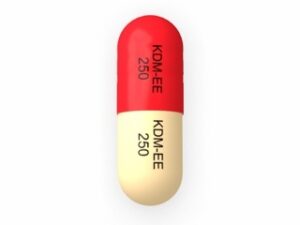
- Dosage forms: Capsules (strengths vary by brand/product)
- How it’s taken: By mouth, usually once or twice daily depending on regimen
- Typical course: Often several months (your clinician will advise duration)
How isotretinoin works (mechanism of action)
Isotretinoin targets multiple causes of acne:
- Reduces sebum (oil) production: It shrinks sebaceous glands and lowers the amount of oil produced.
- Prevents clogged pores: It helps normalise the shedding of skin cells inside follicles, reducing blockages.
- Decreases acne-related inflammation: It can reduce inflammatory processes that contribute to redness and swelling.
- Reduces the growth and effects of acne-causing bacteria: By changing the follicular environment, it reduces conditions that support bacterial activity.
What this means for you: Acne improvement is not always immediate. Many people notice changes over weeks, with the best results typically after consistent treatment for a number of months.
Pharmacokinetics (how the body handles it)
Pharmacokinetics describe how the body absorbs, distributes, metabolises, and eliminates isotretinoin.
- Absorption: Absorption increases when taken with food—especially a meal that contains some fat.
- Distribution: Isotretinoin is distributed throughout the body, including skin tissues.
- Metabolism: The medicine is converted mainly in the liver to active metabolites (including 4-oxo-isotretinoin and other metabolites).
- Elimination: Metabolites are eliminated primarily through urine and bile/faeces.
- Half-life: The overall elimination process takes time; isotretinoin and its metabolites remain in the body for days to weeks, depending on individual factors.
Practical takeaway: Consistency in how you take Isotroin (particularly with food) and adherence to monitoring schedules can help make treatment more predictable.
Typical uses
Isotretinoin is used for:
- Severe acne (nodular acne, inflammatory acne, or acne likely to leave scars)
- Acne that has not responded adequately to appropriate conventional therapy
- Other severe acne-related conditions that require specialist management (depending on local clinical criteria)
Only a clinician can determine whether your acne type and severity are appropriate for isotretinoin.
Timing and how to take Isotroin
When does acne improve?
- Early phase: Some people experience increased redness or breakouts early in treatment (often called “initial flare”). This usually settles.
- Ongoing improvement: Improvements often become more obvious after several weeks.
- Best results: Many patients reach maximum improvement toward the end of a multi-month course.
How to take it
- Take with food: This is important for absorption.
- Take at the same times daily: If twice daily, spread doses evenly.
- Swallow whole: Capsules are usually taken with water. Follow the label instructions provided with your medicine.
- Do not adjust your dose: Dose is determined by a clinician based on factors like body weight, severity, and side effects.
Missed dose
If you miss a dose, take it when you remember unless it is close to the next scheduled dose. Do not double up. If you’re unsure, ask your pharmacist or clinician for guidance.
Food interactions (what to eat with Isotroin)
Food is a key interaction. Taking isotretinoin with a meal generally improves absorption and may reduce the risk of taking in too little medicine.
- Best practice: Take Isotroin with your main meal (or one of your meals if taking twice daily).
- Avoid taking on an empty stomach: Absorption may be reduced, and symptom control may be less consistent.
- Stable routine: Try to take it in a consistent manner day to day.
If you have dietary restrictions (e.g., low-fat diets) or digestive conditions, discuss this with a healthcare professional.
Alcohol and medicine interactions
Alcohol
It is generally advisable to limit alcohol while taking isotretinoin because isotretinoin can affect liver function and blood fats (lipids). Heavy alcohol intake may increase the risk of liver irritation and abnormal liver enzymes.
- Consider avoiding alcohol or keeping intake to a minimum.
- Watch for symptoms: Unusual fatigue, dark urine, abdominal pain, or yellowing of the eyes/skin require urgent medical advice.
Common medicine interactions
Several medicines can interact with isotretinoin or increase the likelihood of side effects. Examples include:
- Vitamin A supplements and other retinoids: Combining can increase the risk of toxicity.
- Tetracycline antibiotics (e.g., doxycycline, minocycline): risk of increased pressure in the skull (intracranial hypertension).
- High-dose corticosteroids: may affect skin and acne management; discuss if you use them.
- Other medicines affecting the liver: may raise risk of liver enzyme changes.
- Blood-thinning medicines (e.g., warfarin): monitoring may be needed in some cases.
Always check: Provide your pharmacist or clinician with a complete list of medicines, supplements, and herbal products you take (including non-prescription items).
Indications (when isotretinoin is used)
Isotroin (isotretinoin) is indicated for appropriate patients with:
- Severe acne (especially nodular or inflammatory acne)
- Acne that is resistant to standard treatments
- Acne at risk of scarring where long-term control is required
Decisions are based on acne severity, prior treatments, risk of scarring, and your overall health.
Dosing guidance (general information)
Dosing must be individualised. Your clinician will choose a starting dose and may adjust based on response and side effects.
- Typical approach: Dosing is often based on body weight and adjusted to achieve an effective course while monitoring tolerability.
- Duration: Treatment commonly lasts several months; the exact length varies per person.
- Follow-up: Regular review is important to monitor skin response and side effects.
Important: Do not start, stop, or change the dose without medical advice. If you experience troublesome symptoms (e.g., severe headache, mood changes, or signs of liver problems), seek prompt medical advice.
Safety profile and side effects
Isotretinoin has a well-known safety profile. Most patients experience some side effects, particularly related to dryness of skin and mucous membranes. However, some rare but serious effects require immediate attention.
Common side effects
- Dry lips (cheilitis), cracked corners of the mouth
- Dry skin and peeling
- Dry eyes, eye irritation
- Dry nose, nosebleeds
- Muscle or joint aches (myalgia/arthralgia)
- Back pain in some people
- Increased sensitivity to the sun
- Headache (mild to moderate in many cases)
Laboratory changes (monitoring)
Your clinician may monitor blood tests for:
- Liver enzymes
- Blood fats (triglycerides and cholesterol)
These changes are often reversible with dose adjustment or supportive care, but monitoring is essential.
Less common but serious warnings
- Severe headache, vision changes, or dizziness: may indicate raised pressure in the skull—seek urgent medical care.
- Severe mood changes (depression, anxiety, suicidal thoughts): contact a healthcare professional urgently if you notice changes.
- Severe abdominal pain, persistent vomiting, or black/tarry stools: can indicate serious issues—seek urgent medical advice.
- Allergic reactions: swelling, rash, breathing difficulties require emergency care.
Pregnancy-related risk (critical information)
Isotretinoin can cause severe birth defects if taken during pregnancy. Effective pregnancy prevention is a critical requirement for people who can become pregnant, and for partners where relevant, according to national guidance and individual risk management plans.
Discuss pregnancy prevention strategies and requirements with a clinician before and during treatment.
Practical use tips for day-to-day life
Skin and lip care
- Use a lip balm regularly (often petroleum-based products help).
- Choose gentle cleansers and moisturisers to reduce irritation.
- Limit harsh exfoliants and avoid frequent scrubs.
- Consider moisturising even if your skin feels oily—dryness can trigger rebound irritation.
Sun protection
- Use broad-spectrum sunscreen (SPF 30+ recommended) and reapply as needed.
- Wear protective clothing and seek shade when possible.
Eye comfort
- Lubricating eye drops may help dryness.
- Avoid contact lens discomfort; if eyes feel very dry, discuss options with a clinician.
Managing aches and activity
- Stay active gently; stretching and light exercise may help.
- Be cautious with intense training if you experience muscle aches.
Blood test and appointment planning
- Attend scheduled appointments for monitoring.
- Ask when you should have blood tests and what results mean.
Do not share isotretinoin with others, even if they have similar acne.
Alternative options for acne
Depending on acne severity and previous treatments, alternatives may include:
Topical treatments
- Benzoyl peroxide
- Topical retinoids (e.g., adapalene, tretinoin)
- Topical antibiotics in selected cases (often limited duration)
Oral treatments (for selected cases)
- Oral antibiotics (short courses with a plan)
- Hormonal therapy for suitable patients (e.g., certain anti-androgen treatments under specialist care)
Procedural options
- Comedone extraction
- Light/laser therapies (case-dependent)
- Chemical peels
Your clinician can advise which options are appropriate and how they compare to isotretinoin in terms of effectiveness, time to response, and side effects.
Isotroin in Australia: market, regulatory and legal context
Isotretinoin is a regulated medicine in Australia and is supplied under strict controls because of the serious risks associated with it, including teratogenicity (risk of birth defects) and potential serious adverse effects. The Australian medicines framework is designed to ensure safe prescribing, appropriate patient education, and risk minimisation.
Patient note: In Australia, additional safeguards may be used to reduce the risk of fetal exposure and to ensure monitoring. These requirements can involve specific prescriber processes and patient check-ins. Follow the instructions you receive from your healthcare team closely.
Availability can vary by stock and capsule strength. Pharmacies may use established supply chains and order processes for particular strengths.
Recent guidance and monitoring approach (high-level)
Across modern acne care pathways, the approach to isotretinoin emphasises:
- Individualised dosing and adjustment based on tolerability
- Structured follow-up throughout treatment
- Regular monitoring for blood lipids and liver enzymes, especially when clinically indicated
- Ongoing risk education, including dryness management and warning signs that require urgent review
Specific monitoring schedules and pregnancy-related safeguards are guided by the most current national and product-specific recommendations as applied by your clinician.
Delivery and availability (online pharmacy information)
When ordering from an online pharmacy, availability and delivery can depend on:
- Stock levels for your required capsule strength
- Processing time to confirm eligibility and supply logistics
- Courier schedules in your area
Delivery timing: Many deliveries occur within a few business days, but delays can happen during high demand, packaging changes, or supplier lead times. If stock is temporarily unavailable, the pharmacy may offer an estimated restock date or an alternative option depending on clinical suitability.
Packaging: Medicines are typically supplied in tamper-evident packaging with product information and instructions for use.
For the most accurate delivery estimate, check the product page and delivery details at checkout.
FAQ – Isotroin for acne
1) How long does it take to work?
Some improvement may be noticed within a few weeks, but the most significant changes often appear after several months. Early flare-ups can occur, especially in the first weeks.
2) Will my acne get worse before it gets better?
It is possible. An initial flare can happen as clogged follicles change and inflammation settles. Let your clinician know if it becomes severe or prolonged.
3) What should I do for dry lips and dry skin?
Use a frequent moisturiser and a lip balm throughout the day. Gentle skincare and avoiding harsh exfoliants can reduce irritation.
4) Can I take isotretinoin with food?
Yes—and it is usually recommended. Taking it with a meal can improve absorption. If you miss a meal, try to take it with the next suitable meal rather than on an empty stomach.
5) Are there foods I should avoid?
There are no specific “forbidden” foods, but maintaining a consistent routine (particularly with meals) helps. If your diet is very low in fat, absorption may be affected—discuss dietary considerations with your clinician.
6) Is alcohol safe while on Isotroin?
It’s best to limit or avoid alcohol. Isotretinoin can affect liver enzymes and blood fats, and alcohol may increase the risk of liver stress.
7) What medicines and supplements should I avoid?
Avoid vitamin A supplements and other retinoid products unless your clinician specifically advises otherwise. Also inform your healthcare team about any antibiotics (especially tetracyclines), blood thinners, and medicines that may affect the liver.
8) Why are blood tests needed?
Blood tests monitor liver enzymes and blood fats (lipids). These can change during treatment, and monitoring helps identify issues early.
9) What side effects mean I should seek urgent care?
Seek urgent medical help for severe headache with vision changes, severe abdominal pain, signs of allergic reaction (swelling, breathing difficulty), or significant mood changes.
10) Can isotretinoin be used more than once?
Some people need a second course if acne returns. This is individual and should be discussed with your clinician, including the risks and benefits based on your history.
Summary
Isotroin (isotretinoin) is an effective oral treatment for severe acne, working by reducing oil production, preventing clogged pores, and reducing inflammation. It can cause predictable dryness and requires careful monitoring for blood and liver-related changes. For safety, patients must follow guidance on taking the medicine with food, managing side effects, and avoiding interacting medicines and high-risk behaviours (including alcohol). In Australia, isotretinoin is managed under strict safety safeguards due to serious potential risks—especially in relation to pregnancy.
If you are considering or currently taking Isotroin, speak with your healthcare professional for personalised guidance tailored to your acne severity, medical history, and the medicines you use.