Etoricoxib (Australia) — Patient-Friendly Product Information
Etoricoxib is a medicine from the non-steroidal anti-inflammatory drug (NSAID) group, specifically a selective COX-2 inhibitor. It is used to help reduce pain and inflammation in certain conditions. This page explains how etoricoxib works, how it behaves in the body, when it is typically taken, and important safety considerations for adults.
If you have questions about whether etoricoxib is suitable for you, speak with a healthcare professional or a pharmacist. This information is designed to help you understand the medicine and use it more safely.
Basic product information
- Generic name: Etoricoxib
- Medicine type: NSAID (COX-2 selective inhibitor)
- How it’s taken: Oral tablets (strength depends on product)
- Common reasons for use: Pain and inflammation (e.g., osteoarthritis, rheumatoid arthritis, acute gout)
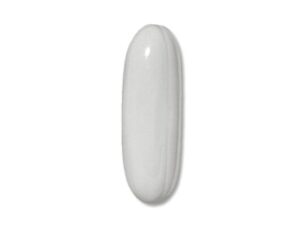
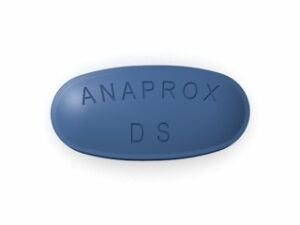
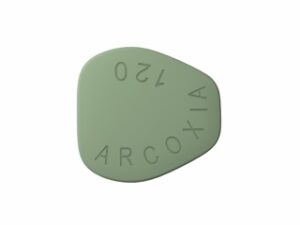
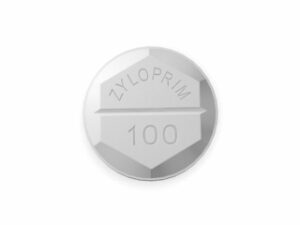
Note: Product presentation (tablet strengths, pack size, and appearance) may vary by supplier. Always check the label.
How etoricoxib works (mechanism of action)
Inflammation and pain are partly driven by substances called prostaglandins. Prostaglandins are made by enzymes known as COX enzymes (cyclooxygenase), mainly COX-1 and COX-2.
Etoricoxib selectively inhibits COX-2, which can reduce the production of prostaglandins involved in inflammation and pain. Because it is relatively selective for COX-2, it may cause different gastrointestinal effects compared with non-selective NSAIDs (though stomach-related risks can still occur).
Pharmacokinetics: how the body processes etoricoxib
Pharmacokinetics describes how a drug is absorbed, distributed, metabolised, and eliminated. Understanding these features can help explain dosing and timing.
- Absorption: Etoricoxib is absorbed after oral dosing. Peak levels in the blood are typically reached within about 1 hour (timing may vary slightly between individuals).
- Food effects: Food may not significantly change overall absorption, but it can influence the speed of absorption. See the Food interactions section for details.
- Distribution: The medicine distributes throughout the body; it binds to plasma proteins.
- Metabolism: Primarily processed by the liver (via cytochrome P450 pathways).
- Elimination: Metabolites are excreted mainly through the kidneys.
- Half-life: Etoricoxib has a relatively long half-life, supporting once-daily dosing for many indications.
Because the medicine is metabolised in the liver and cleared through the kidneys, people with liver or kidney impairment need extra caution and should follow medical advice closely.
Typical uses and indications
Etoricoxib is used for conditions where pain and inflammation are key symptoms. In Australia, it is commonly considered for:
- Osteoarthritis (OA): Pain and stiffness in joints, such as the knees or hips.
- Rheumatoid arthritis (RA): Inflammatory joint disease affecting many joints.
- Ankylosing spondylitis (AS): Inflammatory pain affecting the spine and sacroiliac joints.
- Acute gout: Sudden, severe gout attacks (often with redness, warmth, and intense pain in a joint).
- Short-term management of acute pain: For certain forms of acute pain as judged clinically.
Availability and exact approved indications can depend on product and regulatory updates. Always confirm the intended use with your healthcare professional.
When to take etoricoxib (timing and how to take it)
Etoricoxib is typically taken depending on the condition and the tablet strength prescribed. Because it works for a sustained period, it is often taken at the same time each day.
Practical timing tips
- Consistency helps: Choose a time you can remember and take it daily at that time.
- With or without food: Most people can take it with water regardless of meals (see food section).
- Don’t double up: If you miss a dose, take it when you remember unless it’s close to the next dose. Do not take two doses together.
- Use the lowest effective dose for the shortest necessary duration: This is an important general safety principle for NSAIDs.
Food interactions
Food may affect how quickly etoricoxib levels rise in the bloodstream. In many cases, overall absorption is similar whether taken with or without food, but the rate may change.
- General advice: You can usually take etoricoxib with or without food.
- If it feels easier on your stomach: taking it with a meal may help some people feel more comfortable, even though it may not fully remove gastrointestinal risk.
- High-fat meals: may sometimes alter absorption rate—follow the directions on your product label.
If you experience indigestion, stomach pain, or heartburn after taking etoricoxib, consider taking it with food and seek advice if symptoms persist or worsen.
Alcohol interactions and considerations
Alcohol can increase the risk of stomach irritation and bleeding with NSAIDs, and it may also worsen blood pressure or kidney function in some people. For these reasons, it’s generally recommended to limit alcohol while taking etoricoxib.
- Light/moderate alcohol: may be tolerated by some individuals, but the safest approach is to keep alcohol low.
- Heavy or frequent alcohol: increases risk, particularly for gastrointestinal bleeding and liver-related issues.
- Any history of ulcers or GI bleeding: should prompt extra caution and prompt discussion with a healthcare professional.
If you notice black/tarry stools, vomiting blood, severe abdominal pain, or unusual bruising, seek medical attention urgently.
Medicine interactions (important)
Interactions can change how well a medicine works or increase the risk of side effects. Tell your pharmacist or healthcare professional about all medicines and supplements you use, including over-the-counter pain relievers.
Common interaction areas
- Other NSAIDs: Avoid taking etoricoxib together with other NSAIDs (e.g., ibuprofen, naproxen, diclofenac) unless specifically advised.
- Blood thinners: Warfarin and similar medicines may have increased bleeding risk.
- Antiplatelet drugs: Medicines such as aspirin (for heart protection) or others may increase bleeding risk.
- Diuretics and blood pressure medicines: Using NSAIDs can affect kidney function and may reduce the effectiveness of some blood pressure medicines.
- ACE inhibitors/ARBs: the combination of NSAIDs with certain blood pressure medicines may increase kidney risk in vulnerable people.
- Lithium: NSAIDs can raise lithium levels, which may be dangerous.
- Methotrexate: NSAIDs may increase methotrexate levels, potentially increasing toxicity.
- Corticosteroids: combined use can raise gastrointestinal risk.
- Selective serotonin reuptake inhibitors (SSRIs) / SNRIs: may increase risk of gastrointestinal bleeding when combined with NSAIDs.
Cytochrome P450 considerations
Because etoricoxib is metabolised in the liver, medicines that strongly affect liver enzymes may alter levels. This can require monitoring or dose adjustments. Always check with a pharmacist if you are taking multiple medicines.
Dosing: typical approach and practical guidance
Etoricoxib dosing depends on the condition being treated and individual risk factors (such as cardiovascular history, kidney function, and liver function). The product label and prescriber instructions should guide your exact dose.
Important: This section provides general, patient-friendly dosing guidance only.
General typical dosing ranges (adults)
| Condition | Typical schedule | Notes |
|---|---|---|
| Osteoarthritis | Once daily | Use the lowest effective dose for symptom control. |
| Rheumatoid arthritis | Once daily | Ongoing inflammatory pain may require daily dosing. |
| Ankylosing spondylitis | Once daily | Often taken consistently for ongoing control. |
| Acute gout | Once daily for a short course | Started as early as possible after an attack begins (as advised). |
| Acute pain (selected cases) | Once daily for a limited time | Duration is typically short and based on response. |
Safety dosing principles
- Lowest effective dose: The goal is symptom relief with the smallest risk.
- Shortest duration: Use for the time period needed, not longer.
- Avoid overlap with other NSAIDs: Combining NSAIDs increases risk without necessarily improving benefit.
- Kidney and liver considerations: Lower doses and closer monitoring may be required for people with reduced kidney or liver function.
If you are unsure about your dose, do not change it on your own—ask a pharmacist or healthcare professional.
Safety profile: side effects and when to seek help
Like all medicines, etoricoxib can cause side effects. Many people tolerate it well, but certain risks are important—especially for those with cardiovascular disease or a history of ulcers or bleeding.
Common or expected side effects
- Headache
- Dizziness
- Indigestion, heartburn, or stomach discomfort
- Swelling (fluid retention), especially in higher doses
- Increased blood pressure in some people
Serious risks (seek urgent medical attention)
Get urgent help if you experience signs of serious problems such as:
- Allergic reaction: swelling of the face/lips, wheezing, rash, or difficulty breathing
- GI bleeding: black/tarry stools, vomiting blood, severe stomach pain
- Severe skin reactions: blistering rash or skin peeling
- Cardiovascular events: chest pain, sudden shortness of breath, weakness on one side, or trouble speaking
- Kidney problems: reduced urination, sudden weight gain from fluid retention, or severe swelling
- Liver problems: yellowing of eyes/skin, dark urine, severe fatigue
Who should take extra care
- People with a history of heart disease or stroke
- People with high blood pressure that is not well controlled
- People with kidney disease or reduced kidney function
- People with a history of stomach ulcers or GI bleeding
- Older adults (risk may be higher)
- Those taking multiple interacting medicines (e.g., blood thinners, corticosteroids)
Practical use tips for safer and more effective treatment
- Monitor your symptoms and duration: If pain does not improve or worsens, reassess with a healthcare professional.
- Check your blood pressure: NSAIDs can raise blood pressure—monitor if you have hypertension.
- Stay hydrated: Dehydration can increase kidney risk, especially during illness or hot weather.
- Avoid mixing NSAIDs: Do not combine with ibuprofen, naproxen, or diclofenac.
- Use simple pain relief strategies alongside: Rest, gentle movement, heat/cold therapy, and physiotherapy may complement medication.
- Be cautious with “cold/flu” products: Some contain NSAID ingredients. Check labels to avoid accidental duplication.
- Report unusual bleeding or swelling: Early recognition can prevent complications.
Alternative options
Treatment for arthritis or gout often includes both medication and non-medicine strategies. Alternatives to etoricoxib may include:
Alternative pain and anti-inflammatory approaches
- Other NSAIDs: e.g., ibuprofen, naproxen, diclofenac (non-selective NSAIDs or different COX selectivity)
- Paracetamol (acetaminophen): may help some pain types, particularly where inflammation is mild
- Topical NSAIDs: gels or creams for certain joint pains (useful for some patients with localized osteoarthritis)
- For gout: urate-lowering therapy and specific gout flare regimens may be used depending on your situation
- Non-drug measures: physiotherapy, exercise/strengthening, weight management, splints/assistive devices
The best option depends on your condition, age, risk factors, and other medicines you take. A pharmacist can help you identify suitable alternatives if etoricoxib is not appropriate.
Market and legal context for Australia
In Australia, medicines are supplied in accordance with the Therapeutic Goods Administration (TGA) framework and related state/territory regulations. How a product is categorised (e.g., prescription or non-prescription status), and what approvals apply, depends on the specific product strength and formulation.
When buying medicines online in Australia, reputable suppliers follow relevant requirements for identity checks, product authorisation, and safe dispensing practices. Always use a trusted Australian pharmacy and confirm that the product is suitable for your needs.
Note: Classification and availability can change over time due to regulatory updates and safety communications.
Recent guidance and safety updates (general)
Over the years, regulatory bodies have periodically reviewed COX-2 inhibitors and NSAIDs with respect to:
- Cardiovascular risk (including higher risk in certain individuals and at higher doses)
- Gastrointestinal safety (ulcer/bleeding risk)
- Kidney safety (especially in dehydration or existing kidney impairment)
- Appropriate duration and lowest effective dose principles
If you have ongoing risk factors (e.g., heart disease, stroke history, ulcers), it is especially important to discuss treatment choices with a healthcare professional and review your medication plan regularly.
Delivery and availability (online pharmacy information)
Online pharmacies in Australia may offer delivery options such as standard shipping or express services depending on location and stock availability. Availability can vary by:
- Tablet strength and pack size
- Manufacturer supply
- Prescription status or regulatory category for that specific product
When ordering, check:
- Stock status displayed on the product page
- Estimated delivery times by your suburb/postcode
- Packaging and storage requirements (store at room temperature unless stated otherwise)
- Return/refund policy for medicines where applicable
If you need the product urgently, contact customer support to confirm dispatch times.
FAQ about etoricoxib
1) Is etoricoxib the same as ibuprofen or naproxen?
Etoricoxib is an NSAID, but it is COX-2 selective, while medicines like ibuprofen and naproxen are typically non-selective. This difference can affect safety profiles, but it does not remove NSAID-related risks.
2) Can I take etoricoxib with food?
In most cases, you can take etoricoxib with or without food. Food may change how quickly it starts to work for some people. If it upsets your stomach, taking it with a meal may help.
3) How quickly does etoricoxib work?
Many people notice pain relief within the first day of treatment. Blood levels typically peak within about 1 hour after a dose, which supports relatively prompt symptom relief.
4) What should I do if I miss a dose?
Take it when you remember unless it is almost time for your next dose. Do not take extra tablets to make up for a missed dose. If you are unsure, ask a pharmacist.
5) Is it safe to drink alcohol while taking etoricoxib?
It is generally recommended to limit alcohol. Alcohol can increase gastrointestinal irritation and bleeding risk with NSAIDs and may affect liver/kidney function.
6) Can I take other pain medicines with etoricoxib?
Avoid combining with other NSAIDs (such as ibuprofen or naproxen) unless advised by a healthcare professional. If you need additional pain relief, consider whether paracetamol is appropriate for you and check with a pharmacist—especially if you have liver concerns.
7) Who should not use etoricoxib or should use it with extra caution?
Extra caution is needed if you have a history of cardiovascular disease, stroke, uncontrolled high blood pressure, ulcers/GI bleeding, kidney problems, or significant liver impairment. Your pharmacist can help you assess risk based on your medical history and medicines.
8) What are the warning signs of serious side effects?
Seek urgent medical attention for signs such as chest pain, shortness of breath, weakness on one side, black/tarry stools, vomiting blood, severe allergic reactions, blistering rash, or very reduced urination.
9) How should etoricoxib be stored?
Store tablets according to the package instructions, typically at room temperature away from moisture and heat, and keep them out of reach of children.
10) Are there alternatives if etoricoxib doesn’t help?
Yes. Alternatives may include other NSAIDs, topical treatments, paracetamol, and condition-specific options (e.g., gout management strategies). A healthcare professional can tailor a plan to your symptoms and risk profile.
Disclaimer: This page provides general information about etoricoxib. Individual needs vary. For advice tailored to your health, speak with a pharmacist or healthcare professional, especially if you have ongoing medical conditions or take other medicines.