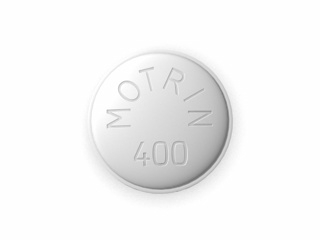

Motrin (Ibuprofen) – Patient Information (Australia)
Motrin is a widely used brand of ibuprofen, an anti-inflammatory medicine that belongs to the group known as NSAIDs (non-steroidal anti-inflammatory drugs). It is used to help relieve pain, inflammation, and fever.
This guide is written to help you understand how Motrin works, how to take it safely, and what to consider before and during use. Always follow the directions on the pack and consult a healthcare professional if you are unsure.
Quick Facts
- Active ingredient: Ibuprofen
- Medicine type: NSAID (non-steroidal anti-inflammatory drug)
- Common uses: Pain relief and fever reduction
- Available forms: Tablets/capsules and other presentations depending on brand and pack size (check your specific product)
- How it works: Reduces hormones (prostaglandins) involved in pain, fever and inflammation
What Motrin Is Used For
Motrin may be used to relieve symptoms such as:
- Fever (including fever associated with common illnesses)
- Headache and toothache
- Muscle aches and back pain
- Period pain (dysmenorrhoea)
- Joint and inflammatory pain, such as mild arthritis flares
- Sprains and strains (helping reduce pain and inflammation)
- Sore throat pain and other minor aches (symptomatic relief)
Important: Motrin helps with symptoms. If you have severe pain, persistent fever, or symptoms that worsen, seek medical advice.
How Motrin Works (Mechanism of Action)
Ibuprofen works by blocking enzymes called COX-1 and COX-2. These enzymes help produce prostaglandins, chemical messengers involved in:
- Pain signalling (making pain more intense)
- Fever (raising body temperature)
- Inflammation (swelling, redness, and tissue irritation)
By reducing prostaglandin production, ibuprofen can reduce pain, fever, and inflammation.
Pharmacokinetics (How the Body Processes Ibuprofen)
Pharmacokinetics describes what the body does to a medicine—how it is absorbed, distributed, metabolised, and eliminated.
- Absorption: Ibuprofen is absorbed after oral dosing. Taking it with food can reduce stomach irritation and may slow peak absorption.
- Distribution: It spreads through the bloodstream to sites where it is needed (including inflamed tissue).
- Metabolism: Ibuprofen is mainly metabolised in the liver.
- Elimination: Metabolites are cleared primarily by the kidneys (urine).
- Onset and duration: Many people feel relief within about 30–60 minutes, with effects lasting several hours. The dosing interval depends on the strength and your symptoms.
Typical Use and Timing
Motrin is usually taken as needed for symptom relief. Follow your product label for the exact dose and interval.
General timing tips:
- For pain or fever, take it when symptoms start or when you are most uncomfortable.
- Try to keep doses evenly spaced if you need repeat doses.
- If you are taking it for more than a few days, consider speaking with a pharmacist or doctor—especially if symptoms are not improving.
Dosing (Adults and Adolescents)
Always use the label directions for your specific Motrin pack. Different strengths exist. The guidance below is general and may not match every product.
| Patient group | Typical dose (general guidance) | Dosing interval (general guidance) | Maximum |
|---|---|---|---|
| Adults and adolescents (as per label) | Commonly 200 mg to 400 mg per dose (depending on severity and product strength) | Every 4 to 6 hours if needed | Do not exceed the maximum stated on your pack |
| Children | Dose depends strongly on age and weight; use the child-specific product/label | As directed by the label | Do not exceed the maximum stated on your pack |
Overdose risk: Using more than the recommended dose increases the risk of side effects, including stomach bleeding and kidney problems.
If you need to take Motrin frequently: If you find you require it most days for more than a few days, discuss options with a healthcare professional.
Food Interactions (Taking Motrin With Meals)
Motrin can irritate the stomach in some people. Taking it with food or milk may:
- Reduce stomach discomfort
- Lower the chance of nausea or indigestion
Practical approach:
- If you are prone to heartburn, gastritis, or indigestion, consider taking it with meals.
- If you take it on an empty stomach, stop and seek advice if you experience significant stomach pain, black stools, or vomiting blood.
Absorption note: Food can slightly slow absorption, but this does not usually reduce overall pain/fever control for most people.
Alcohol and Medicine Interactions
Alcohol can increase the risk of stomach irritation and gastrointestinal bleeding when combined with NSAIDs like ibuprofen.
- Recommendation: Limit alcohol while taking Motrin.
- Avoid alcohol: If you have a history of ulcers/bleeding, take blood-thinning medicines, or notice stomach symptoms.
Other common medicine interactions to be aware of (always check with a pharmacist):
- Other NSAIDs (e.g., naproxen, aspirin in pain doses): increases side effects and does not usually improve safety.
- Blood thinners (e.g., warfarin) and antiplatelet medicines: may increase bleeding risk.
- Corticosteroids (e.g., prednisone): may increase gastrointestinal risk.
- SSRIs/SNRIs for depression (e.g., sertraline, venlafaxine): can increase bleeding risk with NSAIDs.
- ACE inhibitors and ARBs (for blood pressure) and diuretics (“water tablets”): the combination with NSAIDs can affect kidney function, especially if dehydrated.
- Lithium and methotrexate: ibuprofen may alter levels—interaction risk depends on dose and duration.
Always tell a pharmacist about all medicines you take (including over-the-counter products and herbal supplements).
Indications (When Motrin May Be Appropriate)
Motrin is commonly indicated for the symptomatic relief of:
- Pain (e.g., headaches, dental pain, muscle aches, period pain)
- Inflammatory conditions causing discomfort
- Fever in adults and children, according to age-appropriate dosing
Not recommended for: persistent or severe pain without medical review, or conditions that require targeted treatment beyond symptom relief.
Safety Profile (What to Watch For)
Most people can use ibuprofen safely when they take the correct dose for the right period. However, like all NSAIDs, it has potential risks.
Common side effects
- Stomach upset, indigestion, nausea
- Heartburn
- Dizziness
Serious side effects – seek urgent help
- Allergic reaction such as swelling of the face/lips, wheezing, or rash
- Stomach bleeding (black/tarry stools, vomiting blood, severe stomach pain)
- Severe skin reactions (blistering, peeling rash)
- Kidney problems (reduced urination, unusual swelling, severe fatigue)
- Chest pain or signs of stroke (seek emergency care)
Who should be extra cautious
Talk to a pharmacist or doctor before using Motrin if you have any of the following:
- A history of stomach ulcers or gastrointestinal bleeding
- Kidney disease or dehydration (e.g., vomiting/diarrhoea)
- Heart disease, uncontrolled high blood pressure, or high cardiovascular risk
- Asthma that worsens with NSAIDs
- Previous reactions to aspirin or other NSAIDs
- Liver disease
- You take blood thinners or medicines that increase bleeding risk
Practical Use Tips
- Use the lowest effective dose for the shortest time needed.
- Check the strength on your pack to avoid dosing errors.
- Keep track of timing (especially if you alternate with other medicines).
- Hydrate—particularly if you are unwell (fever, sweating, diarrhoea, vomiting).
- Don’t combine with other NSAIDs unless a clinician advises you.
- If you get stomach pain or persistent indigestion, consider stopping and seek advice.
For children: Use age-appropriate ibuprofen products and follow the dosing instructions carefully. If unsure, consult a pharmacist.
Alternative Options
Depending on your symptoms and medical history, other options may be suitable:
Paracetamol (acetaminophen)
- Often used for fever and mild to moderate pain.
- Does not belong to the NSAID family, so it may be preferred by some people who cannot take ibuprofen.
Other NSAIDs
- Some people may use naproxen or other NSAID preparations.
- However, the safety considerations around stomach and kidney risk can still apply across NSAIDs.
Non-medicine measures
- Rest for musculoskeletal pain
- Cold packs for acute swelling (sprains/strains)
- Lukewarm fluids and light clothing for fever comfort
- Gentle stretching and heat for muscle stiffness (when appropriate)
Choosing between medicines: If you have kidney disease, stomach ulcers, are on blood thinners, or are pregnant, ask a pharmacist for guidance.
Motrin and Pregnancy / Breastfeeding (General Considerations)
NSAIDs may not be suitable at all stages of pregnancy. In particular, ibuprofen use later in pregnancy may be associated with risks to the baby.
- Pregnancy: If you are pregnant or trying to conceive, seek advice before using ibuprofen.
- Breastfeeding: Some NSAIDs may be compatible, but it’s still best to check with a healthcare professional—especially with repeated use.
Always read the pack guidance and speak with a pharmacist for personalised advice.
Market and Legal Context for Australia
Motrin (ibuprofen) is available in Australia in formulations that may be supplied as over-the-counter medicines depending on the strength and presentation, consistent with Australian regulatory scheduling.
In Australia, ibuprofen products are regulated under the Therapeutic Goods Act framework and must meet quality, safety, and labelling requirements. Pack instructions, including dosing and contraindications, are designed to help consumers use the medicine correctly.
Because availability and scheduling can vary by brand strength and product type, always confirm what your specific product contains and how it is indicated on the label.
Recent Guidance and Safety Messages (Practical Updates)
Recent public health messaging around NSAIDs continues to emphasise:
- Do not exceed the stated dose and avoid taking multiple NSAIDs together.
- Use NSAIDs for the shortest time and at the lowest effective dose.
- Be mindful of stomach bleeding risk, especially in older adults or those with ulcer history.
- Be cautious with kidney risk during dehydration (e.g., gastro symptoms).
- Check interactions with blood thinners, certain antidepressants, and blood pressure medications.
If symptoms persist, worsen, or you need repeat doses beyond the pack instructions, consider professional advice.
Delivery and Availability (Australia)
In Australia, Motrin is commonly stocked by major pharmacies and online retailers. Online availability may vary based on strength, pack size, and current demand.
- Availability: Subject to stock levels and product listings.
- Delivery: Many online pharmacies offer delivery within metropolitan areas and across regional locations. Delivery times vary by provider and location.
- Cold chain: Ibuprofen tablets/capsules generally do not require refrigeration.
Before placing an order: verify the active ingredient and strength (mg per tablet/capsule) and confirm it matches your intended use.
When to Seek Medical Help
Consider seeking medical advice urgently if:
- Your fever is high, lasts longer than expected, or you feel significantly unwell
- You have severe pain that does not improve with appropriate dosing
- You experience symptoms of allergy (wheezing, swelling, hives)
- You notice signs of bleeding (black stools, vomiting blood)
- You have reduced urination or severe swelling
FAQ – Motrin (Ibuprofen)
1) How fast does Motrin work?
Many people notice symptom relief within 30–60 minutes. Exact timing varies with the person and whether it is taken with food.
2) Can I take Motrin with food?
Yes. Taking Motrin with food may reduce stomach irritation and is often helpful if you get nausea or indigestion.
3) Can I take Motrin on an empty stomach?
You can, but it may increase the chance of heartburn or stomach upset. If you have a sensitive stomach, taking it with food is usually preferable.
4) What if I need to combine Motrin with paracetamol?
Some people alternate pain/fever medicines under guidance. However, dosing schedules must be followed carefully. Ask a pharmacist if you’re unsure about safe timing and maximum daily amounts.
5) Can I take Motrin with alcohol?
It’s best to limit or avoid alcohol while using Motrin, as alcohol can increase the risk of stomach irritation and bleeding.
6) Should I take Motrin if I have a stomach ulcer?
With a history of ulcers or bleeding, NSAIDs can be risky. Speak to a pharmacist or doctor before using ibuprofen.
7) Can I take Motrin if I have kidney disease?
Ibuprofen may affect kidney function, especially if you are dehydrated. If you have kidney problems, consult a healthcare professional before use.
8) Is Motrin suitable for children?
Children may use ibuprofen products, but dosing depends on age and weight. Use a child-appropriate ibuprofen medicine and follow the label carefully. If you’re unsure, ask a pharmacist.
9) What are the signs of an overdose?
Overdose can cause serious symptoms such as severe stomach pain, vomiting, unusual drowsiness, breathing problems, or dizziness. If you suspect an overdose, seek urgent medical advice immediately. In Australia, you can contact Poison Information Centres for guidance.
10) How long can I take Motrin?
Use it for the shortest time that controls symptoms. If symptoms persist beyond a few days, consult a healthcare professional.
11) Can I take Motrin if I’m on blood thinners?
NSAIDs can increase bleeding risk when taken with some blood-thinning medicines. Check with your pharmacist or doctor before use.
12) What if Motrin doesn’t help?
If you don’t get adequate relief or symptoms worsen, it may be a sign you need different treatment. Consider contacting a pharmacist or healthcare professional.
Final Reminder
Motrin (ibuprofen) can be an effective option for pain, fever, and inflammation when used correctly. Always follow the label, avoid unnecessary repeat dosing, and consider your personal health risks (such as stomach, kidney, and heart conditions). If you have any concerns or your symptoms don’t improve, seek advice from a qualified healthcare professional.