
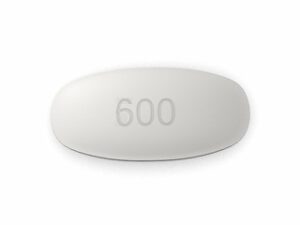
Zyloprim (Allopurinol) – Patient-Friendly Guide (Australia)
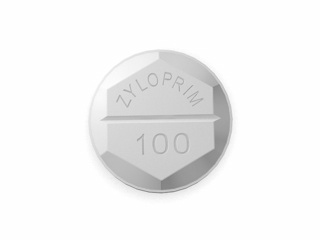
Zyloprim is a brand of allopurinol, a medicine used to control high levels of uric acid in the body. High uric acid can lead to painful gout attacks and the formation of uric acid crystals (including stones in the kidneys). This guide explains what Zyloprim does, how it works, how it is typically taken, and important safety and interaction information.
| Product | What it contains | Common reasons for use | Typical goal |
|---|---|---|---|
| Zyloprim | Allopurinol | Gout, high uric acid, uric acid kidney stones | Lower uric acid to prevent flares and reduce crystal buildup |
Basic product information
Generic name: Allopurinol
Brand name: Zyloprim
Medicinal class: Xanthine oxidase inhibitor (uric-acid lowering medicine)
Zyloprim works by reducing the production of uric acid. Unlike medicines used only to stop a sudden gout flare, Zyloprim is intended for long-term control of uric acid levels.
How it works: mechanism of action
Uric acid is produced when the body breaks down purines—substances found in many foods and also made by your body. The enzyme xanthine oxidase helps convert purines into uric acid.
Allopurinol inhibits xanthine oxidase, which leads to:
- Less uric acid formation
- Lower blood urate levels (serum urate)
- Gradual reduction of urate crystals in joints and other tissues
A key point: although the medicine lowers uric acid, it may take time for symptoms and crystal burden to improve fully. During the early months, gout flares can still occur as urate levels change.
Pharmacokinetics (how the body handles it)
Pharmacokinetics describes how a drug is absorbed, distributed, metabolised, and eliminated.
- Absorption: Allopurinol is absorbed after oral dosing. Food can affect absorption rate in some people, but overall effectiveness is usually maintained when taken as directed.
- Metabolism: Allopurinol is metabolised to oxypurinol, an active metabolite that also helps reduce uric acid production.
- Distribution: The active metabolite circulates and contributes to the urate-lowering effect.
- Elimination: Both allopurinol and oxypurinol are eliminated mainly by the kidneys. In kidney impairment, medication levels can accumulate, so dosing may require adjustment.
- Onset of effect: Serum urate begins to fall over days to weeks, but long-term targets may take longer to achieve. Clinical improvement and fewer flares often occur after sustained urate control.
Typical uses (indications)
Zyloprim (allopurinol) is used to manage conditions associated with elevated uric acid. Common indications include:
- Gout: Prevention of recurrent gout attacks by lowering uric acid.
- Hyperuricaemia: Elevated uric acid levels where lowering is clinically indicated.
- Uric acid kidney stones: Prevention of recurrence by keeping urate levels under control.
- Some high-turnover states: In specific situations where increased uric acid production may occur (for example, certain cancer therapies). This is a specialised use and requires close medical monitoring.
When to take it: timing and dosing routine
Zyloprim is usually taken once daily. The exact dosing schedule depends on your starting dose, urate targets, kidney function, and how your body responds.
- Try to take it at the same time each day to maintain steady levels.
- Consistency is important: Missing doses can allow uric acid to rise again.
- Early period: It’s common for gout flares to occur during the first months of urate-lowering therapy. This does not automatically mean the medicine is “not working.”
If you are starting Zyloprim, your clinician may recommend additional measures (such as anti-inflammatory medicines) to reduce the chance or severity of early flares.
Dosing (general guidance)
Dosing should be individualised. Below is general information commonly used in practice; your exact dose should follow your prescribed instructions and your kidney function.
| Situation | Typical approach | Notes |
|---|---|---|
| Starting therapy | Low initial dose, then gradual adjustment | Gradual titration can reduce the risk of triggering gout flares. |
| Ongoing control | Titrate to reach target serum urate | Targets differ by patient; monitoring guides adjustments. |
| Kidney impairment | Lower starting dose and/or slower titration | Allopurinol/oxypurinol accumulate in reduced kidney function. |
| Older adults | Often start lower and monitor closely | Kidney function may be reduced even without obvious symptoms. |
Do not change your dose or stop Zyloprim suddenly without medical advice. Stopping can allow uric acid levels to rise and may worsen gout control.
Food interactions and dietary considerations
Allopurinol has few direct food restrictions, but diet can strongly influence uric acid levels. A consistent approach to food and hydration can improve gout outcomes alongside medication.
Foods and beverages to moderate
- Alcohol: especially beer and spirits, can raise uric acid and trigger flares.
-
Purine-rich foods (examples):
- Organ meats (e.g., liver, kidney)
- Some seafood (e.g., sardines, anchovies, shellfish for some people)
- High-fructose drinks (including some soft drinks and fruit-flavoured drinks)
Hydration
- Drink water regularly unless you’ve been told to restrict fluids.
- A well-hydrated body helps reduce the concentration of uric acid in urine.
Taking with food
Many people take Zyloprim with a meal to improve comfort if they experience stomach upset. However, the most important factor is to take it as directed and keep a consistent daily routine.
Alcohol and medicine interactions
Zyloprim does not usually have a dangerous “direct” interaction with alcohol, but alcohol can still increase gout risk by raising uric acid and promoting dehydration or metabolic changes that may trigger flares.
- General advice: Limit alcohol, particularly during flare-prone periods or when starting urate-lowering therapy.
- Watch for symptoms: If you notice more joint pain after alcohol, reduce intake further.
- Consider medication combinations: People with gout may take pain relievers or other medicines. Alcohol may increase side effects for some of these (for example, stomach irritation with certain anti-inflammatories).
If you drink alcohol regularly, tell your pharmacist or clinician so they can help balance gout control, medication safety, and overall health.
Medicines and interaction considerations
Allopurinol can interact with a range of medicines. Some interactions can increase side effects or require dose adjustment. Always review your full list of medicines, including over-the-counter products and supplements.
Common interaction themes
- Azathioprine and mercaptopurine: Allopurinol can significantly increase blood levels of these medicines, potentially leading to severe side effects. Dosing adjustments and careful monitoring are required if these are used together.
- Certain anticoagulants (warfarin): Effects may change in some people. Monitoring is often needed if used together.
- Some antibiotics (especially ampicillin/amoxicillin): A rash risk may be higher when combined in susceptible individuals. If rash occurs, seek advice promptly.
- Theophylline: Allopurinol may affect the metabolism of theophylline, potentially increasing its effects.
- Diuretics: Some diuretics can affect uric acid levels. This may influence gout control and how well urate targets are reached.
- Other urate-lowering treatments: Combination strategies sometimes exist, but should be supervised to avoid over-treatment and manage safety.
Important: This is not a complete list. If you are unsure about a specific medicine, check with your pharmacist.
Safety profile: what to watch for
Many people take Zyloprim safely. However, like all medicines, it can cause side effects. Some reactions are rare but serious—especially certain hypersensitivity reactions.
Common or usually mild side effects
- Nausea or stomach upset
- Skin rash (in some people)
- Changes in liver function tests (detected on blood tests)
- Headache
Serious side effects (seek urgent advice)
Contact a healthcare professional urgently or seek emergency help if you develop symptoms that could indicate severe allergy or hypersensitivity.
- Severe rash, blistering, peeling skin, or sores in the mouth
- Fever with rash or feeling very unwell
- Swelling of face/lips, difficulty breathing, or wheezing
- Signs of liver problems such as yellowing of the skin/eyes, dark urine, severe fatigue
- Kidney worsening (decreased urine output, significant swelling) if it occurs with other symptoms
Risk factors for hypersensitivity
Some people have higher risk of severe reactions. Risk is influenced by factors such as kidney impairment, certain genetic susceptibility, and the rate at which dosing is increased. Starting low and increasing gradually is one approach used to improve safety.
Practical use tips for best results
- Keep taking it consistently: Zyloprim is for long-term urate control.
- Expect the first months to be “active”: Some people experience gout flares when urate levels shift. This can improve with continued therapy.
- Attend blood test monitoring: Blood tests may include kidney function and urate levels to guide dose adjustment.
- Don’t double up: If you miss a dose, take it when you remember unless it is near the next dose. Do not take two doses at once.
- Report new rash early: A rash should not be ignored. Early assessment can prevent progression.
- Maintain hydration: Adequate fluid intake supports kidney function and helps reduce stone risk.
Alternative options
If allopurinol isn’t suitable due to side effects, inadequate response, or other considerations, there may be alternative treatments for high uric acid and gout. Options may include:
- Febuxostat: Another xanthine oxidase inhibitor used to lower uric acid.
- Uricosuric medicines: Medicines that increase uric acid excretion (selected cases).
- Urate-target strategies: Some people require a combination approach or different dosing schedules.
- Acute gout flare management: Separate medicines are used to treat sudden flares; these do not usually replace urate-lowering therapy.
The best alternative depends on your medical history, kidney function, cardiovascular risk profile, and how your urate levels respond.
Market and legal context in Australia
In Australia, medicines are regulated under the national framework for therapeutic goods. Allopurinol products such as Zyloprim are available through legal pharmaceutical supply channels. Availability may vary by strength and pack size.
Online pharmacy services in Australia typically provide information, delivery, and supply of eligible medicines according to current regulations and prescribing/dispensing requirements. If a product requires clinician involvement before dispensing, the process will follow Australian requirements.
Recent guidance and clinical practice notes
Current clinical practice emphasises treat-to-target urate lowering rather than “one dose fits all.” Many guidelines focus on:
- Starting low and going slow to reduce gout flare risk
- Regular monitoring (serum urate and kidney/liver function as appropriate)
- Continuing therapy long term to prevent recurrence and reduce crystal deposits
- Managing flare risk during initiation (often with preventive anti-inflammatory strategies in the early phase)
Recommendations can evolve as new evidence becomes available. For the most up-to-date guidance for gout and hyperuricaemia, discuss with your healthcare professional.
Delivery and availability (Australia)
Zyloprim (allopurinol) may be supplied in different strengths depending on local stock. Availability can vary by:
- Strength and pack size
- Formulation (brand vs generic availability)
- Supply schedules with wholesalers and pharmacies
Online pharmacies typically offer home delivery across Australia, with shipping times depending on your location and the pharmacy’s dispatch cut-off times. In many cases, the product can be dispatched quickly if stock is available.
Delivery costs, expected delivery windows, and any minimum order requirements may apply. Always review the checkout information before confirming an order.
FAQ
1) What is Zyloprim used for?
Zyloprim (allopurinol) is used to lower uric acid levels. It helps prevent recurrent gout attacks and can help prevent uric acid kidney stones in people with high uric acid.
2) Does Zyloprim treat a gout flare immediately?
Zyloprim is not usually used to stop a sudden gout flare right away. It lowers uric acid gradually. Some people may still get flares during the early months after starting, even while the medication is working.
3) How long does it take to work?
Serum urate can begin to fall within days to weeks, but symptom improvement and reduced flare frequency typically take longer. Many people need ongoing treatment for months to achieve stable urate control.
4) Should I stop taking it if I feel better?
Usually, no. If Zyloprim is controlling your uric acid, stopping can allow urate to rise again. Do not stop without medical advice.
5) Can I drink alcohol while taking Zyloprim?
Alcohol may increase the risk of gout flares. While Zyloprim does not typically cause a dangerous interaction with alcohol, limiting alcohol is generally recommended for gout control.
6) What foods should I avoid?
Many people benefit from reducing purine-rich foods (such as organ meats and some seafood), limiting high-fructose drinks, and maintaining good hydration. A tailored dietary plan can be discussed with your clinician.
7) What side effects are most important to watch for?
Mild effects like stomach upset or mild rash can occur. Seek urgent medical advice for severe rash, blistering/peeling skin, fever with rash, facial swelling, breathing trouble, or symptoms suggesting liver injury.
8) Do I need blood tests?
Blood tests are commonly used to monitor serum urate and check kidney function (and sometimes liver function). Monitoring helps guide dose adjustments and improve safety.
9) What if I have kidney problems?
Kidney impairment often requires careful dosing and monitoring because active metabolites can accumulate. Tell your pharmacist or clinician about your kidney function and any history of kidney stones.
10) Are there alternatives if allopurinol doesn’t suit me?
Yes. Options may include febuxostat or other strategies depending on your health profile and urate goals. Your healthcare professional can advise on the safest option for you.
Summary
Zyloprim (allopurinol) is a long-term medicine for lowering uric acid. By inhibiting xanthine oxidase, it reduces uric acid production and helps prevent gout recurrence and uric acid kidney stones. Because dosing may need to be adjusted and early flare risk can occur, best results come from consistent daily use, appropriate monitoring, and practical gout-focused lifestyle steps such as hydration and moderating alcohol and high-purine foods.
If you’re unsure whether Zyloprim is suitable for you or you want help checking interactions with your current medicines, speak with a pharmacist. They can also help you understand how to take your dose safely and when to seek advice.