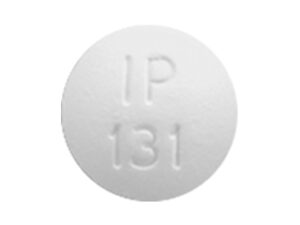
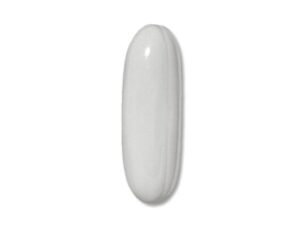
Colchicum autumnale (Autumn Crocus) — Patient Information
Colchicum autumnale is a plant-derived medicine traditionally used for conditions involving painful inflammation, particularly gout. In Australia, it may be supplied in different presentations depending on the product formulation and regulatory status. This page provides general, patient-friendly information to help you understand how it works, how it is typically used, and what to consider for safety.
Always follow the specific instructions provided with your product. If you are unsure which form of Colchicum autumnale you have (e.g., homeopathic or other standardized preparations), consult a pharmacist for guidance.
Basic product information
- Medicine name: Colchicum autumnale
- Common name: Autumn crocus (plant source: Colchicum autumnale)
- What it’s used for: Traditionally for painful inflammatory conditions, most commonly gout flares
- Availability: May be available in different forms from pharmacies, depending on local regulations and product formulation
Important: Colchicum is a powerful medicinal plant. The active substances in the plant (notably colchicine-related compounds) can be toxic if taken inappropriately. Use only products that are prepared and labelled for medicinal use, and do not self-prepare or take higher-than-directed doses.
How it works (mechanism of action)
The therapeutic effect of Colchicum autumnale preparations relates to their ability to reduce inflammatory signalling, especially in conditions driven by uric acid crystal–mediated inflammation (such as gout attacks).
- Modulates inflammatory pathways: It helps limit the activity of white blood cells and inflammatory mediators.
- Reduces neutrophil response: In gout, neutrophils drive much of the intense pain and swelling; Colchicum reduces their inflammatory behaviour.
- Interrupts downstream effects: The medicine can reduce release of inflammatory substances that worsen symptoms.
In simple terms: it reduces the inflammatory cascade that leads to severe pain during a gout flare.
Pharmacokinetics (how the body handles the medicine)
Pharmacokinetics can vary depending on the specific formulation and whether the product is standardized. However, general principles for colchicine-related medicines include:
- Absorption: After oral use, active compounds are absorbed through the gastrointestinal tract.
- Distribution: The medicine distributes into tissues and can affect cells involved in inflammation.
- Metabolism: It is metabolised mainly by liver enzymes (commonly associated with CYP pathways) and may also involve transport proteins.
- Excretion: Elimination occurs through both biliary (via bile) and renal (kidney) pathways.
- Drug interactions: Because metabolism and transport can be affected by other medicines, interactions can be clinically important.
Why this matters for safety: Impaired liver or kidney function and interacting medications can increase levels of the medicine in the body, raising the risk of side effects.
Typical uses and indications
In practice, Colchicum autumnale is most often associated with the management of:
- Acute gout flares: Reducing pain, redness, and swelling during an attack.
- Inflammatory arthritic conditions (traditional use): Some products are marketed for inflammatory symptoms based on traditional indications, but the exact “indication” depends on the specific product and its regulatory status.
Note: If your product is a non-prescription product (e.g., a homeopathic preparation), its labelled indications may differ. Check your label or package instructions for what the product is intended to treat.
Timing: when to take it
For conditions such as gout flares, timing can influence how quickly symptoms improve. As a general principle, anti-inflammatory flare treatments work best when started early in the attack.
- During a flare: Start as soon as you are advised it is appropriate for that flare type and product instructions.
- With repeated dosing: Follow the exact frequency and duration on your label.
- Do not “double up”: If you miss a dose, take the next dose at the scheduled time unless your pharmacist advises otherwise.
If you have frequent gout attacks, you may also need longer-term management to prevent flares (e.g., urate-lowering therapy). Colchicum autumnale preparations may be used only for flare control depending on your overall plan.
Dosing: how much and how often
Dosing varies by product formulation (and may also differ across countries and regulatory pathways). Always use the dose described on the specific package or as directed by a pharmacist.
Below is a general framework for patient understanding—not a substitute for your label instructions:
- Acute gout flare: Often started with an early dose and then followed by additional doses for a short period.
- Maximum daily limits: Many colchicine-related regimens have strict maximum limits and dose adjustments for kidney/liver impairment.
- Kidney/liver impairment: Lower doses or longer intervals are frequently recommended to reduce toxicity risk.
Safety reminder: Colchicum/autumn crocus products can be dangerous if taken in excess. Do not increase dose to “make it work faster”.
Food interactions
Food can sometimes influence absorption and stomach tolerance. In general:
- Take with food if needed: If the medicine upsets your stomach, taking it with meals may help some people.
- Follow product advice: Many labels allow administration with or without food. Check your pack instructions.
- Consistency: Try to take doses consistently the same way each time.
If you experience nausea, diarrhoea, abdominal cramps, or other gastrointestinal symptoms, contact your pharmacist for advice on timing with food and whether you should stop and seek medical review.
Alcohol and medicine interactions
Alcohol may worsen gastrointestinal side effects (such as nausea or diarrhoea) and can increase dehydration—both of which may be problematic during flares.
- Alcohol: It’s generally advisable to limit or avoid alcohol while using this medicine, especially during an acute attack.
- Dehydration: If you become dehydrated (e.g., due to diarrhoea), kidney function can worsen and increase risk.
Other important interactions (medicine interactions): Colchicine-related medicines are notable for drug–drug interactions, especially when other medicines inhibit metabolism or transport proteins.
Discuss your complete list of medicines with a pharmacist, including prescription medicines, over-the-counter products, and supplements. Particularly important interaction checks include medicines used for:
- Fungal infections (some azole antifungals)
- HIV treatment (certain antivirals)
- Heart rhythm or blood pressure (some medicines affecting drug metabolism/transport)
- Cholesterol (some statins may increase risk of muscle-related side effects when combined with interacting medicines)
- Antibiotics that can affect drug metabolism
Do not start new medicines (including herbal products) without checking with a pharmacist, because interactions can be serious.
Safety profile: who should be careful
Colchicum autumnale products may cause side effects, and toxicity can occur—particularly with higher doses, repeated dosing without guidance, or in people with kidney/liver impairment.
Common side effects
- Diarrhoea
- Nausea
- Vomiting
- Abdominal pain or cramps
Serious side effects (seek urgent help)
Seek urgent medical advice if you develop symptoms suggesting toxicity. These can include:
- Severe or persistent diarrhoea or vomiting
- Marked weakness, dizziness, or signs of dehydration
- Muscle pain or weakness (especially if combined with interacting medicines)
- Unusual bruising or bleeding
- Fever or symptoms of infection
Who should be extra cautious
- People with kidney disease (reduced clearance can increase risk)
- People with liver disease
- Older adults (higher likelihood of reduced organ function and interacting medicines)
- People taking interacting medicines (see interaction section)
- Pregnancy and breastfeeding: discuss with a healthcare professional before use
Driving and machinery: Colchicum autumnale is not commonly associated with dizziness for most people, but if you feel unwell or dehydrated, avoid driving and seek advice.
Practical use tips
- Start early during a gout flare: If your product instructions support flare treatment, earlier use may be more effective.
- Stay hydrated: Drink fluids, especially if you experience mild stomach upset or diarrhoea.
- Do not exceed the dose on the label: A common cause of harm is taking extra doses “just in case”.
- Review your medication list: Before using the medicine, check for interactions with a pharmacist.
- Be alert to GI symptoms: Stop and seek advice if side effects are severe, persistent, or worsening.
- Consider flare prevention strategies: Lifestyle changes and long-term urate management can reduce flare frequency.
Storage: Store according to the packaging instructions, keep out of reach of children, and keep away from heat and moisture.
Alternative options
If Colchicum autumnale is unsuitable or not tolerated, several alternative approaches may be considered depending on the condition and your medical history. Your pharmacist can outline suitable options for gout flare management and prevention.
Common alternatives for gout flares
- Anti-inflammatory medicines (e.g., NSAIDs) — may be appropriate for some people but can be risky for others (e.g., kidney disease, ulcers).
- Corticosteroids — can reduce inflammation in certain situations, sometimes used when other options are limited.
- Urate-lowering therapy adjustments — for prevention, not immediate flare relief. Some long-term regimens may be started or adjusted with specialist guidance.
Supportive measures
- Rest the affected joint and apply ice if advised.
- Hydration and dietary measures may help reduce future risk.
- Avoid known triggers: alcohol excess and certain foods can trigger gout flares for some people.
Always discuss alternatives, especially if you have kidney or liver impairment or take medicines that could interact.
Australia: market and legal context
Australia’s medicine market is governed by regulatory frameworks that classify products based on their approval pathway and claims. In general, medicines supplied in Australia may include:
- Therapeutic goods medicines assessed under Australian regulatory settings, where applicable
- Homeopathic products (where claims and indications are handled differently from conventional medicines)
- Herbal or complementary preparations (which may carry different labelling, evidence expectations, and safety considerations)
Why this matters for patients: “Colchicum autumnale” may refer to different product types. Their dosing, evidence base, labelling, and safety directions can differ substantially. Always read the exact product label you have purchased.
Recent guidance and safety focus (general)
In recent years, gout management has increasingly emphasised:
- Early flare treatment (when appropriate)
- Careful dose adjustment in kidney impairment and older adults
- Risk awareness for drug interactions, especially with medicines that affect drug metabolism
- Prevention of future flares through long-term urate lowering where indicated
Your pharmacist can help you align your product choice with current best practice for gout care in Australia.
Delivery and availability
Availability varies by product type and supplier. When ordering online from an Australian pharmacy, you can usually expect:
- Pharmacist review: where relevant, a pharmacist may review your details and medication list for safety and suitability.
- Delivery timeframes: delivery times depend on your location and warehouse dispatch schedules.
- Tracking: many orders include tracking updates once dispatched.
- Temperature and storage: follow storage directions on the product packaging.
If your order is not immediately available, a pharmacy may offer an alternative product or expected restock time.
FAQ
Is Colchicum autumnale the same as colchicine?
The plant contains biologically active compounds. Many modern clinical gout regimens use colchicine (a purified/standardised medicinal form). “Colchicum autumnale” may be sold in different preparations. The safest approach is to check your product label and ask a pharmacist what active form and dose it contains.
How quickly does it work for a gout flare?
Many people notice improvement within the first day when started early and used correctly. However, response varies by individual and by the stage and severity of the flare. If symptoms are not improving, seek advice rather than taking extra doses.
Can I take it with food?
Some people prefer taking it with meals to reduce stomach upset. Follow the label instructions for your specific product. If your product doesn’t specify, ask your pharmacist whether taking it with food is preferable for you.
What should I do if I miss a dose?
If you miss a dose, take it when you remember only if it’s close to the next scheduled dose and your label instructions allow it. Otherwise, skip and continue with the next dose at the usual time. Do not take extra doses.
Is it safe to drink alcohol while using Colchicum autumnale?
It’s generally best to limit or avoid alcohol while you’re using it, especially if you’re experiencing gastrointestinal side effects. Dehydration from diarrhoea or vomiting can increase risk.
What medicines commonly interact with it?
Interactions can occur with medicines that affect metabolism and transport pathways. Common categories that require checking include certain antifungals, antibiotics, HIV antivirals, and some cholesterol-lowering medicines. Always review your medication list with a pharmacist.
Who should not use it or should check first?
Extra caution is advised for people with kidney or liver impairment, older adults, people taking interacting medicines, and those who are pregnant or breastfeeding. If you have any concerns, speak to your pharmacist before use.
Are there dietary changes that can help prevent gout?
Yes. Many people benefit from reducing triggers such as excess alcohol (particularly beer and spirits), sugary drinks, and foods high in purines. Weight management and hydration can help. Long-term urate lowering may still be needed depending on your risk profile.
What should I do if I feel unwell after taking it?
If you develop severe diarrhoea, ongoing vomiting, signs of dehydration, muscle weakness, or other severe symptoms, seek urgent medical advice. Don’t keep taking additional doses until you’ve been assessed.
Quick reference summary
| Topic | What to know |
|---|---|
| Typical use | Traditionally for painful inflammatory attacks, especially gout flares (depending on product type and label). |
| How it works | Helps reduce inflammatory signalling and neutrophil-driven inflammation. |
| Timing | Often best started early in a flare; follow the dose schedule on your pack. |
| Food | May be taken with food if it upsets your stomach; follow the product label. |
| Alcohol | Limit or avoid alcohol; dehydration and GI side effects can worsen risk. |
| Interactions | Check drug interactions carefully, especially with medicines affecting metabolism/transport (e.g., certain antifungals/antibiotics/antivirals/statins). |
| Safety | GI effects are common; urgent help if severe diarrhoea/vomiting, weakness, or other serious symptoms occur. |
| Kidney/liver disease | Higher risk—dose adjustments and pharmacist advice are important. |
| Action if unsure | Talk to a pharmacist to confirm your product type and safe dosing plan. |
Disclaimer: This information is general and may not cover every situation. Product strength, formulation, and intended uses vary. For advice tailored to you—particularly if you have other medical conditions or take interacting medicines—speak with your pharmacist.