

Arcoxia (Etoricoxib) — Patient-Friendly Guide (Australia)
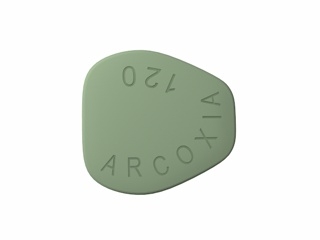
Arcoxia is a brand of etoricoxib, a medicine from the non-steroidal anti-inflammatory drug (NSAID) family. It is used to reduce pain and inflammation in a range of musculoskeletal and joint conditions. This guide explains how Arcoxia works, how it behaves in the body, how it is typically taken, and the key safety points to help you use it more confidently.
Important: All medicines have potential risks and benefits. Your clinician or pharmacist can help tailor use to your medical history, other medicines, and risk factors.
Basic product information
| Feature | Information |
|---|---|
| Medicine name | Arcoxia |
| Active ingredient | Etoricoxib |
| Medicinal group | COX-2 selective NSAID (anti-inflammatory and pain-relieving) |
| Common forms | Oral tablets (strengths vary) |
| How it’s taken | By mouth, usually once daily depending on dose and condition |
| Typical focus of use | Joint pain, inflammation, osteoarthritis, rheumatoid arthritis, gout flares (depending on dose/indication) |
How Arcoxia works (mechanism of action)
Inflammation and pain are partly driven by chemicals called prostaglandins. Prostaglandins are produced through an enzyme pathway involving cyclo-oxygenase enzymes (COX).
- Etoricoxib selectively inhibits COX-2 (more than COX-1).
- This leads to reduced prostaglandin production in tissues.
- As a result, it can help with pain, swelling, and stiffness caused by inflammatory conditions.
Note: Being more COX-2 selective may mean a different pattern of side effects compared with some older, non-selective NSAIDs, but it does not remove important risks (especially cardiovascular and kidney-related risks).
Pharmacokinetics (how the medicine moves through the body)
Pharmacokinetics describes absorption, distribution, metabolism, and elimination.
- Absorption: Etoricoxib is absorbed after oral dosing. Peak blood levels typically occur within a few hours (commonly around 1 hour for most people).
- Food effect: Food can influence the speed of absorption. The overall amount absorbed is generally not drastically changed, but timing may matter for “when you feel it.”
- Distribution: The medicine is widely distributed in the body and is substantially bound to plasma proteins.
- Metabolism: It is primarily metabolised in the liver via CYP enzymes (commonly involving CYP3A4).
- Elimination: Metabolites are mainly excreted through the kidneys.
- Half-life: Etoricoxib has a relatively long half-life, which supports once-daily dosing for many indications.
If you have liver or kidney impairment, dosing and monitoring may be different. Always follow clinician/pharmacist advice and do not exceed recommended doses.
Typical uses and indications in plain language
Arcoxia is used to relieve pain and inflammation associated with conditions such as:
- Osteoarthritis: Pain from wear-and-tear joint disease.
- Rheumatoid arthritis: Inflammatory joint disease.
- Ankylosing spondylitis: Inflammation in the spine and related joints.
- Acute gout: Short-term treatment during a gout flare (depending on strength and local guidance).
In practice: Arcoxia may be used for short periods for flares, or longer periods for chronic joint conditions—always at the lowest effective dose for the shortest duration consistent with your goals.
When to take Arcoxia (timing and dose consistency)
The timing depends on the dose and your prescribed regimen. Many people take it once daily at roughly the same time each day.
General timing tips
- Take at the same time each day to maintain consistent blood levels (unless your clinician advises otherwise).
- If taking for pain relief, you may prefer to take it with a routine meal or snack if it helps you stay consistent.
- Do not double up if you miss a dose—follow instructions provided with your medicine or by your clinician/pharmacist.
How quickly it may work
Many patients notice pain relief within the first day. The full benefit for chronic inflammatory symptoms may take several days to become obvious. If you do not notice improvement or symptoms worsen, seek advice promptly.
Food interactions (what to eat and drink)
Etoricoxib can be taken with or without food. However, food can affect how quickly it reaches peak levels.
- Speed of onset: Taking with food may alter the time to peak effect for some people.
- Overall exposure: Food typically does not substantially reduce the total amount absorbed.
Practical approach: Take it the way your pharmacist or clinician instructs. If you notice it works better for you at a certain time (for example, with or without food), stick to that routine.
Alcohol and medicine interactions
Alcohol can increase the risk of stomach irritation and bleeding with many painkillers. While COX-2 selective NSAIDs may have a different gastrointestinal profile than non-selective NSAIDs, avoid heavy alcohol use while taking Arcoxia unless a healthcare professional advises otherwise.
Alcohol safety considerations
- Limit alcohol and avoid binge drinking.
- If you drink regularly, ask your pharmacist or clinician whether Arcoxia is appropriate for you.
- Do not combine with other NSAIDs (e.g., ibuprofen, naproxen, diclofenac) unless specifically directed.
Common medicine interactions (important)
Some medicines may interact with etoricoxib, increasing risks or requiring dose adjustments:
- Other NSAIDs (increased side effects, including kidney and cardiovascular risk)
- Anticoagulants (e.g., warfarin) or antiplatelets (bleeding risk may change)
- Diuretics (water tablets) and certain blood pressure medicines (possible kidney effects and blood pressure changes)
- ACE inhibitors or ARBs (risk of kidney impairment can increase in combination with NSAIDs)
- Lithium (levels may rise—toxicity risk)
- Cyclosporine/tacrolimus (kidney risk may increase)
- Methotrexate (possible increased toxicity, especially at higher doses)
- Digoxin (may increase levels in some situations)
- Strong CYP inhibitors/inducers (may affect etoricoxib metabolism)
Tell your pharmacist about all medicines and supplements you use, including “over-the-counter” products. Interaction risk can vary by your health conditions.
Dosing information (typical approach)
Dosing depends on the condition and your individual risk factors. In general, NSAIDs including etoricoxib should be used at the lowest effective dose and for the shortest possible duration.
Do not exceed the recommended maximum daily dose stated for your specific strength and indication. Your clinician/pharmacist will guide the correct regimen for you.
Typical dosing pattern (general reference)
- Once daily dosing is commonly used due to the medicine’s long half-life.
- For acute flares (such as gout), clinicians may use a short course and select the lowest dose likely to control symptoms.
Important: Exact dosing instructions can differ based on the product strength, your diagnosis, and your liver/kidney status. Always follow the dosing instructions provided with your medicine or by your healthcare professional.
Safety profile: who should use caution and what to watch for
As with other NSAIDs, Arcoxia can cause side effects. The most important risks include effects on the heart and blood vessels, the kidneys, and the stomach/intestines (even if COX-2 selective).
Seek urgent medical help if you experience
- Signs of an allergic reaction: swelling of face/lips, difficulty breathing, wheezing, severe rash
- Chest pain, sudden shortness of breath, weakness on one side, or trouble speaking (possible heart or stroke symptoms)
- Black or tarry stools, vomiting blood, or severe abdominal pain (possible GI bleeding)
- Reduced urination, sudden weight gain, swelling in legs/ankles (possible kidney or fluid issues)
- Unexplained severe headache or visual symptoms
- Severe skin reactions (rare but serious)
Common side effects
- Headache
- Indigestion or nausea
- Fluid retention (oedema)
- Raised blood pressure in some people
Less common but serious risks
- Cardiovascular risk: NSAIDs can increase risk of heart attack and stroke, particularly at higher doses or with long-term use, and in people with existing cardiovascular risk factors.
- Kidney risk: NSAIDs can reduce kidney blood flow, especially in dehydration or when combined with certain medicines (e.g., diuretics, ACE inhibitors, ARBs).
- Liver risk: Rarely, liver enzymes can rise. Seek advice if you develop yellowing of the eyes/skin (jaundice), dark urine, or persistent nausea.
- Fluid and blood pressure: May cause or worsen hypertension and fluid retention.
Who needs extra caution
Discuss Arcoxia use with a clinician/pharmacist if you have any of the following:
- Known heart disease or history of stroke
- High blood pressure not well controlled
- Kidney disease or dehydration risk
- History of ulcers or GI bleeding
- Liver disease
- Known aspirin/NSAID allergy or asthma triggered by NSAIDs
- Age-related frailty or multiple risk factors
Practical use tips (to get safer, steadier benefits)
- Use the lowest effective dose: If symptoms improve, don’t automatically increase dose. Ask about step-down strategies.
- Check blood pressure: If you have hypertension, monitor regularly.
- Stay hydrated: Dehydration can increase kidney risk. Drink fluids as appropriate for your health.
- Avoid combining NSAIDs: Don’t take ibuprofen, naproxen, or diclofenac at the same time unless specifically instructed.
- Be cautious with “cold & flu” products: Some contain NSAIDs or other ingredients that can duplicate effects.
- Track response: Note pain score and function. If there is no meaningful benefit, speak to a clinician.
- Regular review for chronic use: If using longer-term, periodic assessment is important to balance benefit against risks.
Alternative options
If Arcoxia isn’t suitable, or if you need additional support, alternatives may include:
Other pain-relief options
- Paracetamol (acetaminophen): Often used for pain relief, especially for mild to moderate symptoms. It does not have the same anti-inflammatory effect as NSAIDs.
- Non-selective NSAIDs: e.g., ibuprofen, naproxen, diclofenac (choice depends on risk profile and tolerance).
- Topical NSAIDs: e.g., diclofenac gel for certain joint pains; may reduce systemic exposure for some people.
Non-medicine approaches
- Exercise and physiotherapy: Strengthening and mobility programs can reduce pain and improve function.
- Weight management: Helps reduce load on weight-bearing joints (particularly for osteoarthritis).
- Heat/cold therapy and activity modification.
- In some inflammatory arthritis cases: disease-modifying treatments may be appropriate—discuss with a rheumatologist or clinician.
Which alternative is best? It depends on your diagnosis, symptom severity, and risk factors (heart, kidney, stomach, liver, and other medicines).
Market and legal context for Australia (general information)
In Australia, medicines are regulated by the Therapeutic Goods Administration (TGA). Availability, prescribing requirements, and product information depend on classification and approved indications.
For online pharmacy services, the key expectations typically include:
- Providing clear product details (active ingredient, strength, form).
- Encouraging customers to read safety information and consider drug interactions.
- Offering support for delivery, availability, and how to use the product safely.
Always rely on the directions provided with your medicine and consult a pharmacist if you have questions about suitability or interactions.
Recent guidance and monitoring (what many clinicians emphasise)
Safety messaging for NSAIDs (including COX-2 selective medicines) commonly focuses on:
- Lowest effective dose and shortest duration to control symptoms
- Risk assessment for cardiovascular and kidney side effects
- Careful use in people with hypertension, heart disease, or chronic kidney disease
- Reviewing concomitant medicines that increase risk (e.g., diuretics, ACE inhibitors/ARBs, anticoagulants)
If you are using Arcoxia regularly, ask whether you need any monitoring (for example, blood pressure, kidney function, or liver function tests) based on your health profile.
Delivery and availability (Australia)
Arcoxia (etoricoxib) availability depends on stock levels, the required tablet strength, and supplier supply. Online pharmacy orders typically include:
- Product verification (strength, quantity, and integrity of packaging)
- Safe handling and dispatch
- Delivery to your address within standard courier timeframes
What to expect at checkout: Delivery options, estimated dispatch times, and tracking may be available. If a particular strength is temporarily unavailable, the pharmacy may contact you or offer an alternative where appropriate.
Tip: Keep the medicine in a cool, dry place away from direct sunlight, and store it as stated on the pack.
FAQ — Common questions about Arcoxia (Etoricoxib)
1) Is Arcoxia the same as other NSAIDs?
Arcoxia contains etoricoxib, which is a COX-2 selective NSAID. It’s related to other NSAIDs but has differences in how it affects COX enzymes and potentially the side-effect pattern.
2) How long does it take to start working?
Many people feel symptom relief within the first day. For long-term inflammatory conditions, benefits may build over several days. Individual response varies.
3) Can I take Arcoxia with food?
Yes. Arcoxia can be taken with or without food. Food may influence how quickly it reaches peak effect, but generally does not eliminate overall benefit.
4) Can I drink alcohol while using Arcoxia?
It’s best to limit alcohol. Heavy or frequent alcohol use can increase gastrointestinal and other risk factors. Ask a pharmacist if you drink regularly or have a history of stomach problems.
5) What should I avoid while taking Arcoxia?
- Avoid taking other NSAIDs at the same time unless directed (e.g., ibuprofen, naproxen).
- Be cautious with alcohol.
- Check “cold and flu” medicines for hidden NSAID ingredients.
6) What are the most serious warning signs?
Get urgent medical help for symptoms such as chest pain, stroke-like symptoms, breathing difficulty, signs of severe allergic reaction, black/tarry stools or vomiting blood, severe abdominal pain, or signs of kidney problems (like reduced urination or significant swelling).
7) What if I miss a dose?
Follow the instructions that came with your medicine or from your healthcare professional. In general, do not take an extra dose to make up for a missed one.
8) Can Arcoxia be used long-term?
Some people use NSAIDs for longer-term inflammatory conditions, but long-term use should be carefully reviewed. Clinicians often aim for the lowest effective dose and regular reassessment of benefits and risks.
9) Who should not use Arcoxia?
Suitability depends on your medical history and risk factors. People with certain conditions (such as significant heart disease, certain kidney/liver impairment, history of NSAID allergy, or prior serious NSAID-related side effects) may need to avoid it or use it with extra caution. Always seek professional guidance.
10) Are there alternatives if I can’t take Arcoxia?
Yes. Options may include paracetamol, topical NSAIDs, or other NSAIDs, along with non-medicine strategies such as physiotherapy, exercise, and lifestyle modifications. Your clinician/pharmacist can help choose the safest option for your situation.
Need help choosing or using Arcoxia safely? Consult your pharmacist for advice about interactions with your current medicines, your health conditions, and the most appropriate dosing schedule.