
Erythromycin (Oral) — Patient-Friendly Information for Australia
Erythromycin is an antibiotic medicine used to treat certain bacterial infections. It belongs to the macrolide group of antibiotics and works by stopping bacteria from making the proteins they need to grow and multiply.
This guide is designed to help you understand how erythromycin works, what it’s commonly used for, how to take it safely, and what to watch for. Always follow the instructions from your healthcare professional and the directions on the label.
Basic product information
- Medicine name: Erythromycin
- Class: Macrolide antibiotic
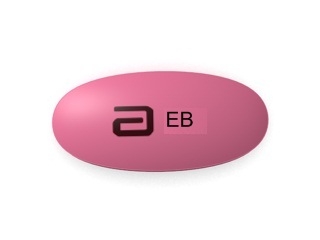
- Common forms: Tablets/capsules and oral preparations (brand and strength vary)
- Availability in Australia: Availability depends on product brand and whether it’s listed for supply; some forms may be restricted or require clinician involvement depending on local regulations.
Note: Different brands may use different strengths and dosing schedules. Check your packaging for the exact strength (e.g., mg per tablet/capsule) and formulation details.
How erythromycin works (mechanism of action)
Erythromycin works by binding to the 50S ribosomal subunit in susceptible bacteria. This blocks bacterial protein synthesis, which prevents bacteria from growing and reproducing.
- Primary effect: Bacteriostatic (stops bacteria multiplying) at typical concentrations
- Why it matters: It helps the immune system clear the infection when used against susceptible bacteria
Important: Erythromycin only treats infections caused by bacteria. It will not treat viral illnesses such as the common cold or influenza.
Pharmacokinetics (how the body handles it)
Understanding pharmacokinetics can help you take erythromycin at the right time and with the right considerations (such as food effects and missed doses).
Absorption
- Erythromycin is absorbed through the gastrointestinal tract after oral dosing.
- Absorption may vary depending on the formulation (e.g., immediate-release vs enteric-coated products) and food intake.
Distribution
- Erythromycin distributes into many body tissues.
- It may achieve clinically relevant levels in some respiratory tract infections and other susceptible sites.
Metabolism and elimination
- Erythromycin is metabolised in the liver and eliminated mainly via bile and the gastrointestinal tract, with some renal contribution.
- In people with certain liver problems, erythromycin may require extra caution and closer monitoring.
Half-life (practical meaning)
- The dosing frequency is designed to maintain effective drug levels.
- If you miss doses or stop early, drug levels may drop and the infection may return or worsen.
Typical uses and indications
Erythromycin is used for specific bacterial infections when it is appropriate to use a macrolide antibiotic. Indications vary by local guidelines, bacterial resistance patterns, and individual patient factors.
Common indications include
- Respiratory tract infections caused by susceptible organisms (e.g., some cases of bronchitis, community-acquired infections)
- Skin and soft tissue infections caused by susceptible bacteria
- Some sexually transmitted infections and related conditions where erythromycin may be considered (depending on organism, local guidance, and patient factors)
- Prevention or management in special situations where a macrolide is selected by clinicians
Why antibiotic choice matters
Using an antibiotic that matches the likely bacteria improves the chance of success and helps reduce the risk of resistance. Erythromycin is generally considered when macrolides are suitable, including for people who cannot take certain other antibiotics.
Seek medical advice if you’re unsure whether erythromycin is appropriate for your condition.
Dosing guidance (general information)
Dosing depends on the type and severity of infection, your age, kidney/liver function, and the specific product formulation. Always follow the label or instructions given by a healthcare professional.
Common adult dosing patterns (varies by condition)
- Erythromycin is often taken in divided doses (for example, two to four times daily), depending on the infection and formulation.
- Some regimens are adjusted for severe infections or special indications.
Children and adolescents
Dosing in children is typically based on body weight and infection type. Only use paediatric dosing guidance from an appropriate healthcare source.
How to take erythromycin
- Take the medication at the scheduled times.
- Use a consistent schedule each day.
- Finish the full course unless advised otherwise—stopping early can allow bacteria to persist.
Timing: when to take your doses
Many regimens for erythromycin require regular intervals to keep drug levels effective.
Practical timing tips
- If your label says twice daily, aim for doses about 12 hours apart.
- If your label says three times daily, aim for about 8 hours apart.
- If your label says four times daily, aim for about 6 hours apart.
Missed dose: Take it as soon as you remember unless it’s close to your next dose. Don’t take double the dose to catch up.
Food interactions (food and stomach considerations)
Food can influence absorption for some antibiotics. Erythromycin may be affected by what you eat and when.
General advice
- Check your product label for instructions such as “with food,” “on an empty stomach,” or “after meals.”
- If the label is unclear, ask a pharmacist for guidance for your specific brand and formulation.
What to do if you experience stomach upset
- Common side effects include nausea, stomach pain, diarrhoea, or loss of appetite.
- Some people tolerate erythromycin better with food. However, don’t change how you take it unless you’ve confirmed it’s appropriate for your product with a pharmacist.
If you develop significant diarrhoea (especially watery or bloody) or severe abdominal cramps, contact a healthcare professional promptly.
Alcohol and medicine interactions
Alcohol: There isn’t always a direct “interaction” between erythromycin and alcohol, but alcohol can worsen side effects such as nausea, dizziness, and diarrhoea. It may also reduce your ability to rest and recover.
Practical recommendation
- Consider avoiding alcohol during treatment, especially if you’re experiencing side effects.
- If you choose to drink, do so cautiously and keep it minimal.
Other important medicine interactions (examples to discuss with a pharmacist)
Erythromycin is known to have potential interactions with other medicines. Tell your pharmacist or doctor about all medicines you use, including over-the-counter products and supplements.
- Medicines that affect heart rhythm (risk of abnormal heart rhythms may increase with certain drugs)
- Statins (some statins can interact with macrolides, raising the risk of muscle problems)
- Some antiarrhythmic medicines
- Warfarin or other blood thinners (may affect bleeding risk)
- Some anti-epileptic drugs or other long-term therapies
- Medicines affected by liver enzyme metabolism (interaction potential)
This list is not exhaustive. Because interaction risk varies by product, dose, and your personal medication list, always check with a pharmacist.
Safety profile: who should be careful and what to watch for
Erythromycin is generally well tolerated by many people, but like all medicines it can cause side effects and may not be suitable for everyone.
Common side effects
- Nausea
- Stomach cramps
- Diarrhoea
- Vomiting
- Headache
- Loss of appetite
Serious side effects (seek urgent medical help)
- Severe or persistent diarrhoea (especially with blood or mucus) or severe stomach pain
- Allergic reaction such as rash, swelling of the face/lips, wheezing, or trouble breathing
- Signs of liver problems (yellowing of skin/eyes, dark urine, unusual fatigue)
- Irregular heartbeat symptoms such as fainting, severe dizziness, or palpitations, especially if you’re at higher risk
Who may need extra caution
- People with a history of allergy to macrolides (or related antibiotics)
- People with liver disease
- People taking medicines that can interact (especially heart rhythm–related or cholesterol-lowering medicines)
- Older adults who may be more likely to be on multiple medicines
Practical use tips (to help your treatment succeed)
- Start on time: Try to begin your course at the planned start date and keep to the schedule.
- Complete the course: Even if you feel better, finishing the prescribed duration helps clear the infection.
- Don’t share antibiotics: Different infections require different treatments.
- Keep track of doses: Use a medication organiser, phone reminders, or a dosing chart.
- Stay hydrated: This can help if you experience mild gastrointestinal side effects.
- Watch symptom trends: If symptoms worsen after a couple of days or don’t improve, seek advice.
When to contact a healthcare professional urgently
- Shortness of breath, swelling, or hives (possible allergy)
- Severe diarrhoea, dehydration, or blood in stool
- Unusual bruising or bleeding if you take blood thinners
- Fainting or severe dizziness (possible heart rhythm concerns)
Alternative options
Alternative antibiotics or treatment options depend on the infection type, severity, likely causative bacteria, local resistance patterns, and your medical history.
Possible alternative antibiotics (examples)
- Other macrolides (such as azithromycin or clarithromycin) may be used for certain infections
- Penicillins (e.g., amoxicillin/penicillin-class antibiotics) depending on the infection and allergy status
- Cephalosporins in selected infections
- Doxycycline or trimethoprim-sulfamethoxazole in certain indications (organism dependent)
If you have concerns about erythromycin (side effects, interactions, or suitability), discuss alternatives with a pharmacist or doctor. Don’t switch antibiotics on your own.
Australia: market and legal context, and guidance
In Australia, antibiotic medicines are regulated under the Australian regulatory framework and are supplied in line with medicine scheduling and clinical governance. Many antibiotic products require assessment to ensure they are appropriate, safe, and used for the right infection.
Antibiotic stewardship: Australia follows strong antibiotic stewardship principles to reduce antimicrobial resistance. This means antibiotics should be used only when there is a reasonable likelihood of bacterial infection and when they are the best available option.
Recent and ongoing guidance themes
- Emphasis on appropriate prescribing and matching therapy to infection type
- Attention to local resistance patterns
- Encouragement of shorter, targeted courses where clinically appropriate
- Increased focus on avoiding unnecessary antibiotic use for viral illnesses
As guidance can evolve, your healthcare professional may adjust antibiotic selection and duration based on current recommendations and your circumstances.
Delivery and availability (how to order online in Australia)
Availability of erythromycin products can vary by brand, strength, formulation, and scheduling category. When ordering online from an Australian pharmacy, common features may include:
- Secure checkout and identity verification steps where required
- Shipping options with estimated delivery times
- Product-specific packaging that shows strength and dosing instructions
Cold-chain: Most oral antibiotic tablets/capsules do not require refrigeration. However, confirm storage instructions on your product label.
If your order is delayed or substitutions are proposed, check the packaging details carefully—different brands can have different strengths and dosing schedules.
Drug interaction checklist (before you start)
To improve safety, it helps to review these items before starting erythromycin:
- Your current medicines (including over-the-counter drugs)
- Herbal products and supplements
- Any history of liver problems
- Any history of allergic reactions to antibiotics
- Any history of irregular heartbeat or fainting
If you’re unsure whether a product interacts, ask a pharmacist. This is especially important if you take medicines for heart rhythm, high cholesterol, or blood thinning.
FAQ about erythromycin
1) What is erythromycin used for?
Erythromycin is used to treat infections caused by certain bacteria. It may be considered for respiratory tract infections, some skin infections, and other specific bacterial conditions depending on local guidance and the suspected organism.
2) How quickly should I feel better?
Many people notice improvement within 24–72 hours after starting treatment. If symptoms are getting worse or not improving after a few days, contact a healthcare professional.
3) Can I take erythromycin with food?
Food may affect absorption depending on the formulation. Follow the instructions on your specific product label. If you experience stomach upset, ask a pharmacist whether taking with food is appropriate for your brand.
4) What if I miss a dose?
Take it as soon as you remember unless it is close to the next dose. Do not double the dose. Resume your regular schedule.
5) Can I drink alcohol while taking erythromycin?
Alcohol may worsen side effects such as nausea and diarrhoea. For best tolerability and recovery, it’s recommended to avoid alcohol or keep it minimal during treatment.
6) Are there any medicine interactions I should know about?
Yes. Erythromycin can interact with several medicines, including certain heart rhythm medicines, some cholesterol-lowering statins, and blood thinners. Always review your medication list with a pharmacist.
7) Does erythromycin treat viral infections like colds?
No. Antibiotics like erythromycin do not treat viruses. Use antibiotics only when a bacterial infection is suspected or confirmed by a clinician.
8) What should I do if I get severe diarrhoea?
Seek medical advice promptly, especially if diarrhoea is severe, watery, persistent, or contains blood. Stop the medicine and get urgent advice if directed by your healthcare provider.
9) Can I stop early if I feel better?
It’s usually important to complete the full course to fully clear the infection. Stop only if your healthcare professional tells you to.
10) What are common side effects?
Common side effects include nausea, stomach discomfort, diarrhoea, and headache. If side effects are severe or you develop signs of allergy or liver problems, seek medical care urgently.
Quick reference table
| Topic | What you should know |
|---|---|
| Medicine type | Macrolide antibiotic (oral) |
| Works by | Blocking bacterial protein synthesis (binds to 50S ribosomal subunit) |
| Typical use | Certain bacterial infections based on susceptibility and local guidance |
| How to take | Follow dosing schedule on label; keep spacing between doses |
| Food interaction | May vary by formulation—follow the label; food may affect tolerance/absorption |
| Alcohol | May increase side effects; avoid or limit alcohol during treatment |
| Key cautions | Potential interactions with heart rhythm medicines, statins, and blood thinners; liver caution |
| Seek urgent help | Allergy symptoms, severe diarrhoea, fainting/severe dizziness, or signs of liver issues |
| Best results | Start on time, take regularly, and complete the full course |
Storage and handling
Store erythromycin according to the instructions on the packaging. General tips include:
- Keep in the original container
- Store at the recommended temperature (often room temperature)
- Keep out of reach of children
- Check expiry date before use
If you have questions about storage for your exact product, ask a pharmacist.
Summary
Erythromycin is a macrolide antibiotic used for specific bacterial infections. It works by blocking protein synthesis in susceptible bacteria. To get the best outcome, take it exactly as directed, keep doses evenly spaced, and finish the full course. Pay attention to potential interactions with other medicines and seek urgent advice if you develop severe diarrhoea, signs of allergy, symptoms of liver trouble, or fainting/severe dizziness.
If your symptoms don’t improve or worsen, or if you’re unsure about whether erythromycin is suitable for you, speak to a pharmacist or healthcare professional.