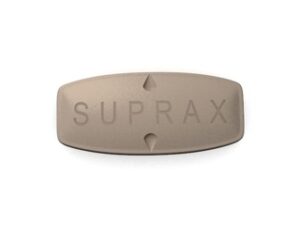


Cefadroxil (Cefadroxil monohydrate) — Patient Information for Australia
Cefadroxil is an oral antibiotic medicine used to treat certain bacterial infections. This guide explains how it works, how it’s typically taken, common side effects, safety considerations, and practical tips to help you get the best results. It also includes relevant information for people in Australia, including availability and general legal/market context.
Key points at a glance
- Cefadroxil is a cephalosporin antibiotic used for susceptible bacterial infections.
- It works by stopping bacteria from building a protective cell wall.
- Most people take it regularly for a prescribed course to reduce the risk of treatment failure.
- Common side effects include gastrointestinal upset (such as nausea, diarrhoea) and rash.
- Seek urgent medical advice if you develop signs of a serious allergy (e.g., swelling of the face or throat, difficulty breathing).
Basic product information
| Feature | What it means |
|---|---|
| Medicine class | Cefadroxil — a first-generation cephalosporin antibiotic (beta-lactam). |
| How it’s taken | By mouth (oral capsule or tablet, depending on the brand and formulation). |
| Targets | Commonly susceptible Gram-positive bacteria and some Gram-negative bacteria (varies by local resistance patterns and infection type). |
| Where it may be used | Skin/soft tissue infections, some dental infections, and other selected bacterial infections. |
| Important note | Antibiotics like cefadroxil treat bacterial infections. They don’t work for colds, flu, or most sore throats caused by viruses. |
How Cefadroxil works (mechanism of action)
Cefadroxil belongs to the beta-lactam group of antibiotics (cephalosporins). It works by interfering with bacterial cell wall synthesis.
Specifically, it binds to penicillin-binding proteins (PBPs), which are essential for building and maintaining the bacterial cell wall. When PBPs are inhibited, the bacteria can’t form a stable cell wall. This leads to bacterial weakening and death, especially during active growth.
Like other antibiotics, cefadroxil’s effectiveness depends on whether the bacteria causing your infection are susceptible to the medicine and whether the dose and duration are appropriate.
Pharmacokinetics (how your body handles it)
“Pharmacokinetics” describes absorption, distribution, metabolism, and elimination—what the body does to the drug.
- Absorption: Cefadroxil is generally well absorbed after oral dosing.
- Peak levels: Blood levels typically rise within a few hours of taking a dose.
- Distribution: The medicine can reach many body tissues; penetration can vary depending on tissue type and infection site.
- Elimination: Cefadroxil is primarily eliminated by the kidneys.
- Half-life: It has a dosing interval that supports treatment schedules often used clinically.
Because elimination is mainly through the kidneys, people with reduced kidney function may need adjusted dosing and should be monitored more closely.
Typical uses and indications
Cefadroxil is used for infections where it is expected to be effective against the likely or confirmed bacteria. Healthcare professionals consider local susceptibility patterns, the infection site, severity, and individual risk factors.
Common indications may include
- Skin and soft tissue infections caused by susceptible organisms
- Some dental infections (where appropriate and guided by clinical assessment)
- Other selected bacterial infections as determined by a clinician based on the infection type and likely bacteria
If you’re unsure whether cefadroxil is suitable for your condition, ask your pharmacist or clinician for advice.
Timing: when and how to take cefadroxil
For antibiotic courses to work properly, it’s important to maintain adequate drug levels over time. Your dosing schedule is commonly structured to be taken at regular intervals.
General timing guidance
- Take doses at the same times each day to help maintain steady coverage.
- Follow your dosing schedule carefully (intervals between doses are important).
- Finish the full course unless you’re told to stop—stopping early can lead to relapse or resistance.
If you miss a dose
- Take it as soon as you remember, unless it’s close to the time for the next dose.
- If you’re close to the next dose, skip the missed dose and continue as normal.
- Do not double up to make up for the missed dose.
Food interactions and absorption
Many people can take cefadroxil with or without food. Food typically does not significantly reduce its overall effectiveness, though it may affect how quickly peak levels occur.
Practical food guidance
- If cefadroxil upsets your stomach, taking it with food may reduce nausea.
- Choose a consistent approach (with food or without), and stick to it to make timing easier.
If you have specific dietary restrictions or a history of gastrointestinal intolerance, speak with your pharmacist for personalised advice.
Alcohol and medicine interactions
Alcohol
Cefadroxil is not commonly associated with a “disulfiram-like” reaction (as seen with some other antibiotics). However, alcohol can worsen side effects such as:
- nausea
- dizziness
- diarrhoea
- slower recovery due to dehydration and impaired sleep
For best results, it’s generally recommended to avoid or minimise alcohol while you’re taking antibiotics, especially if you’re experiencing vomiting or diarrhoea.
Important medicine interactions
Cefadroxil’s main interactions depend on your overall medication profile. Some key points to discuss with your pharmacist include:
- Other antibiotics or antimicrobials: combining may be appropriate only in specific circumstances.
- Probenecid: can affect kidney clearance of some antibiotics (may increase antibiotic levels).
- Kidney-affecting medicines: any medicine that affects renal function may change cefadroxil handling.
- Oral anticoagulants (e.g., warfarin): antibiotics can occasionally affect bleeding risk in some people; INR monitoring may be required.
- Oral contraceptives: the evidence varies by antibiotic class; however, if you have vomiting or severe diarrhoea, additional contraception (barrier methods) may be advised.
Always provide your pharmacist with a complete list of medicines and supplements you take, including over-the-counter products.
Dosing (general information)
Dosing depends on several factors such as the infection type, severity, kidney function, age, and local treatment recommendations. Doses are typically expressed as milligrams taken at regular intervals.
What commonly influences the dose
- Infection site and severity
- Suspected or confirmed bacteria
- Renal (kidney) function
- Age (including whether dosing is weight-based for children)
Kidney function and dose adjustments
Because cefadroxil is mainly cleared by the kidneys, people with impaired kidney function may require reduced dosing frequency or a different regimen. This is important for safety and to avoid excess drug accumulation.
For the exact dose schedule that applies to you, consult your pharmacist or clinician using the information on your medicine package and local recommendations.
Safety profile: who should be cautious
Most people tolerate cefadroxil well, but like all medicines it can cause side effects. Some reactions require urgent attention.
Common side effects
- Diarrhoea (often mild, but monitor for severity)
- Nausea and/or stomach discomfort
- Headache
- Skin rash or mild itching
- Vaginal itch/discharge (possible yeast overgrowth in some cases)
Serious side effects (seek urgent medical help)
- Signs of a severe allergic reaction:
- swelling of the face, lips, tongue, or throat
- trouble breathing or wheezing
- severe dizziness or fainting
- rapidly spreading rash or hives
- Severe or persistent diarrhoea, especially if watery or bloody, or with fever or significant abdominal pain (may indicate a serious bowel condition).
- Severe skin reactions (e.g., blistering, peeling skin, mouth sores, fever).
- Yellowing of the skin/eyes or dark urine (possible liver/bile issues, uncommon but important).
Allergy considerations
If you have had an allergic reaction to:
- penicillin or other beta-lactam antibiotics, or
- cephalosporins (another cephalosporin),
you should tell your pharmacist or clinician before starting cefadroxil. Allergy history helps determine the safest treatment.
Practical use tips for the best outcomes
Start smart
- Take the first dose at the recommended time so you can maintain consistent coverage.
- Hydrate—especially if you’re prone to diarrhoea.
- Be prepared: keep the medicine and a glass of water nearby.
During treatment
- Don’t skip doses. If you feel unwell, continue as directed unless you receive advice to stop.
- Monitor symptoms (pain, fever, redness, swelling, discharge). Improvement is usually expected within a few days for susceptible infections, though it depends on the condition.
- Avoid sharing antibiotics. Someone else’s infection may need a different medicine.
After finishing the course
- If symptoms don’t improve or worsen, seek medical review.
- Don’t restart leftover antibiotics without advice.
Alternative options
“Alternative” depends on the infection type, likely bacteria, allergy history, local antimicrobial resistance, and your personal factors. In practice, healthcare providers may consider other antibiotics or non-antibiotic approaches when appropriate.
Examples of potential alternatives (not a complete list)
- Other cephalosporins (different generations or formulations)
- Penicillin-class antibiotics (if appropriate and safe for you)
- Macrolides (e.g., for specific bacterial targets and patient situations)
- Clindamycin (for selected infections or penicillin intolerance scenarios)
- Approaches guided by culture/testing when the diagnosis is complex
If you have had side effects previously, are allergic to beta-lactams, or have had treatment failure, discuss this with a pharmacist or clinician to identify the most suitable option.
Australia: market and legal context (what to expect)
In Australia, antibiotics are regulated medicines and supply is governed by health and safety requirements. Depending on your location and the product, antibiotics may be supplied under specific arrangements through pharmacies.
- Antimicrobial stewardship: Australia follows antimicrobial stewardship principles to help reduce unnecessary antibiotic use and slow resistance.
- Safety monitoring: Pharmacists play an important role in screening for allergy history, interactions, and appropriate use.
- Local guidance: Treatment choices generally align with Australian recommendations and local resistance patterns.
For online pharmacy ordering, the usual expectation is that the supply process complies with Australian regulatory requirements and includes appropriate checks (such as identity and medicine suitability screening).
Recent guidance and antimicrobial stewardship considerations
Ongoing Australian guidance emphasises using antibiotics only when they are likely to benefit the patient, choosing the most appropriate narrow-spectrum options where possible, and completing treatment as directed. Clinical practice also increasingly focuses on:
- Right indication (confirming bacterial rather than viral illness)
- Right drug (matching the likely organism to the antibiotic profile)
- Right dose and duration (avoiding under-treatment and reducing unnecessary exposure)
- Review if no improvement (reassessing diagnosis, adherence, and resistance concerns)
If you are unsure whether antibiotics are necessary for your symptoms, consult a healthcare professional. Completing therapy exactly as directed helps reduce relapse and resistance.
Delivery, availability, and ordering (Australia)
Online pharmacies may offer delivery to eligible areas across Australia. Availability can vary based on stock levels and formulation strength.
What you can expect from an online pharmacy
- Product availability may depend on the specific brand and strength.
- Packaging typically includes clear instructions and expiry information.
- Delivery times vary by location and courier services.
- Order processing may include eligibility and suitability checks.
Before ordering, review product strength, form (capsule/tablet), and the quantity supplied to ensure it matches your intended treatment course length.
FAQ — Frequently asked questions about Cefadroxil
1) What infections is cefadroxil used for?
Cefadroxil is used for certain bacterial infections such as skin and soft tissue infections, and other selected infections depending on the likely bacteria and clinical assessment. It is not effective for viral illnesses like colds and influenza.
2) How soon should I feel better?
Many people notice some improvement within a few days. If symptoms worsen or don’t improve as expected, contact a pharmacist or clinician for review—there may be a need to reassess the diagnosis or consider different treatment.
3) Can I take cefadroxil with food?
Yes, cefadroxil can often be taken with or without food. If you experience stomach upset, taking it with food may help.
4) What should I do if I vomit after taking a dose?
If vomiting occurs soon after taking a dose, the dose may not have been fully absorbed. Seek advice from your pharmacist for what to do next. Don’t automatically repeat doses without checking.
5) Is cefadroxil safe for children?
Cefadroxil may be used in children for appropriate infections. Dosing is often weight-based and must be carefully determined by a clinician or according to the product guidance. Always follow professional advice and product instructions.
6) Can I drive or operate machinery?
Cefadroxil is not commonly associated with significant drowsiness. However, if you feel unwell, dizzy, or have severe side effects, avoid driving and seek advice.
7) What if I’m allergic to penicillin—can I still take cefadroxil?
Not necessarily. Cross-reactivity can occur between some beta-lactam antibiotics. Your allergy history is important. Speak with a pharmacist or clinician to determine whether cefadroxil is safe for you.
8) Will cefadroxil interact with my birth control pills?
Most antibiotics don’t reliably reduce the effectiveness of combined oral contraceptives. However, if you have vomiting or severe diarrhoea, absorption may be affected. Consider additional contraception (such as condoms) during illness and for a short period after, and ask a pharmacist for specific advice.
9) Can I drink alcohol while taking cefadroxil?
It’s generally best to limit alcohol during treatment. Alcohol may worsen side effects like nausea and diarrhoea and can slow recovery. If you choose to drink, do so cautiously and ensure you stay hydrated.
10) What should I do about diarrhoea?
Mild diarrhoea can occur with antibiotics. Seek urgent medical advice if diarrhoea is severe, persistent, watery or bloody, or if you develop fever and significant abdominal pain.
Summary
Cefadroxil is an oral cephalosporin antibiotic used to treat certain bacterial infections in Australia. It works by disrupting bacterial cell wall formation. For safety and effectiveness, take doses at regular times, consider food-related tolerance, and monitor for side effects—especially signs of allergy or severe diarrhoea. If you’re concerned about interactions, kidney function, or allergy history, your pharmacist can help you understand whether cefadroxil is an appropriate option for your situation.