Tobramycin and Dexamethasone (Eye/Ear) — Patient Guide (Australia)
Tobramycin and dexamethasone is a combination medicine used to treat certain painful, inflamed, or infected conditions of the eyes and/or ears. It combines an antibiotic (tobramycin) with a corticosteroid (dexamethasone) to help control infection and reduce inflammation.
This guide is written to be patient-friendly and to help you understand how the medicine works, how it is typically used, and what to expect. Always follow the directions supplied with your product and consult your healthcare professional if you have questions.
1) Basic product information
Active ingredients: Tobramycin + Dexamethasone
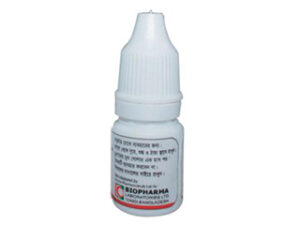
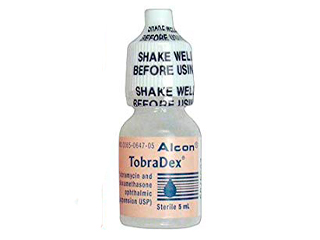
Common forms:
- Eye preparations: drops and/or ointment (strength varies by product)
- Ear preparations: drops (strength varies by product)
What it is used for: Local treatment of infection together with inflammation in susceptible conditions.
In Australia, brand names and strengths may differ depending on the specific product and whether it is for the eye or ear. Your packaging and label should show the exact strengths (for example, mg/mL or mg/g) and the dosing schedule.
2) How it works (mechanism of action)
Tobramycin (antibiotic)
Tobramycin is an aminoglycoside antibiotic. It works by interfering with bacterial protein production, leading to abnormal proteins and bacterial death. It is particularly active against many gram-negative bacteria, though activity can vary by organism.
Dexamethasone (corticosteroid)
Dexamethasone is a corticosteroid that reduces inflammation by altering inflammatory pathways and decreasing immune activity in the treated area. This can reduce redness, swelling, itching, and discomfort caused by inflammatory processes.
Why the combination is used
Some eye and ear conditions involve both bacterial infection and significant inflammation. Using an antibiotic and a steroid together can help treat infection while also limiting inflammatory damage and symptoms.
3) Pharmacokinetics (what the body does with it)
Tobramycin and dexamethasone are used topically (applied locally to the eye/ear), so only small amounts are typically absorbed into the bloodstream. However, absorption can occur, particularly if:
- the product is used frequently or in larger amounts than recommended
- the eye or ear tissues are inflamed
- there are breaks in the skin or, for ear drops, if the eardrum is perforated (depending on product suitability)
Key points patients may notice:
- Local effects: symptoms may improve within 1–3 days in many cases, but complete resolution may take longer.
- Steroid effects: steroids can reduce inflammation quickly; however, stopping too early can allow symptoms to return.
- Systemic effects: are uncommon with recommended topical use, but risk increases with prolonged use.
4) Typical uses and indications
Indications vary by product and whether it is an eye or ear formulation. In general, combination tobramycin/dexamethasone is used when:
- Infection and inflammation are present together in a localised eye or ear condition
- the likely bacteria are susceptible to tobramycin
- inflammation is contributing significantly to symptoms
Common scenarios (depending on local product indications and clinical assessment) may include:
- infective conjunctivitis or blepharitis with inflammation
- infected inflammatory conditions of the eyelids/eyes
- some bacterial ear infections where inflammation is also significant
Important: Steroid-containing products are not appropriate for all eye or ear infections. Some viral, fungal, or certain parasitic infections may worsen if steroids are used. If you suspect herpes (cold sores/keratitis), severe pain, marked light sensitivity, or worsening symptoms, seek medical advice urgently.
5) When and how to take it (timing and practical use)
Follow the exact schedule on your medicine label. Typical dosing regimens for topical combination products often include multiple daily doses initially, then may be reduced based on response.
General timing principles
- Consistency matters: try to use it at evenly spaced times.
- Early improvement is not the only goal: continue for the full recommended course.
- If you miss a dose: use it as soon as you remember unless it is close to the next dose. Don’t double up.
How to use eye drops (step-by-step)
- Wash and dry your hands.
- Check the dropper tip is not cracked or contaminated.
- Tilt your head back and gently pull down the lower eyelid to form a small pocket.
- Place the prescribed number of drops into the pocket.
- Close your eye gently. Press lightly on the inner corner (near the nose) for about 1 minute if instructed—this may reduce drainage.
- Avoid blinking excessively and avoid touching your eye with the dropper tip.
- If using other eye drops, wait at least 5–10 minutes between products (your pharmacist can advise the best spacing).
How to use ear drops (step-by-step)
- Wash and dry your hands.
- Warm the bottle in your hands for a few minutes if drops feel cold.
- Lie with the affected ear upward.
- Gently pull the ear as directed (for adults often up and back; for children down and back—follow local instructions).
- Instill the prescribed number of drops.
- Remain in position for several minutes to allow the drops to coat the canal.
- Keep the nozzle from contacting the ear canal.
Practical tips for best results
- Keep your hands clean before touching your eyes/ears.
- Don’t share your drops or ointment with others.
- Complete the course even if symptoms improve early.
- Stop and get advice if symptoms worsen after initial improvement.
6) Food interactions
Because this medicine is used locally in the eye or ear and typically has low systemic absorption, food interactions are not expected. You can generally take it regardless of meals.
If you are also using other medicines that interact with food, follow their specific guidance. For additional safety, ask your pharmacist if you take multiple treatments.
7) Alcohol and medicine interactions
Alcohol
There is typically no direct interaction between topical tobramycin/dexamethasone and alcohol. However, if you are unwell (for example, having significant ear pain or eye irritation), alcohol may worsen dehydration, sleep disruption, or recovery.
Interactions with other medicines
Significant drug interactions are uncommon with topical use, but consider the following:
- Other eye/ear medications: spacing between drops/ointments helps avoid washing one product out.
- Other corticosteroids or antibiotics: avoid duplication unless advised.
- Avoid mixing in the same container: do not combine products.
- Contact lenses (eyes): follow contact lens guidance for your specific product. Many steroid-containing eye drops require avoiding contact lenses during treatment.
If you are taking systemic antibiotics or steroids, or have kidney issues or hearing problems, it is wise to discuss your full medication list with a healthcare professional. (While systemic exposure is usually low with topical therapy, individual circumstances can affect risk.)
8) Dosing information (general guidance)
Dosing depends on the formulation (eye vs ear), strength, and the condition being treated. Always use the dose stated on your label. As a general example (not a substitute for your instructions), regimens for topical combination products may involve:
| Use area | Typical frequency (example) | Typical course length |
|---|---|---|
| Eye drops/ointment | Often multiple times daily at the start, then reduced as improvement occurs | Usually several days up to about 1–2 weeks depending on response and diagnosis |
| Ear drops | Usually several times daily for a short course | Often around 7–10 days, depending on severity and product directions |
Do not extend beyond recommended duration. Prolonged steroid use increases the risk of side effects (such as eye pressure changes). If you are not improving within the expected timeframe, seek further advice.
9) Safety profile and side effects
Most people tolerate tobramycin/dexamethasone well when used correctly. Side effects are typically local. The steroid component is the main contributor to longer-term risks.
Common or expected local effects
- Eye drops: temporary stinging/burning, mild irritation, blurred vision for a short time
- Ear drops: mild itching, irritation, or discomfort in the ear
Less common but important side effects
- Increased eye pressure (steroid-associated), especially with repeated/prolonged use
- Changes in vision or worsening symptoms
- Delayed healing of certain eye conditions
- Infection worsening if the underlying cause is viral or fungal, or if resistant bacteria are present
Seek urgent help if you develop
- severe eye pain or sudden worsening redness
- marked light sensitivity
- new or worsening vision changes
- facial rash, swelling, breathing difficulty (possible allergy—seek emergency care)
- ear discharge with fever, severe dizziness, or severe worsening pain
Who should use extra caution?
- people with a history of glaucoma or steroid-related pressure rises
- people with thin cornea or prior corneal problems (eye products)
- those with suspected viral (e.g., herpes) or fungal eye disease
- those with significant kidney disease or hearing problems using systemic aminoglycosides (topical use is usually low risk, but discuss your history)
10) Safety precautions specific to eye and ear use
Contact lenses (eyes)
Many eye medications containing steroids or antibiotics recommend avoiding contact lenses during treatment. Contact lenses can trap medication and can worsen infections. Follow your product label and pharmacist advice.
Protecting the treated area
- Don’t rub the eye/ear.
- Keep the bottle tip/ointment tube clean to reduce contamination.
- Wash hands after application.
Stopping too early
Even if symptoms improve, infection may still be present. Finishing the course reduces recurrence and the risk of resistance.
11) Monitoring and follow-up
If symptoms do not improve within the timeframe your clinician/pharmacist expected, or if they worsen, you may need reassessment. For eye use—particularly with steroid-containing medicines—some people may require monitoring for eye pressure changes.
- Eye: pressure checks may be advised in longer courses.
- Ear: persistent pain or discharge may require examination to confirm diagnosis.
12) Alternative options
Alternatives depend on the cause of your condition (bacterial vs viral vs fungal vs non-infectious inflammation), the site (eye vs ear), and your specific medical history. Possible options may include:
- Antibiotic-only drops for uncomplicated bacterial infection (without steroid)
- Anti-inflammatory-only treatments for non-infectious inflammation
- Antiviral treatment if herpes-related eye disease is suspected
- Antifungal therapy if fungal infection is suspected
- Supportive care (for example, lubricating drops) when appropriate
Because steroid-containing treatments can be harmful in some infections, choosing an alternative should be guided by a clinician’s assessment.
13) Practical use tips (patient checklist)
- Use clean technique: wash hands before and after.
- Don’t touch the eye/ear inside: avoid contaminating the tip.
- Spacing: wait 5–10 minutes between different eye drops unless your pharmacist says otherwise.
- Keep track of doses: set reminders if you have a multi-day schedule.
- Observe changes: note whether redness/pain/discharge improves.
- Discard on expiry: check the expiry date on the bottle/tube; don’t use expired products.
14) Market and legal context in Australia (high-level)
Medicines containing antibiotics and corticosteroids are regulated in Australia under national pharmaceutical and therapeutic goods requirements. Availability and listing may differ by product, formulation, and whether it is intended for eye or ear use.
In many cases, these products are supplied under Australian medicines legislation as pharmacy-only or prescription-only medicines depending on the specific strength and indication. Your online pharmacy will show the required category and any purchasing requirements at checkout.
If you’re unsure about suitability for your symptoms, a pharmacist can help you understand whether the medicine fits your situation and what warning signs require urgent review.
15) Recent guidance and clinical considerations (general)
Clinical practice commonly emphasises:
- avoiding steroids when viral or fungal infection is suspected
- reassessing treatment if no improvement occurs
- using the lowest effective duration to reduce steroid-related adverse effects
- monitoring for steroid complications in longer courses (especially eye pressure changes)
Your healthcare professional may also consider local antimicrobial resistance patterns and the likelihood of specific organisms when deciding whether an antibiotic is appropriate.
16) Delivery, availability, and what to expect
Availability depends on your chosen formulation (eye vs ear), strength, and stock levels. Many pharmacies in Australia offer home delivery or pickup options.
Typical online ordering experience:
- Confirm product type: ensure it matches eye or ear use instructions.
- Check strength: do not substitute strengths without advice.
- Delivery timelines: vary by location and shipping service; rural areas may take longer.
- Product packaging: keep the original carton for storage instructions.
If a particular item is unavailable, the pharmacy may contact you with options (such as an alternative brand with the same active ingredients and strength, if clinically appropriate).
17) Frequently Asked Questions (FAQ)
1. Can I use tobramycin and dexamethasone if my symptoms are mild?
It depends on the diagnosis. Mild redness or irritation can have many causes (allergy, dryness, viral infection, bacterial infection). Steroid-containing medicines are not suitable for every cause, so it’s important to use only when the condition fits the intended treatment.
2. How quickly should I feel better?
Many people notice improvement within 1–3 days for bacterial infection with inflammation. If there is no improvement after a few days, or symptoms worsen at any point, contact a pharmacist or clinician for reassessment.
3. What if I wear contact lenses?
Do not use contact lenses unless your product instructions specifically allow it. In many cases, you should stop contact lens use during treatment and switch to glasses.
4. Can I drive after using the eye drops?
Temporary blurred vision can occur right after applying eye drops. Avoid driving until your vision clears.
5. Are there food interactions with this medicine?
Generally, no. Topical tobramycin/dexamethasone has minimal expected interaction with food.
6. Can I drink alcohol while using it?
There is usually no direct interaction. Still, if you feel unwell, alcohol may slow recovery indirectly. If you have other health conditions or medications, check with your pharmacist.
7. What should I do if I accidentally miss a dose?
Use it when you remember unless it’s close to your next dose. Don’t double up to make up for a missed dose.
8. How long can I use it?
Use the exact duration on the label or advised by your healthcare professional. Steroid-containing medicines should not be used longer than recommended without review.
9. Can this medicine be used for children?
Some formulations may be used in children, but dosing and suitability depend on the specific product and age. Follow the directions for the child’s treatment and consult a pharmacist if unsure.
10. What are the main warning signs that mean I should get urgent help?
For eye use: severe pain, significant light sensitivity, sudden vision changes, or worsening redness. For ear use: severe worsening pain, fever, significant dizziness, or persistent discharge.
Summary
Tobramycin and dexamethasone is a topical combination medicine that helps treat bacterial infection and inflammation in selected eye and ear conditions. Tobramycin acts against susceptible bacteria, while dexamethasone reduces inflammation and swelling. When used correctly for the recommended course, most people experience relief with minimal local side effects.
If symptoms do not improve, worsen, or you notice warning signs (particularly related to vision, severe pain, or suspected viral/fungal infection), seek advice promptly. For the safest results, use clean application technique, follow the dosing schedule, and avoid unnecessary prolonged use of steroid-containing eye or ear medicines.