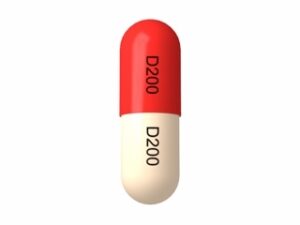
Cyklokapron (Tranexamic acid) – Patient Information (Australia)
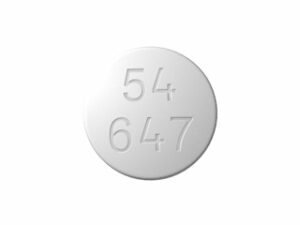
Cyklokapron is a brand of tranexamic acid, a medicine used to help control excessive bleeding by stabilising blood clots. This guide is designed to be patient-friendly and to help you understand how it works, when it’s used, how it’s taken, and important safety information.
Always read the patient information leaflet provided with your medicine and follow the instructions of your healthcare professional. If you have any concerns, speak with a pharmacist or clinician.
At a glance
- Active ingredient: Tranexamic acid
- Brand: Cyklokapron
- Common uses: Heavy menstrual bleeding and some other bleeding conditions under medical direction
- How it works: Helps prevent clot breakdown (fibrinolysis)
- Typical timing: Often taken during the days of heavy bleeding (e.g., days 1–5 for heavy periods, depending on local guidance)
- Key safety considerations: Risk of blood clots in people with certain risk factors; seek urgent help for symptoms of clotting
Basic product information
| Feature | Details |
|---|---|
| Medicine name | Cyklokapron |
| Generic name | Tranexamic acid |
| Medicinal type | Antifibrinolytic (anti–clot breakdown) medicine |
| Common formulation | Tablets (availability of strengths can vary by country and supplier) |
| Therapeutic aim | Reduce bleeding |
| How it’s taken | Oral (by mouth) |
How Cyklokapron works (mechanism of action)
When you bleed, your body forms a clot to stop the bleeding. Later, the clot normally breaks down to allow healing. Tranexamic acid works by slowing the breakdown of fibrin, the main protein that forms blood clots.
It does this by blocking plasminogen activation and reducing the activity of plasmin, an enzyme involved in clot breakdown. The result is that clots remain stable for longer, helping bleeding to slow and stop.
In heavy menstrual bleeding, for example, this can help reduce the amount of bleeding by preventing excessive clot breakdown in the uterine lining.
Pharmacokinetics (how the body handles the medicine)
Pharmacokinetics describe absorption, distribution, metabolism, and excretion. While exact numbers can vary by formulation and patient factors, the overall pattern is:
- Absorption: Tranexamic acid is absorbed after oral administration.
- Distribution: It distributes into body fluids and tissues; it can reach relevant bleeding sites.
- Metabolism: It is not extensively metabolised.
- Elimination: It is primarily cleared by the kidneys (urinary excretion).
Because tranexamic acid is largely cleared by the kidneys, people with kidney impairment may require dose adjustments or specialist advice.
Typical uses and indications
Tranexamic acid is used for conditions where reducing excessive bleeding is beneficial. The most common patient-facing indication is often related to heavy menstrual bleeding.
Common indications (overview)
- Heavy menstrual bleeding (menorrhagia): To reduce menstrual blood loss in selected patients.
- Other bleeding conditions: Tranexamic acid may be used for other bleeding problems under healthcare guidance (for example, certain types of mucosal bleeding or peri-operative bleeding management in specific clinical settings).
The suitability of Cyklokapron depends on your personal bleeding pattern, cause of bleeding, and risk factors for clotting.
Dosing (general guidance)
Dosing can vary depending on the condition being treated, your age, kidney function, and the specific product strength. This section provides general information; always follow the dose instructions supplied with your medicine.
Heavy menstrual bleeding (common schedule)
Many regimens for heavy menstrual bleeding involve taking tranexamic acid during the days of heavy bleeding, rather than continuously throughout the month. A commonly used approach is:
- Start: At the beginning of menstruation or as advised for your pattern.
- Frequency: Typically multiple times daily (e.g., 2–3 or more doses per day depending on strength and regimen).
Some people may benefit from repeated courses for each cycle when bleeding is heavy. If your bleeding is persistent or worsening, seek medical review.
Kidney impairment
Because the medicine is cleared by the kidneys, dosage may need adjustment in people with reduced kidney function. If you have kidney disease, discuss this with a clinician or pharmacist before using Cyklokapron.
Timing: when to take Cyklokapron
The most practical way to use tranexamic acid safely is to take it exactly as directed for your condition. For heavy menstrual bleeding, timing is usually linked to your bleeding days.
- Take at the same times each day to maintain consistent blood levels.
- Plan ahead: If your periods tend to be heavy from day 1, starting on day 1 is often important for effectiveness (as advised).
- Do not stop early unless your healthcare provider advises it.
If you miss a dose, follow the specific advice on the medicine leaflet or from your pharmacist. In general, do not take a double dose to make up for missed tablets.
Food interactions
Tranexamic acid may be taken with or without food in many cases. However, individual product instructions can vary. To reduce stomach upset, some people prefer taking it with food or after meals.
- General approach: Take as per the leaflet; use a consistent routine.
- Gastrointestinal comfort: If you experience nausea, try taking with a light meal.
If you have been advised to take Cyklokapron in a particular way (for example, in relation to other medicines), follow those instructions.
Alcohol interactions
Moderate alcohol use may not directly interact with tranexamic acid in a clinically significant way for every person, but alcohol can worsen side effects such as dizziness or nausea and can complicate bleeding symptoms.
- Best option: Limit or avoid alcohol while you’re taking Cyklokapron, especially if you are unwell.
- Seek advice: If you drink heavily or have liver/bleeding-related conditions, ask a pharmacist or clinician.
Medicine interactions (important)
Some medicines may affect bleeding or clotting risk, which can change how safe tranexamic acid is for you. Always tell your pharmacist about all medicines you use, including herbal products and supplements.
Interactions to be particularly cautious about
- Hormonal therapies: Certain hormonal medicines (e.g., some contraceptives or hormone treatments) can influence clotting risk. This does not automatically mean tranexamic acid is unsuitable, but it requires careful assessment.
- Anticoagulants/“blood thinners”: The relationship between tranexamic acid and anticoagulants can be complex. Use only if your clinician has advised it.
- Other antifibrinolytic agents: Combining may increase clotting-related risk.
- Medications affecting clotting: Any drug that alters clotting pathways should be reviewed.
- Renal function–affecting medicines: Because tranexamic acid is cleared by the kidneys, medicines that impact kidney function may require dose review.
If you are taking multiple medicines, your pharmacist can help check for interaction risks before you start.
Safety profile and side effects
Like all medicines, Cyklokapron can cause side effects. Many people tolerate tranexamic acid well, but it’s important to know what to watch for.
Common side effects
- Gastrointestinal upset: nausea, vomiting, diarrhoea (varies by person)
- Dizziness
- Headache
Serious warning signs (seek urgent help)
Tranexamic acid may increase the risk of clot-related events in susceptible individuals. Call emergency services or seek urgent care if you develop symptoms that could indicate a clot, such as:
- Chest pain or shortness of breath (possible lung clot)
- Sudden weakness, facial droop, trouble speaking (possible stroke)
- One-sided leg swelling, pain, or redness (possible deep vein thrombosis)
- Sudden vision changes (rare, but needs urgent assessment)
Allergy symptoms
- Seek urgent medical help for swelling of the face/lips, rash, wheezing, or difficulty breathing.
Who may need extra caution
You may need additional assessment before using Cyklokapron if you have:
- A current or previous thromboembolic event (blood clot)
- A known bleeding disorder or clotting risk that requires specialist management
- Active blood in the urine due to a urinary tract problem (there can be clot-related obstruction concerns)
- Kidney disease (dose adjustment may be required)
- Use of hormonal therapies or other factors that raise clot risk
Do not start Cyklokapron if you’ve been told you should avoid it due to clotting risk.
Practical use tips (making treatment easier)
- Keep a treatment calendar: Track the day your heavy bleeding begins so you can start on time if that’s part of your plan.
- Use reminders: Set alarms for doses at the correct times.
- Hydrate: While not a specific interaction, hydration supports general wellbeing, especially during heavy bleeding.
- Monitor bleeding: If you’re using Cyklokapron for heavy periods, note how your bleeding changes (e.g., volume, number of heavy days, and any clots).
- Iron check: If your periods are heavy, some people develop iron deficiency. Consider asking your clinician about a blood test for iron stores if symptoms like fatigue occur.
- Seek review for red flags: Very heavy bleeding (soaking pads quickly), bleeding between periods, or symptoms of anaemia should be assessed promptly.
When to seek medical advice promptly
Contact a healthcare professional soon if you notice:
- Your bleeding becomes much heavier or lasts longer than usual
- Bleeding occurs between periods or after sex
- You develop symptoms of anaemia (e.g., unusual tiredness, dizziness, breathlessness, paleness)
- You have severe pelvic pain or suspect pregnancy
- You experience side effects that worry you or worsen
Alternative options for heavy menstrual bleeding
If tranexamic acid isn’t suitable or doesn’t give enough relief, there are other treatments depending on the cause of your heavy bleeding and your preferences. Examples include:
- Hormonal options: some hormonal contraceptives and treatments can reduce menstrual blood loss.
- Non-hormonal options: other medicines may be considered based on your individual situation.
- Iron supplementation: to address iron deficiency (often alongside bleeding treatments).
- Procedural or surgical options: if heavy bleeding is due to structural causes (e.g., fibroids), targeted procedures may be recommended.
- Investigating the cause: assessment for conditions such as fibroids, polyps, endometriosis, or clotting disorders may guide better outcomes.
A clinician can help determine the most appropriate option after considering your history, symptoms, and risk factors.
Cyklokapron in Australia: market and legal context
Australia regulates medicines through the Therapeutic Goods Administration (TGA). The availability of Cyklokapron and whether it is supplied as a listed product or requires prescription-only handling can vary by presentation and regulatory schedule.
Online pharmacies in Australia typically supply medicines according to their legal status, stock availability, and applicable safety requirements. If a medicine is restricted, customers may be prompted to complete additional checks before supply.
If you’re unsure about whether Cyklokapron is appropriate for you, consult a pharmacist or clinician.
Recent guidance and clinical considerations (overview)
Guidance for heavy menstrual bleeding commonly emphasises:
- Confirming the cause of heavy bleeding and assessing red flags.
- Individualising treatment based on bleeding severity, symptoms, anaemia status, contraception needs, and clot risk.
- Using tranexamic acid for selected patients where it’s appropriate, often as a short-course option during heavy days.
Safety updates and prescribing advice can evolve as evidence and monitoring data change. Always rely on the current product information and advice from your healthcare team.
Delivery and availability (online pharmacy information)
Availability can vary depending on stock levels and your location within Australia. When ordering online, you can generally expect:
- Packaging: Dispatched in accordance with pharmacy and courier safety requirements.
- Delivery timeframes: Dependent on shipping method and region.
- Order monitoring: Tracking details are typically provided after dispatch.
- Substitution: If an identical product is unavailable, pharmacies may only substitute if permitted and safe—this varies by retailer policy and regulations.
To reduce delays, ensure your delivery address is correct and include contact details for courier notifications when required.
FAQ
1) What is Cyklokapron used for?
Cyklokapron contains tranexamic acid, which helps reduce excessive bleeding by preventing clots from breaking down too quickly. It is commonly used for heavy menstrual bleeding and certain other bleeding conditions under clinical direction.
2) How quickly does it work?
Many people notice a reduction in bleeding within the first days of use, especially when started at the beginning of heavy bleeding. Exact timing varies by person and by the underlying cause of bleeding.
3) Can I take it with food?
In many cases, tranexamic acid can be taken with or without food. If it upsets your stomach, taking it with a meal may help. Follow the instructions in your medicine leaflet.
4) What if I miss a dose?
Follow the guidance in the leaflet or from your pharmacist. Generally, do not take a double dose to compensate. If you’re unsure, ask your pharmacist for advice tailored to your dosing schedule.
5) Is it safe to take during heavy periods every month?
Many regimens involve short courses during heavy days, repeated each cycle if needed and if appropriate for the individual. If bleeding remains heavy despite treatment, or if you have worsening symptoms, seek medical review to reassess the cause and options.
6) Who should avoid tranexamic acid?
Some people may have increased clot risk or other reasons tranexamic acid may not be suitable. In particular, discuss carefully with a healthcare professional if you have a history of blood clots, certain clotting disorders, significant kidney problems, or if you’ve been advised to avoid it.
7) Can I take it if I use the contraceptive pill?
Hormonal products can affect clot risk for some people. This does not automatically rule out tranexamic acid, but it needs careful assessment of your individual risk factors. Speak with a pharmacist or clinician, especially if you smoke, have migraine with aura, or have other clot risk factors.
8) Does alcohol affect Cyklokapron?
Moderate alcohol may not directly interact in a predictable way for every person, but alcohol can worsen side effects and may complicate bleeding-related symptoms. For best safety, limit alcohol while you’re taking the medicine.
9) What side effects should I watch for?
Common side effects can include nausea, vomiting, diarrhoea, dizziness, and headache. Seek urgent medical help for symptoms that could suggest a clot (such as chest pain, shortness of breath, one-sided leg swelling, or sudden neurological symptoms) or an allergic reaction.
10) Are there alternatives if Cyklokapron doesn’t help?
Yes. Alternatives can include hormonal treatments, non-hormonal options, iron supplementation for anaemia, and investigations or procedures if a structural cause (e.g., fibroids) is found. Your clinician can advise based on the cause of your bleeding.
Important final reminder
Cyklokapron (tranexamic acid) can be an effective option for selected patients with excessive bleeding. To use it safely and effectively, follow the dosing instructions provided with your medicine, be aware of interaction and clot-risk factors, and seek medical review if symptoms are severe, changing, or persistent.