Conjugated Estrogens (Conjugated Oestrogens) — Patient Information (Australia)
Conjugated estrogens (often written as conjugated oestrogens in Australia) are a type of hormone therapy medicine used to treat certain conditions related to low oestrogen levels. This patient-friendly guide explains what the medicine is, how it works in the body, how it is typically used, and what to consider for safe and practical use.
This information is intended to help you understand the medicine and discuss it with a healthcare professional. Always follow the instructions on your medicine label and the guidance you receive from your prescriber.
Basic product information
Medicine name: Conjugated estrogens (conjugated oestrogens)
Type: Oestrogen hormone therapy
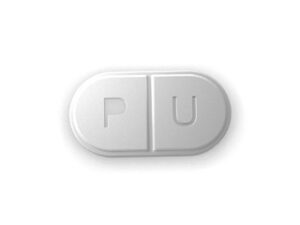
Common form: Oral tablets (formulations vary by brand and dose)
How it is used: Usually taken once daily, sometimes with additional hormone therapy depending on your situation
Important: Oestrogen therapy can affect the uterus. If you still have a uterus, many people require a progestogen alongside oestrogens to help reduce certain risks. The exact regimen depends on your medical history.
How conjugated estrogens work (mechanism of action)
Conjugated estrogens are a mixture of naturally occurring oestrogen forms. Once in the body, oestrogens bind to oestrogen receptors in tissues such as the brain, blood vessels, vagina, bones, and the uterus.
- Relief of menopausal symptoms: Oestrogen helps reduce hot flushes and night sweats by acting on the brain’s temperature regulation.
- Genitourinary effects: Oestrogen improves vaginal and urinary symptoms by increasing blood flow, elasticity, and lubrication in vaginal tissues.
- Bone protection: Oestrogen helps slow bone loss by influencing bone turnover.
- Uterine effects: Oestrogens stimulate the lining of the uterus (endometrium). This is why progestogen may be needed for people with a uterus.
Pharmacokinetics (what the body does to the medicine)
Pharmacokinetics describes how the body absorbs, distributes, metabolises, and excretes a medicine.
- Absorption: After oral dosing, conjugated estrogens are absorbed through the gastrointestinal tract.
- Distribution: Oestrogens bind to proteins in the blood, including sex hormone-binding globulin (SHBG) and albumin.
- Metabolism: The liver metabolises oestrogens. Metabolites and conjugated forms may circulate and be further processed.
- Elimination: Metabolites are eliminated primarily via the bile and urine. The overall clearance can be influenced by liver function and certain medicines.
- Steady state: With continued daily use, hormone levels reach a more stable pattern over time.
Because products and doses differ between brands, always refer to your specific product’s leaflet for details about onset and duration.
Typical use and indications
Conjugated estrogens are used to treat conditions where oestrogen deficiency plays a role, most commonly around menopause or in specific hormone-related scenarios.
Common indications (uses)
- Moderate to severe vasomotor symptoms due to menopause (e.g., hot flushes, night sweats).
- Moderate to severe vulvovaginal atrophy (e.g., vaginal dryness, discomfort, pain with intercourse), particularly when local therapy is considered insufficient.
- Prevention of postmenopausal osteoporosis in selected patients at risk, where appropriate (often weighing benefits against risks).
- Oestrogen deficiency states in certain clinical situations (the exact indication depends on diagnosis and local clinical guidance).
Note: The decision to use systemic oestrogen is individual. Your clinician will consider your age, time since menopause began, your symptom pattern, and risk factors such as clotting history, stroke risk, and breast cancer history.
Timing: when to start and how long it may take to work
Starting
- Many people start treatment when symptoms are significant and affecting daily life.
- For menopausal symptoms, guidance often considers starting within a certain time window after menopause onset, depending on individual risk.
Onset of effects
- Hot flushes/night sweats: Some improvement may occur within a few weeks; full benefit can take longer.
- Vaginal symptoms: Improvements can be gradual, often over weeks to months.
- Bone effects: Bone protection is a long-term benefit; changes occur over months to years.
Review interval
Ongoing use should be reviewed periodically with your healthcare professional to confirm the lowest effective dose and whether continued therapy is still appropriate.
Mechanisms behind common dosing decisions
The dose and duration are tailored to the condition being treated and your personal risk profile. Clinicians often aim for:
- The lowest effective dose
- The shortest duration consistent with treatment goals
- Regular review of benefits and risks
Dosing: general guidance for typical regimens
Dosing varies by product strength, the indication being treated, and whether you have a uterus. The information below is general—please use your prescribed regimen and the product label.
| Situation | Typical approach (general) | Key point |
|---|---|---|
| Menopausal vasomotor symptoms | Often once daily at a dose adjusted to symptom control | Use the lowest effective dose and review regularly |
| Vulvovaginal atrophy with a uterus | Systemic oestrogen may be used if local therapy is inadequate; a progestogen is frequently required | Helps reduce uterine lining overgrowth risk |
| Vulvovaginal atrophy without a uterus | Oestrogen-only regimens may be used | No need for progestogen solely for endometrial protection |
| Prevention of osteoporosis (selected cases) | Daily systemic oestrogen; long-term risk-benefit assessment | Bone benefits are gradual; other therapies may be considered |
If you miss a dose
- If you miss one dose, take it when you remember unless it is close to the time for the next dose.
- Do not take two doses to make up for a missed one.
- If you are unsure, check the consumer medicine information or ask your pharmacist.
Food interactions
For most oral oestrogen tablets, food does not usually meaningfully affect absorption. However, individual products can differ, and nausea or stomach upset may vary by person and dose.
- Take consistently: Choose a time of day that fits your routine.
- If you get nausea: taking the tablet with food may help (ask your pharmacist if your specific product allows this).
If you have been told to take a medicine on an empty stomach or at a specific time, follow those directions.
Alcohol interactions
Moderate alcohol intake may not directly “interact” with oestrogens in the way some medicines do. However, alcohol can influence:
- Liver metabolism: heavy alcohol use can affect liver function, which may influence hormone processing.
- Side effects: oestrogens can cause fluid retention, headaches, or nausea in some people—alcohol may worsen these effects for some individuals.
- Cardiovascular risk: lifestyle factors including alcohol patterns can influence overall risk profiles relevant to hormone therapy.
If you drink alcohol regularly, discuss your intake with your healthcare professional, particularly if you have liver disease or a history of clotting or stroke.
Medicine interactions
Some medicines can reduce or alter the effectiveness of oestrogens or increase side effects. Others may increase oestrogen exposure. The most important interactions involve enzyme systems (such as CYP pathways) and hormone-binding and metabolism.
Common interaction categories to discuss
- Enzyme inducers (may reduce oestrogen levels): some anticonvulsants, certain anti-infectives (depending on the agent), and some herbal products (e.g., St John’s wort).
- Enzyme inhibitors (may increase oestrogen levels): some antifungals and other medicines may increase oestrogen exposure.
- Thyroid medicines: oestrogens can increase thyroid-binding proteins; your thyroid hormone requirements may change.
- Blood thinners: oestrogens can affect clotting risk and may influence the overall safety profile. Do not change anticoagulant doses without medical advice.
- Other hormones: regimens with progestogens or additional endocrine medicines should be coordinated.
Practical advice
- Tell your pharmacist or prescriber about all medicines and supplements you take, including herbal products.
- If you start or stop another medicine, ask whether your oestrogen dose or monitoring needs adjustment.
- Report unexpected bleeding or new symptoms promptly.
Safety profile: who needs extra caution
Oestrogen therapy can be highly effective for symptoms, but it can also carry risks. The safety profile depends on factors such as age, time since menopause, personal and family history, and whether you use progestogen.
Seek urgent medical attention if
- Signs of a blood clot: sudden leg swelling or pain (usually one-sided), chest pain, sudden shortness of breath, or coughing blood.
- Signs of stroke: sudden face drooping, weakness/numbness on one side, trouble speaking, severe sudden headache, or vision changes.
- Severe allergic reaction: swelling of face/lips, trouble breathing, hives.
Possible side effects
- Common: breast tenderness, mild nausea, headache, bloating, leg cramps, changes in weight, vaginal bleeding or spotting (especially during early treatment), mood changes.
- Vaginal bleeding that is unexpected or persistent should be assessed.
- Fluid retention can occur in some people.
Risk considerations (discuss with your clinician)
- Blood clot (venous thromboembolism) risk
- Stroke and cardiovascular risk in selected populations
- Breast cancer risk with longer-term combined hormone therapy in some settings
- Endometrial cancer risk if oestrogen is used without appropriate progestogen in people with a uterus
- Liver effects: avoid or carefully monitor in significant liver disease
- Gallbladder disease: oestrogens can increase risk of gallstones in some people
Your clinician can help you weigh benefits vs risks based on your health history. Do not start or continue therapy without periodic review.
Practical use tips
- Consistency matters: taking at roughly the same time each day helps maintain stable hormone levels.
- Use a routine: link it to a daily habit (e.g., breakfast or bedtime) and set reminders.
- Keep track of symptom changes: note hot flush frequency, sleep quality, and any bleeding changes.
- Report bleeding: any unexpected bleeding (especially after months of no symptoms) should be checked promptly.
- Review your dose: aim for the lowest dose that works; your clinician may adjust over time.
- Screening is still important: continue breast screening and other preventive care as recommended for your age and risk.
Alternative options
Depending on your symptoms and risk profile, there may be alternatives to systemic conjugated estrogens. Your clinician can help select the most appropriate approach.
Possible alternatives
- Local (vaginal) oestrogen therapy for vulvovaginal symptoms: often considered when the main issue is local comfort and dryness.
- Non-hormonal treatments for hot flushes in some patients, including certain prescription options and targeted symptom management.
- Non-drug strategies such as cooling techniques, layered clothing, weight management, smoking cessation, and sleep hygiene.
- For osteoporosis prevention: other bone-protective medicines (e.g., bisphosphonates or other agents) may be considered depending on your fracture risk.
- Combined regimens with progestogens where needed for uterine protection.
The best alternative depends on whether your main goal is relief of hot flushes, vaginal symptoms, or long-term bone protection.
Market and legal context for Australia
In Australia, hormone therapy for menopausal symptoms is widely used, and product availability is governed by the Australian Therapeutic Goods Administration (TGA) and related regulatory processes. Medicines must meet quality, safety, and efficacy standards for supply in Australia.
The use of systemic oestrogen therapy is commonly guided by Australian clinical recommendations and prescribing frameworks. Healthcare professionals typically consider:
- Your age and time since menopause
- Severity of symptoms
- Personal and family history (including clots, stroke, breast cancer)
- Whether you have a uterus (for endometrial protection)
- Whether alternatives could provide equal benefit with less risk
Availability may vary by brand and strength. Your pharmacy can confirm the specific product details and expected supply time.
Recent guidance and monitoring (general)
Clinical practice has continued to emphasise individualised benefit–risk assessment and regular review. Over time, guidance has increasingly focused on:
- Using the lowest effective dose
- Regular review of whether treatment should continue
- Prompt evaluation of any abnormal vaginal bleeding
- Consideration of route and formulation where appropriate (some routes may affect clot risk differently)
- Ongoing preventive care (screening and cardiovascular risk management)
Your healthcare professional will align treatment decisions with current Australian clinical recommendations.
Delivery and availability (Australia)
Availability of conjugated estrogens depends on brand, strength, and current stock levels. An online pharmacy typically supplies medicines to Australian addresses subject to regulatory requirements and local delivery arrangements.
- Dispatch: Many orders are dispatched within 1–2 business days (subject to stock and verification).
- Shipping: Delivery times vary by postcode and carrier service.
- Packaging: Medicines are delivered in tamper-evident packaging where required.
- Storage: Store tablets as directed on the pack (commonly at room temperature, away from heat and moisture).
If a product is temporarily out of stock, your pharmacy may offer an alternative brand/dose where clinically appropriate.
FAQ
1) What is conjugated estrogens used for?
Conjugated estrogens are used for oestrogen-related conditions such as menopausal vasomotor symptoms (hot flushes/night sweats), vulvovaginal atrophy, and selected cases for osteoporosis prevention, based on individual risk and symptom profile.
2) How soon will I feel better?
Some people notice improvement in hot flushes within weeks, while vaginal comfort can take longer. Bone benefits develop gradually over months to years.
3) Do I need a progestogen as well?
If you still have a uterus, progestogen is frequently required when using systemic oestrogens to help reduce endometrial (uterine lining) overgrowth risk. If you do not have a uterus, this may not be necessary.
4) Can I take conjugated estrogens with food?
Food usually does not significantly affect oestrogen absorption. If you experience stomach upset, you may find taking it with food more comfortable—confirm this with your pharmacist for your specific product.
5) What if I miss a dose?
Take it when you remember unless it’s close to the next dose. Do not take two doses to make up for a missed one. If unsure, ask your pharmacist.
6) Are there any alcohol interactions?
Moderate alcohol may not cause a direct interaction, but alcohol can affect your overall risk profile and may worsen side effects in some people. Seek advice if you drink heavily or have liver disease.
7) What medicines commonly interact with oestrogens?
Medicines that change liver enzyme activity can alter oestrogen levels. Some anticonvulsants, certain anti-infectives, and herbal products like St John’s wort may reduce effectiveness. Others may increase levels. Always check with a pharmacist.
8) What side effects should I watch for?
Common side effects include breast tenderness, headache, nausea, and spotting. Seek urgent care for symptoms suggestive of blood clots or stroke (e.g., chest pain, sudden shortness of breath, leg swelling, weakness on one side, or difficulty speaking).
9) Is it safe to keep taking it long term?
Long-term use can be appropriate for some people, but it requires regular review of benefits and risks. Your clinician may adjust the dose and assess your ongoing need.
10) How do I choose between systemic oestrogen and other options?
The choice depends on your symptoms (hot flushes vs vaginal symptoms), your medical history, and your personal risk factors. Local vaginal oestrogen may be considered for primarily vaginal symptoms, while non-hormonal options may be considered when systemic therapy isn’t suitable.
Important reminder
If you have concerns about side effects, interactions, or whether conjugated estrogens are appropriate for you, speak with a qualified healthcare professional. Ongoing monitoring and prompt reporting of new or unusual symptoms help ensure safer use.