Dydrogesterone (Duphaston-like) – Patient-Friendly Guide (Australia)
Dydrogesterone is a synthetic form of the natural hormone progesterone. It is used to support hormone balance in a variety of women’s health situations, especially where progesterone is needed to protect the uterine lining and support normal menstrual function and early pregnancy in selected cases.
This guide explains what dydrogesterone is, how it works, when it’s typically taken, important safety information, interactions, and practical tips for use in Australia.
1. Basic product information
| Item | Details |
|---|---|
| Generic name | Dydrogesterone |
| Drug class | Progestin (synthetic progesterone) |
| Common use areas | Hormone replacement/protection of endometrium, menstrual disorders, support in early pregnancy for selected indications |
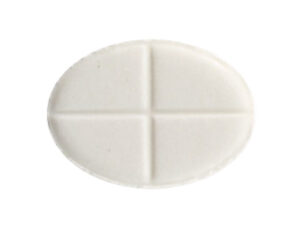
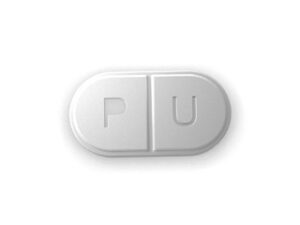
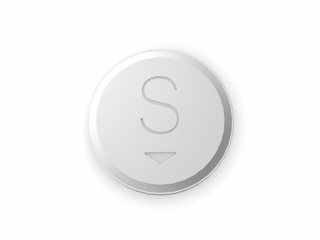
| Typical dose strengths | Often 10 mg tablets (brands may vary) |
| How supplied | Oral tablets |
Note: Specific brand names and tablet strengths can vary by supplier. Always confirm the exact product you are buying and follow the directions provided with that product.
2. How dydrogesterone works (mechanism of action)
Dydrogesterone acts as a progestogen. Its main actions relate to how progesterone supports reproductive tissues:
- Protects the endometrium (uterine lining): In women who have a uterus and receive oestrogen, adding progesterone helps counteract oestrogen’s effect on the endometrium and reduces the risk of endometrial overgrowth.
- Regulates menstrual bleeding patterns: By creating a progesterone-dominant environment, it can help stabilise the uterine lining and support more predictable bleeding.
- Supports early pregnancy environment: Progesterone helps maintain conditions in the uterus that may support implantation and early gestation (use depends on the clinical situation).
- Influences hormone signalling: Dydrogesterone helps convert the endometrium into a secretory (receptive) state, supporting normal uterine function.
Compared with some other progestins, dydrogesterone is designed to act strongly on progesterone receptors in target tissues with less androgenic or oestrogenic activity.
3. Pharmacokinetics (how the body handles it)
Pharmacokinetics describes how the body absorbs, distributes, metabolises, and eliminates a medicine.
- Absorption: After oral dosing, dydrogesterone is absorbed and reaches active levels.
- Metabolism: It is largely metabolised in the liver to an active metabolite (commonly 20α-dihydrodydrogesterone), which contributes to its overall effect.
- Excretion: Metabolites are eliminated mainly through the urine.
- Half-life: Dydrogesterone’s elimination involves a terminal half-life typically around the range of ~5–7 hours, with the active metabolite persisting longer.
In everyday terms: tablets are taken by mouth, and the dosing schedule is designed to provide consistent progesterone support across the required time period.
4. Typical use in everyday life
Dydrogesterone is used in different clinical scenarios. The right reason and dose depend on your situation (for example, whether you use oestrogen therapy, your bleeding pattern, or an early pregnancy context).
Common situations include:
- Protection of the endometrium in women receiving oestrogen therapy (hormone replacement therapy) who have a uterus.
- Irregular bleeding or menstrual disorders due to insufficient progesterone effect.
- Recurrent miscarriage / threatened miscarriage in selected cases—your clinician will determine whether progesterone support is appropriate.
- Other progesterone-responsive conditions where a progestogen is indicated.
Important: If you are unsure why you are taking dydrogesterone, ask the health professional who prescribed or arranged your treatment. Correct timing and duration are essential for benefit and safety.
5. Timing: when to take dydrogesterone
Because progesterone affects the uterine lining in a time-dependent way, dosing timing matters. While exact schedules vary by indication, general principles include:
- Take it at the same times each day to maintain steady hormone support.
- Follow the prescribed schedule for the specific condition you are treating.
- If you miss a dose: Take it as soon as you remember unless it is close to the next dose. If you are unsure, seek advice. Avoid taking double doses.
Tip: Many people find it helpful to link tablet-taking to a daily routine (e.g., breakfast and/or bedtime).
6. Food interactions and administration guidance
Food effects: Dydrogesterone is generally not significantly affected by food for most patients. Many formulations can be taken with or without food.
- With food: Some people prefer taking dydrogesterone after meals to reduce the chance of nausea or stomach upset.
- Without food: If your stomach tolerates it well, you may take it with water at any time of day.
Best practice: Use the same approach (with or without meals) consistently, unless your healthcare professional advises otherwise.
7. Alcohol and medicine interactions
Alcohol
Moderate alcohol intake is not commonly described as a direct interaction with dydrogesterone. However, alcohol can:
- Worsen nausea or dizziness for some people
- Complicate symptom tracking (e.g., bleeding changes)
- Increase risks in pregnancy-related scenarios (when applicable)
If you are pregnant or trying to conceive, it’s especially important to discuss alcohol use with a clinician.
Medicine interactions
Dydrogesterone is metabolised in the liver. While not all interactions are predictable, some medicines may affect steroid hormone metabolism. Tell your pharmacist or clinician about all medicines and supplements, including:
- Enzyme inducers (some anti-seizure medicines, certain antibiotics/rifamycins, and other agents that speed liver metabolism)
- Other hormone therapies (oestrogens, other progestogens)
- Herbal products (for example, St John’s wort may affect hormone metabolism)
Always check first if you start or stop any medicine while taking dydrogesterone.
8. Indications (what it’s used for)
Dydrogesterone is a progestogen used to address conditions where progesterone support is needed. Indications can include:
- Hormone replacement therapy (HRT): To provide progesterone support when oestrogen is used in women with an intact uterus, helping reduce the risk of endometrial hyperplasia.
- Dysfunctional uterine bleeding: Including abnormal bleeding patterns influenced by progesterone deficiency or imbalance.
- Amenorrhoea (absence of periods) due to progesterone-responsive conditions—when appropriate.
- Endometriosis (in some cases, depending on local clinical guidance and formulation).
- Threatened miscarriage or recurrent miscarriage in selected situations, guided by medical assessment.
Important safety note: Progesterone medicines are not suitable for everyone. If you have a history of hormone-dependent cancers or unexplained vaginal bleeding, you should seek medical advice promptly before using progestogens.
9. Dosing: general guidance and what to expect
Dydrogesterone dosing depends on the indication, your age, your treatment plan, and whether you are using oestrogen concurrently.
Common dosing patterns (examples): These are general patterns seen in practice and product information. Your exact schedule should be confirmed by your prescribing clinician and the product label.
- During HRT with oestrogen: Progestogen is typically taken for specific days of the cycle, or continuously in some regimens depending on the type of oestrogen therapy and patient factors.
- Dysfunctional uterine bleeding / progesterone-related irregular bleeding: Often taken for a defined period, sometimes spanning part of the cycle.
- Early pregnancy support in selected cases: Dosing regimens can vary and may involve gradual adjustment based on clinical assessment.
How to take:
- Swallow tablets whole with water.
- If your regimen requires multiple doses per day, distribute them evenly.
- Do not stop early without medical advice, particularly if you are using it for pregnancy-related or HRT protection reasons.
Always follow the dosing on your product pack or the instructions provided with your treatment plan. If you’re unsure how many tablets to take or when to start/stop, contact a pharmacist.
10. Safety profile: who should be cautious and what to monitor
Dydrogesterone is generally well tolerated for many patients, but like all medicines, it can cause side effects and may not be suitable for certain people.
Common side effects
- Headache
- Nausea or mild stomach discomfort
- Dizziness (less common)
- Mood changes (some people report changes)
- Breast tenderness
- Changes in bleeding (spotting or altered cycle timing may occur, especially during starting or HRT adjustments)
Seek urgent medical help if you develop
- Signs of a blood clot: sudden shortness of breath, chest pain, coughing blood, one-sided leg swelling or pain
- Severe allergic reaction: swelling of face/lips, difficulty breathing, widespread rash
- Severe or unusual vaginal bleeding (especially if unexpected)
- Yellowing of skin/eyes (jaundice) or severe upper abdominal pain
Who should use caution
Before using dydrogesterone, discuss your medical history if you have:
- Liver disease or past liver problems related to hormone medicines
- Unexplained vaginal bleeding
- A history of hormone-dependent cancers
- Known thromboembolic disorders or strong risk factors
- Severe migraine or significant neurological symptoms
Pregnancy and breastfeeding: Use in pregnancy and while breastfeeding must be determined based on the indication and clinician advice. If you become pregnant or are breastfeeding, tell your healthcare provider so your treatment remains appropriate.
11. Practical use tips
- Use a medication reminder (phone alarm, calendar, or pill organiser).
- Keep a symptom diary if you are managing bleeding irregularities—note start dates, spotting days, and any side effects.
- Don’t double up if you miss a dose.
- Check expiry dates and store tablets according to the product label (generally at room temperature, away from moisture and heat).
- Review other therapies if you’re on HRT or additional hormones—interactions and timing may matter.
Travel tip: Carry tablets in your original packaging and bring enough for your trip (plus a little extra in case of delays).
12. Alternative options
Depending on the reason for using progesterone, alternatives may include other progestogens or treatment strategies. Options can vary widely between individuals and indications.
Possible alternatives (examples)
- Other oral progestins used for similar indications
- Micronised progesterone (where appropriate)
- Progesterone pessaries or vaginal preparations for selected early pregnancy or luteal support scenarios
- Different HRT regimens (combined or sequential schedules)
Which alternative is best? It depends on your diagnosis, your cycle, whether you take oestrogen, and personal risk factors. A pharmacist or clinician can help you compare options.
13. Dydrogesterone in Australia: market and legal context
In Australia, medicines are regulated under the Australian regulatory framework administered by the Therapeutic Goods Administration (TGA). Availability and prescribing requirements depend on the specific product, brand, and formulation.
When buying medicine online:
- Choose a reputable pharmacy that complies with Australian requirements.
- Verify the exact product name, strength, and dosage form.
- Ensure the product is sourced legitimately and is within its expiry date.
- Keep packaging and instructions for reference.
Safety and quality matter: Only use products supplied through legitimate channels to reduce risks associated with counterfeit or expired medicines.
14. Recent guidance and monitoring (general)
While recommendations can vary by patient and evolve over time, common best-practice themes for hormone/progestogen therapy include:
- Regular review of the treatment plan, especially for HRT and abnormal bleeding.
- Prompt assessment of unexpected bleeding (for example, persistent bleeding after stabilisation).
- Risk evaluation for cardiovascular and clot-related factors, particularly if there are additional risk factors.
- Ongoing checks for liver-related symptoms or other red flags.
If you have questions about how guidance applies to your situation, speak with a pharmacist or clinician.
15. Delivery and availability (Australia)
Availability depends on stock levels and the specific brand/strength. Many online pharmacies offer:
- Standard and express delivery within Australia (where available)
- Tracking for dispatched orders
- Secure packaging to protect tablets during transit
Delivery timeframes: These vary by location and courier service. Check the product page or checkout for the latest estimated delivery windows.
Cold chain: Most dydrogesterone tablets do not require refrigeration. Still, follow storage instructions on the pack.
Stock and substitutions: If a product is temporarily unavailable, reputable pharmacies may contact you about alternatives. Confirm the exact strength and dosing compatibility before switching.
16. FAQ
Is dydrogesterone the same as natural progesterone?
Dydrogesterone is a synthetic progestin designed to act on progesterone receptors. While it mimics progesterone’s effects, it is not identical to “natural” progesterone.
Can I take dydrogesterone with food?
Yes. It can usually be taken with or without food. Taking it with a meal may help if you experience mild nausea.
What if I miss a dose?
Take the missed dose as soon as you remember if it’s not close to the next dose. If it is near the next scheduled dose, skip the missed dose and continue your normal schedule. Do not take two doses at once.
Will dydrogesterone cause weight gain?
Weight gain is not a universal effect, but hormonal changes and other factors can influence appetite or fluid balance in some people. If you notice rapid or concerning changes, discuss them with a clinician.
How long does it take to work?
Some effects on bleeding patterns can be noticed within the first cycle of treatment, while longer-term outcomes depend on the indication and duration of therapy.
Can I drink alcohol while taking dydrogesterone?
Moderate alcohol is not typically described as a direct interaction, but it may worsen side effects and, if you are pregnant, alcohol exposure is generally discouraged. If unsure, ask a pharmacist or clinician.
What medicines commonly interact with dydrogesterone?
Medicines that affect liver metabolism (such as some enzyme-inducing drugs) and certain herbal products may influence hormone levels. Always provide your full medicine list when seeking advice.
What should I do if I get unexpected bleeding?
Light spotting can occur, especially when starting or adjusting hormone therapy. However, persistent, heavy, or unexplained bleeding should be assessed promptly.
Is dydrogesterone suitable for everyone?
No. It may not be suitable if you have certain medical conditions (such as unexplained vaginal bleeding, some hormone-dependent cancers, or specific liver disorders). Medical history matters—seek advice if you have concerns.
Where can I find the exact dose for my situation?
The exact dosing instructions are determined by your indication. Check the directions provided with your product and/or the treatment plan communicated by your healthcare professional. If the instructions are unclear, contact a pharmacist.
17. Summary
Dydrogesterone is a progestin used to support hormone balance by stabilising the uterine lining and counteracting oestrogen’s effects when needed. It is taken by mouth, typically at consistent times each day, and can usually be taken with or without food. As with all hormonal medicines, monitoring for side effects and recognising red flags is important.
If you’re starting dydrogesterone, take a moment to confirm your dosing schedule, discuss your medical history, and review all medicines you use—especially hormone therapies, liver-acting medicines, and herbal supplements.