
Liothyronine (T3) – Patient Information (Australia)
Liothyronine is a synthetic form of the thyroid hormone triiodothyronine (T3). It is used to treat conditions where thyroid hormone levels are too low, or where a thyroid hormone replacement plan is needed. This guide explains how liothyronine works, how it is used, what to expect, and important safety and interaction considerations for people in Australia.
| What you should know | Summary |
|---|---|
| Generic name | Liothyronine (T3) |
| What it does | Replaces thyroid hormone activity (especially T3) |
| Common uses | Hypothyroidism and specific thyroid-related situations as advised |
| How it’s taken | By mouth, typically once or twice daily depending on your plan |
| Key interactions | Some foods, iron/calcium, and several medicines can affect absorption or thyroid levels |
| Monitoring | Blood tests (often TSH and free T4/T3) guide dose adjustments |
Basic product information
Liothyronine is a thyroid hormone medicine. In the body, thyroid hormones influence how fast the body uses energy (metabolism), as well as growth and development, heart function, temperature regulation, and digestion.
- Active substance: Liothyronine (T3)
- Type of medicine: Thyroid hormone replacement/therapy
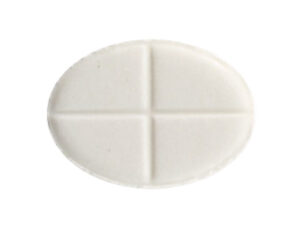
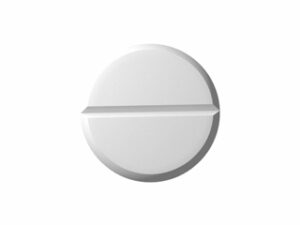
- Form: Tablets (available in different strengths depending on the manufacturer)
- Common brand names: Availability may vary by supplier
How liothyronine works (mechanism of action)
Liothyronine is the biologically active thyroid hormone. It works by binding to thyroid hormone receptors in cells. This regulates the expression of genes involved in:
- Metabolism: Increasing the body’s rate of energy use
- Heart function: Supporting appropriate heart rate and cardiac output
- Growth and development: Essential for normal growth (particularly in children)
- Nervous system and mood: Supporting normal cognitive function
- Temperature and skin: Helping normalise body temperature and skin changes related to low thyroid function
Compared with levothyroxine (T4), liothyronine is more immediate in its activity because it is already T3. This is why your dosing schedule may be more frequent, depending on your clinician’s plan and your blood test results.
Pharmacokinetics (how the body handles it)
Pharmacokinetics describes what the body does to the medicine—absorption, distribution, metabolism, and elimination.
- Absorption: Liothyronine is absorbed from the gastrointestinal tract. Absorption can be affected by certain foods and supplements, as well as by some medicines that bind or alter absorption.
- Distribution: After absorption, T3 circulates in the blood and binds to thyroid hormone transport proteins. Only a small portion is “free” and biologically active.
- Metabolism and conversion: T3 contributes to thyroid hormone activity directly, while the body also interconverts T4 and T3 as needed. The balance depends on tissue requirements and overall thyroid status.
- Elimination: Thyroid hormones are cleared over time through metabolic pathways and excretion processes. Because the medicine is active as T3, effects can appear sooner than with T4-based therapy.
Practical implication: dosing schedules often aim to maintain stable hormone levels while minimising peaks and troughs that could cause side effects.
Typical use in Australia
Liothyronine may be used for:
- Hypothyroidism when thyroid hormone replacement is needed
- Situations where T3 is preferred or required based on a clinician’s assessment
- Adjunct therapy in selected patients who need tailored treatment strategies
The exact indication and regimen depend on your diagnosis, age, symptoms, and blood test results. Treatment decisions should consider your overall medical history, including heart disease risk and pregnancy plans.
Timing and how to take it
Correct timing helps maintain consistent absorption and hormone levels.
Common timing approach
- Take at the same time each day to help keep hormone levels consistent.
- With or without food: Many people take liothyronine consistently either with or on an empty stomach, but follow your healthcare professional’s instructions. Consistency is key.
- Dose frequency: Because liothyronine is active T3, it is sometimes taken once daily or split into two doses per day to smooth levels—depending on your plan.
If you miss a dose
- Take the missed dose as soon as you remember.
- If it is close to your next dose, skip the missed dose and continue your regular schedule.
- Do not double up unless advised.
Food interactions and absorption tips
Food can influence thyroid medicine absorption in some people. While your individual response varies, these strategies can help:
- High-fibre meals: Large or high-fibre meals may reduce absorption in some cases—try to keep your routine consistent.
- Soy products: Soy may affect thyroid hormone absorption. Keep intake consistent and inform your clinician of regular soy consumption.
- Grapefruit/other specific foods: No universal rule applies for grapefruit with all thyroid medicines; the most important factor is maintaining consistent diet patterns and monitoring.
- Coffee and tea: Some people find thyroid hormone absorption is lower when taken with coffee. If you notice variability, consider taking it with water only and avoid coffee/tea around the dosing time (commonly 30–60 minutes, or as advised).
Most important: Take liothyronine the same way each day, and have your blood tests checked after dose changes to confirm levels.
Alcohol interactions
Alcohol does not typically cause a direct “chemical” interaction with liothyronine in the way some medicines do, but it can affect your health and the reliability of your treatment.
- General advice: Moderate alcohol intake may be acceptable for many people, but heavy or frequent drinking can affect liver function, sleep, appetite, and medication routines.
- Symptom overlap: Too much alcohol can worsen palpitations, anxiety, or fatigue—symptoms that can also occur if your thyroid levels are too high or too low.
- Safety: If you drink alcohol, keep your dosing schedule consistent and discuss your pattern of intake with your healthcare professional.
Interactions with other medicines (important)
Several medicines and supplements may affect liothyronine absorption or thyroid function. Tell your pharmacist or healthcare professional about all medicines, including over-the-counter products and supplements.
Common interaction categories
-
Minerals that can reduce absorption:
- Iron
- Calcium
- Magnesium
- Zinc
These may bind to thyroid hormone or interfere with absorption. If you take them, timing separation is often used.
-
Cholesterol-lowering resins (e.g., colestyramine/colestipol):
May reduce thyroid hormone absorption. Your clinician may recommend spacing doses.
-
Some antacids and medicines for stomach acid:
May affect how well thyroid hormone is absorbed in some people.
-
Anticonvulsants (certain seizure medicines):
May alter thyroid hormone levels or metabolism.
-
Hormonal medications (including oestrogen-containing therapies):
May affect thyroid hormone binding proteins, altering laboratory results and sometimes requiring dose adjustments.
-
Diabetes medicines (e.g., insulin or tablets):
Thyroid hormone changes can influence blood sugar requirements. Monitoring may be needed.
-
Blood thinners (anticoagulants):
Thyroid status can change bleeding risk and clotting control. Dose adjustments and closer monitoring may be necessary.
General spacing tip (widely used)
If you take supplements such as iron or calcium, many people separate them from thyroid medication by at least a few hours. Use the specific guidance provided for your plan, because spacing recommendations can vary.
Indications (when liothyronine may be used)
Indications can vary depending on local practice and individual patient factors. Common clinical reasons include:
- Primary hypothyroidism (underactive thyroid gland)
- Thyroid hormone replacement in patients requiring T3-based therapy
- Selected complex cases where a tailored approach is considered
If you are using liothyronine as part of a broader thyroid treatment strategy, your regimen is typically adjusted based on symptoms and blood tests rather than symptoms alone.
Dosing (general guidance)
The correct dose of liothyronine is individual. Dosage depends on factors such as your thyroid function tests, age, weight, the cause of hypothyroidism, symptom control, and cardiovascular risk.
Typical principles
- Start low and titrate: Many patients begin with a conservative dose and it is adjusted gradually.
- Monitor response: Blood tests guide dose changes.
- Watch for over-replacement: Too high a dose can cause symptoms of hyperthyroidism (e.g., palpitations, tremor, heat intolerance).
- Watch for under-replacement: Too low a dose can leave symptoms of hypothyroidism (e.g., fatigue, weight gain, constipation, cold intolerance).
How long until results?
- Some symptom improvement can be noticed within days to weeks, but dose adjustments are usually based on blood monitoring and clinical progress over time.
- Your clinician may schedule tests after starting or changing the dose to reach stable levels.
Special populations
- Older adults: Often require especially careful starting doses and slower titration due to heart rhythm risk.
- Heart disease or risk: Caution is important to reduce the risk of worsening angina or abnormal heart rhythms.
- Pregnancy: Thyroid hormone requirements change in pregnancy. If pregnancy is possible or planned, discuss timing and monitoring urgently with your healthcare professional.
- Children: Dosing must be tailored carefully and monitored closely to support growth and development.
Important: Do not alter your dose without medical guidance. Even when symptoms seem to improve, staying on a tested regimen is safer.
Safety profile and when to seek help
Liothyronine can be safe and effective when used correctly and monitored. The main safety concern is using too much (or too little), leading to thyroid imbalance.
Common side effects
- Headache
- Appetite changes
- Temporary changes in sleep
- Mild anxiety or restlessness (may occur if dose is too high)
Signs of too much thyroid hormone (over-replacement)
- Fast or irregular heartbeat, palpitations
- Tremor
- Excessive sweating or heat intolerance
- Unintentional weight loss
- Insomnia
- Increased diarrhoea or bowel frequency
- Chest pain or shortness of breath
Signs of too little thyroid hormone (under-replacement)
- Ongoing tiredness or low energy
- Constipation
- Cold intolerance
- Dry skin
- Depressed mood
- Brain fog or slowed thinking
Seek urgent help if you have
- Chest pain, fainting, severe shortness of breath
- Severe palpitations or suspected abnormal heart rhythm
- Severe weakness, confusion, or sudden significant worsening of symptoms
If side effects occur, it doesn’t always mean you must stop therapy immediately—often the dose just needs adjustment. Contact your healthcare professional promptly.
Practical use tips (making therapy easier)
- Create a routine: Pick a consistent time and link it with a daily habit (e.g., after waking).
- Use water: Take with water for reliable absorption.
- Separate interacting products: If you take iron, calcium, magnesium, or zinc supplements, ask your pharmacist about spacing.
- Keep a symptom diary: Track energy, sleep, bowel habits, and heart symptoms—useful for dose review.
- Keep diet consistent: Sudden changes in high-fibre intake or major dietary shifts can affect absorption in some people.
- Don’t switch brands without guidance: If you change manufacturers or strengths, inform your clinician because dose equivalence and absorption can vary.
- Attend blood tests: Thyroid symptoms can overlap with other conditions. Lab results provide the clearest guide.
Alternative options
Depending on your diagnosis and previous treatment response, alternatives may include other thyroid hormone preparations or specialist strategies.
Common alternatives
- Levothyroxine (T4): A synthetic form of thyroxine. Many patients are treated with T4 as first-line therapy.
- Combination therapy (T4 + T3): Some patients may be considered for combined regimens based on monitored outcomes.
- Natural desiccated thyroid products: Used in some settings; availability and suitability vary and should be discussed carefully.
Choice of therapy depends on your blood tests, symptoms, age, heart status, and prior response. If you are considering changing therapy, do so only under clinician supervision with follow-up monitoring.
Market and legal context for Australia
In Australia, medicines are regulated through the Therapeutic Goods Administration (TGA). Thyroid medicines are quality-assured and supplied according to Australian regulatory requirements. Availability depends on the specific product, formulation, and approved indications.
- Quality and supply: Suppliers follow Australian standards for dispensing and handling.
- Ongoing monitoring: Thyroid therapy typically requires periodic blood testing; this is standard practice for safe and effective treatment.
- Professional oversight: Thyroid hormone dosing should be individualised with appropriate clinical assessment.
Recent guidance and practical clinical expectations
Australian and international clinical practice generally emphasises:
- Biochemical monitoring: Dose changes should be guided by thyroid blood tests, not symptoms alone.
- Individualised care: Some patients may respond differently to T3-based approaches.
- Safety considerations: Particular caution is advised for older adults and people with heart conditions due to the risk of overtreatment.
- Consistency in dosing and lifestyle factors: Food, supplements, and medicine interactions can affect thyroid hormone levels—so maintaining consistent routines is strongly encouraged.
If you feel your treatment is not working or you experience side effects, discuss the timing of your doses, supplements, and recent blood test results with your healthcare professional.
Delivery and availability (Australia)
Availability of liothyronine may vary by strength and supplier. When ordering online, common expectations include:
- In-stock or pre-order: Some strengths may be dispatched quickly, while others may require ordering from suppliers.
- Tracking: Reputable pharmacy services provide tracking updates where available.
- Packaging: Medicines are typically packed to protect tablets and comply with pharmacy handling standards.
- Delivery timeframes: Delivery times vary by state/region and shipping method.
For the most accurate delivery estimates, check the product page details or delivery information section of the online pharmacy.
FAQ
1) Is liothyronine the same as levothyroxine?
No. Liothyronine is T3 and works more directly as the active thyroid hormone. Levothyroxine is T4 and is converted to T3 in the body. They are not interchangeable on a milligram-for-milligram basis.
2) How soon will I feel better?
Some people notice improvements in energy or other symptoms within days to weeks, but the most reliable way to confirm correct dosing is through follow-up blood tests. If symptoms persist, dose review may be needed.
3) Can I take liothyronine with breakfast?
You can often take it with food if that’s how your plan is set up, but absorption may vary. The safest approach is to take it in a consistent manner and follow advice from your healthcare professional or pharmacist.
4) Do supplements like iron affect liothyronine?
Yes. Iron and calcium-containing supplements can reduce thyroid hormone absorption. Ask your pharmacist about spacing your thyroid dose from these supplements.
5) What should I do if I miss a dose?
Take it when you remember unless it’s close to your next dose. Skip the missed dose and continue your regular schedule—do not double dose unless advised.
6) What happens if my dose is too high?
Over-replacement can cause symptoms such as palpitations, tremor, heat intolerance, insomnia, and diarrhoea. Seek medical advice promptly if you suspect your dose is too high, especially if you have chest pain or fast/irregular heartbeat.
7) Are there risks if I have heart disease?
Yes. Too much thyroid hormone can increase strain on the heart and may worsen rhythm problems or angina. People with heart conditions require careful dosing and monitoring.
8) Can I drink alcohol while taking liothyronine?
Moderate alcohol intake may be acceptable for many people, but heavy or frequent alcohol use can worsen health and make it harder to interpret symptoms. Keep your dosing routine consistent and discuss your alcohol pattern with your healthcare professional.
9) Should I get thyroid blood tests regularly?
Regular monitoring is common in thyroid therapy to ensure your levels are within the target range. Your clinician will advise the appropriate testing schedule based on your situation.
10) What should I do if I have side effects?
Contact a pharmacist or healthcare professional. Often, adjusting the dose or improving timing/spacing with interacting products resolves side effects.
Key takeaways
- Liothyronine replaces thyroid hormone activity (T3) and helps treat hypothyroidism or selected thyroid conditions.
- Timing and consistency matter—maintain a stable routine for absorption.
- Food and supplement interactions (especially iron/calcium) can affect effectiveness.
- Blood tests guide dosing and reduce the risk of under- or over-treatment.
- Seek urgent help for chest pain, fainting, severe palpitations, or sudden significant worsening.
This information is designed to help you understand liothyronine and use it safely. Always follow the advice of your healthcare professional and pharmacist for your individual plan.