Copegus (Ribavirin) – Patient Information (Australia)
Copegus contains ribavirin, an antiviral medicine used in specific combinations for the treatment of certain viral infections. This page is designed to be patient-friendly and to help you understand how ribavirin works, how it’s taken, what to expect, and important safety considerations.
Always follow your healthcare professional’s instructions for your particular condition and the medicines used with Copegus. The information below is general and may vary depending on your medical situation.
Quick Facts
- Medicine: Copegus (ribavirin)
- What it does: Antiviral activity against viruses by interfering with viral replication
- Common use: Typically used in combination with other antiviral medicines for certain indications
- Key safety issues: Anaemia (low red blood cells), potential birth defects, and careful medication interaction checks
- Availability: Sold through regulated channels in Australia
Basic Product Information
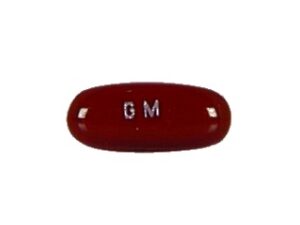
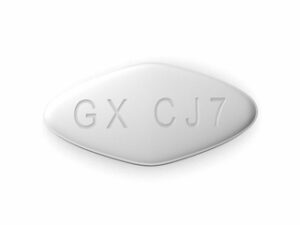
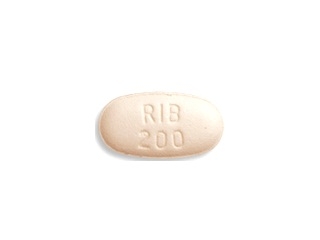
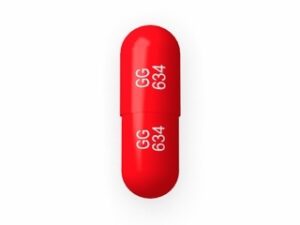
Copegus is a brand of ribavirin. Ribavirin is a nucleoside analogue (a type of antiviral compound). It is supplied in capsule form (strengths may vary by product presentation). The exact formulation you receive depends on availability and your prescribed regimen.
Notable characteristics:
- Used in combination: Ribavirin is rarely used alone; it’s commonly used alongside other antivirals depending on the infection being treated.
- Long-lasting in the body: Ribavirin can remain in the body for weeks after stopping, which affects safety planning (especially pregnancy prevention).
How Ribavirin Works (Mechanism of Action)
Ribavirin’s precise antiviral mechanism is complex and not limited to one pathway. In general, it helps suppress viral replication by:
- Interfering with viral nucleic acid metabolism (the building blocks needed for the virus to multiply)
- Increasing error rates during viral genetic replication, which can reduce viral ability to reproduce
- Modulating immune responses in ways that may support antiviral activity
Because ribavirin affects how viruses replicate, it is used as part of combination antiviral therapy to improve effectiveness.
Pharmacokinetics (How the Body Handles the Medicine)
Pharmacokinetics describes how the body absorbs, distributes, metabolises, and eliminates a medicine. Ribavirin has properties that are clinically important:
- Absorption: Ribavirin is absorbed after oral administration; presence of food may affect absorption (see food section below).
- Distribution: Ribavirin distributes into tissues, including red blood cells.
- Metabolism: It is metabolised in the body through pathways that produce different metabolites.
- Elimination: Ribavirin is cleared gradually, and levels can remain detectable for an extended period after stopping.
- Half-life considerations: Because ribavirin persists for weeks, it has a longer safety “time window” after treatment ends.
The long persistence is particularly relevant to safety planning for pregnancy prevention (details below).
Typical Use and Timing
Copegus (ribavirin) is used for certain viral infections, commonly as part of a combination regimen tailored to the virus type, stage of illness, prior treatment history, and your overall health. Your regimen may include other antiviral medicines.
When to take it
- Follow dosing schedule carefully: Many ribavirin regimens are taken twice daily, but your exact schedule depends on the regimen prescribed.
- Try to take it at the same times each day to maintain consistent blood levels.
- Do not skip doses: Missing doses can reduce effectiveness.
How long treatment may last
Treatment duration varies by indication and combination therapy. Your clinician will set the plan. If you have questions about your schedule, ask your healthcare professional or the pharmacy that dispenses your medicines.
Food Interactions (Eating and Drinking)
Food can affect ribavirin absorption. In practice, many patients are advised to take ribavirin with food to improve tolerability and absorption consistency.
- Generally: Take Copegus with food if your regimen instructions say so.
- Be consistent: If you take it with meals, try to take future doses with similar-sized meals.
- Grapefruit and citrus: Ribavirin is not classically known for grapefruit-specific interactions the way some other medicines are, but it’s still wise to discuss any dietary changes with your clinician, especially if you take multiple medicines.
If you experience stomach upset, fatigue, or nausea, discuss strategies to improve comfort (for example, taking with meals or splitting routines) with your healthcare team.
Alcohol and Medicine Interactions
Alcohol
It’s strongly recommended to discuss alcohol use with your healthcare professional. Alcohol can worsen liver-related health and may intensify side effects such as fatigue and nausea. Because ribavirin is used in settings where liver function may already be affected, avoiding or minimising alcohol is often advised.
Other medicines
Ribavirin can interact with other medicines. Some interactions can be serious. It is important to review all medicines you use, including:
- Prescription medicines
- Over-the-counter medicines (including cold/flu products)
- Herbal supplements
- Antacids and acid reducers
- Immunosuppressants or cancer medicines
Tell your healthcare professional or pharmacist if you take any of the following types of medicines (examples—do not assume all apply to you):
- Didanosine (ddI) or other antiviral nucleoside analogues (may increase risk of adverse effects)
- Medicines that can affect kidney function (ribavirin is partly dependent on renal clearance)
- Drugs that may alter blood counts (ribavirin can lower haemoglobin)
- Medications used to manage heart rhythm or other complex regimens (interaction screening is essential)
If you start a new medicine (even a “simple” one), check interactions before you begin.
Indications (What Copegus Is Used For)
In Australia, ribavirin (Copegus) has been used for specific antiviral treatment regimens. The exact indications depend on the overall treatment combination and patient characteristics.
Typical uses historically included certain forms of chronic viral hepatitis or other viral conditions where ribavirin formed part of combination therapy. Current clinical practice may vary by viral type, stage of disease, and availability of other antivirals.
Your prescribing clinician will confirm whether ribavirin is appropriate for you and which combination medicines are used. If you’re unsure what your treatment is targeting, ask your pharmacist or healthcare team.
Dosing (General Guidance)
Dosing of ribavirin is highly individual and depends on the indication, combination regimen, body weight (in many regimens), kidney function, and tolerance. The dose may be adjusted during treatment if side effects occur.
Common dosing features
- Often divided into two doses daily (morning and evening) depending on the regimen.
- May be weight-based for some combinations.
- Renal impairment: Dose may need reduction if kidney function is reduced.
- Haematologic monitoring: Doses may be adjusted if blood counts drop.
Important: Do not self-adjust
Do not change the dose or stop early because of side effects without speaking to your healthcare professional. If you miss a dose, follow the advice provided by your prescribing clinician or pharmacist for your specific regimen.
Safety Profile and Side Effects
Like all medicines, Copegus can cause side effects. Some are common and manageable; others require urgent medical attention. The risk and severity can increase if you have kidney disease, low baseline blood counts, or certain co-morbidities.
Common side effects
- Fatigue
- Headache
- Nausea or stomach discomfort
- Loss of appetite
- Insomnia or disturbed sleep
- Shortness of breath or exertional breathlessness (may relate to anaemia)
Important risks (seek guidance promptly)
- Anaemia (low red blood cells): Ribavirin can lower haemoglobin. Symptoms may include tiredness, dizziness, paleness, or breathlessness. Blood tests are typically used to monitor this risk.
- Reduced white blood cells or platelets: Monitoring is important, especially in combination regimens.
- Hypersensitivity reactions: Seek urgent help if you develop rash with swelling of the face/lips, breathing difficulties, or severe blistering skin changes.
- Mood changes: Some patients report irritability, depression, or mood swings. Contact your clinician if you notice significant changes.
Pregnancy and fertility: critical safety information
Ribavirin can cause serious birth defects and harm to an unborn baby. Therefore, pregnancy prevention measures are essential during treatment and for an extended period after stopping.
- For female patients: Avoid pregnancy during treatment. Effective contraception is required.
- For male patients: Avoid fathering a pregnancy during treatment. Effective contraception is required.
- Duration after stopping: Because ribavirin persists, contraception guidance typically extends for months after the last dose. Your clinician or pharmacist will provide the exact timeframe for your regimen.
- Discuss family planning early before starting therapy.
If pregnancy occurs while taking ribavirin or after stopping within the safety window, seek urgent medical advice.
Practical Use Tips
- Take with food (if advised): This can improve absorption and reduce stomach upset.
- Set reminders: Ribavirin regimens are often twice daily; reminders reduce missed doses.
- Monitor symptoms: Track fatigue, breathlessness, dizziness, mood changes, and any new symptoms.
- Attend blood tests: Regular monitoring helps detect anaemia or other blood count changes early.
- Stay hydrated: General supportive care can help with tolerability.
- Keep a medication list: Bring or keep an up-to-date list of all medicines and supplements.
What to do if you vomit after a dose
If you vomit soon after taking Copegus, the full dose may not have been absorbed. Ask your pharmacist for advice on whether to take another dose based on how soon you vomited and your regimen.
Storage
Store Copegus as directed on the product packaging. Generally, medicines should be kept in a cool, dry place away from direct sunlight and out of reach of children.
Alternative Options (Discuss with Your Healthcare Team)
Treatment alternatives depend entirely on the viral infection and your specific medical circumstances. In many settings, other antivirals may be preferred due to effectiveness, convenience, and safety profiles.
Possible alternatives may include:
- Other direct-acting antivirals (when indicated for the virus type and treatment era)
- Regimens without ribavirin if clinically appropriate
- Supportive or monitoring strategies for patients who cannot tolerate ribavirin
A pharmacist or clinician can explain what alternatives are appropriate for you and whether they are suitable in Australia based on current practice.
Market, Legal and Regulatory Context for Australia
In Australia, medicines are regulated through the Therapeutic Goods Administration (TGA) and distributed via approved suppliers and licensed pharmacies. Copegus (ribavirin) is an established medicine, and its use must align with approved indications and clinical guidance.
For online pharmacy supply, reputable providers only dispense to eligible customers in line with Australian requirements and provide appropriate product information, safety screening, and delivery options. Availability can vary depending on supply chain and formulation stock.
Always use legitimate sources. If you receive medicines from outside Australia, quality and authenticity can’t be verified to the same standard.
Recent Guidance and Clinical Monitoring (Overview)
Guidance in antiviral therapy evolves as new evidence and treatments become available. When ribavirin is used, key monitoring and safety practices generally remain consistent:
- Baseline assessments: kidney function, full blood count, and other relevant parameters
- Ongoing blood monitoring: haemoglobin and other blood indices to detect anaemia early
- Pregnancy prevention: strict contraception measures for patients and partners, with a clearly defined safety window
- Medication interaction checks: careful review of all concomitant medicines
- Adherence support: ensuring doses are not missed to maximise effectiveness
Your healthcare professional may adjust treatment based on lab results, symptom burden, and overall tolerability.
Delivery and Availability (Australia)
Availability of Copegus can depend on formulation strength and current supply in Australia. When ordering online, you should expect:
- Secure packaging to protect medicines during transit
- Estimated delivery times and shipping cost transparency
- Storage and handling instructions included with your delivery
- Support from a registered pharmacy if you have questions about how to take the medicine
If stock is limited, some pharmacies can provide alternatives (where appropriate) or advise on expected restock timing. Delivery availability may also vary by location within Australia.
FAQ
1) What is Copegus used for?
Copegus (ribavirin) is used as part of specific antiviral treatment regimens for certain viral infections, depending on your clinical situation and the combination medicines used.
2) How should I take Copegus?
Take it exactly as directed for your regimen. Many regimens are taken twice daily, often with food if advised. Use consistent timing and don’t adjust the dose without medical advice.
3) What should I do if I miss a dose?
Follow the advice given by your pharmacist or healthcare team for your specific schedule. In general, if you realise you’ve missed a dose, take it when you remember unless it’s close to the next dose—avoid doubling up.
4) Why do I need regular blood tests?
Ribavirin can lower haemoglobin and affect other blood components. Blood tests help your healthcare team detect anaemia early and adjust the regimen if needed.
5) Can I drink alcohol while taking ribavirin?
You should discuss alcohol with your healthcare professional. Alcohol may worsen liver-related health and can intensify side effects such as fatigue and nausea. Often, limiting or avoiding alcohol is recommended.
6) What are the most serious side effects?
The most important risks include anaemia, hypersensitivity reactions, and serious birth defects if pregnancy occurs. Any severe symptoms should be assessed promptly.
7) Is ribavirin safe during pregnancy?
Ribavirin is known to be harmful to unborn babies and requires strict contraception measures during treatment and for an extended period after stopping. Discuss family planning and contraception timing with your healthcare team.
8) How long does ribavirin stay in my body after I stop?
Ribavirin can remain detectable for weeks after treatment ends due to its long persistence. This is why contraception measures typically extend for months after the last dose.
9) Are there food interactions?
Food can affect absorption. Many patients are advised to take ribavirin with food. Try to take it in a consistent way each day and follow your clinician’s instructions.
10) What medicines should I avoid?
You should not start, stop, or change doses of other medicines without interaction checks. Inform your pharmacist of everything you take, including herbal products and over-the-counter medicines.
When to Seek Urgent Medical Help
Seek urgent medical attention if you develop:
- Signs of severe allergic reaction (swelling of face/lips, difficulty breathing, widespread rash)
- Severe breathlessness, chest pain, fainting, or rapidly worsening weakness (possible severe anaemia)
- Severe depression, suicidal thoughts, or significant behavioural changes
- Symptoms of serious infection or unusual bleeding
If you are unsure whether symptoms are urgent, contact a medical professional or local urgent care service.
Summary
Copegus (ribavirin) is an antiviral medicine used in specific combination regimens for certain viral infections in Australia. It works by interfering with viral replication and may help reduce viral activity when used alongside other antivirals. Key safety considerations include anaemia, strict pregnancy prevention measures, and careful interaction checking.
If you have any questions about your regimen—how to take it, what to expect, or how to manage side effects—speak with your pharmacist or healthcare professional.
| Topic | Key Points |
|---|---|
| Medicine | Copegus (ribavirin) |
| How it works | Antiviral activity by disrupting viral replication processes |
| Typical use | Usually as part of combination antiviral therapy for specific indications |
| Dose timing | Often twice daily; follow your personal regimen |
| Food | Food can influence absorption; follow advice about taking with meals |
| Alcohol | Discuss with your clinician; may worsen symptoms and liver-related health |
| Major safety risks | Anaemia; strict contraception to prevent pregnancy-related birth defects |
| Monitoring | Regular blood tests are commonly required |
| After stopping | Ribavirin persists; contraception safety window typically extends for months |