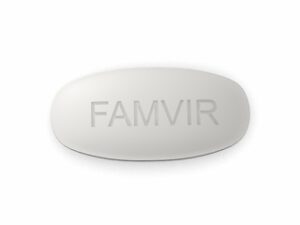



Efavirenz (Australia) — Patient-Friendly Medicine Information
Efavirenz is an antiretroviral medicine used to treat HIV (Human Immunodeficiency Virus). It belongs to a group of medicines known as NNRTIs (non-nucleoside reverse transcriptase inhibitors). Efavirenz works by stopping HIV from making new copies of itself, helping reduce the amount of virus in the body and support immune function.
This page explains how Efavirenz works, typical uses, timing and food considerations, possible side effects, practical tips for safe use, and what to know about interactions and availability in Australia.
Basic product information
- Generic name: Efavirenz
- Medicine type: Antiretroviral (ARV); NNRTI
- Therapeutic areas: HIV treatment
- Common formulation(s): Tablets/capsules (strengths vary by product)
- Brand names: Varies by manufacturer (generic efavirenz is also available)
- How it is usually used: In combination with other antiretroviral medicines
Note: Product appearances and strengths can differ between manufacturers. Always check your specific label and the Consumer Medicine Information (CMI) supplied with your product.
How Efavirenz works (mechanism of action)
HIV uses an enzyme called reverse transcriptase to convert its genetic material into DNA so it can multiply inside human cells. Efavirenz blocks this enzyme, specifically by binding to reverse transcriptase at a site that changes how the enzyme functions.
- Prevents HIV from making effective copies of itself
- Helps reduce viral load (the amount of HIV in the blood)
- Supports recovery and maintenance of immune system function (often measured by CD4 cell counts)
Efavirenz is generally considered a long-standing and well-studied NNRTI, but treatment decisions should always be individualised based on your health history, current medicines, and lab results.
Pharmacokinetics (how the body handles Efavirenz)
Pharmacokinetics describes what happens after taking a dose—absorption, distribution, metabolism, and elimination.
- Absorption: Efavirenz is absorbed through the digestive tract.
- Food effects: Taking it with food can increase blood levels. This may increase the risk of side effects in some people.
- Metabolism: Efavirenz is mainly processed by the liver, involving enzymes such as CYP2B6 (genetic differences can affect levels).
- Half-life: It has a relatively long half-life, supporting once-daily regimens.
- Elimination: Predominantly through metabolism and excretion (including via bile and urine).
Because Efavirenz levels can vary, clinicians may monitor for effectiveness and side effects. If you experience persistent side effects, tell your healthcare team; they may adjust the regimen or dosing approach.
Typical use and indications
Efavirenz is used to treat HIV-1 infection as part of an antiretroviral combination regimen.
Common indications include:
- Antiretroviral therapy (ART) regimens for adults and certain paediatric groups (age/weight criteria depend on product guidance)
- Combination therapy with other antiretroviral medicines such as NRTIs and/or protease inhibitors, depending on the plan
Efavirenz is not used as a stand-alone medicine. It is intended to be combined to help prevent drug resistance.
How and when to take Efavirenz (timing)
Timing is important, especially for sleep-related or nervous system side effects that may be more common at the start of therapy.
General guidance for timing (commonly used approach):
- Once daily dosing is typical for many regimens.
- It is often recommended to take Efavirenz at bedtime to help reduce dizziness, drowsiness, vivid dreams, or insomnia.
- Try to take it at the same time each day to keep blood levels stable.
If you miss a dose: Follow the instructions provided with your medication or by your healthcare team. In general, you should not take two doses at once to make up for a missed dose.
Dosing information (overview)
Dosing varies by:
- Age and body weight (for some paediatric use)
- Product strength
- Whether the medicine is used with other drugs
- Liver function and other clinical factors
- Drug–drug interactions that may require dose adjustments or alternative options
Important: For accurate dosing, always refer to the specific prescription plan and the CMI for your product. This website page provides general educational information and cannot replace individualised dosing instructions.
Food interactions (what to eat and avoid)
Food can affect how much Efavirenz is absorbed. In practice:
- Avoid taking Efavirenz with a heavy or high-fat meal unless your product guidance or clinician advises otherwise.
- If the label says it can be taken with or without food, follow the manufacturer’s instructions exactly.
Why this matters: Higher blood levels may increase the chance of side effects, particularly dizziness, drowsiness, and abnormal dreams.
If you have stomach upset or trouble with timing, discuss options with a healthcare professional rather than changing your regimen on your own.
Alcohol interactions (what to expect)
Alcohol can intensify some of Efavirenz’s effects on the nervous system.
- Alcohol may increase drowsiness and dizziness
- It may worsen mood-related effects in some people
Practical advice: If you choose to drink alcohol, do so cautiously—especially during the first weeks of therapy—pay attention to how you feel, and avoid driving or operating machinery if you feel impaired.
Interactions with other medicines (and supplements)
Efavirenz can interact with many medicines because it can influence liver enzymes that metabolise drugs. Some interactions can lower Efavirenz levels (reducing effectiveness) or raise Efavirenz levels (increasing side effects).
Examples of interaction categories:
- Medicines that affect liver enzymes (inducers may reduce Efavirenz; inhibitors may raise it)
- Hormonal contraceptives (some regimens may need additional contraceptive measures depending on guidance)
- Antifungals and antibiotics (certain agents can change Efavirenz levels)
- Anticonvulsants (some seizure medicines can reduce Efavirenz levels)
- Psychiatric medicines (may increase risk of certain nervous system or mood effects in some combinations)
- Herbal supplements such as St John’s wort (typically avoided because it can reduce antiretroviral effectiveness)
Important: Always tell a healthcare professional and the pharmacy about:
- All prescription and non-prescription medicines
- Any vitamins, minerals, or herbal products
- Any recent changes to medicines
If you are switching from one HIV regimen to another, medication interaction checks are particularly important.
Safety profile (what to know)
Efavirenz has side effects that vary by individual and by how long you’ve been taking it. Many early effects improve after the first few weeks.
Common side effects
- Dizziness
- Drowsiness or fatigue
- Sleep disturbances (insomnia)
- Vivid dreams or abnormal dreams
- Headache
- Nausea
- Rash (sometimes early in treatment)
Less common but important effects
- Liver problems (risk may be higher with underlying hepatitis B or C)
- Mood changes (including depression or anxiety in some people)
- Neurological symptoms (confusion, abnormal behaviour, severe sleep disruption—seek advice promptly)
Seek urgent medical help if you have
- Signs of severe rash, blistering, peeling skin, or involvement of mouth/eyes
- Severe dizziness, fainting, or inability to stay awake
- Severe mood changes, suicidal thoughts, or sudden behavioural changes
- Symptoms of liver injury: yellowing of eyes/skin, dark urine, persistent nausea/vomiting, severe abdominal pain
Pregnancy and fertility considerations: Efavirenz use in pregnancy may require careful risk-benefit evaluation and specialist input. If pregnancy is possible, discuss contraception and family planning with your healthcare team.
Practical use tips (getting the best results)
Efavirenz works best when taken consistently. Here are practical tips to support safe, effective use:
- Take it at the same time daily, often at bedtime to reduce nervous system side effects.
- Use reminders (phone alarms, medication organiser) to improve adherence.
- Plan for the first weeks: dizziness or vivid dreams may be more noticeable early—avoid driving if you feel impaired.
- Report side effects early rather than stopping the medicine. Abrupt changes can risk HIV resistance.
- Stay hydrated and manage nausea if needed—ask a pharmacist about practical measures.
- Attend monitoring appointments: viral load and CD4 testing, liver function tests, and review of side effects.
- Avoid alcohol or keep it minimal, especially early in treatment.
- Check interactions before starting new products, including over-the-counter cold/flu medicines, supplements, and herbal remedies.
Recent guidance and clinical considerations (Australia)
In Australia, HIV care is guided by clinical practice guidelines and specialist recommendations. Efavirenz has historically been used in many ART regimens; however, some clinicians prefer newer regimens for certain patients due to side-effect profiles, individual risk factors, and evolving evidence.
Recent themes in guidance and practice commonly include:
- Using combination ART with effective, tolerable options
- Considering individual factors such as co-infections (hepatitis), mental health history, and drug interaction risk
- Improving adherence and tolerability by tailoring regimens and timing
- Maintaining viral suppression while minimising long-term adverse effects
Always check the latest local guidance and follow your treating clinician’s recommendations.
Alternative options
If Efavirenz is not suitable—because of side effects, interactions, resistance patterns, or patient preference—there may be other antiretroviral options. Alternatives can include:
- Other NNRTIs (depending on resistance history and interactions)
- Integrase inhibitors (often used in modern first-line regimens in many settings)
- Protease inhibitor–based regimens (for certain circumstances)
- NRTI backbones may also be changed within a regimen
The “best” alternative depends on what medicines you’ve previously taken, your viral resistance profile, co-existing conditions, and interactions with other drugs.
Delivery and availability (Australia)
Efavirenz availability in Australia may vary by:
- Manufacturer and formulation
- Strength and pack size
- Current supply conditions
Online pharmacies typically provide:
- Clear product listing with generic name and strength
- Estimated dispatch times and delivery timeframes (varies by region)
- Packaging designed to protect tablets/capsules during transport
- Order tracking and customer support
When ordering, ensure you select the correct strength and formulation stated on your product information. If you are unsure, contact the pharmacy before placing an order.
Legal and market context in Australia: Antiretroviral medicines are regulated under Australian medicines and pharmacy frameworks. In Australia, access to HIV medicines is supported by healthcare systems and specialist services, and the supply chain follows quality and safety standards set by regulators. Availability for a specific patient depends on clinical appropriateness and local prescribing frameworks.
Safety reminders and when to talk to a pharmacist or clinician
Please speak with a pharmacist or healthcare professional if any of the following apply:
- You have liver disease or chronic hepatitis B/C
- You have a history of mental health conditions (depression, anxiety, bipolar disorder)
- You take seizure medicines, blood thinners, hormone therapies, or antidepressants
- You plan to start a new supplement such as St John’s wort
- You experience severe dizziness, rash, or mood changes
Do not stop Efavirenz suddenly without medical advice, because interruption or inconsistent use can contribute to viral resistance and reduced future treatment options.
FAQ about Efavirenz
1. What is Efavirenz used for?
Efavirenz is used as part of combination antiretroviral therapy for HIV-1 infection to reduce viral load and help maintain immune health.
2. How should I take Efavirenz?
Efavirenz is usually taken once daily, often at bedtime to lessen early nervous system side effects such as dizziness and vivid dreams. Follow your product label and your healthcare team’s instructions.
3. Can I take Efavirenz with food?
Food can increase efavirenz blood levels, which may increase side effects. Follow the specific instructions for your product. If you’re advised to avoid high-fat meals, try to keep meals light when you take your dose.
4. What alcohol interactions should I know about?
Alcohol may worsen dizziness, drowsiness, and mood-related effects. If you drink, do so cautiously—especially during the first weeks—avoid driving if you feel impaired, and consider limiting alcohol.
5. What are the most common side effects?
Common side effects include dizziness, drowsiness, sleep disturbances, vivid dreams, headache, nausea, and rash.
6. When should I seek urgent help?
Seek urgent help if you develop severe rash (especially with blistering or skin peeling), symptoms of liver problems (yellowing of skin/eyes, dark urine, severe persistent nausea/vomiting), or severe mood/neurological symptoms (confusion, suicidal thoughts, or sudden behavioural changes).
7. Can Efavirenz interact with other medicines?
Yes. Efavirenz can interact with many medicines and supplements. In particular, products affecting liver enzymes can change Efavirenz levels. Always check with a pharmacist if you start any new medication or supplement.
8. What if I miss a dose?
Do not double up unless instructed. The best approach depends on how long it has been since your missed dose. Refer to your medication guidance or ask a pharmacist for advice.
9. Are there alternatives if Efavirenz isn’t right for me?
Yes. Depending on your situation, clinicians may consider other antiretroviral medicines or different regimen combinations.
10. How long does it take to work?
Many people see improvements in viral load quickly, though timing varies. Viral suppression is assessed through lab monitoring, typically over weeks to months.
Quick reference: key points at a glance
| Topic | What to remember |
|---|---|
| Medicine class | NNRTI (non-nucleoside reverse transcriptase inhibitor) |
| Purpose | Part of combination therapy for HIV-1 to reduce viral load |
| Typical schedule | Usually once daily; commonly at bedtime |
| Food | Food (especially high-fat meals) can increase levels—follow product instructions |
| Alcohol | May increase dizziness/drowsiness—use caution or minimise |
| Monitoring | Viral load, CD4, and liver tests as recommended |
| Seek urgent help | Severe rash, liver injury symptoms, severe mood/neurological changes |
Disclaimer: This information is intended for general education and may not cover every individual scenario. Always follow the instructions provided with your specific medicine and seek professional advice for questions about interactions, side effects, or suitability.