
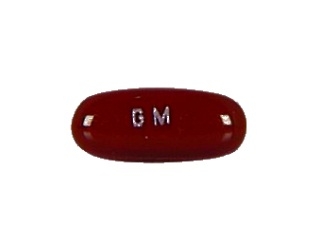


Lamprene (Clofazimine) — Patient Guide (Australia)
Lamprene contains clofazimine, a medicine used to treat certain serious bacterial infections. This guide explains how Lamprene works, how it’s used, what to expect, and important safety information for patients in Australia.
Note: Always follow the advice given by your treating doctor and the instructions on your medicine label. If you have concerns about side effects or interactions, contact a healthcare professional promptly.
Quick overview
- Medicine: Lamprene (clofazimine)
- Medicinal class: Antimycobacterial (treats mycobacterial infections)
- Common uses: Conditions caused by Mycobacterium leprae (e.g., leprosy), usually as part of combination therapy
- Key features: Effective for specific leprosy regimens; can cause skin dryness/discolouration and gastrointestinal symptoms in some people
- How it’s taken: Usually once daily (regimen varies by indication and local protocols)
Basic product information
| Feature | What it means for you |
|---|---|
| Active ingredient | Clofazimine |
| Brand name | Lamprene |
| Dosage forms | Oral capsules (strengths may vary by supply) |
| Typical dosing frequency | Once daily in most regimens; exact schedule depends on the condition |
| Availability | Supply may be limited; availability can vary by strength and prescriber’s regimen |
| Storage | Keep at room temperature, protect from moisture and follow label instructions |
How Lamprene works (mechanism of action)
Clofazimine is an antibiotic active against certain mycobacteria. While the exact full mechanism is complex, clofazimine is thought to:
- Inhibit growth of mycobacteria by interfering with their cellular processes.
- Accumulate within infected tissues, allowing sustained activity over time.
- Reduce inflammation associated with disease activity in leprosy, which can help clinical control as part of combination regimens.
Because Lamprene is usually used alongside other medicines for leprosy, the combination improves effectiveness and reduces the chance of resistance.
Pharmacokinetics (how your body handles it)
Pharmacokinetics describes absorption, distribution, metabolism, and elimination.
- Absorption: Clofazimine is absorbed after oral dosing, but absorption can vary.
- Distribution: It tends to accumulate in tissues, including skin.
- Half-life: Clofazimine has a long duration in the body, which is why effects can persist after stopping.
- Metabolism and elimination: It is metabolised to some extent and eliminated slowly through multiple pathways.
What this means for you: Skin changes (such as dryness or discolouration) may gradually develop and may take time to improve after treatment ends. Ongoing monitoring is important.
Typical uses and indications
Lamprene (clofazimine) is used primarily for mycobacterial infections, especially:
- Leprosy (Hansen’s disease) — commonly as part of recommended multi-drug therapy, depending on disease type and severity.
- In some circumstances, clofazimine-containing regimens may be used in specialised treatment protocols for mycobacterial disease under specialist guidance.
Leprosy treatment typically uses combination antibiotics to achieve cure and prevent relapse.
When and how to take Lamprene
Take Lamprene exactly as directed. Regimens may differ by condition and local guidance.
Typical timing
- Once daily regimens: Many people take it at the same time each day to maintain steady levels.
- Long treatment duration: Leprosy regimens can be prolonged. Plan ahead and set reminders.
With or without food
Lamprene can usually be taken with food if it helps with stomach comfort. Follow your prescribed directions and the package instructions.
Practical tips for daily routine
- Choose a consistent time (e.g., morning or evening).
- If you experience nausea or stomach upset, taking it after a meal may help.
- Use a pill organiser and set phone alarms.
- Keep a treatment diary to track doses and any symptoms.
Food interactions and absorption considerations
Food-related interactions with clofazimine may involve effects on gastrointestinal tolerance and absorption. In general:
- Taking with meals can reduce stomach irritation for some people.
- There are no common dietary restrictions, but maintaining consistent intake can help reduce variability.
- If you have significant gastrointestinal symptoms, discuss strategies with your healthcare provider.
Tip: If you’re unsure, take it the same way each day—either always with food or always on an empty stomach—unless your clinician advises otherwise.
Alcohol and medicine interactions
Alcohol
Lamprene is not primarily known for a direct, classic alcohol “antabuse-like” reaction. However, alcohol can worsen:
- Gastrointestinal side effects (nausea, stomach discomfort, reflux)
- liver stress (especially if you already have liver concerns)
Practical recommendation: Limit or avoid alcohol during treatment, and ask your healthcare professional for personalised advice—particularly if you have liver disease or heavy alcohol use history.
Medicine interactions
Clofazimine can interact with other medicines. Important considerations include:
- Liver-metabolised medicines: If you take medicines processed by the liver, your clinician may check for interactions.
- Other drugs for mycobacterial disease: Combination regimens are designed to be used together, but schedules may be tailored.
- Medicines affecting skin or gut: If you’re prone to rashes or gastrointestinal symptoms, other therapies may amplify effects.
Always tell your healthcare team about all medicines and supplements you take, including:
- Prescription medicines
- Over-the-counter products
- Herbal supplements
- Vitamins and minerals
Dosing — what to expect
Dosing depends on the specific leprosy regimen, disease classification, and clinical response. Your clinician will provide the exact dose and schedule.
General dosing principles
- Adults: Common regimens may involve once-daily dosing, sometimes with adjustments in specific circumstances. Total duration may be months to years depending on disease type.
- Children: Dosing is weight-based or specialist-determined, depending on local protocols.
- Adherence matters: Because clofazimine can be used for long periods, consistent daily use is key.
If you miss a dose
If you miss a dose, follow your clinician’s instructions or the medicine label guidance. In many cases:
- If it’s close to your next dose, skip the missed dose and resume your schedule.
- Do not take a double dose unless instructed.
If you’re unsure, contact your pharmacist for advice.
Safety profile — side effects and what to monitor
Most people tolerate Lamprene, but side effects can occur. Some are expected and manageable; others require prompt medical attention.
Common side effects
- Skin changes: dryness, redness, and brownish discolouration (can be dose- and duration-related)
- Gastrointestinal symptoms: nausea, abdominal discomfort, diarrhoea, or reduced appetite
- Fatigue or reduced energy
- Decreased appetite
Less common but important effects
- Blood-related changes (your clinician may monitor blood counts)
- Liver effects (blood tests may be used to monitor liver function)
- Changes in heart rhythm are uncommon; seek advice if you have palpitations or dizziness
Seek urgent medical advice if
- Severe or worsening diarrhoea, dehydration, or blood in stool
- Signs of allergic reaction: swelling of face/lips, breathing difficulty, widespread rash with fever
- Yellowing of skin/eyes, dark urine, severe upper abdominal pain
- Severe weakness, fainting, or chest pain
Skin care tips
- Use a gentle moisturiser daily (especially for dryness).
- Use sunscreen and protective clothing to reduce irritation.
- Avoid harsh soaps and prolonged hot showers.
Remember: Skin discolouration can be reversible over time but may fade slowly after therapy ends.
Practical use tips for best results
- Adhere to the regimen: Leprosy treatment relies on combination therapy and consistency.
- Plan for long treatment: Use reminders and keep follow-up appointments.
- Manage side effects early: Don’t wait—tell your clinician about persistent nausea, diarrhoea, or skin problems.
- Protect your skin: Moisturise regularly and protect from sun.
- Stay hydrated: Especially if you experience diarrhoea.
- Attend monitoring: Blood tests (e.g., liver function and blood counts) may be recommended depending on your situation.
Alternative options
Because clofazimine is often used as part of multi-drug therapy for leprosy, “alternatives” typically means other antibiotics used in combination regimens—not a single interchangeable product.
Your clinician may consider alternatives depending on the condition, severity, tolerability, and local guidelines. Possible alternatives in leprosy regimens can include medicines such as:
- Dapsone
- Rifampicin
- Other specialist-directed antibiotics for particular disease classifications
Important: Only switch medicines if advised by your healthcare team, as changing therapy without guidance can reduce effectiveness and increase risk of complications.
Lamprene in Australia — market and legal context
In Australia, medicines are regulated under the Therapeutic Goods Administration (TGA). Availability of Lamprene may vary depending on supply logistics, packaging strength, and the medicine’s listing status.
Key points for patients:
- Prescribing and access: Access to specialty medicines can require assessment by a clinician and adherence to prescribing and dispensing requirements.
- Safety and supply: For long-course treatments, availability and consistent supply matter. Some pharmacies may use verified supply channels and order upon request.
- Monitoring requirements: Due to potential side effects, patients may need follow-up and blood tests as determined by their treating team.
Recent guidance note: For leprosy, treatment protocols are periodically updated by global and national authorities and specialist bodies. Always rely on current guidance from your treating clinicians and public health resources.
Delivery and availability (online pharmacy)
Lamprene availability can vary based on strength and current supply. When ordering online in Australia, a pharmacy may:
- Confirm the correct product and strength
- Check stock status and expected dispatch time
- Use secure, trackable delivery methods
What you should check before ordering:
- Product strength and formulation
- Accurate patient details for dispensing
- Estimated delivery time for ongoing treatment schedules
If Lamprene is temporarily unavailable, the pharmacy should explain alternative options, expected restock dates, or other clinically appropriate choices in consultation with your healthcare team.
FAQ — Frequently asked questions
1) What conditions is Lamprene used for?
Lamprene (clofazimine) is used mainly for leprosy (Hansen’s disease) as part of recommended combination therapy. It may also be used in specialist-directed regimens for certain mycobacterial infections depending on the clinical situation.
2) Why does Lamprene affect my skin?
Clofazimine can deposit in tissues, including skin. This may lead to dryness and brownish discolouration. These changes are often not dangerous but can be distressing. Seek advice if you develop severe rash, blistering, or symptoms that worry you.
3) Will the skin colour return to normal after treatment?
In many people, discolouration gradually improves after stopping, but it can take months to longer. The rate varies between individuals and depends on duration and dose.
4) Can I take Lamprene with food?
Often, yes. Taking it with food may help reduce stomach discomfort. Try to follow the same routine daily unless your clinician advises otherwise.
5) Are there any alcohol interactions I should worry about?
There’s no widely recognised single “dangerous” interaction, but alcohol may worsen gastrointestinal side effects and add stress to the body. If you drink alcohol, do so cautiously and discuss with your clinician—particularly if you have liver concerns.
6) What monitoring do I need while taking Lamprene?
Your doctor may recommend periodic checks, which could include liver function tests, blood counts, and clinical review of symptoms. Follow-up schedules vary by treatment regimen and your health history.
7) What should I do if I miss a dose?
Take it as soon as you remember unless it’s close to the next dose. Do not double up unless instructed. If unsure, ask your pharmacist for guidance.
8) Can Lamprene be used in children?
Clofazimine may be used in paediatric leprosy under specialist protocols. Dose is determined by the clinician based on the child’s condition and weight.
9) What are red-flag side effects?
Get urgent medical help for signs of severe allergic reaction, severe diarrhoea/dehydration, jaundice (yellowing), dark urine with other symptoms, chest pain, fainting, or severe weakness.
10) How long does treatment usually take?
For leprosy, treatment can be prolonged and depends on disease classification, response, and recommended regimen duration. Your clinician will provide a treatment timeline.
Disclaimer
This information is provided to help you understand Lamprene (clofazimine). It does not replace advice from a healthcare professional. If you have any questions about your individual regimen, side effects, or interactions, contact your doctor or pharmacist.