

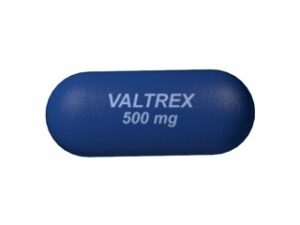
Valacyclovir (Valacyclovir) – Patient Guide (Australia)
Valacyclovir is an antiviral medicine used to treat and suppress infections caused by herpes viruses. It is designed to work by stopping the virus from multiplying, helping reduce symptoms and (in many cases) lowering the risk of recurrent outbreaks.
This guide is written for patients and provides practical, easy-to-understand information about how valacyclovir works, when it’s used, how to take it, and important safety considerations. Always follow your healthcare professional’s advice and the directions on your medicine label.
Basic product information
| Item | Details |
|---|---|
| Generic name | Valacyclovir |
| Drug type | Antiviral (prodrug of aciclovir) |
| Common forms | Oral tablets (strengths vary by brand/pack) |
| How it’s taken | By mouth with water |
| Main benefit | Reduces duration and severity of herpes outbreaks; helps suppress recurrent episodes |
| Who it’s for | People with herpes simplex, herpes zoster (shingles), or other herpes-related indications as advised |
How valacyclovir works (mechanism of action)
Valacyclovir is a prodrug, meaning it becomes active after it’s absorbed by the body. Once taken orally, valacyclovir is converted to aciclovir (the active antiviral).
- Selective activation: Aciclovir is activated inside virus-infected cells.
- Stops viral DNA replication: The active form interferes with the virus’s ability to copy its DNA.
- Does not “cure” viruses: Herpes viruses remain in the body and can reactivate. Valacyclovir helps control outbreaks and reduce viral activity.
In general, earlier treatment after symptoms begin tends to improve outcomes, especially for shingles and early herpes outbreaks.
Pharmacokinetics (how the body handles it)
Understanding how valacyclovir is absorbed and eliminated can help you take it correctly and appreciate why timing matters.
- Absorption: Valacyclovir is absorbed from the gut and converted to aciclovir in the body. Absorption is generally improved when taken as directed.
- Conversion: Conversion to aciclovir occurs mainly in the liver and gut wall.
- Distribution: The drug reaches tissues where herpes viruses are active, including skin and mucosa.
- Elimination: Mainly cleared by the kidneys. This is why kidney function influences dosing.
- Half-life: The active drug (aciclovir) has a half-life that supports multiple daily dosing for many indications.
If you have kidney disease or reduced kidney function, your prescriber may use a lower dose or different schedule. Staying well hydrated can also help support kidney safety during antiviral treatment.
Typical use and indications
Valacyclovir is commonly used for herpes virus infections. The exact indication and dosing depend on the condition being treated or prevented.
Common herpes-related indications include
- Herpes simplex virus (HSV) infections (e.g., cold sores/fever blisters and genital herpes), including treatment of outbreaks.
- Recurrent genital herpes suppression to reduce how often episodes occur.
- Herpes zoster (shingles) to reduce duration and severity of symptoms, especially when started early.
- Post-exposure or specific prevention strategies in certain clinical scenarios, as directed by a healthcare professional.
In Australia, valacyclovir is used under established prescribing practices and clinical guidelines for herpes virus management. Your healthcare professional will confirm the most appropriate indication for your situation.
When to take valacyclovir (timing)
Timing can strongly influence effectiveness. Consider the following practical guidance:
- Start early: For shingles, starting within 72 hours of rash onset is often recommended to maximise benefit. For other herpes outbreaks, starting at the first sign of symptoms (tingling, itching, burning, or early lesions) is generally helpful.
- Follow the schedule: Valacyclovir is taken in multiple doses per day for many regimens. Take each dose at roughly the same times to maintain antiviral levels.
- Finish the course: Even if you feel better, complete the prescribed treatment plan unless your healthcare professional advises otherwise.
- If you miss a dose: Take it when you remember on the same day. If it’s close to the next dose, skip the missed dose. Do not double up.
Food interactions and taking with meals
Valacyclovir can generally be taken with or without food. For many people, taking it with a meal reduces stomach discomfort.
- If it upsets your stomach: Consider taking doses with food and a full glass of water.
- Consistency: Try to take it the same way each day (with or without food) unless your prescriber advises a change.
- Hydration matters: Drink adequate fluids unless you’ve been told to restrict fluids (for example, some heart or kidney conditions).
While food interactions are not usually a major issue for valacyclovir, the most important “interaction” is often the combination of good hydration plus kidney-friendly practices (especially if you’re older or have renal impairment).
Alcohol and medicine interactions
Many patients ask whether alcohol is safe during antiviral treatment. There is no universal alcohol restriction for everyone on valacyclovir, but alcohol can still affect comfort and recovery.
- General advice: Moderate alcohol intake is often preferable to heavy drinking.
- Hydration risk: Alcohol can contribute to dehydration. Because valacyclovir is eliminated by the kidneys, staying well hydrated is particularly important.
- Symptom impact: Alcohol may worsen fatigue, sleep quality, or irritation of mouth/genital lesions.
- Medication interactions: Valacyclovir has known interaction potential with some medicines, particularly those affecting kidney function. Always review your full medication list with your pharmacist or healthcare professional.
Medication interactions to watch for
Tell your healthcare professional about all medicines and supplements you take, including:
- Medicines that affect kidney function (e.g., some non-steroidal anti-inflammatory drugs, certain antibiotics, or other drugs cleared by the kidneys).
- Other antivirals or medicines with overlapping kidney impacts.
- Certain immunosuppressants (common in transplant care), where kidney monitoring is important.
- Nephrotoxic substances and high-dose or multiple agents affecting renal clearance.
If you have kidney disease, are elderly, or are taking multiple medicines, your prescriber may adjust dosing or recommend closer monitoring.
Dosing (typical regimens)
Doses depend on the condition (treatment of an outbreak vs suppression), your kidney function, and sometimes age and immune status. The table below shows common adult dosing patterns used in herpes management. Your individual dose may differ.
Important: Do not use this information to decide your dose. Confirm your exact dose with your medicine label or healthcare professional.
| Condition | Typical adult dosing pattern (examples) | Notes on timing |
|---|---|---|
| HSV outbreaks (genital herpes or HSV infections) | Often taken twice daily for a short course (duration varies) | Start early, ideally at first symptoms or lesion onset |
| Recurrent genital herpes suppression | Often once daily or adjusted schedule (varies by clinical plan) | Take daily as directed to reduce frequency and severity |
| Herpes zoster (shingles) | Common regimens are typically three times daily for about a week | Start within 72 hours of rash appearance when possible |
| Kidney impairment | Dose and frequency may be reduced | Follow tailored dosing; monitoring may be recommended |
If you’re unsure about your dose frequency, ask your pharmacist. It’s easy to confuse “once daily” suppression with “multiple daily” outbreak regimens.
How to take each dose
- Swallow tablets whole with water.
- Use a consistent schedule (e.g., morning/evening) to avoid missed doses.
- Drink fluids regularly (unless you’ve been advised to restrict fluids).
- Keep your medicine in its original packaging to maintain identification and dosage accuracy.
Safety profile and side effects
Like all medicines, valacyclovir can cause side effects. Most are mild and temporary. However, some people—particularly those with kidney impairment, dehydration, older age, or interacting medicines—may experience more serious effects.
Common side effects
- Nausea
- Headache
- Stomach discomfort
- Dizziness (in some cases)
Less common but important
- Vomiting or diarrhoea
- Skin rash or hypersensitivity reactions
- Changes in kidney function (more likely with dehydration or existing kidney disease)
Seek urgent medical advice if you experience
- Severe allergic reaction symptoms (e.g., swelling of face/lips, difficulty breathing, widespread rash)
- Very low urine output or signs of dehydration (especially if you’re unable to drink fluids)
- Confusion, severe drowsiness, agitation, or hallucinations
If you are concerned about side effects, contact a healthcare professional or local health service promptly. Reporting side effects contributes to better understanding of medicine safety.
Practical use tips (patient-friendly)
- Hydrate: Drink enough fluids throughout the day. This is especially important for people who are older or have kidney issues.
- Don’t delay: If you feel an outbreak starting, begin the prescribed course promptly for best results.
- Protect others from spread: During outbreaks, consider barrier protection where appropriate and follow safe-sex advice. Antiviral suppression may reduce viral shedding, but it does not eliminate transmission risk.
- Keep track of recurrence: Note dates, triggers, and outbreak severity. This helps guide whether suppressive therapy is worthwhile.
- Use gentle skin care: For shingles or HSV lesions, keep the area clean and dry, avoid scratching, and follow wound/skin-care advice from your healthcare provider.
- Avoid doubling medication: If you miss a dose, use the “skip and resume” approach unless your pharmacist tells you otherwise.
Alternative options
Depending on your condition, alternatives may include other antiviral medicines or different strategies. Options vary by the virus type, severity, and personal factors such as kidney function.
Common alternatives may include
- Aciclovir (often requires more frequent dosing than valacyclovir)
- Famciclovir (another antiviral option for certain herpes indications)
- Supportive care (pain relief, skin care, and prevention of complications for shingles)
- For frequent HSV recurrences: suppressive therapy plans may be adjusted to find the best balance of benefit and tolerability
Your pharmacist can discuss which alternative may suit you, based on your medical history, current medicines, and the herpes type being treated.
Market and legal context in Australia (overview)
In Australia, medicines containing valacyclovir are regulated under the national medicines framework and are supplied through pharmacies. Availability may depend on product brand, strength, and local scheduling.
Online pharmacy supply typically requires that:
- Your eligibility and suitability are checked according to Australian regulatory requirements.
- Prescribing and dispensing processes comply with relevant Australian laws and pharmacy standards.
- Stock availability and delivery options follow standard pharmaceutical distribution practices.
Because antiviral use is condition-specific, it’s important to ensure you have the correct medicine, dose, and regimen for your diagnosis and risk factors.
Recent guidance and clinical practice notes
Clinical guidance for herpes management commonly emphasises:
- Early treatment: Antivirals are most beneficial when started promptly after symptoms begin.
- Renal considerations: Dosing adjustments may be needed for reduced kidney function.
- Shingles prevention of complications: Starting antivirals within the early window is important to reduce symptom duration.
- Adherence: Completing the prescribed course improves outcomes.
Healthcare recommendations may evolve with new evidence. For the most up-to-date advice relevant to Australia, consult reputable clinical resources or your healthcare professional.
Delivery and availability (online pharmacy)
Availability can vary depending on your location, product strength, and current stock levels. When ordering online, you may be offered delivery options such as standard or express shipping depending on the courier service and region.
What to expect when ordering
- Order processing: Your order may be checked for suitability and product verification.
- Packaging: Medicines are typically dispatched in protective packaging to prevent damage.
- Delivery timeframe: Times depend on your state/region and the chosen delivery option.
- Temperature: Many tablets can be stored at room temperature—however, always follow storage instructions on the pack.
If you need treatment urgently (for example, shingles symptoms started recently), consider choosing faster delivery options and make sure you can start the medicine within the early window recommended by clinicians.
Storage and disposal
- Storage: Store tablets according to the instructions on the packaging (commonly at or below 25°C, in a dry place).
- Keep out of reach: Keep out of reach and sight of children.
- Disposal: Return unused or expired medicines to a community pharmacy for safe disposal where possible. Do not flush tablets unless instructed.
FAQ – Valacyclovir
1) What is valacyclovir used for?
Valacyclovir is used to treat herpes virus infections such as herpes simplex (cold sores or genital herpes) and herpes zoster (shingles), and it may also be used to suppress recurrent genital herpes episodes depending on your clinical situation.
2) How soon will I feel better?
Many people notice symptom improvement within a few days of starting treatment, but timing varies. For shingles, starting within the early window (ideally within 72 hours of rash onset) can help reduce the course and severity.
3) Can valacyclovir stop outbreaks completely?
Valacyclovir cannot completely eliminate the virus from the body. It can reduce outbreak frequency and severity and help shorten episodes when started early. Suppressive therapy may significantly reduce recurrences for some people.
4) Can I take valacyclovir with food?
Yes. Valacyclovir is usually taken with or without food. Taking it with food may help if you experience nausea.
5) What if I have kidney problems?
Kidney function affects how valacyclovir is cleared. Your dose may need adjustment if you have reduced kidney function. It’s important to disclose kidney disease to your healthcare professional and stay well hydrated during treatment.
6) Is alcohol allowed?
Moderate alcohol may be acceptable for some people, but heavy drinking is not recommended because it can worsen dehydration and overall recovery. Alcohol may also affect how you feel and sleep. If you’re unsure, ask your pharmacist or healthcare professional.
7) What medicines interact with valacyclovir?
Interactions can occur particularly with medicines that affect kidney function or increase the risk of kidney stress. Always share your full list of medications and supplements with your pharmacist.
8) I missed a dose—what should I do?
If you remember on the same day, take it when you can. If it’s close to the next scheduled dose, skip the missed dose. Do not take a double dose to make up for a missed one.
9) When should I seek urgent help?
Seek urgent medical advice if you have symptoms of an allergic reaction (e.g., facial swelling, trouble breathing), severe confusion, significant reduction in urine output, or other worrying symptoms—especially if you’re dehydrated or have kidney disease.
10) Are there non-medicine ways to help?
Yes. During outbreaks, gentle skin care, avoiding scratching, keeping hydrated, and practising safe-sex measures can help. For shingles, prompt medical advice is important if you develop rash and pain early.
Summary
Valacyclovir is an oral antiviral that helps control herpes virus infections by interrupting viral DNA replication. It’s commonly used for HSV outbreaks, recurrent genital herpes suppression, and shingles—especially when started early. Proper timing, hydration, and adherence to the dosing schedule are key to effectiveness and safety.
If you have questions about whether valacyclovir is appropriate for your condition, how to take it, or concerns about side effects, speak with your pharmacist or healthcare professional.