Aciclovir (Acyclovir) – Patient Information Guide (Australia)
Aciclovir is an antiviral medicine used to treat and prevent infections caused by certain herpes viruses. It is widely used in Australia for conditions such as herpes simplex (cold sores and genital herpes) and, in some circumstances, herpes zoster (shingles).
This guide explains how aciclovir works, how it is used, what to expect, common safety information, and practical tips to help you get the best results. Always follow the instructions provided with your specific product and consult a healthcare professional if you have any questions.
Basic product information
- Medicine name: Aciclovir (also spelled Acyclovir)
- Medicine type: Antiviral
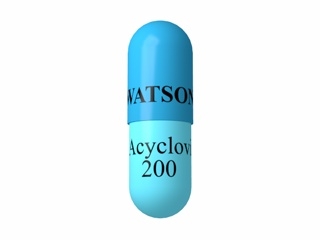
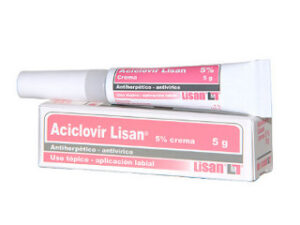
- Common forms: Tablets/capsules (oral), creams/ointments (topical), and other formulations depending on the product
- How it works: Targets viral DNA replication in infected cells
- Common viral families: Herpesviruses (e.g., HSV-1, HSV-2; varicella-zoster virus)
Your brand and strength may vary. If you have multiple forms (e.g., oral tablets and topical cream), they are not always interchangeable—use each product as directed.
Mechanism of action (how aciclovir works)
Aciclovir is a nucleoside analogue—a building-block-like substance that interferes with how herpes viruses replicate.
- Activation inside infected cells: After entering the body, aciclovir is converted into its active form primarily within cells infected by herpes viruses.
- Targeting viral DNA synthesis: The active form inhibits viral DNA polymerase, stopping viral replication.
- Selective effect: Because activation is more efficient in virus-infected cells, aciclovir is more effective against actively replicating virus than against healthy cells.
Key point: Antiviral medicines work best when started early—typically at the first signs of an outbreak or as soon as symptoms begin.
Pharmacokinetics (what the body does to aciclovir)
“Pharmacokinetics” describes how the body absorbs, distributes, metabolises, and excretes a medicine.
- Absorption: Oral aciclovir is absorbed into the bloodstream, with absorption influenced by the formulation and individual factors.
- Distribution: It can distribute into many body tissues, including areas where herpes viruses commonly cause disease.
- Metabolism: Aciclovir is minimally metabolised compared with many other drugs.
- Excretion: The majority is eliminated by the kidneys. Kidney function strongly affects how quickly the medicine leaves the body.
If you have reduced kidney function, doses may need adjustment to reduce the risk of side effects. Staying well hydrated also supports safe kidney handling.
Typical use (what aciclovir is used for)
Aciclovir is used for infections caused by herpes viruses, including:
- Herpes simplex virus (HSV):
- Cold sores (herpes labialis)
- Genital herpes (HSV-2 commonly, HSV-1 can also cause genital herpes)
- Herpes zoster (shingles):
- Used to treat shingles in certain circumstances, especially when started early
- Prevention of outbreaks (where applicable):
- In some patients with frequent recurrences, ongoing suppression may be considered to reduce how often outbreaks occur
The exact indication and best regimen depends on the virus type, the condition, severity, and your overall health (including immune status and kidney function).
Timing: when to take aciclovir for best results
Starting antiviral treatment early is one of the most important factors in achieving the best outcome. In general:
- Cold sores (HSV): Begin treatment at the earliest warning signs (tingling, itching, burning) or when sores appear.
- Genital herpes (HSV): Start as soon as symptoms begin, especially during the first episode.
- Shingles (herpes zoster): Starting early (as soon as symptoms are recognised) is usually recommended for greatest benefit.
If you are using oral aciclovir, try to take doses at consistent times throughout the day to maintain steady drug levels.
Food interactions
Food can influence the tolerability and, in some cases, absorption of oral medicines. For many people, aciclovir can be taken with or without food.
- Stomach comfort: If you find oral aciclovir causes nausea, taking it with food may help.
- Hydration: Drink plenty of fluids during treatment—this is particularly important for kidney health.
Always refer to your specific product label or consumer medicine information (CMI) for exact instructions.
Alcohol and medicine interactions
Alcohol does not usually have a direct biochemical interaction with aciclovir in the same way some medicines do. However, alcohol may still affect your treatment indirectly:
- Dehydration: Alcohol can increase fluid loss, which may be undesirable if you’re taking a medicine eliminated by the kidneys.
- Immune function and recovery: Heavy alcohol use can slow recovery and may worsen illness-related fatigue.
- Side effects: Both aciclovir and alcohol can contribute to feelings such as dizziness or nausea in some people.
Practical advice: If you choose to drink alcohol, consider limiting quantity and ensure you drink water alongside. If you experience dizziness, confusion, severe nausea, or reduced urine output, avoid alcohol and seek medical advice.
Indications (conditions treated with aciclovir)
Below is a patient-friendly overview of common indications. The best choice and schedule depend on the exact diagnosis and your clinical situation.
| Condition (common name) | Typical virus | How aciclovir may help | Timing emphasis |
|---|---|---|---|
| Cold sores (herpes labialis) | HSV-1 (often) / HSV-2 (sometimes) | Can shorten duration and reduce severity of outbreaks | Start at first tingling/itching or when lesions appear |
| Genital herpes | HSV-2 or HSV-1 | Can reduce symptom duration and viral shedding during episodes | Start early, especially in the first episode |
| Shingles (herpes zoster) | Varicella-zoster virus (VZV) | Can reduce severity and help with faster resolution | Start as soon as shingles is recognised |
| Suppression for frequent recurrences (where applicable) | HSV | Reduces the frequency of outbreaks | Follow your schedule consistently |
Dosing: general guidance and important notes
Dosing for aciclovir varies depending on:
- the condition being treated (cold sores, genital herpes, shingles, prevention)
- whether it’s an initial episode or recurring outbreak
- your age and overall health
- kidney function
- the formulation (oral vs topical)
Because dosing differs by product and indication, always use the dosing instructions on the label or provided with your specific treatment.
General “how to take” tips (oral forms):
- Space doses evenly across the day as directed.
- Complete the full course, even if you feel better.
- Maintain good hydration unless you have been restricted from fluids for another medical reason.
For topical products (cream/ointment):
- Apply to affected areas as directed.
- Wash hands before and after application.
- Avoid eyes, inside the mouth, and other sensitive areas unless instructed.
If you miss a dose, take it when you remember unless it’s close to the next dose. Do not double up unless your product instructions say so.
Safety profile: side effects and when to seek help
Like all medicines, aciclovir can cause side effects. Many are mild and temporary, but some symptoms require prompt medical attention.
Common or mild side effects
- Nausea
- Vomiting or stomach discomfort
- Headache
- Dizziness (uncommon)
- Diarrhoea
- Local irritation with topical use (for creams/ointments)
Serious or urgent side effects (seek medical help)
Stop using the medicine and seek urgent medical advice if you experience:
- Allergic reaction: swelling of the face/lips, rash with breathing difficulty, or severe hives
- Signs of kidney problems: reduced urine output, severe flank/back pain, unusual swelling
- Severe neurological symptoms (rare): confusion, agitation, hallucinations, severe drowsiness
- Severe dehydration (especially if you’re unwell and not drinking fluids)
Who should be extra cautious
- People with kidney disease or reduced kidney function
- Older adults (kidney function can decline with age)
- People taking other medicines that may affect the kidneys
- People who are immunocompromised (treatment decisions may differ)
- Those with a history of adverse reactions to aciclovir or related antivirals
Practical use tips for better outcomes
- Start early: Treat at the first signs of an outbreak whenever possible.
- Finish the course: Even if symptoms ease, complete the prescribed duration.
- Hydrate well: Drink adequate fluids during oral therapy unless restricted.
- Reduce transmission risk: During outbreaks, avoid skin-to-skin contact with others, especially when lesions are present.
- Avoid picking: Keeping lesions intact can reduce healing time and scarring.
- Use moisturising and barrier care: For cold sores, gentle moisturisers may help discomfort (avoid products that irritate).
- Keep the area clean: Wash with mild soap and water. Pat dry.
If you use topical aciclovir, ensure the product is applied only where intended and allow it to absorb before using other creams unless the product instructions advise otherwise.
Alternative options (other treatments for herpes viruses)
Depending on the condition, your clinician may consider other antiviral medicines or supportive measures. Common alternatives include:
- Valaciclovir: Often used for similar herpes infections; dosing schedules may be more convenient for some patients.
- Famciclovir: Another oral option for HSV and herpes zoster in certain situations.
- Topical antiviral approaches: For limited lesions, topical products (where suitable) may be used.
- Supportive care: Pain relief, soothing skin care, and preventing infection spread are important alongside antivirals.
The “best” alternative depends on factors such as kidney function, other medications, convenience, severity, and your specific diagnosis.
Market and legal context for Australia
Medicine availability and classification in Australia may vary by formulation and strength. In Australia, medicines are regulated under the Therapeutic Goods Administration (TGA) and are listed in categories that can include prescription-only and pharmacist-only products, depending on the active ingredient and specific product type.
For aciclovir, access can vary between:
- Oral forms and topical forms
- Strength and pack size
- Whether the product is intended for over-the-counter (OTC) or pharmacy-only use
Online pharmacies in Australia typically provide products that are permitted for sale under applicable Australian laws and regulations, with appropriate checks and product information supplied to customers.
Recent guidance and best-practice considerations
Clinical practice continues to emphasise:
- Early treatment for shingles and acute herpes outbreaks to improve outcomes.
- Renal safety: recognising that aciclovir is cleared by the kidneys and dosing may require adjustment for kidney impairment.
- Appropriate use in immunocompromised patients: antivirals may be prioritised and regimens may differ.
- Prevention of transmission: antivirals help reduce shedding, but behavioural measures (avoiding contact during outbreaks) remain important.
Always keep your vaccination and preventive health plans up to date, particularly if you are at higher risk for shingles complications (discuss shingles vaccination with your healthcare professional).
Delivery and availability (online pharmacy information)
Delivery times and stock availability can vary depending on your location and the specific product chosen. Reputable online pharmacies in Australia commonly offer:
- Discreet packaging
- Tracking and confirmation of delivery (where available)
- Secure payment options
- Customer support for product questions
What to check before ordering:
- Confirm the strength and formulation (oral vs topical).
- Check whether the product is intended for treatment of an outbreak or prevention.
- Ensure the product suits your needs and that you can take/use it safely (including kidney health considerations).
If you have kidney disease, are elderly, or are taking other medicines, consider speaking with a healthcare professional before starting oral aciclovir.
FAQ: common questions about aciclovir
1) Is aciclovir effective for cold sores?
Yes. Aciclovir can help reduce the duration and severity of cold sore outbreaks when started early—at the first warning signs or as soon as lesions appear.
2) How quickly should I expect improvement?
Many people notice symptom relief within a few days of starting treatment. The earlier you begin, the better the chance of improving the course of the outbreak.
3) Can I take aciclovir with food?
Many people can take oral aciclovir with or without food. If it upsets your stomach, taking it with food may improve comfort. Always follow the instructions provided for your specific product.
4) Does aciclovir stop the virus permanently?
Aciclovir helps control outbreaks by inhibiting viral replication during active infection. It does not generally “cure” herpes viruses permanently because they remain dormant in the body.
5) Can I use topical aciclovir on the face?
Topical aciclovir is commonly used on cold sores. Avoid eyes and inside the mouth unless your product instructions specify it is appropriate. If unsure, check the label or ask a pharmacist.
6) What if I miss a dose?
Take it when you remember if it’s still within a reasonable time. If it’s close to the next scheduled dose, skip the missed dose and continue your routine. Do not double doses unless your product instructions tell you to.
7) Are there any interactions with other medicines?
Oral aciclovir is cleared by the kidneys, so medicines that affect kidney function may be relevant. Always check product information and disclose your medicines to a pharmacist or healthcare professional—especially if you have kidney disease or take multiple medicines.
8) Is it safe to drink alcohol while using aciclovir?
There is typically no direct interaction, but alcohol can contribute to dehydration and may worsen side effects or recovery. If you choose to drink, limit amount and stay well hydrated.
9) Who should not use aciclovir without medical advice?
Extra caution is advised for people with kidney impairment, older adults (due to possible changes in kidney function), those with a history of severe allergic reactions, and those who are immunocompromised.
10) When should I seek medical attention?
Seek advice urgently if you suspect a serious allergic reaction, develop severe dehydration, have reduced urination, severe back/flank pain, confusion, or worsening symptoms that do not improve after starting treatment.
Summary
Aciclovir is a well-established antiviral used to treat herpes virus infections such as cold sores, genital herpes, and shingles in appropriate circumstances. It works by blocking viral DNA replication in infected cells, and it is most effective when started early. Because it is cleared by the kidneys, hydration and attention to kidney health are important for safe use.
If you’re unsure which product form or timing is right for your symptoms, consult a pharmacist or healthcare professional—especially if you have kidney problems, are taking other medicines, or have frequent recurrences.