Acyclovir Cream 5% (Topical) — Patient Information (Australia)
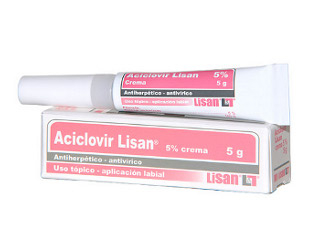
Acyclovir cream 5% is a topical antiviral medicine used to help treat certain viral skin infections caused by the herpes virus family. It works by stopping the virus from multiplying in the affected area, which can help reduce the duration and severity of symptoms when used early.
This page explains how acyclovir cream works, when to use it, typical dosing, what to expect, and important safety information—written for a patient-friendly online pharmacy experience in Australia.
Key Product Information
- Medicine name: Acyclovir cream 5% (topical)
- Strength: 5% w/w acyclovir
- Common use: Herpes labialis (“cold sores”) and some other herpes-related skin conditions
- Route: Topical application to the skin
- Availability: Often available through pharmacies; availability and brand may vary by supplier
- Age considerations: Use in children should follow the directions on the product pack and the advice of a healthcare professional
Always read your specific product label and consumer medicine information (CMI) for exact directions.
How Acyclovir Cream Works (Mechanism of Action)
Acyclovir is an antiviral medicine. After it is applied to the skin, it helps interfere with viral replication. In simplified terms:
- The virus produces an enzyme that activates acyclovir inside infected cells.
- Activated acyclovir is incorporated into the viral DNA.
- This stops viral DNA chain growth, preventing the virus from multiplying.
- As a result, viral replication slows and lesions may heal more quickly.
Acyclovir is most effective when started as early as possible—ideally at the first signs of cold sore symptoms (tingling, itching, burning, or early redness) before blisters fully develop.
Pharmacokinetics (What Happens to the Medicine in the Body)
Acyclovir cream is designed for local action. When applied to skin, only a small amount is absorbed into the bloodstream under normal conditions.
- Absorption: Generally low when used as directed on intact skin; may be slightly higher if applied to broken skin or large areas.
- Distribution: The small absorbed amount can distribute in body fluids, but the main effect remains local at the site of application.
- Metabolism: Acyclovir undergoes limited metabolism in the body.
- Elimination: Primarily excreted by the kidneys.
Because systemic absorption is usually limited with topical use, most people experience minimal whole-body effects when using acyclovir cream correctly. People with significant kidney impairment should still use caution and seek advice if unsure.
Typical Use in Australia
Acyclovir cream 5% is commonly used for herpes labialis (cold sores). Cold sores are caused by herpes simplex virus (HSV), typically HSV-1. Some people may also use antiviral creams for other herpes-related lesions, depending on the product directions and clinician advice.
It is important to note:
- Cold sores around the mouth are a typical target area for this cream.
- It is not designed for use inside the mouth, eyes, or genital areas unless specifically indicated by the product and your clinician’s advice.
- It does not cure the underlying virus. Herpes viruses remain in the body and can reactivate.
Indications (When It May Be Used)
Use acyclovir cream 5% for the conditions described in the product information, most commonly:
- Herpes labialis (cold sores), particularly when started early
If you are unsure whether your symptoms match a herpes infection, check with a pharmacist or general practitioner. Other conditions (e.g., impetigo, fungal infections, dermatitis) can look similar and may require different treatment.
How to Use Acyclovir Cream (Dosing & Timing)
Typical adult and child dosing
Dosing can vary by product brand and age group, but commonly for cold sores:
- Apply: a thin layer to the affected area
- Frequency: usually 5 times a day (for example, every ~4 hours while awake)
- Duration: often 4 days, but may be extended according to symptoms and product directions
Best timing: Start treatment at the first sign of a cold sore (tingling, itching, burning, redness, or early swelling). Early treatment can help reduce how long the sore lasts.
Practical step-by-step application tips
- Wash your hands before and after applying.
- Clean gently the area with water if needed, and pat dry.
- Apply a thin layer of cream to the affected skin and a small margin around it (as instructed).
- Use a cotton bud/glove if you prefer to avoid transferring the cream (and to help reduce contact).
- Avoid rubbing vigorously; let it absorb.
- Do not cover with occlusive dressings unless specifically advised.
- Continue the course for the recommended number of days even if symptoms improve early, unless your product instructions say otherwise.
What to do if you miss a dose
- Apply it when you remember.
- If it is close to the next dose, skip the missed dose and continue your normal schedule.
- Do not apply extra cream to make up for a missed dose.
How Long Does Treatment Take?
Many people notice improvement within a few days when acyclovir cream is started early. However, healing times vary depending on how advanced the lesion is when treatment begins, your immune status, and whether lesions become secondarily infected.
Consider seeking medical advice if:
- Symptoms are not improving after the recommended treatment period
- Lesions worsen, spread, or become very painful
- You get frequent recurrences or severe episodes
- You are immunocompromised
Food Interactions
Because acyclovir cream is a topical medicine with generally low systemic absorption, food interactions are unlikely. You can typically use it regardless of meals.
If your pharmacist or doctor has advised a specific plan (for example, if you are also taking other antiviral medicines), follow that guidance.
Alcohol and Medicine Interactions
Alcohol
There is typically no direct interaction between alcohol and acyclovir cream because systemic exposure from topical use is limited. However, alcohol can worsen dehydration and sleep, which may indirectly affect immune function and healing.
If you choose to drink alcohol, do so moderately and stay well hydrated. If you experience delayed healing or frequent outbreaks, discuss lifestyle factors with your healthcare professional.
Other medicines
Clinically significant drug interactions are unlikely with topical acyclovir when used as directed. However, interaction risk can be higher if you have:
- Kidney disease
- Reduced clearance of medicines
- Use of other antiviral or kidney-affecting medicines
Inform your pharmacist if you are taking any medicines, including:
- Other antiviral medications
- Medicines that affect kidney function
- Any immunosuppressant therapies
Safety Profile (Side Effects & Precautions)
Common side effects
Most people tolerate acyclovir cream well. Possible local reactions may include:
- Stinging, burning, or tingling at the application site
- Dryness or mild irritation
- Redness or mild inflammation
Less common but important reactions
Seek urgent medical advice if you develop signs of an allergic reaction, such as:
- Swelling of the face, lips, or tongue
- Widespread rash or hives
- Difficulty breathing
When to stop and seek advice
- If irritation becomes severe or persistent
- If the area becomes increasingly painful, hot, swollen, or oozes (possible bacterial infection)
- If you develop eye symptoms or the medicine accidentally contacts the eyes
Special precautions
- Eye exposure: Avoid contact with eyes. If accidental exposure occurs, rinse thoroughly with water and seek advice.
- Sexual health areas: Use only where the product label permits.
- Immunocompromised people: If you have a weakened immune system, outbreaks may be more severe and longer-lasting. Seek professional advice.
- Kidney disease: While absorption is usually low, discuss with a pharmacist/doctor if you have significant renal impairment.
- Children: Use according to the product instructions and obtain pharmacist advice if unsure.
Practical Use Tips to Improve Outcomes
- Start early: Begin at the first signs of a cold sore.
- Keep lesions clean: Gentle washing can reduce irritation; avoid harsh scrubbing.
- Avoid picking: Picking can worsen inflammation and increase scarring and secondary infection risk.
- Reduce spread: Herpes viruses can spread to others through contact with sores.
- Don’t share: Do not share lip balm, towels, razors, or utensils while sores are active.
- Protect lips: Sun exposure can trigger outbreaks. Consider using sun-protective lip balm once lesions heal.
Transmission awareness: Cold sores are contagious. Avoid kissing and oral contact during outbreaks and until lesions fully heal.
Alternative Options for Herpes Labialis
Treatment choice can depend on severity, frequency of outbreaks, and how early you start. Alternatives include:
- Oral antiviral medicines (prescribed by a clinician): may be considered for severe outbreaks, frequent recurrences, or people at higher risk.
- Other topical antiviral preparations (availability varies): some markets offer different formulations or strengths.
- Supportive care for symptoms:
- Cold compress for comfort
- Simple emollients to reduce cracking
- Pain relief (e.g., paracetamol or ibuprofen where appropriate)
- Barrier protection (once appropriate): lip balms or protective coverings after sores have started healing may reduce irritation and cracking (avoid during the most active stage unless the product is clearly safe to apply).
If your cold sores are frequent, very large, unusually painful, or you have complications, it may be worth discussing prevention strategies with a pharmacist or general practitioner.
Delivery and Availability in Australia
In Australia, acyclovir cream 5% is commonly stocked by pharmacy retailers. Online pharmacies may offer:
- Click & collect (where available)
- Home delivery via courier or postal services
- Different brand packaging depending on supplier availability
Availability can vary by region, stock levels, and brand. Check the product listing for:
- Estimated delivery timeframes
- Product size (tube size)
- Whether the product is currently in stock
- Shipping terms and any delivery restrictions
Storage: Store at room temperature as indicated on the pack. Keep out of reach of children. Do not freeze. Check expiry dates before use.
Market & Legal Context in Australia
Medicines in Australia are regulated under the Therapeutic Goods Administration (TGA) framework. Topical antiviral products such as acyclovir creams are generally made available through pharmacy channels, and access may depend on the specific product listing, scheduling status, and national/state supply arrangements.
Online pharmacy services operate under Australian pharmacy and consumer safety requirements, including rules about correct product supply, packaging, and providing relevant medicine information for consumers.
To ensure you receive the correct product, purchase from a reputable pharmacy site and verify:
- The active ingredient (acyclovir) and strength (5%)
- The product form (cream)
- Correct size and expiry date
- Any specific instructions listed on the packaging
Recent Guidance (How Recommendations Commonly Apply)
Clinical advice for cold sores often emphasises:
- Early initiation of antiviral therapy at the first signs of symptoms
- Appropriate dosing frequency for topical treatment
- Assessment for complications if lesions are severe, spreading, or persist
- Supportive measures such as hygiene and preventing transmission
Guidance can evolve, and local protocols may differ. Your pharmacist can confirm what approach is recommended for your situation, especially if you have recurrent outbreaks or underlying health conditions.
Summary Table: When to Use & How to Apply
| Topic | What to Expect |
|---|---|
| Common condition | Herpes labialis (cold sores) |
| Best time to start | At the first tingling/itching/burning or early redness |
| How to apply | Thin layer to affected area and small surrounding margin |
| Typical frequency | Often 5 times daily (every ~4 hours while awake) |
| Typical duration | Often around 4 days; continue as directed if still needed |
| Food interactions | Unlikely due to topical use |
| Alcohol | No direct interaction expected; support healing with hydration |
| Seek advice if | No improvement, worsening symptoms, severe pain, or complications |
FAQ — Acyclovir Cream 5%
1) When should I start using acyclovir cream?
Start as soon as you notice the first signs of a cold sore (tingling, itching, burning, or early redness). Starting early generally improves the chance of reducing healing time and symptom severity.
2) How often do I apply it?
Common directions for cold sores involve applying a thin layer five times per day. Follow the frequency on your product label, as exact instructions may vary by brand and age group.
3) Can I put it on my lip inside my mouth?
Avoid applying acyclovir cream inside the mouth unless the product instructions explicitly permit it. Topical creams are usually intended for skin lesions on the outside of the mouth.
4) Is acyclovir cream safe for children?
Many topical antiviral creams can be used in children when used correctly, but dosing and suitability can depend on age and condition. Check the pack instructions and ask a pharmacist if you are unsure.
5) Will it stop future outbreaks?
Acyclovir cream helps treat active lesions. It does not eliminate the virus from the body, so outbreaks can still occur later. If you have frequent or severe recurrences, ask a pharmacist or doctor about prevention options.
6) What if I have a cold sore and also use makeup or sunscreen?
Try to keep the area clean and avoid applying cosmetics directly over the active lesion. Once the sore is healing and your product instructions allow, barrier protection such as sunscreen on surrounding skin may help reduce triggers. Avoid placing heavy layers that trap moisture if that irritates the area.
7) Can I use the cream if the sore has already blistered or crusted?
You can still apply it when symptoms are present. However, it tends to work best when started very early, before blisters fully develop. If symptoms persist or worsen, seek advice.
8) Are there any food or alcohol restrictions?
Food interactions are unlikely with topical use. There is usually no direct interaction with alcohol, but moderating alcohol intake and staying hydrated may support overall healing.
9) How do I avoid spreading cold sores to others?
Avoid kissing and oral contact while lesions are active. Do not share lip balm, utensils, towels, or razors. Wash hands after touching the sore or applying cream.
10) When should I see a doctor urgently?
Seek urgent advice if the sore is near the eye, you develop eye pain/redness, you become immunocompromised, the lesion spreads quickly, you have severe symptoms, or it does not improve after the recommended period.
Important Note
This information is intended to help you use acyclovir cream 5% safely and effectively. Always follow the directions on the product packaging and consult a pharmacist or healthcare professional if you have questions, unusual symptoms, or ongoing concerns.