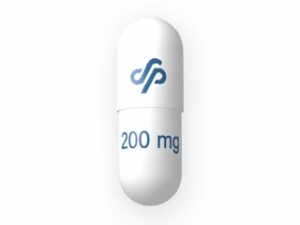



Amantadine (AU) – Patient-Friendly Information
Amantadine is a medicine used in selected conditions, including some viral-related illnesses and certain movement disorders. This guide explains how amantadine works, how the body processes it, how it’s typically taken, and important safety information. It’s written to be patient-friendly and practical for everyday use in Australia.
Note: Information below is general. Your prescriber and pharmacist may advise a personalised plan based on your age, medical history, kidney function, other medicines, and the condition being treated.
1) Basic product information
| Category | Details |
|---|---|
| Medicine name | Amantadine |
| Common forms | Oral tablets/capsules (brand/formulation varies by supplier) |
| Therapeutic areas | Neurology; viral-related treatment prevention in specific settings |
| How it’s supplied | Availability depends on local supply and formulation; generally dispensed via pharmacy |
| Who may benefit | People with appropriate indications as advised by clinicians |
2) How amantadine works (mechanism of action)
Amantadine’s effects come from more than one action in the body. The most recognised mechanisms include:
- Anti-viral effect (influenza A only): Amantadine blocks an influenza A virus protein involved in viral entry/uncoating, reducing viral replication. It does not work for influenza B.
- Neurological effects (movement-related benefit): It influences neurotransmission in the brain. Amantadine is thought to enhance dopamine-related activity and modulate glutamate (including NMDA receptor effects), which may help with certain motor symptoms.
In practice, your doctor chooses amantadine for specific reasons based on the condition, the expected benefit, and your individual risk factors.
3) Pharmacokinetics (how the body processes it)
Pharmacokinetics helps explain dosing frequency, onset of action, and why adjustments may be needed with kidney problems.
Absorption
Amantadine is absorbed after oral dosing. Peak blood levels typically occur within a few hours, though this can vary between people and formulations.
Distribution
It distributes into body tissues and can cross into the central nervous system, which contributes to its neurological effects.
Metabolism
Amantadine is not extensively metabolised. A substantial portion is cleared unchanged.
Elimination (excretion) and kidney role
The kidneys are the main route of elimination. Reduced kidney function can lead to higher drug levels, increasing the likelihood of side effects. For this reason, dose adjustments are often needed in people with impaired renal function.
Half-life
The drug’s half-life can be long enough that missing doses or accidental dose doubling can increase risk. Clinicians often use this to guide timing and dosing schedules.
4) Typical uses in Australia
Amantadine is used for specific indications. In Australia, its use depends on local prescribing practices and current clinical guidance. Common categories include:
- Neurological conditions: Some movement disorders and symptoms related to neurological disease where amantadine may help reduce certain motor issues (for example, in Parkinsonian syndromes or related settings).
- Viral prevention/treatment in specific circumstances: Historically, amantadine has been used for influenza A. However, influenza treatment strategies have evolved and resistance patterns matter. Use is typically limited to situations where it is considered appropriate by health authorities and clinicians.
If you’re considering amantadine for a particular symptom, it’s important to confirm whether the underlying condition matches the expected benefit and whether other treatments would be more suitable.
5) When to take amantadine (timing and routine)
Follow your dosing schedule as directed by your healthcare professional. General timing guidance:
- Consistency: Take it at the same times each day to maintain steadier blood levels.
- Split dosing (if prescribed): If your dose is divided, space doses evenly across the day (e.g., morning and later afternoon/evening), unless your prescriber indicates otherwise.
- Bedtime caution: If you experience insomnia, vivid dreams, or agitation, taking the dose too late in the day may worsen symptoms—discuss adjustments with your clinician.
- Missed dose: If you miss a dose, take it when you remember unless it’s close to your next scheduled dose. Do not double up.
6) Food interactions (and how food affects it)
Amantadine can generally be taken with or without food. However, food may affect how quickly the medicine is absorbed. For most people, the main practical approach is:
- Choose a routine: Take it the same way each day (with or without food) to keep your routine stable.
- Stomach tolerance: If you experience nausea or stomach upset, taking the dose with food may help.
- Hydration: Maintain good hydration unless your clinician has restricted fluids.
Always check your specific product label and clinician instructions, as formulations can differ.
7) Alcohol and medicine interactions
Alcohol
Alcohol may increase the risk of side effects such as dizziness, sleepiness, impaired concentration, and mood changes. To keep effects predictable, it’s usually best to:
- Limit alcohol while starting amantadine or adjusting your dose.
- Use caution with driving or operating machinery if alcohol is involved.
Other medicines (key interaction categories)
Amantadine can interact with multiple medicine classes. The most important categories to discuss with your pharmacist include:
- Other medicines affecting the brain/neurology: Medicines that may cause sedation, confusion, or psychiatric effects can increase the likelihood of adverse reactions.
- Drugs cleared by the kidneys: Because amantadine is eliminated by the kidneys, other medicines that compete for renal clearance may raise amantadine levels.
- Anticholinergic medicines: These can contribute to confusion, dry mouth, constipation, or urinary retention, potentially worsening tolerability in susceptible individuals.
- Stimulants or other dopaminergic therapies: The combination may influence side effects related to the nervous system or movement symptoms.
- “Live” vaccines and antivirals: For influenza-related use, discuss your complete influenza management plan. Guidance may depend on circulating strains and the season.
Tell your healthcare professional about all medicines and supplements you use, including herbal products, sleep aids, and “over-the-counter” cold or allergy preparations.
8) Indications (what amantadine is used for)
Amantadine has specific indications depending on current clinical practice. Broadly, it’s used for:
- Neurological conditions where symptom improvement—particularly movement-related symptoms—may be expected.
- Influenza A prevention/treatment in particular settings and for specific strains, where recommended by current guidance and susceptibility/resistance considerations.
Your healthcare professional will determine whether amantadine is appropriate by weighing benefits against risks, especially in people with cognitive changes, kidney impairment, heart rhythm concerns, or psychiatric history.
9) Dosing (general guidance)
Dosing must be individualised. Your prescriber may base the dose on your diagnosis, age, kidney function, and your response. The sections below provide general, patient-level context—not a substitute for personal instructions.
Typical dosing principles
- Start low when appropriate: To reduce adverse effects, clinicians may start at a lower dose and adjust.
- Kidney function matters: People with reduced renal clearance may require lower doses or different schedules.
- Symptom response: For neurological symptoms, benefit may take time to become clear.
- Side-effect monitoring: If you experience significant dizziness, confusion, hallucinations, or mood changes, contact your clinician promptly.
What to expect when starting
Some people notice changes in motor symptoms within days, while in others the effect may build gradually. Adverse effects may appear early as levels rise; kidney-related accumulation can also increase risk.
Missed dose and dose safety
- Missed dose: Take when remembered unless near the next dose.
- Do not double: Doubling increases the chance of dizziness, confusion, or other side effects.
- Overdose concern: If you think too much was taken, seek medical advice urgently.
10) Safety profile (common and important risks)
Like all medicines, amantadine can cause side effects. Many are dose-related and may improve with dose adjustment. Some effects, particularly affecting mental health or the nervous system, require prompt attention.
Common side effects
- Dizziness or light-headedness
- Nausea
- Headache
- Dry mouth
- Constipation
- Sleep disturbance (e.g., insomnia) or vivid dreams
Important (seek advice promptly)
- Confusion, agitation, or delirium
- Hallucinations or unusual thoughts
- Severe mood changes (including depression or mania-like symptoms)
- Swelling, breathing difficulty, or rash suggesting allergy
- Irregular heartbeat symptoms (palpitations, fainting)—especially if you have heart rhythm risk factors
- Falls or severe drowsiness
Risk is higher in people with advanced age, cognitive impairment, kidney dysfunction, or a history of psychiatric symptoms. If you or a caregiver notices concerning changes, contact your healthcare professional promptly.
When extra caution is needed
- Kidney impairment: dose adjustments are commonly required.
- Older adults: monitor for confusion, falls, and sleep changes.
- History of seizures: discuss seizure risk with your clinician.
- Psychiatric history: discuss past depression, psychosis, bipolar disorder, or severe anxiety.
11) Practical use tips (how to take it successfully)
- Use a pill organiser: Helps avoid missed or duplicate doses.
- Track effects: Note changes in movement symptoms, sleep, dizziness, and mood during the first few weeks.
- Be careful with driving: If you feel dizzy or slowed, avoid driving and machinery until stable.
- Hydrate: Unless you’ve been told to restrict fluids, staying well-hydrated supports general tolerance.
- Sleep routine: If insomnia occurs, consider timing adjustments (discuss with your clinician).
- Kidney monitoring: If you have kidney disease or are older, follow blood test schedules recommended by your doctor.
- Caregiver awareness: If you live with someone, let them know what side effects to watch for.
12) Alternative options (discuss with your clinician)
Alternative medicines depend on why you’re taking amantadine. For neurological conditions, alternatives might include other therapies that target dopamine pathways, other symptom-specific medicines, or non-drug approaches. For influenza prevention/treatment, antivirals and vaccination strategies may be preferred depending on current guidelines.
Because “alternatives” vary by indication, the best approach is to ask your pharmacist or prescriber which options fit your situation. You can also request a medication review to see whether any of your current medicines might be contributing to side effects.
Non-medicine options that can support symptom management
- Physiotherapy and mobility strategies for movement symptoms
- Sleep hygiene measures for insomnia or vivid dreams
- Hydration and nutrition adjustments to reduce dizziness and constipation
- Regular review of medications to reduce interactions
13) Market and legal context for Australia
Medicines in Australia are regulated under the Therapeutic Goods Administration (TGA). Amantadine products may be subject to prescribing and dispensing rules depending on formulation and current regulatory status. Always rely on a licensed Australian pharmacy for supply and advice.
Influenza antiviral strategies are guided by public health recommendations, including assessment of viral resistance and circulating strains. For movement disorders, prescribing is typically based on evidence, clinical experience, and individual patient factors.
Recent guidance and how it can affect use
Clinical guidance for influenza changes from year to year. If you’re using amantadine for influenza-related reasons, your healthcare professional will consider:
- Current influenza strain information
- Antiviral susceptibility/resistance data
- Your timing since symptom onset (if relevant)
- Risk factors for severe illness
For neurological uses, guidance may emphasise careful dosing, monitoring, and assessment of tolerability—particularly in older adults and people with kidney impairment.
14) Delivery and availability (online pharmacy experience)
Availability can vary by stock level and formulation. When ordering through an online pharmacy, you’ll typically be able to:
- Check the specific product strength and formulation offered
- Review delivery time estimates during checkout
- Receive tracking updates once dispatched (where available)
- Consult the pharmacy team if you have questions about timing, side effects, or storage
To help avoid delays, ensure your delivery address and contact details are correct. If your order requires pharmacist review, you may be contacted for confirmation.
Storage: Store according to the product label (commonly at controlled room temperature, away from moisture and heat). Keep out of reach of children.
15) Amantadine FAQ
Is amantadine used for “flu”?
Amantadine has antiviral activity against influenza A in certain circumstances. Whether it’s appropriate depends on guidance, circulating strains, resistance patterns, and individual risk factors. A clinician or pharmacist can confirm the best option for your situation and season.
How long does it take to work?
Response time varies by indication. For neurological symptoms, some people notice changes relatively early, while others require a longer period. Side effects can also appear early, which is why dose adjustment and monitoring may be needed.
Can I take amantadine with food?
In many cases, yes. Food generally does not prevent use, though taking it consistently (with or without food) can help you predict how your body responds. If it upsets your stomach, taking it with food may improve comfort.
What should I avoid while taking amantadine?
Avoid alcohol or keep it minimal, especially when you’re adjusting to the medicine. Also use caution with driving or machinery if you feel dizzy, drowsy, or mentally slower. Discuss all other medicines with your pharmacist to prevent interactions.
What if I miss a dose?
Take it when you remember unless it’s close to your next scheduled dose. Do not take a double dose to make up for a missed one.
Who is at higher risk of side effects?
Risk can be higher for older adults, people with kidney impairment, and those with cognitive or psychiatric vulnerability. If you notice confusion, hallucinations, severe agitation, or mood changes, seek medical advice promptly.
Does kidney disease affect amantadine dosing?
Yes. Because amantadine is largely cleared by the kidneys, reduced kidney function can increase blood levels and side effects. Clinicians often adjust dose or dosing frequency based on kidney function tests.
Can I stop amantadine suddenly?
Do not stop or change your dose without medical advice. If you need to discontinue, your clinician may advise a specific plan. If side effects are severe, contact your healthcare team urgently.
Are there any herbal or supplement interactions?
Herbal products and supplements can interact with medicines through kidney clearance, sedation effects, or neurological impacts. Tell your pharmacist about everything you take, including “natural” products.
When should I seek urgent help?
Seek urgent medical advice if you develop signs of a serious allergy (swelling of face/lips, breathing difficulty), severe confusion or agitation, hallucinations, fainting, chest pain, or a significant irregular heartbeat.
Summary
Amantadine is a medicine with antiviral activity against influenza A and neurological effects that may help certain movement-related symptoms. Its main elimination route is the kidneys, so dose selection and monitoring are particularly important in people with impaired renal function. Common side effects may include dizziness and sleep disturbances, while more serious nervous system or psychiatric symptoms require prompt attention.
For the safest outcome, take amantadine exactly as advised, keep a consistent routine, review interactions with your pharmacist, and seek help if you experience concerning side effects.