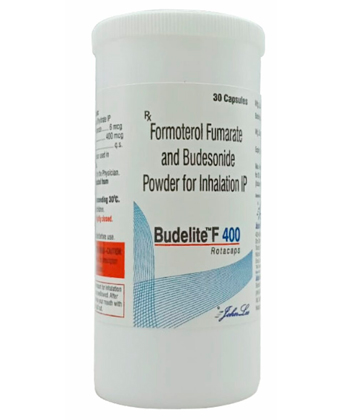
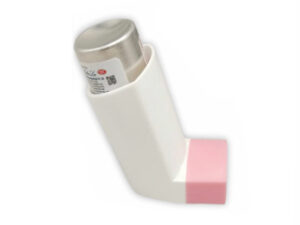
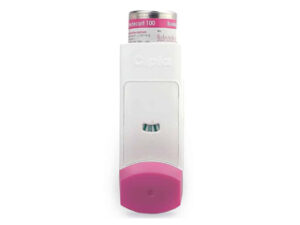
Budesonide/Formoterol Rotacaps (Inhalation Capsules) – Patient Guide (Australia)
Budesonide/formoterol Rotacaps are inhaled medicines used to help control long-term breathing problems, particularly asthma and chronic obstructive pulmonary disease (COPD). The product combines two active medicines that work in different ways:
- Budesonide: a corticosteroid that reduces airway inflammation.
- Formoterol: a long-acting bronchodilator (a LABA) that relaxes airway muscles to improve airflow.
This guide explains how the medicine works, how it’s typically used, what to watch for, and practical tips to support correct inhaler technique. It is designed to be patient-friendly and to help you understand your medicine while always following advice from your healthcare professional.
Basic Product Information
- Medicine type: Inhaled combination therapy (inhaled corticosteroid + long-acting bronchodilator)
- Active ingredients: Budesonide and Formoterol
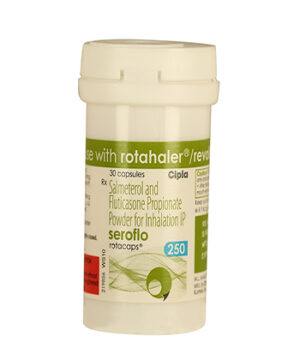
- Presentation: Rotacaps (inhalation capsules used with a compatible Rotahaler-type inhaler device)
- Common therapeutic use: Asthma maintenance and COPD maintenance (exact indications depend on the specific product strength)
Important: Use only the inhaler device that your pharmacist or doctor recommends for Rotacaps. Do not swallow the capsules.
How It Works (Mechanism of Action)
Budesonide/formoterol helps your breathing in two complementary ways.
Budesonide (Inhaled corticosteroid)
Budesonide belongs to the group of medicines called corticosteroids. In the airways, it helps:
- Reduce inflammation
- Lower swelling of the airway lining
- Decrease mucus production
- Improve responsiveness to other asthma/COPD medicines
Because it targets inflammation, improvements are often noticed over days, though some benefits can start earlier. For long-term control, regular use is important.
Formoterol (Long-acting bronchodilator, LABA)
Formoterol relaxes the smooth muscle around the airways, helping to open (“bronchodilate”) them.
- Relieves airflow limitation
- Helps reduce symptoms such as wheeze, breathlessness, and tight chest
Formoterol has an onset of action that can be relatively rapid compared with some other LABAs, which can be helpful for symptom control when used as advised.
Pharmacokinetics (What the Body Does With the Medicines)
Because Rotacaps are inhaled, most of the dose acts directly in the lungs. Some medicine is swallowed and absorbed through the gut.
- Absorption: After inhalation, budesonide and formoterol are absorbed through lung tissue and the gastrointestinal tract (from swallowed portion).
- Distribution: Both active substances distribute through the body; effects are mainly local in the lungs.
- Metabolism: Budesonide is extensively metabolised (primarily by liver enzymes).
- Elimination: Metabolites are removed mainly via urine. Formoterol is also metabolised and eliminated through urine and other routes.
- Half-life: The duration of action in the body differs between the two components; the clinical effect is primarily driven by how long they stay active in the airways and by dosing frequency.
Practical takeaway: Correct inhalation technique improves lung delivery and reduces side effects from swallowed medicine.
What It’s Used For (Indications)
Budesonide/formoterol Rotacaps are used to treat:
- Asthma: For ongoing maintenance of asthma symptoms and reducing the risk of flare-ups.
- COPD: For maintenance treatment of COPD to help improve symptoms and reduce exacerbations.
Note: The exact indication and dose frequency depend on the specific Rotacap strength and your clinical situation.
Typical Dosing and Timing
Your prescribed dose depends on your condition (asthma or COPD), symptom control, age, and previous medicines. Always follow the dose instructions provided by your healthcare professional.
Typical schedules (general guidance)
- Asthma maintenance: Often used as a regular controller regimen, usually twice daily (morning and evening), though some treatment plans may vary.
- COPD maintenance: Commonly taken twice daily to maintain bronchodilation and reduce symptoms/exacerbations.
Timing tips
- Try to take your dose at the same times each day.
- If you take it twice daily, a typical pattern is morning and evening (for example, roughly 12 hours apart).
- If you miss a dose, take it when you remember
Do not stop suddenly without medical advice, particularly if you have been using it regularly.
Food Interactions
Because this medicine is inhaled and designed for local effects in the lungs, food interactions are generally not significant. However, some medication may be swallowed, and digestive absorption can occur.
- In most people, there is no need to avoid specific foods.
- If you find taking your inhaler makes you nauseous or you notice throat irritation after meals, you may prefer to use it before eating or after a meal—whichever feels better—while staying consistent with your prescribed schedule.
If you have a sensitive stomach or are taking multiple medicines, it’s still sensible to ask a pharmacist about any specific interactions relevant to you.
Alcohol Interactions
There is no strong, direct interaction between inhaled budesonide/formoterol and alcohol described for most patients. However:
- Alcohol may worsen breathing in some people, especially if asthma or COPD symptoms are not well controlled.
- Alcohol can affect sleep and can trigger symptom flare-ups for some individuals.
Practical approach: If you drink alcohol, monitor for worsening breathlessness, wheeze, or palpitations. Seek advice if symptoms worsen after alcohol intake.
Medicine Interactions (Including Common Ones)
Some medicines can interact with either budesonide or formoterol. Always provide a complete list of your medicines (including over-the-counter products and supplements) to your pharmacist or doctor.
Medicines that may increase formoterol effects or side effects
- Other LABAs or medicines with similar bronchodilator effects (avoid duplication unless specifically advised)
- Some antidepressants (for example, certain tricyclics or monoamine oxidase inhibitors) may affect cardiovascular effects
- Other sympathomimetic medicines (some decongestants or stimulants) may increase side effects such as tremor or palpitations
Medicines that may affect blood potassium
Formoterol can, in some circumstances, lower potassium levels (hypokalaemia), especially when combined with other medicines that can also lower potassium.
- Diuretics (water tablets), especially loop or thiazide diuretics
- High-dose oral corticosteroids
- Other medicines associated with potassium changes
Medicines that may affect budesonide metabolism
- Strong CYP3A4 inhibitors (certain antifungals or antibiotics used for specific infections) can increase budesonide exposure
These interactions may require dose adjustment or closer monitoring. Your healthcare professional can advise based on the exact medicine you take.
Safety Profile: What to Expect and When to Seek Help
Like all medicines, budesonide/formoterol can cause side effects. Many people tolerate it well when used correctly.
Common side effects
- Throat irritation or hoarseness
- Oral thrush (fungal infection in the mouth), more likely if you don’t rinse your mouth after use
- Headache
- Tremor (shakiness) or mild nervousness
- Palpitations or a fast heartbeat
Less common but important effects
- Muscle cramps or feeling unusually weak (could relate to low potassium in some cases)
- Worsening asthma/COPD symptoms if the medicine is not used correctly or if the condition is deteriorating
- Chest pain or significant irregular heartbeat
Seek urgent medical help if
- Breathing suddenly becomes worse despite using your prescribed inhaler plan
- You develop severe chest pain, fainting, or severe palpitations
- You experience swelling of the face/lips, hives, or difficulty breathing suggesting an allergy
Infection and steroid-related precautions
Budesonide may slightly affect immune function locally in the airways. Contact a healthcare professional if you develop:
- Fever or signs of infection
- Persistent mouth sores, white patches, or severe hoarseness
Rinsing your mouth after inhalation and using good inhaler technique can reduce the risk of thrush.
Practical Use Tips (Rotacaps Technique & Best Practice)
Correct inhaler technique is one of the most important factors in how well the medicine works. Rotacaps require a specific device.
Before you start
- Check that you have the correct Rotacaps strength and the correct inhaler device.
- Confirm you understand how to load and pierce the capsule in your device.
How to use Rotacaps (general steps)
- Open the device and remove one capsule.
- Insert the capsule into the chamber as shown in the device instructions.
- Close the device, then pierce the capsule using the mechanism provided (if applicable to your specific device).
- Breathe out fully away from the mouthpiece.
- Seal your lips around the mouthpiece and breathe in quickly and deeply so the powder disperses.
- Hold your breath for several seconds (as comfortable) before exhaling.
- Check if any powder remains; if so, follow your device instructions (some devices are designed for a single inhalation per capsule).
Do not swallow the capsule. Always use it only with the correct inhalation device.
After using your medicine
- Rinse your mouth and spit out (do not swallow). This helps reduce thrush and hoarseness.
- If you get hoarse voice often, review technique with your pharmacist or clinician.
When to review technique
Recheck your inhaler technique if:
- Your symptoms aren’t controlled
- You’re using the medicine but still getting flare-ups
- You notice increased side effects (e.g., tremor or mouth irritation)
When the Medicine Isn’t Working: Recognising Poor Control
Good control means fewer symptoms and fewer flare-ups. Poor control can happen if:
- Inhaler technique is incorrect
- Dose timing is inconsistent
- Your asthma/COPD has worsened or you’ve been exposed to triggers
- Another condition (e.g., infection) is contributing
If you notice increasing symptoms, speak with your healthcare professional promptly so they can adjust your plan.
Alternative Options (Discuss With Your Pharmacist/Doctor)
If Budesonide/Formoterol Rotacaps aren’t suitable for you, there are other inhaled therapies commonly used in Australia.
Alternative combinations
- Other inhaled corticosteroid (ICS) + long-acting bronchodilator (LABA) combinations
- Different ICS strengths (to reduce side effects or improve control)
Different delivery devices
- Metered dose inhalers (pMDIs) with spacers
- Dry powder inhalers (DPIs) designed for breath-activated delivery
- Nebulised medicines in specific situations (e.g., some patients who can’t use inhalers effectively)
Other bronchodilator strategies
- In COPD, some people may benefit from LAMA or ICS-sparing strategies depending on their history. This should be tailored by a clinician.
Tip: When switching between devices, technique and inhalation timing can differ—ask for hands-on instruction.
Market and Legal Context in Australia (What to Expect)
In Australia, inhaled asthma and COPD medicines are regulated under the Therapeutic Goods framework. Many inhalers are available through pharmacy with appropriate screening and counselling to help ensure safe use.
- Medicines are categorised by Australian regulatory classification and may be supplied under pharmacy processes depending on the product and strength.
- Healthcare professionals and pharmacists may request information about your condition, current medicines, and technique.
- Australia uses evidence-based guidelines for asthma and COPD management, including regular review of symptoms and inhaler technique.
Recent guidance (high level): Current Australian asthma management approaches emphasise regular controller therapy for people with persistent symptoms, using evidence-based inhaled corticosteroid-containing regimens and reviewing action plans. For COPD, guidance focuses on symptom control, reducing exacerbations, and tailoring inhaled therapy to the patient’s exacerbation history and lung function. Recommendations can vary by severity and individual risk factors.
Delivery and Availability
Availability depends on the specific Rotacap strength and the pharmacy’s supply arrangements. Many online pharmacies in Australia offer:
- Home delivery to metropolitan and regional areas (delivery times vary by postcode)
- Packaging that helps protect inhalation products during transit
- Stock updates at the time of order
If a product is temporarily out of stock, pharmacies may offer:
- Substitution options (if clinically appropriate)
- Estimated restock timeframes
- Alternative strength or device options
Check expiry dates where possible, particularly if you store multiple inhalers. Store according to the label instructions.
Storage
- Store at room temperature, away from excessive heat and moisture.
- Keep capsules in their original blister packaging until use.
- Keep the inhaler device clean and dry as per the device instructions.
- Keep out of reach of children.
FAQ (Frequently Asked Questions)
1) Can I swallow the Rotacaps?
No. Rotacaps are for inhalation only. You must load the capsule into the correct inhaler device and inhale the powder. Swallowing the capsule will not deliver the medicine to the lungs as intended.
2) How long does it take to work?
For symptom relief, formoterol may help relatively quickly for many people. However, budesonide works on airway inflammation, so better long-term control often develops over days with regular use. If your symptoms are not improving, review technique and discuss with your healthcare professional.
3) Should I rinse my mouth after using it?
Yes. Rinse your mouth and spit out after inhalation to reduce the risk of thrush and hoarseness. Do not swallow the rinse water.
4) What if I miss a dose?
If you miss a dose, take it when you remember unless it’s almost time for the next dose. Do not take an extra dose to make up for the missed one.
5) Is this medicine a “reliever”?
Budesonide/formoterol is mainly a controller/maintenance medicine. Whether it can also be used for symptom relief depends on the specific treatment plan you have been given. If you need quick relief for sudden symptoms, follow your asthma/COPD action plan and the medicines your clinician recommended for immediate use.
6) Can I use it with a spacer?
Rotacaps are used with a Rotahaler-type device and are not typically used with a spacer (which is designed for pMDIs). Do not substitute devices unless advised.
7) Are there any restrictions with exercise?
In most cases, you can exercise. Many people breathe better once the medicine is controlling symptoms. If you experience sudden breathlessness during exercise, follow your action plan and ask your healthcare professional for the safest approach.
8) Will it affect my heart rate or cause shaking?
Some people experience tremor or palpitations, especially if the dose is high or inhaled incorrectly. If these symptoms are severe, persistent, or accompanied by chest pain or fainting, seek urgent medical advice.
9) Can I drink alcohol while using it?
There is generally no direct interaction. However, alcohol can worsen breathing in some people and may trigger flare-ups. Use moderation and monitor your symptoms.
10) What should I do if I get thrush?
If you notice white patches in the mouth, painful swallowing, or persistent hoarseness, contact a healthcare professional. Rinsing after each dose and checking technique can reduce recurrence.
Summary
Budesonide/formoterol Rotacaps combine an anti-inflammatory corticosteroid with a long-acting bronchodilator to help control asthma and COPD. For best results, use the correct inhaler device, inhale the capsule contents deeply and quickly, and rinse your mouth after each dose. If symptoms worsen or side effects become concerning, seek timely advice and consider a review of your inhaler technique and treatment plan.
Always follow the directions provided with your specific Rotacap product and the advice of your healthcare professional.