
Budesonide Inhaler (Budesonide) — Patient Guide (Australia)
If you’ve been prescribed (or are considering) a budesonide inhaler, it’s helpful to understand how it works, when to use it, and what to expect. This guide explains budesonide in a clear, practical way for people in Australia.
Important: Always follow the dosing instructions provided by your clinician and the consumer medicine information (CMI) supplied with your product. Your inhaler technique is also crucial for getting the full benefit.
1. Basic product information
- Medicine: Budesonide
- Dosage form: Inhaled corticosteroid (ICS)
- Common brand examples (may vary): Pulmicort (and other equivalent formulations)
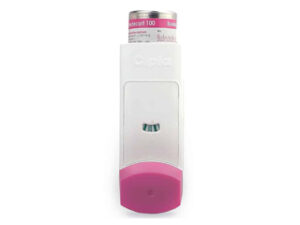
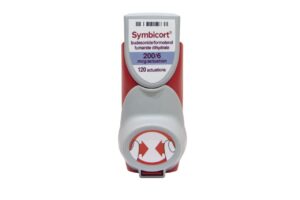
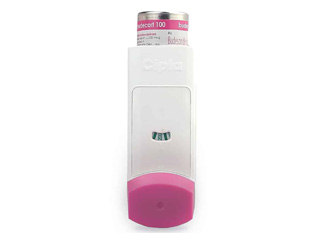
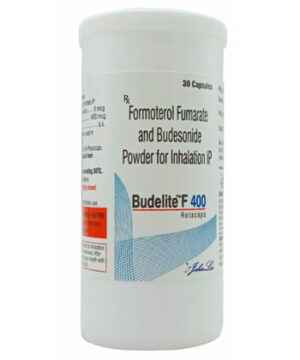
- How it’s taken: Inhalation into the lungs using a metered-dose inhaler (MDI) or dry powder inhaler (DPI), depending on the product
- Therapeutic class: Anti-inflammatory corticosteroid
- Who it’s for: People requiring control of airway inflammation, especially in asthma; sometimes for specific inflammatory airway conditions as advised
Note: Budesonide inhalers come in different strengths and devices. Check the label on your particular product to confirm the dose per puff/blister and the instructions for your device type.
2. What budesonide does (mechanism of action)
Budesonide is a corticosteroid that targets inflammation in the airways. In asthma and other inflammatory airway conditions, ongoing inflammation can cause:
- Airway swelling
- Increased mucus production
- Greater airway “reactivity” to triggers (like allergens, smoke, cold air, or exercise)
After inhalation, budesonide reduces inflammatory signalling and the release of inflammatory chemicals. It helps:
- Reduce airway inflammation
- Improve airflow over time
- Decrease symptoms and flare-ups when used regularly
- Reduce the need for reliever medicine in many patients
Key point: Because budesonide works by reducing inflammation, it usually takes time to build benefit. It is not a fast “reliever” for sudden breathlessness.
3. Pharmacokinetics (how the body handles budesonide)
Pharmacokinetics describes what happens to a medicine after it’s taken. For inhaled budesonide, important features include:
- Absorption: A portion deposits in the lungs and is absorbed through airway tissue. Some may be swallowed with saliva.
- First-pass metabolism: If swallowed, budesonide is extensively metabolised in the liver (often described as “first-pass” metabolism).
- Elimination: Budesonide and its metabolites are mainly cleared through the body’s metabolic pathways and eliminated largely via the kidneys and/or bile depending on the specific metabolite profile.
- Local effect: The therapeutic action depends largely on local anti-inflammatory activity in the airways.
Why this matters for patients: Even if some of the inhaled dose is swallowed, inhaled budesonide still works effectively because the medicine’s main target is airway inflammation.
4. Typical use (what it’s used for)
Budesonide inhalers are used to treat and prevent symptoms caused by airway inflammation. In Australia, budesonide inhalers are most commonly used in:
- Asthma (maintenance/controller therapy): to prevent symptoms and reduce risk of exacerbations.
- Chronic inflammatory airway conditions as advised by your clinician (the exact indication depends on the product and your diagnosis).
Not for emergencies: Budesonide inhalers are generally not intended to treat sudden acute attacks. A separate reliever inhaler (often a short-acting bronchodilator) is usually used for immediate relief, as directed by your asthma plan.
5. When and how to take it (timing and routine)
Regular use is essential
Budesonide works best when taken consistently. Many patients notice improvement gradually over days, but the full effect can take longer.
Typical timing
- Once or twice daily: depends on your prescription, asthma severity, and the device/strength.
- Try to use at the same times each day to build routine (for example, morning and evening).
- Don’t stop suddenly unless advised—stopping controller therapy may increase the chance of symptoms returning.
Consistency with your inhalation device
Your device type (MDI vs DPI vs spacer combination) affects technique. Poor technique may reduce lung deposition and lower effectiveness.
- If you use an MDI, a spacer is often recommended to improve delivery to the lungs.
- If you use a DPI, you must inhale firmly and deeply through the device as instructed (breathing technique is critical).
6. Food interactions
Because budesonide is delivered by inhalation and acts locally in the lungs, there are generally no specific food interactions that require changes to diet. However:
- Rinse after use: It’s usually recommended to rinse your mouth and spit after inhalation to reduce the risk of mouth/throat side effects (such as oral thrush or hoarseness).
- If your product instructions advise it, you may also consider whether eating immediately after a dose affects comfort—generally the main practical step is rinsing, not food restriction.
Tip: Establish a simple routine: inhaler → rinse/gargle → spit (repeat as directed) → then eat/drink as normal.
7. Alcohol and medicine interactions
Alcohol
There are typically no direct alcohol–budesonide interactions that require avoiding alcohol. However, consider the broader context:
- Alcohol can worsen reflux or sleep quality for some people, potentially affecting breathing symptoms.
- Frequent heavy alcohol use can affect overall health and immunity, which may matter when using corticosteroids.
Practical approach: If you choose to drink alcohol, do so moderately and monitor how it affects your asthma symptoms.
Medicines that may interact
Budesonide is metabolised mainly by liver enzymes (commonly CYP3A4). Medicines that affect these enzymes may change budesonide levels.
Examples of medicine interaction considerations include:
- CYP3A4 inhibitors (can increase budesonide exposure): some antifungal medicines (e.g., certain azoles), some antibiotics, and some HIV medicines.
- Systemic corticosteroids (prednisolone, etc.): together with inhaled budesonide may increase total steroid exposure.
- Other asthma controllers (e.g., combination inhalers containing budesonide and formoterol or salbutamol): follow the combined product instructions.
- Medicines for fungal infections and certain immune-modulating therapies: your clinician may adjust monitoring or dose.
Always tell your pharmacist/doctor about all medicines you use, including over-the-counter products, herbal supplements, and eye/skin drops. Even “routine” meds may affect steroid metabolism or immune function.
8. Indications (when it may be recommended)
Clinicians typically recommend budesonide inhalers for:
- Prevention and long-term control of asthma symptoms
- Reducing exacerbation risk (as part of a prevention plan)
- Maintaining control after a period of instability
Your individual diagnosis and severity determine the exact regimen (dose and frequency). In Australia, asthma care commonly follows evidence-based guidelines that emphasise stepwise treatment based on control and risk.
9. Dosing (how much and how often)
Dosing depends on your age, condition, symptom control, and the specific inhaler strength/device. Always follow the instructions on your product and your personal plan.
General dosing principles
- Start dose: based on your asthma severity and prior treatment.
- Maintenance: continued regularly to maintain control.
- Adjustments: may be made if symptoms are not controlled or if doses can safely be reduced once control is stable.
- Use of reliever: follow your written asthma action plan for rescue medication.
Typical adult/child dosing (overview)
Because formulations differ, the safest way to confirm dose is to check your inhaler’s label and CMI. Below is an example-style overview (not a substitute for your specific product instructions):
- Children often receive lower total daily doses depending on age and device.
- Adults may use low to medium doses as maintenance therapy, sometimes with a combination inhaler depending on control.
For exact numbers (puffs/blisters and frequency), use the product you have.
10. Safety profile (what to watch for)
Budesonide inhalers are widely used and generally well tolerated. However, inhaled corticosteroids can cause side effects, especially if technique leads to more medicine depositing in the mouth/throat.
Common local side effects
- Hoarseness (dysphonia)
- Sore throat
- Oral thrush (oral candidiasis)
How to reduce local side effects
- Rinse your mouth and spit after each dose.
- Use a spacer with an MDI if recommended for your product/device.
- Ensure correct inhaler technique.
Potential systemic effects (less common, depends on dose)
With higher doses and/or long-term use, inhaled steroids can have systemic effects. These are less likely at appropriate inhaled doses but are important to understand:
- Adrenal suppression (rare at typical inhaled doses, but risk increases with high dose or additional steroid exposure)
- Bone effects (especially if total steroid exposure is high or alongside other steroid use)
- Eye effects such as cataracts or glaucoma in some cases
- Growth effects in children (monitoring is advised for paediatric patients on long-term ICS)
Seek medical advice urgently if
- You experience severe wheezing, chest tightness, or breathlessness that doesn’t improve with your reliever
- Symptoms suggest a serious allergic reaction
- You develop signs of infection such as fever with worsening throat pain or extensive oral thrush
11. Practical use tips (to get the best results)
1) Use the correct technique
- MDI: coordination (pressing and inhaling at the same time) is key. A spacer can make this easier and improve delivery.
- DPI: breathe in fast and deeply through the device (don’t blow into it—follow instructions).
2) Don’t forget the mouth rinse
Rinsing your mouth after each dose helps reduce thrush and hoarseness. This is one of the most practical steps you can take.
3) Track your symptoms and reliever use
Many people find it helpful to note:
- Night-time symptoms
- Exercise limitation
- Number of reliever doses needed
These indicators can help your clinician assess whether your controller dose is appropriate.
4) Keep your inhaler accessible
- Store as directed by the manufacturer (avoid extreme heat/cold).
- Check expiry dates and whether the device indicates remaining doses.
5) Refill early
Running out of controller medicine can lead to loss of asthma control. Consider setting reminders.
12. Alternative options (other ways to control airway inflammation)
Your clinician may choose different controller therapies based on symptom severity, age, and personal factors. Alternatives and options may include:
- Other inhaled corticosteroids (different molecules within the same class)
- Combination inhalers (ICS + long-acting bronchodilator) for people needing stronger control
- Leukotriene receptor antagonists (for certain asthma patterns—effectiveness varies by person)
- Biologic therapies for selected patients with severe asthma (specialist assessment required)
Note: Switching medicines should be done with medical guidance to ensure dose equivalence and appropriate device technique.
13. Market & legal context for Australia
In Australia, inhaled medicines including budesonide are supplied through the healthcare system with consumer medicine information (CMI) available from the manufacturer. Supply requirements depend on the specific product and regulatory schedule.
Key points for the Australian market:
- Australian product labelling provides device-specific instructions and dosing details.
- Pharmacists play an important role in helping you select the correct device, review technique, and check interactions.
- Asthma management often uses action plans (including when to step up or seek urgent care).
Recent guidance (general themes): Australian and international asthma guidance has emphasised regular controller use, correct inhaler technique, addressing modifiable risk factors (like smoking/vaping, poor adherence, and uncontrolled rhinitis), and reviewing treatment steps when control changes.
14. Delivery and availability (online pharmacy)
Budesonide inhalers are commonly available through pharmacies in Australia and may be supplied online. Availability can vary by brand, strength, and device type.
- Delivery: Most online pharmacies offer home delivery across Australia. Delivery times depend on location and stock status.
- Stock updates: If a specific strength/device is out of stock, you may be offered an alternative equivalent brand or another strength (subject to product availability and pharmacy policy).
- Packaging: Inhalers are typically dispatched in original packaging, including the CMI or patient information.
When ordering, double-check the brand/device type (MDI vs DPI), strength, and the dose instructions printed on the label.
15. FAQ — Budesonide Inhaler
How quickly will budesonide start working?
Budesonide reduces inflammation, so improvement may be noticeable over several days. Maximum benefit is often reached after continued regular use. It is not intended for immediate relief during a sudden asthma attack.
Do I need to rinse my mouth after using it?
Yes—rinsing your mouth and spitting after each dose is commonly recommended to reduce the risk of thrush and hoarseness.
What if I accidentally miss a dose?
Use it as soon as you remember unless it’s close to the time for the next dose. Don’t double up. Follow your product instructions or speak to your pharmacist for advice.
Can I use budesonide if I’m feeling wheezy right now?
If you’re actively wheezing or having sudden symptoms, you’ll usually need your reliever medication according to your action plan. Budesonide is a controller and is not designed for rapid symptom relief.
Is budesonide safe for children?
Inhaled corticosteroids are commonly used in children for asthma control. Dosing is age-appropriate and tailored to the child’s severity. Growth and development are monitored as part of routine asthma care.
Can budesonide affect hormones or the adrenal glands?
At typical inhaled doses, this is less likely, but risk can increase with higher doses or prolonged use—especially if other steroid medicines are also taken. If you have concerns, discuss them with your clinician.
Are there foods I should avoid?
There are generally no specific food restrictions. The main practical step is rinsing your mouth after inhalation.
Can I drink alcohol while using budesonide?
There are usually no direct alcohol–budesonide interactions, but alcohol can worsen breathing symptoms for some people indirectly (e.g., reflux, sleep). Moderate intake and symptom monitoring are sensible.
What drug interactions should I tell my pharmacist about?
Tell your pharmacist about all medicines you use, especially antifungals and antibiotics, HIV medicines, other corticosteroids, and any long-term treatments. Budesonide is metabolised in the liver, and some medicines can change its levels.
Why isn’t my inhaler helping?
Common reasons include incorrect technique, missing doses, using the wrong device type, or needing a different treatment step. Review technique with a pharmacist and check adherence before assuming the medicine isn’t working.
Can I stop budesonide once my symptoms improve?
Don’t stop suddenly without clinician guidance. Stopping controller therapy can allow inflammation to return and symptoms to flare.
16. Summary
Budesonide inhalers help control asthma by reducing airway inflammation. They work best when used regularly, even when you feel well. Correct inhaler technique, consistent timing, and rinsing your mouth after each dose are key to both effectiveness and comfort.
If you have questions about your specific inhaler device, dosing schedule, or how budesonide fits into your asthma plan, your pharmacist is a great place to start.