

Singulair (Montelukast) – Patient Guide (Australia)
Singulair® (montelukast) is a medicine used to help control certain allergic and breathing conditions, particularly asthma and allergic rhinitis (hay fever). It works by blocking a natural substance in the body called leukotriene, which plays an important role in airway inflammation and allergy symptoms.
This patient-friendly guide explains how Singulair works, how it’s taken, what to expect, key safety information, and practical tips for everyday use in Australia.
Basic product information
| Item | Details |
|---|---|
| Medicine name | Singulair® |
| Active ingredient | Montelukast |
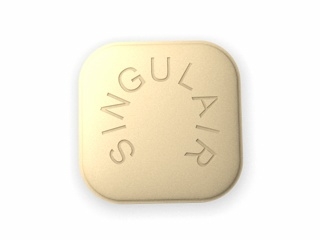
| Common strengths (varies by product) | Tablets (often 10 mg) and chewable tablets (often 4 mg/5 mg) depending on age and formulation |
| Therapeutic class | Leukotriene receptor antagonist (LTRA) |
| Typical dosing frequency | Once daily (timing often relates to symptom pattern) |
Important: Always follow the instructions on your local product packaging or those provided by your healthcare professional.
How Singulair works (mechanism of action)
Montelukast is a leukotriene receptor antagonist. Leukotrienes are chemical messengers released during allergic responses and inflammation. In the airways, they can contribute to:
- Airway narrowing (bronchoconstriction)
- Swelling and inflammation
- Increased mucus production
- Allergy-related symptoms such as sneezing and nasal congestion
By blocking leukotriene receptors (mainly the cysteinyl leukotriene receptors), Singulair helps reduce the inflammatory pathway that drives symptoms in:
- Asthma
- Allergic rhinitis (hay fever)
Note: Singulair is generally used for ongoing control of symptoms and prevention of flare-ups. It is not a “quick relief” medicine for sudden asthma attacks.
Pharmacokinetics (how the body handles montelukast)
Understanding pharmacokinetics can help you know when effects might be noticed and why timing matters.
- Absorption: Montelukast is absorbed after oral dosing. Absorption can occur whether you take it with or without food, though timing and tolerance may vary between people.
- Distribution: It distributes throughout the body, including reaching relevant tissues involved in asthma and allergy symptoms.
- Metabolism: Montelukast is metabolised mainly in the liver.
- Elimination: It is removed from the body primarily via metabolism and excretion processes.
- Half-life (general concept): Montelukast has a long duration of action, which is why it can often be taken once daily.
What this means for you: Because montelukast is a controller medicine, symptom improvement may take days to become fully apparent, especially for asthma control and seasonal allergy patterns.
Typical use in Australia (what it helps with)
Singulair is used to help manage the following conditions:
- Asthma: As an add-on option for patients with persistent asthma who are not fully controlled with other treatments, or for exercise-induced bronchoconstriction as directed.
- Allergic rhinitis (hay fever): To help relieve symptoms such as sneezing, runny nose, and itchy/watery eyes, with the aim of improving overall allergy control.
- Some patients may use it for both conditions if they have asthma and allergic rhinitis.
Your healthcare professional will determine whether Singulair fits your overall asthma/allergy management plan.
Indications (when clinicians prescribe it)
Indications can vary by age and product formulation. In general, montelukast may be used for:
- Prevention and long-term management of asthma (typically as an add-on treatment, not as the only medicine).
- Relief of allergic rhinitis symptoms (seasonal and/or perennial, depending on your clinical picture and local prescribing guidance).
- Reduction in exercise-induced bronchoconstriction symptoms in appropriate patients.
Important: Do not use Singulair to treat sudden breathing difficulty or acute asthma attacks. Have your recommended reliever medicine available for emergencies.
Dosing and timing (how to take Singulair)
Montelukast is commonly taken once daily. The exact dose depends on your age and the specific product formulation (e.g., tablets vs chewable tablets).
Typical dosing schedules (general guidance)
- Once daily in the evening: Many people are advised to take montelukast in the evening, because symptoms such as night-time asthma and morning allergy symptoms may be better controlled.
- Alternative timing: If your clinician has advised a different routine (e.g., earlier in the day), follow that schedule.
Examples of practical timing (not a substitute for your specific instructions):
- If you’re taking it for night-time asthma symptoms, evening dosing may help.
- If you’re taking it for morning allergy symptoms, taking it the evening before may be recommended.
Missed dose
If you miss a dose:
- Take it as soon as you remember unless it’s close to your next dose.
- Do not take double the dose to make up for the missed one.
How to take tablets
- Tablets: swallow with water.
- Chewable tablets: chew thoroughly before swallowing (if that formulation is prescribed for you).
If you are unsure which formulation you have, check the pack label and strength.
Food interactions (including taking with meals)
For most people, montelukast can be taken with or without food. Food does not usually prevent the medicine from working effectively.
- If you find tablets easier to tolerate with a meal, taking it with food may help reduce stomach upset.
- If you notice any nausea or discomfort, try taking it at a consistent time and with a similar meal pattern each day.
Practical tip: Keep your daily dosing routine steady. Consistency can improve long-term control of asthma and allergy symptoms.
Alcohol interactions
There is no well-known direct interaction that requires everyone to avoid alcohol completely. However:
- Alcohol can worsen some breathing symptoms for some people with asthma or allergy-related conditions.
- Alcohol may worsen sleep quality and can affect how you feel at night, which is relevant if you take the medicine in the evening.
Advice: If alcohol triggers your asthma symptoms or makes you feel worse, reduce or avoid it. If you’re unsure, ask your healthcare professional.
Medicine interactions (other medicines to consider)
Montelukast has potential for drug interactions through liver metabolism. The interaction profile may be influenced by your other medicines.
Tell your healthcare professional or pharmacist about all medicines you use, including:
- Prescription medicines
- Over-the-counter medicines
- Herbal supplements (e.g., St John’s wort)
- Frequent allergy or asthma treatments
Key points for people with asthma/allergies:
- Singulair is often used alongside inhaled corticosteroids and/or other asthma controllers. It should not replace your asthma prevention medicines unless your clinician advises otherwise.
- Ensure you understand which medicine is your controller and which is your reliever.
If you want, you can also check the product information leaflet included with your medicine for a full list of interactions.
Safety profile and important warnings
Like all medicines, Singulair can cause side effects. Most people tolerate it well. However, certain effects require careful attention.
Common side effects
- Headache
- Abdominal discomfort, nausea, or stomach upset
- Fatigue or dizziness (less commonly)
Less common or important side effects
Some people experience mood, behaviour, or sleep-related changes. If you notice any of the following, seek medical advice promptly:
- Sleep disturbances (including insomnia)
- Agitation, irritability, or aggressive behaviour
- Anxiety
- Depressed mood
- Changes in behaviour or thinking
- Trouble controlling anger
- Hallucinations, suicidal thoughts or self-harm thoughts (urgent)
Urgent advice: If you, your child, or someone you care for develops thoughts of self-harm, unusual severe mood changes, or alarming behaviour, seek urgent help immediately.
When to be extra cautious
- If you have a history of mental health conditions or have experienced mood/sleep changes with montelukast before.
- If you are monitoring a child or adolescent taking Singulair—observe for changes in sleep, mood, or behaviour.
- If you have liver problems—your clinician may consider extra monitoring.
Asthma safety note
- Do not stop or reduce your inhaled preventer medicines without medical guidance.
- Use your reliever inhaler for sudden symptoms as directed in your asthma plan.
Practical use tips (getting the best benefit)
- Take it consistently: Try to take Singulair at the same time each day to maintain control.
- Give it time: Controller benefits may build over days or weeks, especially for asthma prevention and seasonal allergies.
- Track symptoms: If you keep a brief diary (night waking, wheeze, nasal symptoms), it can help you and your clinician judge whether the medicine is working.
- Know your asthma plan: Understand which medication is for preventing symptoms and which is for quick relief.
- Watch for warning signs: If mood or sleep changes occur, contact a healthcare professional.
- Keep relievers available: Always have your recommended reliever medicine ready for asthma flare-ups.
Recent guidance and public health context (Australia)
In recent years, Australian and international safety communications have highlighted the need to monitor for neuropsychiatric effects (changes in mood, behaviour, sleep) with montelukast. Healthcare professionals and consumers have been encouraged to:
- Be aware of potential mental health and sleep-related side effects
- Seek medical advice if concerning symptoms occur
- Use montelukast appropriately based on your condition and overall treatment plan
What you should do: If you are already taking Singulair, remain alert to changes in sleep or mood, especially after starting or changing the dose. If you are considering it, discuss benefits and risks with your healthcare professional.
Delivery and availability (online pharmacy in Australia)
Singulair (montelukast) is commonly available through pharmacies across Australia, and many online pharmacies offer convenient delivery options. Availability can vary by:
- Strength and formulation (e.g., tablets vs chewables)
- Pack size
- Local supply and prescribing practices
Delivery expectations:
- Some orders are processed quickly and dispatched within business days.
- Delivery times depend on your location and courier service.
- Cold-chain delivery is generally not required for montelukast tablets, but always follow the packaging and storage instructions.
Storage: Store according to the directions on the pack (commonly at controlled room temperature, away from moisture and heat). Keep medicines out of reach of children.
Alternative options (what you may discuss with your clinician)
The best alternative depends on whether you are treating asthma, allergic rhinitis, or both. Common alternatives include:
- Inhaled corticosteroids (ICS): cornerstone treatment for persistent asthma control.
- Long-acting bronchodilators (LABA) or combination inhalers: used in certain asthma regimens.
- Antihistamines: often used for allergic rhinitis symptoms (e.g., non-drowsy options for daytime).
- Intranasal corticosteroids: frequently effective for hay fever nasal symptoms.
- Other leukotriene receptor antagonists: montelukast is the best-known option in this group; alternative LTRAs may be considered depending on availability and suitability.
Important: Don’t switch or stop medicines without guidance, especially in asthma. Changes can affect your control and risk of flare-ups.
FAQ (Frequently asked questions)
1) Is Singulair used for hay fever?
Yes. Singulair (montelukast) is used in allergic rhinitis to help relieve hay fever-type symptoms. The suitability depends on your symptom pattern and other treatments you use.
2) Does Singulair treat an asthma attack immediately?
No. Singulair is a controller medicine and is not designed for sudden relief of asthma symptoms. For acute symptoms, use your reliever inhaler (or other rescue medication) as part of your asthma action plan.
3) When will I feel better?
Some people notice improvements in allergy symptoms within days, but full benefits—particularly for asthma control—may take longer. Consistent daily use is important.
4) Can I take Singulair with food?
Yes, it can generally be taken with or without food. Choose the option that helps you remember and tolerate it comfortably.
5) Should I avoid alcohol completely?
There’s no universal requirement to avoid alcohol solely because of montelukast. However, alcohol can worsen breathing or sleep for some people. If you notice that alcohol triggers symptoms, consider reducing or avoiding it.
6) What should I do if I miss a dose?
Take it when you remember unless it’s near your next dose. Do not take a double dose.
7) Are there any important safety warnings?
Yes. Be alert for mood, behaviour, and sleep-related changes. If you or a child shows concerning symptoms, seek medical advice promptly. Urgent help is needed if there are signs of self-harm thoughts or severe mood changes.
8) Can children take Singulair?
Montelukast products exist in formulations for different age groups, including chewable options. Dosing depends on age and the specific formulation. Follow your provided instructions carefully.
9) Will Singulair replace my inhaler?
In most cases, Singulair supports asthma management but does not replace inhaled preventer medicines. Make changes only under healthcare guidance.
10) What if I stop Singulair?
Stopping may allow symptoms to return or worsen over time. If you’re considering stopping, discuss it with your healthcare professional so your asthma/allergy plan remains safe and effective.
Summary
Singulair (montelukast) is a leukotriene receptor antagonist used to help control asthma and allergic rhinitis symptoms. It works by reducing leukotriene-driven inflammation and airway effects. Most people take it once daily, often in the evening, and can generally take it with or without food.
While Singulair is generally well tolerated, it’s important to monitor for sleep and mood-related changes. If you notice concerning effects, seek medical advice promptly. For sudden asthma symptoms, always use your reliever medicine as directed in your asthma action plan.