Imiquimod (Aldara® / Zyclara® and related brands) — Patient-Friendly Guide (Australia)
Imiquimod is a topical medicine used on the skin to treat certain conditions, especially those involving abnormal or virus-related skin changes. It works by stimulating the immune system locally in the skin to help the body respond to affected areas.
This guide explains how imiquimod works, how it is used, what to expect, and key safety considerations. It is written for patients in Australia and includes practical tips, common questions, and information on availability.
1) Basic product information
- Active ingredient: Imiquimod
- Form: Cream (for skin use)
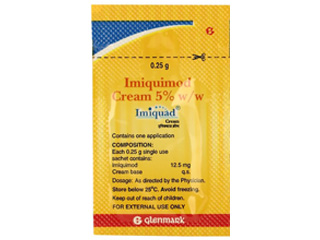
- Common strengths/brands (examples): May include 5% and 3.75% formulations depending on the product. Brand names include products such as Aldara® and Zyclara® (availability may vary).
- Manufacturer: Varies by brand and formulation
- Where it is used: Specific skin areas, depending on the indication (for example, genital, perianal, or certain skin lesions)
Important: Always use the exact product and strength you have been given, and follow the instructions provided with that brand.
2) How imiquimod works (mechanism of action)
Imiquimod is an immune response modifier. It is applied to the skin and triggers local immune signalling. The exact pathway involves activation of immune receptors in skin cells, leading to increased production of immune mediators.
- Immune activation: Helps the skin’s local immune system recognise and respond to abnormal or virus-related cells.
- Key result: Encourages release of protective signals (including interferons) that support clearance and healing of treated lesions.
- Local effect: Works primarily at the application site; it is not a systemic “whole-body” medicine.
Because it works through immune mechanisms, the appearance of the skin during treatment can change (for example, redness or irritation), and these changes can be part of the expected response.
3) Pharmacokinetics (how the body handles it)
Imiquimod is designed for topical use. Only a small amount typically enters the body when used as directed.
- Absorption: Generally low through intact skin.
- Metabolism: Once absorbed (if any), it is metabolised mainly by the body’s normal metabolic pathways.
- Elimination: Metabolites are cleared from the body, largely via renal (urine) pathways.
- Systemic exposure: Usually limited when applied correctly to small areas.
Absorption may increase if you apply it to larger areas, use it more frequently than recommended, cover it with occlusive dressings, or apply it to broken/irritated skin.
4) Typical uses and indications
Imiquimod is used for specific skin conditions. The indication depends on the product strength and the body area.
Common indications include:
- External genital warts (including some perianal/adjacent areas depending on product labeling)
- Actinic keratosis (solar keratosis) — abnormal skin growth linked to sun damage, usually on the face/scalp or other sun-exposed areas
- Superficial basal cell carcinoma in selected cases where topical therapy is appropriate (depending on product/strength and local guidance)
Product labels and clinical protocols differ by formulation. Your treating clinician will choose the most suitable option for your diagnosis.
5) Dosing: how to use imiquimod
Always follow the instructions provided with your specific product and strength. Dosing schedules can vary (e.g., frequency per week and duration).
General dosing principles
- Apply a thin layer to the affected area only (unless your product instructions say otherwise).
- Wash hands before and after applying.
- Apply at the recommended time of day (often at night).
- Leave on for the recommended duration, then wash off (unless instructed differently).
Example dosing schedules (illustrative—confirm your exact instructions)
| Condition (example) | Typical schedule | Where to apply | Common “wash-off” timing |
|---|---|---|---|
| External genital warts | Often several times per week for a defined course | Skin over warts only (follow product guidance) | Leave overnight, then wash off the next morning |
| Actinic keratosis | Typically once daily on set days per week for a number of weeks | Lesion area as directed | Wash off after the set overnight period |
| Superficial basal cell carcinoma (selected cases) | Often a course several times per week for multiple weeks | Lesion area precisely | Typically overnight then wash off |
If you’d like, you can tell us which brand and strength you have (e.g., “3.75%” or “5%”) and the condition being treated, and we can help you locate the correct product label schedule—but always confirm with your healthcare professional and the packet instructions.
6) Timing and practical “step-by-step” use
Many people find it helpful to follow a consistent routine. Below is a practical approach that aligns with how imiquimod is commonly used.
Step-by-step routine
- Prepare the skin: Wash the area gently with mild soap and water, then pat dry.
- Apply a thin layer: Use a finger or disposable applicator (if recommended) to spread a thin film over the affected area.
- Leave it in place: Keep it on for the prescribed duration (often overnight).
- Wash off when due: Wash treated skin with mild soap and water at the recommended time.
- Wash your hands: After application and after washing off, wash your hands thoroughly.
What you may notice during treatment
- Redness, swelling, itching, burning or stinging
- Dryness, crusting, scabbing, or peeling
- Changes in lesion appearance as the body responds
These local reactions can be expected, but severe discomfort, spreading rash, blistering, or signs of infection should be discussed promptly with a healthcare professional.
7) Food interactions
Food interactions are not generally expected with imiquimod because it is used on the skin and systemic absorption is usually limited. There are no common dietary restrictions specifically required for topical imiquimod.
However, if you notice that your skin reactions worsen at certain times (for example, after alcohol, harsh washing, or friction), focus on topical factors and discuss concerns with your clinician.
8) Alcohol and medicine interactions
Alcohol
There is no well-established direct interaction between topical imiquimod and alcohol. That said, alcohol can contribute to dehydration or worsen inflammation in some people, which may make skin irritation feel worse.
If you experience significant redness or burning, consider limiting alcohol until your skin calms down, and avoid additional irritants during treatment.
Other medicines
Because imiquimod absorption is usually low, major systemic drug interactions are not commonly expected. Still, there are important practical interactions:
- Other topical products: Avoid applying other creams, antiseptics, or strong skincare products (especially those that can irritate skin) over treated areas unless your clinician advises otherwise.
- Sexual health products: Imiquimod may increase irritation and can affect comfort during treatment. Follow guidance related to genital warts management.
- Immunosuppressive medicines: In people who are immunosuppressed, response may be different. If you take immunosuppressants (for example, after organ transplantation), discuss suitability and monitoring.
Condoms and barrier methods (important)
For genital indications, imiquimod can potentially reduce the effectiveness of certain latex products and increase irritation. Discuss whether to use condoms and non-latex options during treatment and how long to wait after the last application (follow product guidance and clinician advice).
9) Safety profile and precautions
Like all medicines, imiquimod can cause side effects. Most are local skin reactions at the application site.
Common side effects
- Local redness (erythema)
- Swelling, irritation, burning or stinging
- Itching
- Dryness, peeling, crusting, scabbing
- Skin soreness or discomfort
Less common but important to seek medical advice
- Severe swelling, blistering, or intense pain
- Skin ulceration or signs of infection (worsening warmth, pus, fever, spreading redness)
- General allergic symptoms such as widespread rash, facial swelling, or difficulty breathing (urgent)
Who should take extra care
- Pregnancy and breastfeeding: Discuss with a clinician; topical use decisions depend on indication, area treated, and your individual risk.
- Children: Only use if specifically indicated and recommended for the patient’s age and product labeling.
- Immunosuppressed patients: Response and safety may differ.
- Open wounds or broken skin: Avoid applying unless directed; it can increase irritation and absorption.
When to stop and get help
Stop using imiquimod and contact a healthcare professional promptly if you experience severe reactions that prevent normal daily activities, spreading rash beyond the treated area, suspected infection, or any signs of a serious allergic reaction.
10) Practical use tips to improve comfort and results
- Apply to the right area only: Over-applying to surrounding skin can increase irritation without improving results.
- Use gentle skin care: Wash with mild soap and water; avoid scrubs and fragranced products on treated skin.
- Avoid friction: For genital or perianal treatment, minimise rubbing from clothing; choose loose-fitting underwear.
- Do not cover unless instructed: Occlusive dressings may increase absorption and irritation. Follow your product instructions.
- Expect “reaction” time: Some people notice the strongest irritation after several applications. Don’t assume failure—unless instructed, continue as scheduled.
- Keep track: Consider taking a photo before starting and periodically during treatment to help monitor changes.
- Do not share: Do not use on others’ lesions.
11) Alternative options
The best alternative depends on the condition being treated. Options may include other topical treatments, procedural approaches, or supportive care.
Examples of alternatives (discuss with a clinician)
- For actinic keratosis: Other topical agents, cryotherapy, photodynamic therapy, or field therapy approaches.
- For genital warts: Other topical therapies, cryotherapy, or procedural removal.
- For superficial basal cell carcinoma: Surgical options, radiotherapy, photodynamic therapy, or other topical regimens depending on suitability.
Factors that influence choice include lesion size and location, your skin type, prior treatments, expected side effects, and convenience of treatment schedules.
12) Imiquimod in Australia: market and legal context
In Australia, availability and classification of topical medicines depend on the brand, strength, and the indications listed on the product. Some imiquimod products may be supplied through specific channels and may have additional pharmacist or clinician guidance.
- Consumer safety and labelling: Australian product labels provide instructions for appropriate use, warnings, and maximum treatment durations.
- Regulatory oversight: Medicines are regulated through the Australian healthcare system, with changes in product information and guidance communicated through appropriate channels.
- Prescribing authority varies by product: Access pathways can differ by indication and formulation (always confirm based on the exact product you’re using).
If you are buying online, ensure you receive the correct product strength and that the label clearly matches the condition you are treating.
13) Recent guidance and practical expectations
Clinical guidance for imiquimod may be updated over time as new evidence becomes available or as product labelling changes. In general, key themes in modern use are:
- Clear diagnosis: Confirm the condition before starting, especially for keratoses and skin cancers.
- Adherence to schedule: Using the correct frequency and duration affects outcomes.
- Managing local skin reactions: Treatment is often continued with supportive care unless reactions become intolerable.
- Follow-up: Lesions should be reassessed after the full treatment course; persistent or changing lesions require review.
If you have questions about whether your lesion looks “typical” for treatment response, it’s best to speak with your healthcare professional.
14) Delivery, packaging, and availability (Australia)
Online pharmacy availability may vary by brand (for example, different strengths and manufacturer packaging). When ordering imiquimod:
- Check the product name and strength
- Confirm the item is for skin use
- Storage: Store as directed on the carton (commonly at room temperature, away from heat and direct sunlight).
- Delivery timing: Delivery estimates depend on location and pharmacy dispatch schedules.
If you need your treatment to start on a particular date, place your order early and allow time for shipping.
15) FAQ
How long does imiquimod take to work?
Response timing varies by condition and treatment schedule. Many people see changes within the first few weeks, but complete clearance or healing can take longer. Follow the full course and then reassess as advised.
Is it normal for the skin to become red or sore?
Yes. Local redness, itching, burning, and crusting are common. The reaction usually reflects the medicine working locally. However, severe reactions, blistering, or signs of infection should be checked by a healthcare professional.
Can I stop early if the lesion looks better?
Do not stop early unless you are instructed to. Finishing the planned course helps reduce the chance of incomplete treatment or recurrence.
Should I cover the treated area?
Usually you should not cover treated skin with occlusive dressings unless your product instructions explicitly allow it. Covering can increase absorption and irritation.
Can I shave or use hair removal products on treated skin?
Avoid shaving, waxing, and hair removal on the treated area during treatment, because they can increase irritation and worsen skin reactions.
Can I use moisturiser during treatment?
Often gentle moisturisers may help comfort, but avoid applying them over imiquimod immediately before or after application unless your clinician or product instructions say it’s okay. Try to keep routines simple and gentle.
What if my genital area is irritated—should I change anything?
Comfort measures such as loose clothing and gentle cleansing can help. For genital conditions, follow advice about sexual activity and barrier protection during treatment. If pain or irritation is severe, speak with a clinician.
Are there food restrictions or dietary interactions?
Generally no. Because imiquimod is applied to the skin, food interactions are not typically an issue.
Can I drink alcohol while using imiquimod?
There is no known direct interaction, but alcohol may worsen irritation for some people. If you notice increased redness or discomfort, consider reducing alcohol during treatment.
When should I seek medical review?
Seek review if the lesion worsens, does not improve after completing the recommended course, appears to spread, bleeds repeatedly, or you experience intense or unusual side effects.
Summary
Imiquimod is a topical immune-activating cream used for selected skin conditions such as genital warts and certain sun-damaged or superficial skin lesions. It works by stimulating local immune responses and typically causes local skin reactions during treatment. Using the correct product strength, timing, and frequency—along with gentle skin care—helps improve comfort and treatment effectiveness. If symptoms are severe, persistent, or concerning, contact a healthcare professional promptly.