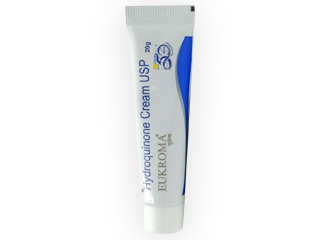
Hydroquinone (Skin Lightening Cream/Gel) — Patient Guide (Australia)
Hydroquinone is a medicine used to reduce the appearance of dark patches on the skin. It is commonly used for conditions such as melasma, post-inflammatory hyperpigmentation (dark marks after acne or skin irritation), and certain types of uneven skin tone. This guide explains how hydroquinone works, how it is used, what to expect, safety considerations, and practical tips to get the best results.
Important: Skin-lightening medicines can cause irritation and may make pigment changes worse if used incorrectly. Always follow the product directions provided by your pharmacist or the product label, and use sun protection as directed.
Basic product information
- Active ingredient: Hydroquinone
- Common dosage forms: Creams/ointments/gels (strength varies by product)
- Typical strengths you may see: e.g., 2%, 4%, 5% (availability depends on local scheduling and product type)
- How it’s used: Topical (applied to the skin)
- Where it works: In the epidermis and upper skin layers where pigment is produced
Note for Australian shoppers: Product strength, scheduling, and supply channels can vary. Some strengths may be available under different regulatory pathways than others. Your pharmacist can advise what is available and appropriate for your situation.
How hydroquinone works (mechanism of action)
Melanin is the pigment responsible for skin colour. In hyperpigmentation conditions, melanin production can be increased or spread unevenly. Hydroquinone helps reduce pigment formation through several complementary actions:
- Inhibits tyrosinase-related pathways: Hydroquinone reduces the formation of melanin by interfering with enzymatic steps involved in melanin production.
- Reduces melanocyte activity: It can suppress melanocyte function in treated areas.
- May enhance pigment breakdown: Over time, it can promote fading of existing darker pigment.
Because pigment is deepened or triggered by sun exposure and inflammation, hydroquinone often works best when combined with strict sun avoidance and protective skincare.
Pharmacokinetics (how the body processes it)
Hydroquinone is applied to the skin, and only a small amount typically absorbs through intact skin. Absorption can increase if:
- the skin barrier is damaged (e.g., eczema, cuts, aggressive exfoliation)
- the area is covered with occlusion (covered tightly)
- it is applied to large areas or more frequently than recommended
- stronger concentrations or longer courses are used
After absorption, hydroquinone is metabolised primarily in the body and then eliminated mainly through the kidneys. In practical terms for most patients, systemic exposure from topical use is generally low when used correctly; however, excessive use or compromised skin can increase exposure.
Typical uses and indications
Hydroquinone is used to improve the appearance of:
- Melasma (brown to grey patches, often on the face)
- Post-inflammatory hyperpigmentation (dark marks after acne, burns, rashes, or skin injury)
- Solar lentigines (sun spots)
- Other forms of hyperpigmentation where pigment reduction is desired (as advised by a pharmacist)
What it won’t do: Hydroquinone is not a “peel-off” product and won’t correct uneven pigment caused by conditions requiring other treatments (e.g., active eczema flares, infections, or severe hormonal triggers without addressing sun and skin inflammation).
When to expect results (timing)
Results vary depending on the type and depth of pigment, sun exposure, and how consistently you apply hydroquinone.
- First changes: often within 4–8 weeks
- More noticeable improvement: typically 8–12 weeks
- Maximum benefit: commonly after 3 months (or longer depending on clinician/product guidance)
Tip: If you see irritation, redness, or worsening pigmentation, stop and seek advice. In some people, inflammation can increase melanin production (“pigment gets darker” when the skin is irritated).
Dosing and how to apply
Follow your product label or pharmacist instructions. In general, topical hydroquinone is used as follows:
- Amount: Apply a thin layer to the affected areas (not the entire face unless specifically directed).
- Frequency: Commonly once or twice daily depending on product strength and guidance.
- Duration: Often limited to a course length (for example, several weeks to a few months) before reassessment. Avoid continuous long-term use without expert guidance.
- Stop if: Significant irritation, severe burning, swelling, or worsening discolouration occurs.
Practical application steps:
- Wash with a gentle cleanser and pat the skin dry.
- Wait until the skin is fully dry.
- Apply a thin layer to the dark patches only.
- Wash your hands after application.
- Use sunscreen in the daytime (ideally every day, including cloudy days).
Using other skincare products: If you’re also using active ingredients (e.g., retinoids, exfoliating acids, benzoyl peroxide), introduce them gradually and avoid layering strong irritants at the same time as hydroquinone unless advised.
Food interactions
Because hydroquinone is used on the skin and systemic absorption is generally low, food interactions are not a major concern. There are no well-known dietary interactions that directly affect topical hydroquinone performance.
However: If hydroquinone is causing skin irritation or you are dealing with a broader inflammatory skin condition, maintaining overall skin health (hydration, gentle skincare) may indirectly improve outcomes.
Alcohol and medicine interactions
Alcohol: There are no specific, widely recognised alcohol–hydroquinone topical interactions in everyday use. That said, alcohol may worsen skin dryness or irritation in some individuals, which can reduce treatment comfort and potentially aggravate pigmentation.
Medicines/skin treatments that may increase irritation:
- Other topical actives such as strong exfoliating acids (e.g., high-strength AHA/BHA), retinoids, or benzoyl peroxide may increase irritation if combined.
- Oily/occlusive products applied over hydroquinone can potentially increase absorption.
- “Harsh” skin routines (scrubs, waxing, aggressive exfoliation) can increase inflammation—one of the main reasons pigment can worsen.
Oral medicines: If you are taking other medicines (including those that affect skin sensitivity), discuss your medication list with your pharmacist to ensure no specific concerns based on your overall health and skin sensitivity.
Safety profile and precautions
Hydroquinone is generally well tolerated when used correctly, but side effects can occur—especially during the first days of treatment.
Common side effects
- Skin irritation (redness, dryness, burning/stinging)
- Itching
- Peeling or scaling
- Temporary increased sensitivity to sunlight
Less common but important reactions
- Allergic contact dermatitis (more intense rash, swelling, persistent itching)
- Worsening hyperpigmentation in some people—often related to overuse, irritation, or inadequate sun protection
Stop and seek advice urgently if
- you develop severe swelling, blistering, or widespread rash
- symptoms are rapidly worsening or you feel unwell
- you suspect an allergic reaction
Who should be extra cautious
- People with very sensitive skin or a history of skin reactions
- Those using other strong topical treatments
- Pregnancy and breastfeeding: hormonal and skin changes are common, and product selection may be different. Ask your pharmacist for guidance.
- Children: product suitability depends on strength and age; discuss before use.
Duration caution: Long-term continuous use without review can increase risk of adverse effects. A typical approach is to use for a limited course then reassess with skincare and sun protection strategies.
Practical use tips for better results
Hydroquinone works best when hyperpigmentation triggers are controlled. The following tips can significantly improve outcomes:
- Daily sunscreen is essential: Choose broad-spectrum protection and apply generously. Reapply if outdoors.
- Use protective clothing: Hats and shade reduce UV exposure that can reactivate pigment.
- Avoid picking or squeezing: Inflammation worsens pigment. Treat acne gently and consistently.
- Patch test: Apply to a small area first (especially if you have sensitive skin) and monitor for 24–48 hours.
- Start slowly if you’re prone to irritation: e.g., once daily or every second night for the first week, then increase if tolerated.
- Don’t “overapply”: More product doesn’t necessarily work faster and may increase irritation.
- Maintain barrier care: A bland moisturiser can reduce irritation and improve comfort.
If you get irritation: reduce frequency, moisturise, and consider pausing until the skin calms. If irritation persists, discontinue and seek professional advice.
Food interactions, sun exposure, and lifestyle considerations
While hydroquinone itself is not significantly affected by food, sun exposure is one of the strongest factors influencing outcomes. For hyperpigmentation—especially melasma—sun can cause pigment to return even after improvement.
- Use sunscreen every morning.
- Reapply if you sweat, swim, or spend extended time outdoors.
- Consider UV-protective clothing and sunglasses.
Alternative options for hyperpigmentation
If hydroquinone is not suitable or you want additional options, several other ingredient approaches may help depending on the cause of pigment and your skin type.
Common alternatives
- Azelaic acid: Helps with post-inflammatory marks and can support an even tone; generally well tolerated by many.
- Retinoids (e.g., tretinoin/retinal products): Increase cell turnover and can help uneven tone over time.
- Vitamin C (ascorbic acid): Antioxidant support that may help brighten and protect against UV-triggered pigment.
- Kojic acid and arbutin: Plant-derived or biologically related ingredients sometimes used for pigment reduction.
- Chemical exfoliants: Gentle acids can help in some cases, but can increase irritation if overused.
Which alternative is best? It depends on your diagnosis (melasma vs acne marks vs sun spots), your tolerance for irritation, and your current skincare routine. A pharmacist can help you compare products and build a gentle plan.
Market and legal context for Australia
In Australia, the availability of medicines and cosmetic actives can differ based on the active ingredient concentration, formulation, and regulatory scheduling. Hydroquinone products are subject to regulatory oversight, and the supply and allowable strengths may vary depending on the product type and classification.
What this means for you:
- Product strength and availability may differ between retailers and brands.
- Some products may be available in limited concentrations, while higher strengths may require specific pathways.
- Always check the product label for concentration, usage instructions, and warnings.
Always buy from reputable sources and avoid unlabelled or illegally imported products. Your pharmacist can help confirm what is appropriate and safe for your needs.
Recent guidance and clinical considerations (general)
Current best-practice approaches for pigment management emphasise:
- UV protection as the foundation of treatment
- Controlled, time-limited use of pigment-reducing agents rather than indefinite application
- Managing irritation promptly, since inflammation can worsen dark patches
- Realistic expectations: even with effective treatment, pigment may take weeks to months to fade and can return with sun exposure
Because melasma can be influenced by hormones and triggers, some people may benefit from combined strategies (e.g., sunscreen plus other topical agents) rather than relying on hydroquinone alone.
Delivery and availability (Australia)
Hydroquinone-containing products may be available through pharmacies and select online medicine retailers in accordance with Australian regulations. Delivery options typically include:
- Standard delivery (several business days)
- Express delivery (where offered)
- Parcel tracking and discrete packaging, depending on the provider
Availability can vary: stock levels, allowable concentrations, and product brands may change. If a specific strength is not available, your pharmacist may suggest an alternative ingredient or formulation.
Table: Quick guide to using hydroquinone
| Topic | Patient-friendly guidance |
|---|---|
| Best for | Melasma, post-inflammatory hyperpigmentation, sun spots |
| How to apply | Thin layer to dark patches after cleansing; wash hands after use |
| How often | Usually once or twice daily depending on product strength and label |
| When to see results | Often 4–8 weeks; more noticeable by 8–12 weeks; continued improvement may take ~3 months |
| Most important supportive step | Daily broad-spectrum sunscreen and sun avoidance |
| Common side effects | Dryness, redness, burning/stinging, peeling, itching |
| When to stop | Severe irritation, swelling, blistering, or worsening pigmentation due to irritation |
| Food interactions | Not a major issue for topical use |
| Alcohol | No specific interaction commonly expected; may worsen dryness/irritation in some people |
FAQ (Frequently asked questions)
1) What is hydroquinone used for?
Hydroquinone is used to reduce the appearance of dark patches and uneven skin tone, such as melasma, post-inflammatory hyperpigmentation (acne marks), and some sun spots.
2) How long does hydroquinone take to work?
Some improvement may appear in 4–8 weeks. Clearer results often take 8–12 weeks, and maximum benefit may take around 3 months, depending on the cause of pigmentation and sun exposure.
3) Can I use hydroquinone all year round?
It’s generally recommended to use hydroquinone for limited courses and reassess rather than continuous long-term use without review. Pigment can return if triggers (especially sun) remain. Ask a pharmacist for a suitable course plan for your situation.
4) Will hydroquinone make my skin lighter everywhere?
When used correctly, hydroquinone is intended for dark patches only. Overapplying or spreading it beyond the affected areas may increase irritation and could contribute to uneven tone.
5) What happens if my skin becomes irritated?
Reduce frequency or pause until irritation settles. Use a gentle moisturiser and avoid other harsh actives during recovery. If irritation is severe or persists, stop and seek advice.
6) Can I combine hydroquinone with sunscreen and moisturiser?
Sunscreen is strongly recommended. Moisturiser can help reduce dryness and irritation. If you use other active products, consider alternating them to minimise irritation.
7) Are there food interactions with hydroquinone?
For topical hydroquinone, food interactions are not generally a concern.
8) Is it safe to drink alcohol while using hydroquinone?
No specific common topical interaction is widely expected. However, alcohol may affect hydration or worsen skin dryness for some people, which can make irritation more likely.
9) Can hydroquinone be used on acne marks?
Post-inflammatory hyperpigmentation from acne can respond to hydroquinone. Success depends on controlling acne/inflammation and strict sun protection.
10) Is hydroquinone suitable for sensitive skin?
Some people tolerate hydroquinone well, while others experience irritation. Patch testing and starting slowly can improve comfort. If you have a history of contact dermatitis, consult your pharmacist first.
11) What should I do if my pigmentation looks worse?
Worsening often occurs when the skin is irritated or exposed to sun. Stop the product, reassess your sun protection, and seek advice if it doesn’t improve.
12) Can I use hydroquinone with other skin treatments?
Some combinations may be possible, but many active ingredients can increase irritation. It’s best to build a routine gradually and discuss your specific products with a pharmacist.
Disclaimer: This information is for general education and does not replace advice from a healthcare professional. If you have concerns about your skin condition, pregnancy/breastfeeding status, or other medical treatments, speak with your pharmacist before using hydroquinone.