Efudex (Fluorouracil) Cream — Patient Guide (Australia)
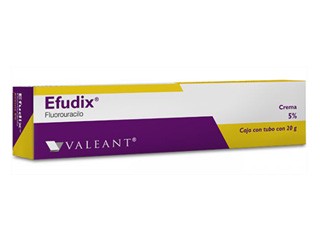
Efudex is a topical medicine containing fluorouracil (also called 5-fluorouracil or 5-FU). It is used to treat certain skin conditions by slowing or stopping the growth of fast-dividing abnormal skin cells.
This guide explains what Efudex is, how it works, how to use it safely, what to expect during treatment, and how to manage common side effects. It is written for people in Australia and includes practical information about availability and delivery.
1) Basic product information
- Medicine: Efudex (fluorouracil; commonly “5-FU”)
- Dosage form: Topical cream
- What it’s used for: Selected pre-cancerous and cancerous skin lesions (as advised by a clinician)
- How it is applied: To affected areas of skin only
- Common brand availability: Effudex is known in many countries; local availability may vary
If you are unsure about the exact strength (for example, mg/g) of the cream you have, check the pack label and the Consumer Medicine Information (CMI) supplied with your product.
2) How Efudex works (mechanism of action)
Efudex works by targeting cells that are actively dividing. Fluorouracil is a “pyrimidine analogue” that interferes with DNA and RNA production—so abnormal cells cannot replicate and spread.
- DNA/RNA disruption: Fluorouracil is converted in cells to active forms that disturb normal nucleic acid processing.
- Selective impact on abnormal growth: Cancerous or pre-cancerous skin cells typically divide faster than surrounding normal skin, which helps Efudex reduce the lesion over time.
- Inflammation and visible treatment response: A strong local skin reaction is a common feature of effective therapy; this is not always “harm,” but it must be monitored.
3) Pharmacokinetics (what the body does with it)
With topical treatment, only a limited amount of fluorouracil is absorbed through intact skin. Absorption can increase if the treatment area is irritated, ulcerated, or covered.
- Absorption: Generally low through healthy skin; higher when skin barrier is damaged.
- Distribution: Any absorbed drug distributes in the body tissues; systemic exposure is usually limited with correct topical use.
- Metabolism: Fluorouracil is metabolised by the body (primarily in the liver).
- Elimination: Metabolites are excreted mainly via the kidneys.
Because Efudex is applied locally, most people will experience effects mainly in the treated skin area. Rare systemic effects can occur, especially if large areas are treated, occlusive dressings are used, or application is prolonged.
4) Typical uses and indications in Australia
Efudex is used for specific skin conditions, particularly those involving abnormal cells that may progress to skin cancer. The exact indication and treatment plan depend on the lesion type, location, size, and your overall health.
In practical terms, Efudex may be used for:
- Actinic keratoses (solar keratoses) — rough or scaly patches caused by long-term sun exposure
- Superficial skin cancers or pre-cancerous lesions — when topical chemotherapy is an appropriate option
- Other dermatology-guided uses — depending on clinical assessment
Important: Efudex is intended for selected skin lesions. Do not use it for undiagnosed bumps, open sores, or lesions that may be caused by infection or a different skin problem. A clinician should assess your skin before starting.
5) When and how to time treatment
Efudex is usually applied in treatment cycles over a set period. Common regimens may include daily application for several weeks, but the exact schedule depends on the condition and the product strength.
Practical timing points:
- Start date: Begin when you can commit to regular application and post-treatment skin care.
- Time of day: Choose a time you can repeat consistently (for example, evening) and follow your instruction plan.
- Duration: Continue for the advised number of days/weeks—even if irritation increases—unless you are instructed to stop due to severe reaction.
- Course interruption: If blistering, severe pain, or infection signs occur, you may need to pause or seek advice.
Sun protection is essential during therapy and afterwards, as treated skin is more sensitive.
6) Food interactions
Efudex is a topical medicine. Food interactions are generally not a major concern for most people. The main interactions to consider are medicines and skin care products applied to or near the treatment area.
Still, it’s a good idea to:
- Keep your diet and hydration steady during treatment.
- Avoid extreme alcohol intake and dehydration if your skin becomes very inflamed (comfort and general health matter).
7) Alcohol and medicine interactions
Alcohol
There is no widely established direct interaction between alcohol and topical fluorouracil. However, alcohol can:
- Increase dehydration and worsen general well-being
- Potentially worsen tolerability of side effects for some people (e.g., fatigue, mouth irritation if it occurs)
For safety, it’s sensible to keep alcohol moderate and to stop/avoid if you notice your symptoms worsen.
Medicine interactions
Because topical Efudex typically has limited systemic absorption, many drug interactions are less likely than with oral chemotherapy. Still, interactions can matter—especially when combined with other skin treatments or therapies that affect the immune system or skin barrier.
Tell your healthcare professional if you use any of the following (examples):
- Other topical treatments on the same area (e.g., retinoids, other creams for acne, peeling agents)
- Radiotherapy to the skin region
- Immunosuppressive medicines (for example, after transplant or for immune conditions)
- Medicines that affect bone marrow or immune function (rarely relevant but important to mention)
- Warfarin (anticoagulant) — discuss because some chemotherapy-type drugs can affect blood clotting in certain situations
Also consider interactions with skin products such as strong cleansers, exfoliants, or occlusive dressings—these can increase irritation and absorption.
8) Dosing and practical application (how to use Efudex)
Efudex dosing depends on your diagnosis and skin area. Always follow the instructions provided with your specific product and treatment plan.
General application principles for topical fluorouracil include:
- Use a thin layer over the affected area only (avoid spreading to healthy surrounding skin unless directed).
- Wash hands before and after applying.
- Let it dry before covering the area with clothing.
- Do not bandage or occlude unless advised. Occlusion can increase irritation and absorption.
- Be consistent with your schedule (e.g., once daily) if instructed.
Example “step-by-step” routine
- Prepare the skin: Gently clean the area with mild soap and water (or as instructed), then pat dry.
- Apply carefully: Use a small amount of cream and spread thinly over the lesion(s).
- Avoid sensitive contact: Keep away from eyes, lips, nostrils, and genitals unless specifically directed.
- Aftercare: Use moisturisers or barrier products only if approved for your treatment plan. Do not apply other medicated creams unless advised.
Missed dose: If you forget an application, apply it when you remember unless it is close to the next dose. Do not double up.
9) What to expect during treatment
Efudex commonly causes a predictable local reaction as abnormal cells are targeted. This reaction may include:
- Redness and swelling
- Burning, itching, or stinging
- Scaling, crusting, and peeling
- Blistering or weeping in stronger responses
- Changes in lesion appearance before it improves
Contact your clinician promptly if you develop:
- Severe pain
- Signs of infection (worsening redness spreading beyond the area, pus, fever)
- Large open sores or uncontrolled bleeding
- Eye involvement (redness, pain, discharge)
10) Safety profile and side effects
Most side effects are local and related to the treatment area. Systemic side effects are uncommon with proper topical use, but they can occur—particularly when large areas are treated or skin barrier is heavily damaged.
Common local side effects
- Skin redness (erythema)
- Irritation, burning sensation, or discomfort
- Dryness, scaling, and crusting
- Swelling
- Blistering or ulceration (more intense courses)
Less common but important to watch for
- Severe dermatitis or widespread rash
- Infected skin (rare)
- Difficulty tolerating the treatment due to pain or extensive irritation
Seek urgent help if
- Breathing difficulties or facial/lip swelling (possible allergic reaction)
- Severe blistering with rapidly worsening symptoms
- High fever or signs of serious infection
Children and adolescents: Efudex is generally not used unless specifically directed for an appropriate diagnosis and supervised by a clinician.
Pregnancy and breastfeeding: Fluorouracil is a medicine that can be harmful in pregnancy, so pregnancy status should be discussed with a clinician before starting. Breastfeeding decisions should also be discussed.
11) Practical use tips (comfort and safety)
- Use gentle skin care: Avoid harsh soaps, scrubs, exfoliating acids, and strong fragranced products on the treated area.
- Protect from sun: Treated skin is more sensitive. Use clothing and broad-spectrum sunscreen once the area is safe to apply sunscreen (avoid getting cream into sunscreen or vice versa).
- Hands hygiene: Wash hands thoroughly after application to prevent accidental transfer (especially to eyes and mucous membranes).
- Clothing choice: Wear loose, breathable clothing to reduce friction and discomfort.
- Moisturise appropriately: Ask your pharmacist or clinician which non-medicated moisturisers are suitable. Some people use barrier creams around (not over) treated areas to reduce discomfort.
- Don’t cover with occlusion unless told: Occlusion can intensify side effects and absorption.
- Keep an eye on the lesion: Take a photo (optional) at baseline and monitor changes so you can discuss them with your clinician.
12) Alternative treatment options
Depending on the lesion type and location, alternative options may include:
- Cryotherapy (liquid nitrogen)—freezing lesions
- Photodynamic therapy (PDT)—light-activated treatment
- Surgical excision or curettage
- Other topical therapies used for actinic keratoses or related conditions (your clinician can advise which is suitable)
Your clinician may recommend Efudex when multiple lesions are present in a wider area (field treatment), or when a topical approach fits your preferences and circumstances.
13) Market and legal context in Australia (what you should know)
Medicines in Australia are regulated under the Therapeutic Goods Administration (TGA) framework. Availability and prescribing rules depend on classification and the product’s intended use.
- Regulatory oversight: The TGA monitors approvals, labelling, and safety communications.
- Use in dermatology: Fluorouracil is a well-established treatment in skin oncology and dermatology, particularly for certain lesions.
- Product availability: Brand and formulation availability can vary by region and time.
In an online pharmacy context, you may be offered purchasing and delivery options consistent with Australian pharmacy practice, including pharmacist counselling where required.
14) Recent guidance and safety updates (how to stay current)
Treatment recommendations for actinic keratoses and superficial skin cancers can evolve based on:
- New clinical evidence comparing topical options
- Updates to product information and safety communications
- Guidance on field treatment, sun protection, and follow-up monitoring
For the most up-to-date advice, consider:
- Checking the leaflet/CMI supplied with your product
- Reviewing updates from Australian health authorities and trusted clinical sources
- Speaking to your pharmacist if you have concerns about your regimen or side effects
15) Delivery and availability in Australia
Online pharmacies in Australia typically arrange delivery to metro and regional areas, with shipping timelines depending on location and stock availability. Availability may vary because Efudex products can be subject to supply changes.
When ordering, you can usually expect:
- Packaging: Sealed product with dosing instructions and consumer information
- Shipping: Trackable delivery options (when available)
- Storage: Store according to the label—keep in a safe place away from heat and sunlight
If you cannot find Efudex in stock, your pharmacy may suggest:
- Checking nearby suppliers
- A suitable alternative topical option
- A different formulation or strength if clinically appropriate
16) Efudex FAQ
How long does it take to see results?
Many people notice changes within the first couple of weeks due to local inflammation (redness, scaling, crusting). The treated area typically heals more gradually after the course ends. Exact timing varies by diagnosis and skin response.
Will my skin look worse before it gets better?
Yes. Efudex commonly causes an “active treatment reaction” that may look worse than before—such as redness, peeling, and sometimes blistering. This does not always mean treatment failure, but severe reactions should be discussed with a clinician or pharmacist.
Can I apply moisturiser or protective cream?
Often, gentle moisturisers can improve comfort. However, some products can interfere with treatment or increase irritation. Ask your pharmacist which products are suitable, and avoid applying medicated creams unless advised.
Can I cover the area with a dressing?
Dressings are sometimes used for comfort and to reduce friction, but occlusive coverage can increase absorption and irritation. Use only what your clinician recommends.
What should I avoid during treatment?
Avoid:
- Strong exfoliants and harsh skincare on the treated area
- Excess sun exposure (use protective clothing and approved sunscreen once appropriate)
- Getting the cream into eyes, mouth, or genital areas
- Occlusive coverings unless advised
Can I shave or use hair removal products on the area?
It’s best to avoid shaving or hair removal over actively treated, irritated skin. This may increase irritation and risk of infection. Ask for personalised advice based on the location.
Can I wear makeup or sunscreen over the treated skin?
Sunscreen may be needed but should be used carefully. During intense inflammation, the skin barrier may be damaged. Apply only after it is appropriate for your skin stage, and avoid rubbing or scrubbing.
Is Efudex safe for long-term use?
Efudex is usually used as a course for a specific lesion or field of lesions, rather than repeatedly over long periods without reassessment. Follow your clinician’s plan and attend follow-up review.
What if I get severe blistering or an open sore?
Pause application and contact your clinician or pharmacist promptly for guidance. Severe reactions can occur, but they should be assessed—especially if there are signs of infection.
Can I use Efudex with other topical treatments?
Do not apply other topical medicines on the same area unless you have been told to. Combining products can intensify irritation.
17) Summary
Efudex (fluorouracil) is a topical medicine used to treat selected skin lesions by interfering with DNA/RNA processes in fast-dividing abnormal cells. While local skin reactions are common, the goal is an effective response with manageable discomfort. Success depends on using the cream as directed, protecting treated skin from the sun, and seeking help if side effects become severe or show signs of infection.
If you have questions about your specific treatment plan, side effects, or product availability, contact your pharmacist or healthcare professional for Australia-specific guidance.