
Ketorolac: Uses, How It Works, Safety, and Practical Guidance (Australia)
Ketorolac is a strong anti-inflammatory pain medicine from the group of medicines known as NSAIDs (non-steroidal anti-inflammatory drugs). It is commonly used for short-term management of moderate to severe pain, often when rapid pain relief is needed. This guide explains what ketorolac is, how it works, how it behaves in the body, what to expect, and how to use it safely.
Important: Always follow the advice on your medicine label and any instructions provided by your healthcare professional. The information below is general and cannot replace individual medical advice.
1) Basic product information
Generic name: Ketorolac (commonly ketorolac trometamol in certain formulations)
Medicine type: NSAID (non-steroidal anti-inflammatory drug)
Common forms (availability may vary): Tablets, oral drops/solution in some settings, and injection in hospital/clinical use.
Typical role: Short-term pain relief for moderate to severe pain.
In Australia, ketorolac is regulated and dispensed according to product type and local rules. Availability and brand names can vary by supplier.
2) How ketorolac works (mechanism of action)
Ketorolac reduces pain, inflammation, and fever by inhibiting enzymes called COX-1 and COX-2 (cyclo-oxygenase enzymes). These enzymes help produce substances known as prostaglandins, which contribute to pain signalling and inflammatory responses.
- Lower prostaglandins → less pain and inflammation.
- Strong analgesic effect → useful for short-term, moderate to severe pain.
- NSAID class effects → includes risks to the stomach, kidneys, and bleeding tendency in some people.
3) Pharmacokinetics: what the body does to ketorolac
Pharmacokinetics describes how the medicine is absorbed, distributed, metabolised, and eliminated. While exact values can vary by formulation and individual factors, the following provides a practical overview.
| Step | What typically happens |
|---|---|
| Absorption | Oral ketorolac is absorbed through the gastrointestinal tract. After dosing, pain relief may begin within about 30–60 minutes (timing depends on formulation and the presence of food). |
| Distribution | Ketorolac distributes widely in the body. It is moderately to highly protein-bound, which influences interactions with other medicines. |
| Metabolism | Ketorolac is metabolised primarily in the liver to inactive or less active metabolites. |
| Elimination | Metabolites are mainly eliminated via the kidneys. This is why kidney function matters for safe use. |
| Half-life | The elimination half-life is commonly around several hours. Clinical use is often limited to short durations to reduce risk. |
Why pharmacokinetics matters for safety: because kidney and liver function affect how ketorolac is processed, the medicine may be unsuitable or require dose adjustments in some people, including older adults and those with existing medical conditions.
4) Typical use and indications
Ketorolac is used to manage moderate to severe pain for a limited period. It may be used in:
- Short-term treatment of acute pain (for example, post-operative pain or other acute painful conditions).
- Situations where a non-opioid NSAID with strong analgesic effect is appropriate.
- Clinical settings where rapid onset is needed, sometimes as part of pain management plans.
Ketorolac may not be appropriate for long-term use. Long-term NSAID therapy can increase risks such as stomach ulcers and kidney problems. Your clinician will consider your risk factors and the goal of keeping treatment short.
5) When and how to take ketorolac (timing)
The exact timing and dose depend on the formulation and your individual instructions. As a general patient-friendly guide:
- Start time: Many people begin to feel pain relief within about 30–60 minutes after oral dosing.
- Spacing doses: Take doses at the interval stated on the label/instructions. Do not take more frequently than advised.
- Use duration: Ketorolac is typically used for short-term pain relief. Do not extend beyond the advised period.
- Stop if instructed: If symptoms improve, follow guidance on whether to stop early or switch to another pain reliever.
If you miss a dose, take it when you remember unless it is close to the time for the next dose. In that case, skip the missed dose. Avoid double dosing.
6) Food interactions and what to eat/drink
Food may affect how quickly ketorolac is absorbed, but it does not usually reduce overall effectiveness dramatically. For some people, taking ketorolac with food can reduce stomach irritation.
- With food: may help reduce nausea or stomach discomfort.
- On an empty stomach: may lead to faster absorption for some individuals but may increase gastrointestinal side effects.
- Hydration matters: drink adequate water, especially if you are otherwise at risk of dehydration (for example, during illness).
If your medicine label instructs you to take ketorolac with meals, follow that direction.
7) Alcohol and medicine interactions
Combining ketorolac with alcohol can increase the risk of stomach bleeding and irritation. For safety, it is generally recommended to avoid alcohol while taking ketorolac, especially if you have a history of ulcers or gastrointestinal bleeding.
Key medicine interactions (NSAID-related risks)
Ketorolac can interact with many medicines. Some combinations raise bleeding risk, kidney strain, or reduce control of chronic conditions. Below are common interaction categories to discuss with your healthcare professional or pharmacist:
- Other NSAIDs (e.g., ibuprofen, naproxen, diclofenac, aspirin at anti-inflammatory doses): increased risk of stomach bleeding and kidney injury.
- Blood thinners (anticoagulants), including warfarin and other agents: increased bleeding risk.
- Antiplatelet medicines (e.g., clopidogrel): increased bleeding risk.
- Selective serotonin reuptake inhibitors (SSRIs) or other antidepressants affecting serotonin: may increase risk of GI bleeding.
- Diuretics (“water tablets”) and blood pressure medicines (ACE inhibitors, ARBs): NSAID use can strain kidneys, particularly if dehydrated.
- Corticosteroids: higher risk of gastrointestinal ulcers/bleeding.
- Lithium: NSAIDs can increase lithium levels, raising toxicity risk.
- Some medicines for epilepsy (e.g., certain agents): potential interaction via metabolism.
- Methotrexate: NSAIDs can increase methotrexate levels and toxicity risk.
- Probenecid (gout): can increase NSAID levels.
Always tell your pharmacist about all medicines, including over-the-counter products, herbal supplements, and vitamins. This includes medicines taken “occasionally” for pain or cold/flu preparations—many contain NSAIDs or aspirin.
What to avoid specifically
- Avoid combining with other NSAIDs unless your clinician explicitly advises it.
- Avoid aspirin for pain relief if you are using ketorolac, unless instructed for a specific reason.
- Avoid alcohol during treatment when possible.
8) Dosing: general guidance and safety limits
Dosing varies by age, weight, kidney function, and formulation. Follow your label or clinician’s instructions. Ketorolac dosing in practice is often limited to reduce the likelihood of serious side effects.
Typical approach (patient-friendly)
- Use the lowest effective dose for the shortest possible time.
- Do not exceed maximum daily dose stated for your specific product.
- Do not combine with other NSAIDs.
- Older adults and people with kidney impairment often need more cautious dosing and monitoring.
If you are unsure about your dose schedule, check the packaging or ask a pharmacist. Providing the exact dose details depends on the strength (mg), formulation, and local product instructions.
Overdose risk (seek help urgently)
Taking too much ketorolac increases the risk of serious harm, including kidney injury, bleeding, and severe stomach irritation. If you suspect an overdose, contact emergency services or a poison information service immediately.
9) Safety profile: who should be cautious
Ketorolac is effective for pain, but it has a safety profile typical of stronger NSAIDs. The most important risks include gastrointestinal bleeding, kidney problems, and increased bleeding tendency.
People who may be at higher risk
- History of stomach ulcers or GI bleeding
- Significant kidney disease or reduced kidney function
- Dehydration (for example, vomiting, diarrhoea, poor fluid intake)
- Older age or frailty
- Use of medicines that increase bleeding risk (e.g., anticoagulants, antiplatelets, corticosteroids, SSRIs)
- Allergy or intolerance to NSAIDs
- Uncontrolled blood pressure or certain heart conditions (your clinician will advise)
Common side effects
- Stomach upset, indigestion, nausea
- Heartburn
- Headache or dizziness
- Swelling or fluid retention (less common)
Serious warning signs (seek urgent medical care)
- Black, tarry stools or vomiting blood
- Severe stomach pain or persistent vomiting
- Signs of kidney problems: reduced urination, severe swelling, unusual fatigue
- Shortness of breath, chest pain, or sudden weakness
- Allergic reaction: swelling of face/lips, wheezing, hives
- Unexplained bruising or prolonged bleeding
If any of these occur, stop ketorolac and seek urgent medical advice.
10) Practical use tips (getting the best balance of relief and safety)
- Use it as part of a short plan: If your pain improves, ask your pharmacist or clinician about switching to a safer longer-term option such as paracetamol (where appropriate).
- Take with food if you feel stomach discomfort: This can reduce irritation for many people.
- Stay hydrated: Especially if you are ill or not eating/drinking normally.
- Check “cold and flu” products: Some contain NSAIDs or aspirin; double-dosing increases risk.
- Review your medicines: Bring a list of what you take (including supplements) when seeking advice.
- Do not exceed label directions: More is not always better with NSAIDs; risks increase quickly with higher dose.
11) Alternative options for pain relief
Depending on the type and severity of your pain, other options may be suitable. Your healthcare professional can help choose the best match based on your medical history and current medicines.
Common alternatives
- Paracetamol (acetaminophen): often used for mild to moderate pain and can be suitable for longer use, but dose limits apply.
- Other NSAIDs (e.g., ibuprofen or naproxen): may be an option in some cases; they still carry GI and kidney risks.
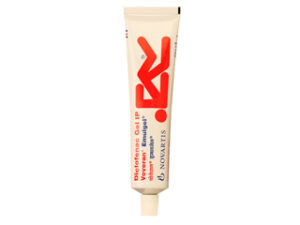
- Topical pain relief (e.g., diclofenac gel): may reduce systemic exposure for some joint and muscle pains.
- Non-medicine approaches: rest, heat/cold therapy, physiotherapy, gentle movement, and addressing the underlying cause.
Avoid switching between NSAIDs without advice—combining or overlapping can raise risk.
12) Ketorolac in Australia: market and legal context
In Australia, medicines are regulated by the Therapeutic Goods Administration (TGA). The supply of ketorolac products is subject to local scheduling requirements and pharmacy dispensing rules. Exact restrictions can vary by formulation (for example, tablet versus injection).
Online pharmacies operating in Australia typically provide medicines within the boundaries of relevant legislation, including requirements for lawful supply, correct product information, and appropriate customer screening.
Because ketorolac can have significant safety considerations, reputable suppliers may require additional information to help ensure the medicine is appropriate for the buyer’s situation.
13) Recent guidance and current clinical considerations
Clinical practice continues to emphasise that ketorolac should be used:
- Only when appropriate for the patient and pain situation.
- At the lowest effective dose.
- For the shortest possible duration to reduce serious adverse outcomes.
- With careful review of risk factors (especially gastrointestinal bleeding risk and kidney function).
- Avoided or used with extra caution in people taking interacting medicines (particularly anticoagulants, antiplatelets, corticosteroids, and SSRIs).
Guidance can evolve as new safety information becomes available. Always rely on the instructions provided with your specific product and advice from your pharmacist or clinician.
14) Delivery and availability (online pharmacy)
Availability of ketorolac products may vary by supplier and by formulation (for example, oral preparations versus injectable products used in clinical settings). If an item is not currently in stock, some online pharmacies can offer options such as:
- Alternative strengths or formulations
- Substitute products for similar pain management needs (where appropriate)
- Estimated restock times
What to expect at delivery
- Medicines are delivered in sealed packaging with product details and dosing instructions.
- Store as directed (often at room temperature, away from moisture and heat).
- Check the name and strength match what you ordered.
If you have questions about delivery timing in your area or product availability, contact the pharmacy’s support team.
15) FAQ (Frequently asked questions)
How fast does ketorolac start working?
For many people taking oral ketorolac, pain relief begins within about 30–60 minutes. Actual timing depends on formulation and whether it’s taken with food.
How long can I take ketorolac?
Ketorolac is generally used for short-term pain relief. Follow the duration specified for your product and personal plan. Do not extend beyond instructions.
Can I take ketorolac with food?
Yes, and taking it with food may reduce stomach discomfort for some people. If the label instructs “with food” or “after food,” follow that guidance.
Is it safe to drink alcohol while taking ketorolac?
It’s generally advised to avoid alcohol because both alcohol and NSAIDs can increase the risk of stomach irritation and bleeding.
Can I take ketorolac together with ibuprofen or naproxen?
Do not combine ketorolac with other NSAIDs unless your healthcare professional specifically instructs it. Overlapping NSAIDs increases risk of serious side effects.
What if I have a stomach ulcer or reflux—can I still use ketorolac?
A history of ulcers or GI bleeding can increase risk. Do not start ketorolac without medical advice if you have such history. Your pharmacist can help assess suitability.
Who should be extra careful with ketorolac?
People with kidney disease, dehydration, older adults, those on blood thinners/antiplatelets, people taking corticosteroids, and those with NSAID allergy should use extra caution.
What are the signs of bleeding or kidney problems?
Possible bleeding signs include black/tarry stools, vomiting blood, or unusual bruising. Kidney concerns may include reduced urination, severe swelling, or persistent unusual fatigue. If these occur, seek urgent medical attention.
Are there safer alternatives for longer-term pain?
Depending on your situation, paracetamol or topical options may be considered. Always discuss with a pharmacist or clinician before switching, especially if your pain is ongoing.
Can I drive after taking ketorolac?
Most people can drive safely, but ketorolac may cause dizziness or headache in some individuals. If you feel unwell, avoid driving or operating machinery until you know how you respond.
What should I do if I miss a dose?
Take it when you remember if it’s not close to the next dose. If it is close, skip the missed dose. Do not take double doses.
Where can I get advice about my medicines?
Speak with a pharmacist or healthcare professional. If possible, keep a list of all medicines and bring it when seeking advice.