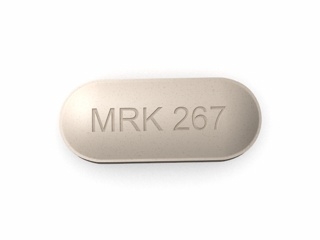

Maxalt (Rizatriptan) — Patient-Friendly Guide (Australia)
Maxalt is a medicine used to treat migraine attacks, including attacks with or without aura. It belongs to a group of medicines called triptans. This guide explains how Maxalt works, how it’s typically used, what to expect, and important safety information for people in Australia.
Note: Information below is general. Your doctor or pharmacist may advise a different plan based on your personal medical history and other medicines.
1) Basic product information
| Feature | Details |
|---|---|
| Brand name | Maxalt |
| Generic name | Rizatriptan |
| Medicine type | Triptan (serotonin receptor agonist) |
| Common formulations | Tablets (including “melt”/orally disintegrating form in some markets—availability may vary) |
| Typical use | Acute treatment of migraine attacks |
| Where it’s used | Australia (availability may depend on strength, brand listing, and supply) |
2) How Maxalt works (mechanism of action)
Migraine is more than “just a headache.” It involves complex changes in the brain and blood vessels, including activation of certain nerve pathways and inflammatory signals.
Rizatriptan helps by acting on serotonin (5-HT1) receptors—especially those involved in migraine pain pathways. In practical terms, Maxalt:
- Vasoconstricts certain blood vessels linked to migraine (helps reduce pain signals).
- Reduces the release of pain-related neuropeptides (helps dampen migraine mechanisms).
- Modulates nerve signalling involved in migraine attack progression.
Maxalt is designed to treat an active migraine attack. It is not typically used to prevent migraines long-term.
3) Pharmacokinetics — how the body handles rizatriptan
Pharmacokinetics describes what the body does to a medicine: absorption, distribution, metabolism, and elimination.
- Absorption: Rizatriptan is absorbed after taking a tablet. Onset can be relatively fast, but response varies between individuals and between attacks.
- Peak concentration: Blood levels typically peak within about 1–2 hours after an oral dose.
- Metabolism: It is mainly broken down in the liver by monoamine oxidase (MAO-A).
- Elimination: Metabolites are excreted primarily via the kidneys (urine).
- Special populations: People with certain liver or kidney impairment may have higher exposure. Dose adjustments or additional precautions may be needed.
Because rizatriptan is metabolised by MAO-A, drug interactions are important (see sections below).
4) Typical use and what it treats
Maxalt is used for the acute treatment of:
- Migraine attacks (with aura or without aura)
- Sometimes, it may also be used as advised by a clinician for other specific migraine presentations
Important: Maxalt is not intended to treat cluster headache or other types of headache unless specifically advised by a health professional.
5) Timing: when to take Maxalt during a migraine
For best effect:
- Take Maxalt as early as possible after you recognise your migraine attack.
- You do not necessarily need to wait for the pain to become severe—early treatment may improve the chance of relief.
- Maxalt can be taken whether or not your migraine includes aura.
Repeat dosing: If your symptoms return, a second dose may be considered after a suitable interval (see dosing section). If you do not respond to the first dose, you should discuss what to do next with a clinician or pharmacist—switching strategy may be needed.
6) Food interactions
Food may affect how quickly rizatriptan starts to work.
- Taking Maxalt with food may delay absorption in some people.
- In many cases, it still works, but onset can be slightly slower.
Practical tip: If you usually need faster relief, consider taking Maxalt when you feel the attack beginning, with water, and without necessarily eating first. However, follow the directions on your product packaging and your healthcare advice.
7) Alcohol and medicine interactions
Alcohol can trigger or worsen migraines in some individuals. While there is not a universal “dangerous” interaction for everyone, combining migraine triggers (including alcohol) with your condition can increase the chance of attacks or reduced effectiveness.
General guidance:
- Avoid excessive alcohol, especially during times you’re prone to migraines.
- If you drink alcohol, consider whether it reliably triggers your migraines, and discuss patterns with a pharmacist or doctor.
- Be cautious with “self-medication” during attacks—many cold/flu and pain products contain ingredients that can interact with other medicines you take.
Medication interactions (more important than alcohol alone): Rizatriptan has key interactions with medicines that affect serotonin and MAO-A (see next sections).
8) Medicine interactions — key safety considerations
Because Maxalt affects serotonin pathways and is metabolised by MAO-A, interactions can occur. Always provide a complete list of your medicines to a pharmacist.
Do not use with certain medicines
- MAO inhibitors (including some antidepressants and other MAO-A–related medicines): due to rizatriptan metabolism via MAO-A, combining can raise rizatriptan levels and increase risk of side effects.
- Ergot-containing medicines (used for migraine), e.g., ergotamine or similar: combining with triptans may increase risk of blood vessel effects.
- Other triptans: using multiple triptans close together can increase adverse effects.
Use caution with serotonergic medicines
- Some antidepressants and other medicines that affect serotonin may increase the risk of serotonin syndrome when combined with triptans (risk is generally low but important to recognise).
- Examples include certain SSRIs/SNRIs and some other serotonergic drugs. Your pharmacist can assess your exact regimen.
Common medicines that may be involved
- Cimetidine (acid-lowering medicine) may increase rizatriptan levels.
- Fluvoxamine (antidepressant) may increase rizatriptan levels and is particularly relevant.
- Propranolol (a beta-blocker) may increase rizatriptan exposure. Dose changes may be needed if you use these.
Always check: If you are taking any migraine preventatives or other neurological medicines, bring your list. Even “as needed” products can matter.
9) Indications and who Maxalt is for
Maxalt is indicated for the acute treatment of migraine attacks in adults (and sometimes adolescents, depending on local product approvals). It is generally used for people who:
- Have a confirmed history of migraine
- Need rapid symptom relief during an attack
- Have not had contraindications to triptan therapy
Not for everyone: Some conditions may make triptans unsuitable, such as certain types of heart or blood vessel disease, uncontrolled high blood pressure, or history of stroke. If any of these apply, speak with your pharmacist or doctor promptly.
10) Dosing — typical adult use
General dosing guidance (adults): For migraine attacks, rizatriptan is typically taken at the start of the attack.
- Common starting dose: 5 mg or 10 mg, depending on formulation and your clinical situation.
- Re-dose: If symptoms return, a second dose may be taken after at least 2 hours (unless your clinician advises otherwise).
- Maximum daily dose: Do not exceed the maximum total daily dose listed in the product information for your specific strength and formulation.
When other medicines are involved:
- If you take propranolol, a lower dose may be recommended.
- If you take MAO inhibitors, you should not use rizatriptan unless specifically instructed under a specialist plan (generally avoided).
Missed timing: If you have already waited until later in the attack, you can still take Maxalt if it feels like a migraine and you have been advised to use it. Effect may be reduced compared with early dosing.
Children and adolescents: Dosing depends on age/weight and product approvals. Use only if specifically recommended by a clinician and consistent with the approved product directions.
11) Safety profile — side effects and warnings
Like all medicines, Maxalt can cause side effects. Many people tolerate it well, but stop use and seek urgent medical help if you develop severe or concerning symptoms.
Common side effects
- Head pressure, dizziness, or drowsiness
- Flushing
- Numbness or tingling sensations
- Nausea
- Muscle discomfort or tightness
Less common but important effects
- Chest, throat, or neck tightness (can occur even without heart disease)
- Shortness of breath or unusual sweating
- Allergic reactions (rash, swelling, difficulty breathing)
Seek urgent care immediately if
- You experience symptoms suggestive of a serious allergic reaction (face/lip swelling, wheeze, trouble breathing)
- severe chest pain, fainting, or signs of stroke (e.g., weakness on one side, difficulty speaking)
- serotonin syndrome, such as agitation, confusion, fever, sweating, shivering, diarrhoea, or fast heart rate
Medication overuse headache (MOH)
Using migraine medicines too often can sometimes lead to medication overuse headache—a condition where headaches become more frequent due to repeated acute medication use.
- Avoid using triptans too frequently.
- If you need acute treatment many days per month, discuss a migraine prevention plan with a healthcare professional.
12) Practical use tips for best results
- Keep it accessible: Store your Maxalt where you can reach it during an attack.
- Hydrate: Sip water if you can; dehydration can worsen migraine.
- Reduce triggers: Dark, quiet room and avoiding screens may improve comfort while Maxalt starts working.
- Track response: Note how well Maxalt works for you (time to relief, pain-free time, return of symptoms). This helps refine future treatment.
- Use correct re-dose timing: If symptoms return, wait the minimum interval before taking the next dose.
- Don’t stack similar medicines: Avoid taking another triptan or ergot medicine soon after without advice.
13) Alternative options for migraine attacks
If Maxalt isn’t suitable, or if it doesn’t work well enough, there are several alternatives. Options may include:
Other acute migraine medicines
- Other triptans (different agents within the same class)
- NSAIDs (e.g., ibuprofen) or paracetamol, depending on your health profile
- Anti-nausea medicines to help with vomiting and to support absorption of pain medicines
Newer targeted migraine treatments
- Gepants (CGRP receptor antagonists) and other targeted options may be considered in some patients.
- Ditans (5-HT1F receptor agonists) are another category in some regions.
Preventive therapies (for frequent migraines)
- Preventive medicines may be recommended if you have frequent attacks or if acute treatment is not enough.
- Examples can include certain blood pressure medicines, anticonvulsants, antidepressants, and injections such as CGRP-related therapies (choice depends on individual factors).
Your pharmacist can help you understand what alternatives might be appropriate based on your history and current medicines.
14) Maxalt in the Australian market — legal and supply context
In Australia, migraine medicines are generally made available through a range of healthcare channels. Availability can depend on product listing, formulation, and pharmacy supply systems.
- Product information and approved indications are guided by Australian regulatory requirements.
- Online pharmacies typically operate within Australian rules around dispensing and supply.
- Supply may vary between brands and strengths; substitutions may occur depending on availability.
Recent guidance (general): Over recent years, migraine care has increasingly emphasised:
- Early treatment during attacks
- Reducing medication overuse headache
- Considering preventive strategies when attacks are frequent
- Reviewing interactions—especially for triptans and serotonergic medicines
Always follow the latest advice from your healthcare professional and check the product information supplied with your medication.
15) Delivery and availability (online pharmacy)
Availability and delivery timeframes vary by region and stock levels. When ordering online:
- Confirm the exact product strength you need (e.g., 5 mg vs 10 mg) and whether you are ordering tablets or an orally disintegrating format (if available).
- Ensure the order matches your prescribed or recommended dose plan.
- Check delivery estimates at checkout and allow time for processing.
Storage: Keep Maxalt in its original packaging, at room temperature, away from moisture and direct sunlight. Keep out of reach of children.
16) Frequently Asked Questions (FAQ)
1. When should I take Maxalt?
Take Maxalt as early as possible after you recognise your migraine attack. If symptoms come back, you may take a second dose after the recommended interval in the product directions or as advised by your healthcare professional.
2. Can I take Maxalt if I have aura?
Yes. Maxalt can be taken for migraine attacks with or without aura. Many people take it at the start of the attack symptoms.
3. How quickly does Maxalt work?
Some people feel relief within about 1–2 hours as blood levels rise. Response varies from person to person and between attacks. If Maxalt doesn’t work for you reliably, discuss alternatives with a pharmacist or doctor.
4. Can I take Maxalt with food?
Food may delay how quickly it works, but it can still be effective. If speed is important for you, consider taking it with water when symptoms begin rather than after a full meal.
5. What should I avoid while using Maxalt?
Avoid taking other triptans, ergot medicines, or MAO inhibitors unless specifically instructed. Also be cautious with serotonergic medicines and always check with a pharmacist if you’re unsure about interactions.
6. Is it safe to drink alcohol with Maxalt?
Alcohol may trigger migraines and can worsen symptoms for some people. There isn’t a single rule that applies to everyone, but for best results, keep alcohol intake moderate and avoid heavy drinking—especially during migraine-prone periods.
7. What if Maxalt doesn’t relieve my migraine?
If you don’t get relief from the first dose, do not keep taking additional doses without guidance. Speak to a pharmacist or clinician about whether you should try another option for that attack or adjust your plan.
8. How often can I take Maxalt?
Follow the maximum daily dose and dosing interval specified in the product directions. Overuse of acute migraine medicines can increase the risk of medication overuse headache.
9. Who should not take rizatriptan?
People with certain cardiovascular or cerebrovascular conditions, uncontrolled high blood pressure, or specific medication combinations may not be suitable candidates. A pharmacist can help assess common contraindications by reviewing your medication list and medical history.
10. Can Maxalt be used during pregnancy or breastfeeding?
If you are pregnant or breastfeeding, discuss risks and benefits with a healthcare professional before using triptans. Guidance depends on your individual situation.
17) When to talk to a pharmacist or doctor
Seek medical advice if:
- Your migraines change in pattern, become more frequent, or feel different from usual
- You need acute migraine treatment many times per month
- You have risk factors for heart disease or stroke
- You experience concerning side effects after taking Maxalt
If you have a complex medication list, it’s a good idea to confirm interactions before using Maxalt.
Summary: Maxalt (rizatriptan) is a triptan medicine used to treat migraine attacks. It works by targeting serotonin pathways involved in migraine pain. Take it early in an attack, be mindful of dosing limits, and review drug interactions—especially MAO inhibitors and other serotonergic medicines. If your headaches are frequent or your treatment isn’t effective, discuss migraine prevention and alternative options.