Naprelan (Naproxen) — Patient Information (Australia)
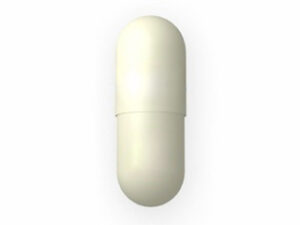
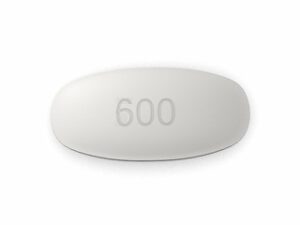
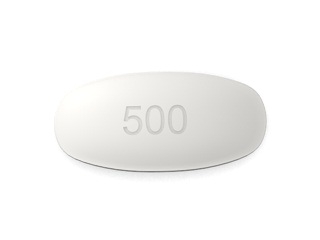
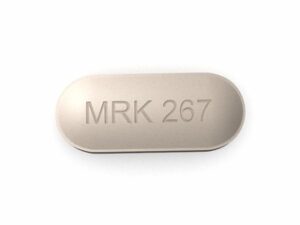
Naprelan is a brand of naproxen, a medicine from the non-steroidal anti-inflammatory drug (NSAID) family. Naprelan is formulated as an extended‑release (ER) tablet, designed to release naproxen gradually over the day.
This page explains what Naprelan is used for, how it works, how it behaves in the body, typical dosing and timing, important food and alcohol considerations, and practical safety information. It is written for patient-friendly understanding and is intended to help you speak with a pharmacist or doctor about what’s right for you.
Quick overview
- Active ingredient: Naproxen
- Medicine type: NSAID (pain relief and anti‑inflammatory)
- Formulation: Extended‑release (ER)
- Common uses: Pain and inflammation from conditions such as osteoarthritis, rheumatoid arthritis, and some types of tendon and joint pain
- Key cautions: Stomach irritation/ulcers, kidney effects, increased cardiovascular risk at higher doses, and interactions with other medicines
- Take as directed: Swallow whole; do not crush or split extended‑release tablets
Basic product information
| Feature | Information |
|---|---|
| Brand name | Naprelan |
| Generic name | Naproxen (extended‑release) |
| Drug class | NSAID |
| How it’s designed to work | Extended‑release for longer pain relief |
| Common dosage schedule | Often once or twice daily depending on the strength and the condition |
| Who should use caution | People with stomach ulcers/bleeding risk, kidney disease, heart disease risk, asthma triggered by NSAIDs, and those on interacting medicines (see below) |
Note: Strengths (e.g., ER naproxen milligrams) and the exact schedule can vary by product and clinical situation. Always follow the directions provided with your specific Naprelan pack.
How Naprelan works (mechanism of action)
Naproxen works mainly by reducing the production of prostaglandins—chemicals in the body that contribute to:
- Pain (especially inflammatory pain)
- Inflammation (swelling, redness, tissue irritation)
- Fever (in some cases)
It does this by inhibiting cyclo‑oxygenase (COX) enzymes (COX‑1 and COX‑2). This lowers prostaglandin levels, which can relieve symptoms such as pain and stiffness in joint and muscle conditions.
Because Naprelan is an extended‑release formulation, it provides a steadier release of naproxen than immediate‑release products, which may help maintain symptom relief across the day.
Pharmacokinetics (how the body handles it)
“Pharmacokinetics” describes absorption, distribution, metabolism, and elimination.
- Absorption: As an ER product, Naprelan releases naproxen gradually. Peak blood levels typically occur several hours after taking a dose (the exact timing varies by patient and tablet strength).
- Distribution: Naproxen binds substantially to plasma proteins, meaning drug levels can be influenced by other medicines that also bind proteins.
- Metabolism: Naproxen is primarily metabolised in the liver.
- Elimination: It is eliminated mainly through the kidneys (urine), along with metabolites. This is why kidney function is important for safety.
- Half‑life: Naproxen has a relatively long half‑life, supporting dosing schedules that may be once or twice daily for ER formulations.
If you have kidney or liver impairment, your healthcare professional may adjust dosing or recommend a different pain relief option.
What Naprelan is used for (indications)
Naprelan is used for conditions where pain and inflammation are involved, including:
- Osteoarthritis (e.g., joint pain and stiffness)
- Rheumatoid arthritis
- Ankylosing spondylitis (inflammatory back pain)
- Tendonitis and other soft‑tissue inflammatory conditions (when appropriate)
- Muscle and joint pain related to inflammation (depending on the clinical assessment)
Naprelan helps reduce symptoms (pain, stiffness, swelling) but does not cure the underlying condition. Many people use it as part of a broader management plan that may include physiotherapy, exercise, and lifestyle modifications.
Typical use and timing
When to take it
- Follow the schedule provided on your pack or by your healthcare professional.
- Extended‑release tablets are designed to be taken at intervals that allow steady drug release.
- If you take it once daily, it is commonly taken at a consistent time each day.
- If you take it twice daily, try to space doses evenly (for example morning and evening) unless otherwise instructed.
How to take Naprelan
- Swallow whole with water.
- Do not crush or chew extended‑release tablets, as this can release the medicine too quickly and increase side effects.
- You may take Naprelan with food or milk if it upsets your stomach—this can improve tolerance for some people.
Dosing (general guidance)
Naprelan dosing depends on the condition, severity of symptoms, your risk factors, and your overall health (including kidney function).
Because the exact dosing can vary by product strength and clinical context, use the directions on your specific pack. As a general principle for NSAIDs:
- Use the lowest effective dose for the shortest time needed to control symptoms.
- Do not exceed the maximum daily dose stated for the product.
- Avoid taking Naprelan with other NSAIDs (such as ibuprofen, diclofenac, or additional naproxen) unless a clinician specifically instructs you.
If you are unsure how to take Naprelan, a pharmacist can help you interpret the dosing instructions on the pack.
Food interactions and stomach tolerance
Taking Naprelan with food may reduce gastrointestinal irritation. Food does not usually “cancel out” Naprelan’s effect, but it can influence tolerance and the way you feel after a dose.
Practical food tips
- With meals or after food can be helpful if you get heartburn, nausea, or stomach pain.
- Avoid taking it on an empty stomach if you’ve previously had NSAID-related stomach upset.
- If your stomach is sensitive, ask a pharmacist about whether additional protection (e.g., a gastroprotective medicine) is appropriate for you.
Alcohol interactions
Combining alcohol with NSAIDs like Naprelan can increase the risk of stomach irritation and bleeding. Alcohol may also worsen dizziness or increase the chance of side effects.
- If you drink alcohol, consider limiting or avoiding alcohol while taking Naprelan.
- Extra caution is needed if you have a history of ulcers or gastrointestinal bleeding.
If you have regular alcohol intake or heavy drinking patterns, discuss the safest pain relief option with a healthcare professional.
Medicine interactions (important)
NSAIDs can interact with other medications. Always check before starting or stopping any medicine. The following are common interaction categories (not an exhaustive list):
- Other NSAIDs (including aspirin used for pain): increases risk of stomach bleeding and kidney problems.
- Blood thinners (e.g., warfarin): increased risk of bleeding.
- Antiplatelet medicines (e.g., clopidogrel): may increase bleeding risk.
- Corticosteroids (e.g., prednisolone): increased gastrointestinal side effects.
- SSRIs/SNRIs antidepressants: may increase risk of bleeding in the stomach.
- ACE inhibitors (e.g., enalapril) and ARBs (e.g., losartan): can increase kidney strain in combination with NSAIDs.
- Diuretics (e.g., hydrochlorothiazide): may increase kidney risk.
- Lithium: NSAIDs can increase lithium levels, potentially causing toxicity.
- Methotrexate: possible increased toxicity depending on dose and regimen.
- Digoxin: NSAIDs can potentially raise digoxin levels.
- Diabetes medicines: NSAIDs can affect glucose control in some people.
If you’re taking multiple medicines, it’s a good idea to have a pharmacist review your list before you start Naprelan.
Safety profile and side effects
Like all medicines, Naprelan can cause side effects. Many people tolerate naproxen well, but it’s important to know what to watch for—especially because some NSAID risks are serious.
Common side effects
- Indigestion, heartburn, nausea
- Stomach discomfort
- Headache or dizziness
- Fluid retention (swelling) in some people
Serious warnings — seek urgent medical help
Stop taking Naprelan and seek urgent advice if you experience:
- Signs of stomach bleeding such as black/tarry stools, vomiting blood or material that looks like coffee grounds
- Severe allergic reactions such as facial swelling, wheezing, severe rash, or difficulty breathing
- Chest pain, sudden weakness, or trouble speaking (possible cardiovascular or stroke warning signs)
- Severe shortness of breath or asthma worsening (especially if you’ve reacted to NSAIDs before)
- Signs of kidney problems such as reduced urination, unusual swelling, or persistent nausea
Who should be extra cautious
- People with a history of peptic ulcers or gastrointestinal bleeding
- People with kidney disease or dehydration
- People with heart disease or high cardiovascular risk
- People with asthma triggered by NSAIDs
- Older adults, who may be at higher risk of side effects
- People taking medicines that increase bleeding or affect kidney function
Practical use tips (to get the safest benefit)
- Start low and reassess: If you’re new to Naprelan, use the recommended starting dose and reassess pain relief after a short period.
- Use it with context: Combine with non‑drug strategies such as gentle activity, physiotherapy exercises, heat/cold packs, and stretching where appropriate.
- Stay hydrated: Dehydration can increase kidney strain.
- Watch cumulative NSAID effects: Avoid taking additional NSAIDs for “extra pain relief.”
- Consider stomach protection if you’re high risk: A pharmacist or doctor may recommend a gastroprotective option for suitable patients.
- Check label directions carefully: Extended‑release tablets should be swallowed whole.
- Track your symptoms: If pain persists or worsens after starting Naprelan, discuss next steps rather than simply increasing dose.
Alternative options for pain and inflammation
Alternatives depend on the condition, your medical history, and your risk factors. Possible options include:
Non‑NSAID medicines
- Paracetamol (acetaminophen): may help pain, though it has less anti‑inflammatory effect than NSAIDs.
- Topical NSAIDs (e.g., gels/creams): can be useful for localised osteoarthritis or muscle/joint pain with less whole‑body exposure for some people.
Other anti‑inflammatory approaches
- Physiotherapy and exercise programs tailored to joint or back pain
- Heat or cold therapy
- Weight management (for some joint conditions)
- Injections or specialist treatments for selected conditions under appropriate care
If you cannot take NSAIDs due to side effects or interactions, a pharmacist can help you compare suitable options and explain what to avoid.
Market and legal context for Australia (what this means for you)
In Australia, medicines are regulated under the Therapeutic Goods Administration (TGA). Availability, scheduling, and supply requirements can vary by product strength and formulation.
Naprelan is an NSAID that may have specific legal supply restrictions depending on strength, indication, and local classification. Online pharmacies typically require appropriate checks and may offer:
- Pharmacist review to support safe use
- Information about interactions and contraindications
- Guidance on dosing frequency and duration
Always ensure the product you purchase matches the intended strength and formulation (extended‑release).
Recent guidance and safety reminders (Australia)
Healthcare guidance in Australia continues to emphasise:
- Lowest effective dose for the shortest duration when using NSAIDs
- Careful assessment of cardiovascular and gastrointestinal risks, especially in older adults and people with risk factors
- Recognition that NSAIDs can affect kidney function, particularly in dehydration or existing kidney disease
- Awareness of drug interactions (particularly blood thinners, ACE inhibitors/ARBs, diuretics, and other medicines that increase bleeding risk)
If you’re unsure whether Naprelan is appropriate for you, talk to a pharmacist. They can help interpret your medical history and medicine list in relation to current safety expectations.
Delivery and availability (online pharmacy)
Availability of Naprelan may vary by stock levels and manufacturer supply. For online pharmacy orders:
- Dispatch times: Many orders are dispatched within 1–2 business days (times may vary by location and product availability).
- Delivery options: Standard and express delivery may be available depending on your address and retailer policies.
- Tracking: Most deliveries include tracking so you can monitor progress.
If Naprelan is out of stock, your pharmacy may offer an alternative suitable product or advise when it’s likely to be restocked.
FAQ — Naprelan (Naproxen)
1) What is Naprelan used for?
Naprelan is used to relieve pain and inflammation associated with conditions such as osteoarthritis, rheumatoid arthritis, ankylosing spondylitis, and selected tendon or soft‑tissue inflammatory problems.
2) How fast will it work?
Many people notice symptom relief within hours, but ongoing benefits for inflammatory conditions may build over several days. If there is no improvement, it’s important to reassess the diagnosis and treatment plan rather than continuing indefinitely.
3) Can I take Naprelan on an empty stomach?
You can, but it may increase stomach irritation for some people. Taking it with food or milk may help reduce indigestion.
4) Should I avoid other painkillers?
Avoid taking additional NSAIDs (like ibuprofen or diclofenac) at the same time. Paracetamol is sometimes used for pain, but you should confirm what’s suitable for you—especially if you have liver disease or heavy alcohol use.
5) Can I drink alcohol while taking Naprelan?
It’s safest to limit or avoid alcohol. Alcohol increases the risk of stomach irritation and bleeding when combined with NSAIDs.
6) Who should not use Naprelan?
People at higher risk—such as those with a history of NSAID-related asthma, previous stomach ulcers/bleeding, significant kidney disease, or those taking certain interacting medicines—should get specific advice before using Naprelan.
7) What are the warning signs of serious side effects?
Seek urgent help if you notice black stools, vomiting blood, severe allergic symptoms, chest pain, stroke-like symptoms, or signs of kidney problems such as reduced urination and unusual swelling.
8) Can I switch from immediate‑release naproxen to Naprelan ER?
Extended‑release and immediate‑release products are not interchangeable on a simple “same dose” basis. If you’re switching, ask a pharmacist for a dosing comparison.
9) What if I miss a dose?
Take the missed dose when you remember if it’s close to the scheduled time. If it’s nearly time for the next dose, skip the missed dose. Don’t take double doses.
10) Are there non‑drug alternatives?
Yes. For many conditions, exercise/physiotherapy, weight management (if relevant), heat/cold therapy, and topical treatments can help reduce symptoms and medication needs. Ask what options fit your condition.
Important: This information is general and may not cover your personal situation. If you have questions about interactions, dosing, or suitability, a pharmacist can help you make a safe choice.