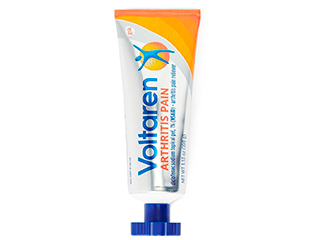
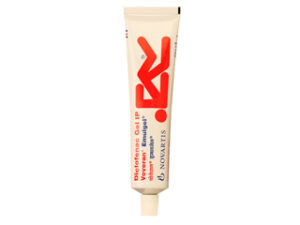
Voltaren Gel (Diclofenac Sodium) — Relief for Pain and Inflammation in Australia
Voltaren Gel is a topical anti-inflammatory medicine containing diclofenac sodium. It is used to help relieve pain and inflammation associated with a range of musculoskeletal conditions. Because it is applied to the skin, it delivers diclofenac locally to the painful area, which can help minimise the amount of medicine reaching the rest of the body.
This guide explains how Voltaren Gel works, how to use it safely and effectively, what to expect, and key interactions and precautions for users in Australia.
Basic Product Information
| Feature | What you’ll find |
|---|---|
| Medicine | Voltaren Gel (diclofenac sodium) |
| Type | Topical non-steroidal anti-inflammatory drug (NSAID) |
| How it’s used | Applied to skin over the affected area |
| Common form | Gel for topical use |
| Who it’s suitable for | Adults and, depending on the specific product strength/label, some adolescents (follow the package instructions) |
| Availability | Typically available from pharmacies and online pharmacies in Australia |
Note: Product strengths and pack sizes can vary. Always check your specific label and leaflet for the exact directions and approved indications for that product.
How Voltaren Gel Works (Mechanism of Action)
Diclofenac is an NSAID. When applied to the skin, it helps reduce pain and inflammation by:
- Inhibiting prostaglandin production (prostaglandins contribute to pain, swelling, and inflammatory responses).
- Reducing local inflammatory activity in tissues around the affected joint or soft tissue.
- Helping relieve movement-related discomfort, which can improve day-to-day function for some conditions.
Because it is applied directly to the painful area, it can be particularly useful when symptoms are localised (for example, hands, knees, or other joints).
Pharmacokinetics: What Happens in the Body
With topical diclofenac, only a portion of the dose is absorbed through the skin. Key points include:
- Local action first: most of the medicine is intended to work in the area where you apply it.
- Absorption is limited: blood levels are generally much lower than with oral diclofenac tablets.
- Metabolism and clearance: any absorbed diclofenac is metabolised mainly in the liver and eliminated by the kidneys (details vary between individuals).
Why this matters: topical NSAIDs still contain an NSAID, so some systemic effects and interactions are possible—especially when used too much, too often, or over large areas, or when covered with occlusive dressings.
Typical Uses and Indications
Voltaren Gel is commonly used for pain relief and inflammation in:
- Osteoarthritis in certain joints (for example, hand and knee joints, depending on the product label).
- Muscle and joint pain affecting soft tissues and nearby structures.
- Localized sprains and strains (follow label instructions and avoid use on broken skin).
Indications can depend on the exact product strength and jurisdictional approvals. Always follow the directions on your specific Voltaren Gel packaging or consumer medicine information.
When You Can Expect Relief (Timing)
Many people notice changes within:
- Hours to a day for short-term discomfort (e.g., after activity)
- Several days for more persistent pain related to inflammatory or degenerative conditions
How to use consistently: If your pain is chronic (such as osteoarthritis), regular application as directed can provide steadier symptom control.
If there is no improvement: If symptoms do not improve within the timeframe stated on the product label (or if they worsen), stop and seek advice from a pharmacist or doctor.
Dosing: How Much to Use and How Often
Voltaren Gel dosing is usually based on the size of the affected area. Follow the instructions on your product pack exactly.
General practical guidance commonly used for topical diclofenac gels:
- Apply to clean, dry skin over the painful area.
- Use the recommended amount (often measured by the length of gel ribbon dispensed).
- Reapply at the stated frequency (commonly multiple times per day, depending on product strength/label).
- Wash your hands after applying (unless your hands are the treated area).
Do not:
- Apply to broken skin, infected areas, or open wounds.
- Apply more gel than recommended, or more frequently than stated.
- Use under occlusive bandages unless advised by a healthcare professional.
Duration of use: For self-care, topical NSAIDs are typically used for the shortest time needed to manage symptoms. If you require ongoing use, it’s wise to discuss options with a pharmacist or clinician.
Food Interactions
Because Voltaren Gel is applied to the skin and absorption is limited, food interactions are not usually expected. You do not typically need to adjust meals or take it with food.
However: be mindful of the overall use of NSAIDs. If you are also taking oral medicines (such as ibuprofen or aspirin), those may interact with food or increase stomach risk—even if you are using Voltaren Gel correctly.
Alcohol and Medicine Interactions
Alcohol
Topical diclofenac usually results in lower systemic exposure than oral NSAIDs, so moderate alcohol may be tolerated by many people. However, because NSAIDs can affect the gastrointestinal tract and kidneys in some users, it’s best to be cautious:
- Avoid heavy drinking or binge alcohol while using NSAIDs (topical or oral).
- If you have a history of stomach bleeding, ulcers, kidney disease, or take blood thinners, seek advice before combining with alcohol.
Medicine Interactions
Even though systemic absorption is generally lower, interactions can still be relevant for some people, particularly if you use higher doses, treat large areas, or use the gel for extended periods.
Tell your pharmacist if you use any of the following medicines:
- Other NSAIDs (e.g., ibuprofen, naproxen, aspirin at anti-inflammatory doses)
- Blood thinners (e.g., warfarin or other anticoagulants)
- Antiplatelet medicines (e.g., clopidogrel)
- Corticosteroids
- Diuretics (“water tablets”) and some blood pressure medicines
- Medicines affecting the kidneys
- Other topical NSAID products used at the same time in the same area
Why it matters: combining NSAIDs can increase the risk of side effects such as stomach irritation/bleeding, kidney stress, or changes in blood clotting in susceptible individuals.
Safety Profile: Who Should Be Careful
Voltaren Gel is generally well tolerated when used as directed. Still, it is important to understand potential side effects and risk factors.
Common skin-related side effects
- Redness or irritation
- Itching or burning sensation at the application site
- Dryness or mild rash
Stop use and seek medical advice urgently if you experience
- Signs of a serious allergic reaction (e.g., swelling of face/lips, difficulty breathing)
- Severe rash or blistering
- Worsening symptoms or signs of infection at the treated area
Extra precautions
Talk to a pharmacist or clinician before using Voltaren Gel if you:
- Have had an NSAID allergy or asthma that worsens with NSAIDs
- Have a history of stomach ulcers or gastrointestinal bleeding
- Have kidney disease or reduced kidney function
- Are using blood thinners or have clotting disorders
- Are pregnant or breastfeeding (topical NSAID use may still require advice)
Children and adolescents: Use should be consistent with the specific product label. If the label states an age restriction, follow it carefully.
Practical Tips for Safe and Effective Use
- Apply to intact skin only: Do not use on broken skin or after sunburn.
- Use the correct amount: Too much gel does not necessarily work better and can increase the chance of side effects.
- Allow it to absorb: Let the gel dry before covering with clothing to reduce transfer.
- Avoid heat and sunlight: Heat packs may increase absorption. Also avoid exposing treated skin to direct sunlight.
- Wash hands after application: unless your hands are the treated area.
- Do not combine with occlusion: avoid tight bandages or airtight coverings unless advised.
- Be consistent: for conditions like osteoarthritis, regular dosing as directed is often more helpful than “as needed” use.
What about wearing gloves? If you apply to your hands or need to prevent gel transfer, consider using disposable gloves (if suitable) or wash hands immediately after application.
Alternative Options
If Voltaren Gel isn’t suitable or if you need additional pain control, there are several alternatives depending on your condition and risk factors.
Other topical medicines
- Topical NSAIDs from other brands (diclofenac or other NSAID gels/creams)
- Topical analgesics such as counter-irritants (for some people)
Oral medicines (discuss suitability)
- Paracetamol can help with pain (not an anti-inflammatory)
- Oral NSAIDs like ibuprofen may be appropriate for some users, but have higher systemic side effects than topical NSAIDs for many people
Non-medicine options
- Rest and activity modification to avoid aggravating movements
- Physiotherapy and strengthening exercises
- Heat or cold therapy based on what helps you
- Supportive aids like braces, splints, or footwear support
Choosing the best option: Your best approach depends on whether your pain is inflammatory, mechanical, or related to an underlying joint condition—and your personal risk factors.
Market & Legal Context in Australia (Consumer Information)
In Australia, topical diclofenac products such as Voltaren Gel are typically available through pharmacies and may be classified as non-prescription medicines depending on the specific formulation and strength. Medicines are required to be supplied with appropriate consumer information, and advertising and supply must follow Australian regulatory requirements.
Always check the product pack: label content—including indications, age guidance, directions for use, and warnings—may differ between strengths and formulations.
Recent guidance: Consumer and healthcare updates often emphasise careful use of NSAIDs, correct dosing, and awareness of risk factors (particularly cardiovascular, kidney, and gastrointestinal risks). For topical NSAIDs, guidance frequently highlights applying only to intact skin, avoiding excessive use, and stopping if skin reactions occur.
If you’re unsure about suitability (for example, due to other medicines you take or a history of NSAID reactions), speaking with a pharmacist can help you choose the safest option.
Delivery and Availability (Australia)
Voltaren Gel is commonly stocked in Australian pharmacies and can also be available through online pharmacy services. Delivery times may vary based on location, stock availability, and the shipping method selected.
Availability notes:
- Some variants (different strengths/pack sizes) may be sourced from different suppliers.
- Stock can fluctuate, especially for popular sizes.
- Check the product strength and size on the online listing before ordering.
Storage: Store according to the label. Typically, gels should be kept at room temperature and protected from excessive heat and sunlight.
FAQ
1) Is Voltaren Gel the same as oral diclofenac?
Voltaren Gel contains diclofenac sodium like oral diclofenac, but it is a topical NSAID. Because it is applied to the skin, systemic absorption is generally lower than with tablets, which may reduce some whole-body risks. However, interactions and side effects can still occur, especially with incorrect use.
2) How quickly will it work?
Some people notice relief within hours to a day, while for conditions like osteoarthritis, improvement may take several days of consistent use. If there’s no improvement within the label timeframe, seek advice.
3) Can I use Voltaren Gel on my knee or hands?
Voltaren Gel is commonly used for pain related to conditions such as osteoarthritis in certain joints. Whether it’s appropriate for your specific joint depends on the product’s approved indications and label instructions. Apply only to intact skin and use the amount recommended for the affected area.
4) Can I apply it more often if my pain is worse?
No—do not exceed the stated dosing frequency or total daily amount. Using more than the label recommends increases the risk of side effects. If pain is not controlled, consider discussing other treatment options with a pharmacist.
5) Should I avoid sunlight on the treated area?
It’s wise to avoid direct sun exposure to treated skin because skin reactions can be worsened by UV. If you must be outside, cover the area with clothing and follow label directions.
6) Does food affect Voltaren Gel?
Food interactions are not usually expected for topical diclofenac. Still, if you are also taking oral NSAIDs or other pain medicines, those may have interactions or stomach-related risks.
7) Can I use Voltaren Gel with other pain medicines?
Some combinations may be okay, but others can increase risks. Avoid using multiple NSAID products together unless a pharmacist advises it. If you take blood thinners or have kidney or stomach risk factors, ask before combining medicines.
8) What if I accidentally swallow some gel?
If accidental ingestion occurs, follow local poison advice guidance or contact your pharmacist or a relevant medical service promptly. Keep the packaging available.
9) Who shouldn’t use it?
Avoid use or seek advice if you have a known NSAID allergy, have had severe reactions to NSAIDs, or have certain conditions (such as active stomach ulcers or significant kidney disease). Also follow label guidance for pregnancy, breastfeeding, and age.
10) When should I stop and get help?
Stop using Voltaren Gel and seek urgent medical advice for signs of serious allergy (e.g., breathing difficulties, facial swelling) or severe rash/blistering. Get medical advice for persistent pain, worsening symptoms, or repeated need for treatment.
Important Reminder
Voltaren Gel can be an effective option for localised pain and inflammation when used correctly. Always read the label and consumer medicine information for the exact directions for your product strength. If you have ongoing symptoms, are unsure about suitability, or you’re taking other medicines, a pharmacist can help ensure it’s the right choice for you.