Gabapentin (GABApen™ / Gabapentin) — Patient Information (Australia)
Gabapentin is a medicine used for nerve-related pain and for certain seizure conditions. It affects how nerves “communicate” in the brain and spinal cord, helping to reduce abnormal electrical activity and lessen pain signals. This page explains what gabapentin is, how it works, typical uses, how to take it safely, and what to expect in everyday life in Australia.
| What it’s used for | Examples |
|---|---|
| Neuropathic pain | Diabetic peripheral neuropathy, post-herpetic neuralgia, and other nerve pains (as advised) |
| Seizures | Adjunctive therapy for partial seizures (as advised) |
| Other approved/supportive uses | May be used for specific conditions depending on prescriber assessment and local guidance |
Basic product information
Medicine name: Gabapentin
How it works: It modifies nerve signalling by binding to specific sites involved in neurotransmitter release.
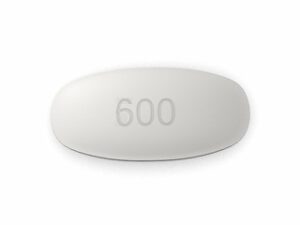
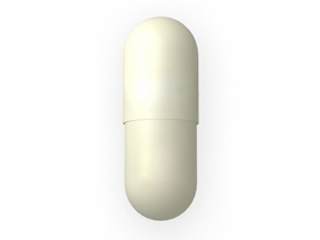
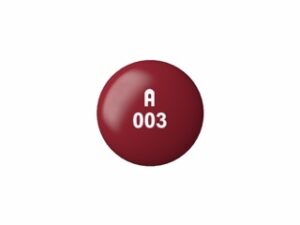
Formulations: Gabapentin may be supplied as capsules or tablets depending on brand and dose strengths available in Australia.
How it is supplied: Availability and supply requirements may vary by product brand, dose, and state/territory rules. Always follow the instructions provided with your specific product.
Mechanism of action (how gabapentin works)
Gabapentin is an analogue of the neurotransmitter GABA, but it does not primarily work by increasing GABA in the brain the way some other medicines do. Instead, gabapentin binds to voltage-gated calcium channel subunits (commonly described as the alpha-2-delta subunit) located in nerve cells.
- Reduces abnormal nerve excitability by dampening calcium-dependent neurotransmitter release.
- Helps calm pain pathways that become overactive in neuropathic pain.
- Supports seizure control by reducing abnormal electrical activity in the brain (used as part of overall seizure management).
Pharmacokinetics (how the body absorbs and processes it)
Understanding pharmacokinetics can help you take gabapentin at the right times and understand why doses may need adjustment for certain people.
- Absorption: Gabapentin is absorbed from the gut. Absorption can be variable between individuals.
- Effect of meals: Taking gabapentin with food can influence the amount absorbed, which may slightly change blood levels for some people.
- Distribution: It distributes into tissues including the nervous system.
- Metabolism: Gabapentin is not significantly metabolised by the liver.
- Elimination: It is mainly cleared by the kidneys through urine.
- Half-life: The medicine’s effect is sustained for hours, but exact duration varies; dosing is usually spaced across the day.
Kidney function matters: Because gabapentin is largely removed by the kidneys, people with reduced kidney function may need different dosing and closer monitoring.
Typical uses (indications)
Gabapentin is used for conditions where nerves are involved—particularly neuropathic pain and certain seizure disorders.
Neuropathic pain
- Diabetic neuropathy (nerve pain related to diabetes)
- Post-herpetic neuralgia (pain that can continue after shingles)
- Other nerve pains when a clinician considers gabapentin appropriate based on diagnosis and severity
Seizures
- Partial (focal) seizures as an add-on therapy in selected patients (depending on age, diagnosis, and overall treatment plan)
Important: The exact approved indications and product-specific information may vary. Always check the Consumer Medicine Information for your specific product and follow your healthcare professional’s advice.
When to take gabapentin (timing and routine)
Gabapentin is commonly taken in divided doses throughout the day. The goal is to maintain consistent medicine levels and reduce side effects such as dizziness or sleepiness.
- Start low, go slow: Many people begin with a lower dose and gradually increase as advised to improve tolerability.
- Try to take doses at regular times each day (e.g., morning, afternoon, evening, or as directed).
- Don’t stop suddenly: Stopping abruptly can increase the risk of rebound symptoms (including seizure risk in people taking it for seizures). Tapering is usually recommended when discontinuing.
- Missed dose: If you miss a dose, take it when you remember unless it is close to your next dose—then skip the missed dose. Do not double up.
Dosing overview (general guidance)
Dosing should be individualised based on your condition, response to treatment, age, and—especially—kidney function. For safe use, follow the dosing schedule provided with your specific gabapentin product and clinician instructions.
General principles (not a personal dosing plan):
- Adults: Often started at a lower daily dose and increased gradually over days to weeks.
- Children: Dosing is weight- and condition-dependent and must be calculated by a clinician.
- Older adults and kidney impairment: Dose reductions may be required because clearance is slower.
Why gradual increases matter: Starting too high can raise the likelihood of side effects such as sleepiness, dizziness, and unsteadiness.
Food interactions (can you take gabapentin with meals?)
Gabapentin can be taken with or without food. However, food can influence how much is absorbed in some people.
- If you find the medicine causes stomach discomfort, taking it with food may help.
- For best consistency, try to take each dose in a similar way each day (either always with meals or always on an empty stomach), unless your clinician advises otherwise.
Practical tip: Keep track of how you feel during the first couple of days at a new dose, especially regarding sleepiness and dizziness.
Alcohol and medicine interactions
Gabapentin may cause drowsiness, dizziness, and slowed reaction times. Alcohol can worsen these effects.
Alcohol
- Avoid alcohol or use caution, especially when starting treatment or increasing dose.
- Combining alcohol with gabapentin can increase risk of impaired driving, falls, and oversedation.
Medicines that may interact
Tell your healthcare professional and pharmacist about all medicines you use, including over-the-counter products. Particular caution is advised with medicines that can also cause drowsiness or affect breathing.
- Opioid pain medicines (e.g., morphine, oxycodone, codeine, fentanyl): may increase risk of sedation and breathing problems.
- Other sedatives (e.g., benzodiazepines such as diazepam; sleeping tablets): may increase drowsiness and impaired coordination.
- Some antihistamines (especially “sedating” types): may add to sleepiness.
- Medicines affecting kidney function: can change gabapentin levels indirectly, especially in people with pre-existing kidney issues.
Respiratory risk: In some individuals, especially those taking opioids or who have breathing disorders, gabapentin can increase the risk of severe sleepiness and breathing suppression. Seek urgent medical help if you or someone else notices unusual difficulty breathing, extreme confusion, or cannot stay awake.
Safety profile (side effects and what to expect)
Most people tolerate gabapentin reasonably well, especially when doses are started low and increased gradually. However, side effects can occur.
Common side effects
- Dizziness
- Sleepiness or fatigue
- Unsteadiness or coordination problems
- Swelling in the legs or ankles (oedema)
- Nausea
- Dry mouth
- Blurred vision or concentration difficulties
Less common but important side effects
- Mood changes, agitation, or unusual behaviour
- Allergic reactions (rash, swelling of face/lips, difficulty breathing)
- Severe drowsiness or difficulty staying awake (more likely with other sedating medicines or alcohol)
- Breathing difficulties (especially when combined with opioids)
When to seek urgent help
- Signs of a serious allergic reaction (face swelling, trouble breathing)
- Severe drowsiness, fainting, or confusion
- Slow or difficult breathing
- New or worsening suicidal thoughts or behaviour concerns
Practical use tips (how to get the best results safely)
- Plan for the first days: If you’re starting gabapentin or increasing dose, you may feel drowsy or dizzy. Avoid driving or operating machinery until you know how it affects you.
- Stand up slowly: Dizziness may occur. Move carefully from lying to sitting and from sitting to standing.
- Hydration and movement: If you notice dizziness or unsteadiness, gentle movement and adequate fluids can help—unless you’ve been restricted by a doctor.
- Don’t share your medicine: Gabapentin is tailored to an individual’s diagnosis and dose.
- Keep a symptom diary: For nerve pain, track pain scores, sleep quality, and triggers. This can help your clinician adjust dosing if needed.
- Use a consistent schedule: Set phone reminders or use a pill organiser for divided dosing.
- If you miss doses frequently: Discuss options with your pharmacist—adherence supports better outcomes and fewer side effects.
Stopping gabapentin safely
Do not stop gabapentin suddenly unless a clinician instructs you to do so. Many people need a gradual taper to reduce the risk of withdrawal-like symptoms or symptom rebound.
- Your prescriber may reduce the dose over days to weeks depending on your starting dose, duration of use, and condition.
- If you experience worsening symptoms during tapering, contact your healthcare professional for advice.
Alternative options (if gabapentin isn’t right for you)
Neuropathic pain and seizure conditions can be treated using different approaches. Alternatives depend on your diagnosis, other medications, and medical history.
Neuropathic pain alternatives (examples)
- Pregabalin (similar category of nerve pain medicines; dosing and side effects differ)
- Duloxetine (an antidepressant used for pain in certain conditions)
- Tricyclic antidepressants such as amitriptyline (used in some cases)
- Topical options (e.g., lidocaine patches in some neuropathic pain types)
- Non-medicine strategies such as physiotherapy, exercise, and cognitive behavioural approaches may also help
Seizure-related alternatives (examples)
- Other anti-seizure medicines may be considered depending on seizure type and patient factors.
Note: Switching medicines should always be supervised by a healthcare professional. Some medications require gradual changes to avoid seizure risk or withdrawal effects.
Australia market & legal context (what to know)
In Australia, the availability and supply of medicines is governed by national and state/territory regulations. Gabapentin is a prescription-only medicine in Australia, meaning appropriate healthcare assessment is required for supply and continued use.
Online pharmacies operating in Australia typically provide:
- Medicines sourced through legally permitted supply chains
- Information resources to support safe use
- Professional support channels (e.g., pharmacists or healthcare professionals where available)
Consumer Medicine Information (CMI): Always review the CMI provided with your product. The CMI includes side effects, dosing details, and special precautions specific to that formulation.
Recent guidance & safety updates (Australia context)
Ongoing medication safety communications commonly focus on reducing harm from sedating combinations and improving patient understanding of risks. In many countries, including Australia, heightened attention has been placed on:
- Risks when gabapentin is combined with opioids (sedation and respiratory depression concerns)
- Driving and operating machinery warnings due to dizziness and drowsiness
- Monitoring in vulnerable groups such as older adults, people with breathing disorders, and those with kidney impairment
If you are taking gabapentin with any opioid medicine, it’s especially important to follow the dosing plan closely and discuss ongoing risk-benefit with your clinician.
Delivery and availability (online pharmacy)
Delivery services for medicines in Australia typically include standard and express options depending on your location and the pharmacy’s dispatch schedules. Availability may vary by:
- Dose strength and pack size
- Manufacturer/brand
- National supply fluctuations
What to expect:
- Orders are normally dispatched on business days when stock is available.
- Tracking information may be provided for eligible deliveries.
- For safety and compliance, some medicines may require additional verification steps.
Storage: Store gabapentin at room temperature, away from heat and moisture. Keep out of reach of children.
FAQ about gabapentin
1) How long does gabapentin take to work?
Some people notice pain relief within days, while others take longer. For nerve pain, improvement may build over 1–2 weeks (or longer), especially when doses are increased gradually. For seizure control, changes are usually assessed over time as part of a broader plan.
2) Can gabapentin be taken at night?
Yes. Many people take doses that include an evening dose because sleepiness can be a side effect. Whether you should take gabapentin at night depends on your schedule, dose frequency, and how you respond to treatment—follow your clinician’s direction.
3) Will gabapentin make me sleepy?
Sleepiness is a common effect. It may be more noticeable early in treatment or after dose increases. Avoid driving or risky tasks until you know how it affects you.
4) What if I feel dizzy?
Dizziness can be dose-related. Sit or lie down if you feel unsteady, stand up slowly, and avoid alcohol. Contact your pharmacist or clinician if dizziness is significant or persists, as dose adjustments may be needed.
5) Is gabapentin addictive?
Dependence and withdrawal-like symptoms can occur with abrupt stopping or inappropriate changes. It’s important not to stop suddenly and to taper under medical guidance. Do not take gabapentin more often or in higher doses than advised.
6) Can I drink alcohol while taking gabapentin?
It’s best to avoid alcohol or use extreme caution. Alcohol can intensify drowsiness and increase risks such as impaired coordination, falls, and breathing problems—particularly if you also take opioid medicines or other sedatives.
7) Does gabapentin interact with other medicines?
Yes. Common concerns include opioids, sedatives, and certain antihistamines that can add to drowsiness. Always share your complete medicine list with your pharmacist or clinician.
8) Can I take gabapentin with food?
Yes—gabapentin can be taken with or without food. Food may affect absorption slightly, so taking it consistently (e.g., with meals each day) can help you gauge how you feel.
9) What happens if I miss a dose?
Take it when you remember unless it’s close to the next dose. If you’re close to the next dose, skip the missed one. Don’t double up.
10) Who needs extra caution?
Extra caution is advised for people with reduced kidney function, older adults, and those taking opioids or other sedating medicines. If you have kidney disease or breathing disorders, discuss risk factors with your healthcare professional.
Summary
Gabapentin is a nerve-modulating medicine used for neuropathic pain and certain seizure conditions. It works by binding to specific targets involved in neurotransmitter release, helping reduce abnormal nerve signalling. Because it is primarily cleared by the kidneys and can cause dizziness or sleepiness, safe use depends on correct dosing, gradual dose changes, and avoiding alcohol and risky medicine combinations—especially opioids.
If you have questions about how to take gabapentin, side effects, or interactions with your other medicines, speak with a pharmacist. Reviewing the Consumer Medicine Information included with your product is also recommended for the most accurate, product-specific guidance.